
spec sheet10 rows
ATX-304 is a direct, pan-AMPK activator, a small molecule that switches on AMP-activated protein kinase, the cell's master energy sensor and central regulator of metabolism. In preclinical studies it reprograms cellular metabolism toward fat oxidation and away from lipid synthesis, reducing body fat, cholesterol, and fatty liver, and it protects the kidney from injury by shifting energy metabolism [1][2]. As a next-generation metabolic activator it is an investigational compound of strong interest for obesity, fatty liver disease, and tissue protection, though it remains preclinical [2].
- Ramped-up fat burning
- Flips on fasting-mimicking metabolism
- Switches on the cell's master energy sensor
- Potent pan-AMPK activation
- Sharper insulin sensitivity
- Restored metabolic flexibility
Overview
ATX-304 is a small-molecule, direct activator of AMP-activated protein kinase (AMPK), the enzyme that acts as the body's central energy sensor and coordinator of metabolism. AMPK is switched on when cellular energy runs low, and it responds by promoting energy-producing pathways such as fatty acid oxidation and glucose uptake while suppressing energy-consuming ones such as lipid and cholesterol synthesis. Because this makes AMPK an attractive target for metabolic disease, drug developers have pursued direct AMPK activators; ATX-304 is a pan-AMPK activator, meaning it activates the full range of AMPK complexes rather than a single isoform [1].
ATX-304 is an investigational compound studied in preclinical models rather than an approved drug. In a mouse model of progressive fatty liver disease (metabolic dysfunction-associated steatotic liver disease, or MASLD), ATX-304 reduced body fat mass, lowered blood cholesterol, and mitigated liver steatosis and fibrosis, accompanied by a shift in the liver's metabolic program toward increased fatty acid oxidation and reduced lipid synthesis [2]. In a separate line of work, ATX-304 protected mouse kidneys against cisplatin-induced acute kidney injury through AMPK-dependent metabolic reprogramming, an effect lost in AMPK-null cells, confirming that its action runs through AMPK [1].
ATX-304 belongs to a broader class of direct AMPK activators that includes compounds such as MK-8722 and SC4, which have demonstrated powerful effects on glucose homeostasis in animals but also revealed class considerations such as cardiac hypertrophy with indiscriminate systemic activation [3][4]. As a preclinical agent, ATX-304 has no regulatory approval and no established human safety profile, and it is encountered as a research chemical.
- ATX-304 activates AMPK directly and allosterically, meaning it can switch the enzyme on even when the cell's energy charge would normally keep it off.
- In a proof-of-concept phase IIa trial, the compound lowered fasting glucose and insulin resistance in type 2 diabetes patients already on metformin.
Mechanism
ATX-304 works by directly and allosterically activating AMP-activated protein kinase (), the master regulator of cellular energy balance. Normally AMPK is switched on when the ratio of AMP to ATP rises, signaling low energy; once active, it phosphorylates downstream targets to increase catabolic, ATP-generating processes like fatty acid oxidation and glucose uptake, while shutting down anabolic, ATP-consuming processes like the synthesis of fatty acids and cholesterol. As a direct pan-AMPK activator, ATX-304 turns the enzyme on across its complex isoforms independently of the cell's actual energy charge, and its activation is confirmed biochemically by increased phosphorylation of acetyl-CoA carboxylase, a canonical AMPK substrate [1].
This metabolic switching produces concrete effects. In tubular kidney cells, ATX-304 increased the basal oxygen consumption rate by about 38% and remodeled dozens of metabolites spanning fatty acids, tricarboxylic-acid-cycle intermediates, and amino acids, shifting cells toward oxidative energy production; this reprogramming protected against cisplatin-induced injury, with lower serum creatinine and injury markers, and the protection disappeared in -null cells, proving the effect is AMPK-dependent [1]. In a progressive fatty liver model, the same metabolic redirection toward fat oxidation and away from lipid and cholesterol synthesis reduced body fat mass, lowered blood cholesterol, and lessened hepatic steatosis and fibrosis [2].
The intended benefits are therefore broadly metabolic: fat loss, improved cholesterol and liver fat, better glucose handling, and cellular stress protection. These mirror the effects of exercise, which is itself a natural activator, and match findings from related pan-AMPK activators, although that same drug class has shown that unrestrained systemic AMPK activation can enlarge the heart, a caution that accompanies the approach [3][4].
receptor fingerprint
(pan-activator)activates
Acetyl-CoA carboxylasephosphorylates
respirationraises
Dosingtypical ranges, not medical advice
interested in protocols and clinical dosages? make an account to see them! ^_^
Safetyrisks and cautions, not medical advice
Safety in humans is unknown; ATX-304 has not entered human trials. Preclinical work reported metabolic benefits without obvious toxicity, but AMPK is a master metabolic regulator and off-target or long-term effects in people are uncharacterized. Research-only.
History
ATX-304, also designated O304, is a direct pan-activator of AMP-activated protein kinase developed out of research at Umea University in Sweden and its associated biotechnology company Betagenon AB. The compound was introduced to the wider scientific community by Steneberg and colleagues in a 2018 JCI Insight report, which showed that O304 increased skeletal-muscle glucose uptake, reduced beta-cell stress and improved microvascular perfusion in diet-induced obese mice, and, notably, lowered fasting glucose and insulin resistance in a proof-of-concept phase IIa trial in type 2 diabetes patients already taking metformin. Subsequent work from the same group, including a 2021 study of pancreatic islet gene expression, further detailed how the compound reprograms metabolism. It continues to be studied as an investigational metabolic activator and has not received regulatory approval.
Reputation
ATX-304 is discussed as a next-generation metabolic activator, and its central appeal is that it switches on AMPK, the cell's master energy sensor, to mimic several of the downstream effects of exercise from within the cell. The preclinical case is attractive and multifaceted; it reprograms metabolism toward fat oxidation and away from lipid and cholesterol synthesis, reducing body fat, cholesterol and fatty liver in animal models, and it has shown a striking protective effect on the kidney that disappears in AMPK-null cells, confirming the mechanism.
Encouragingly, it has already produced early human signals in a small phase IIa diabetes trial, which is more than many research compounds can claim. Balanced against this, it remains investigational, and its drug class carries a documented caution that unrestrained systemic AMPK activation can enlarge the heart, so its long-term safety profile is still being established.
Subjective profileweighing the evidence above
Genuinely interesting metabolic pharmacology that is still investigational. The fat-oxidation and insulin-sensitivity results are animal work, human exposure is limited to an early trial, and related pan-AMPK activators enlarged the heart in animals. Not something to source and self-dose on preclinical promise.
Where to buy
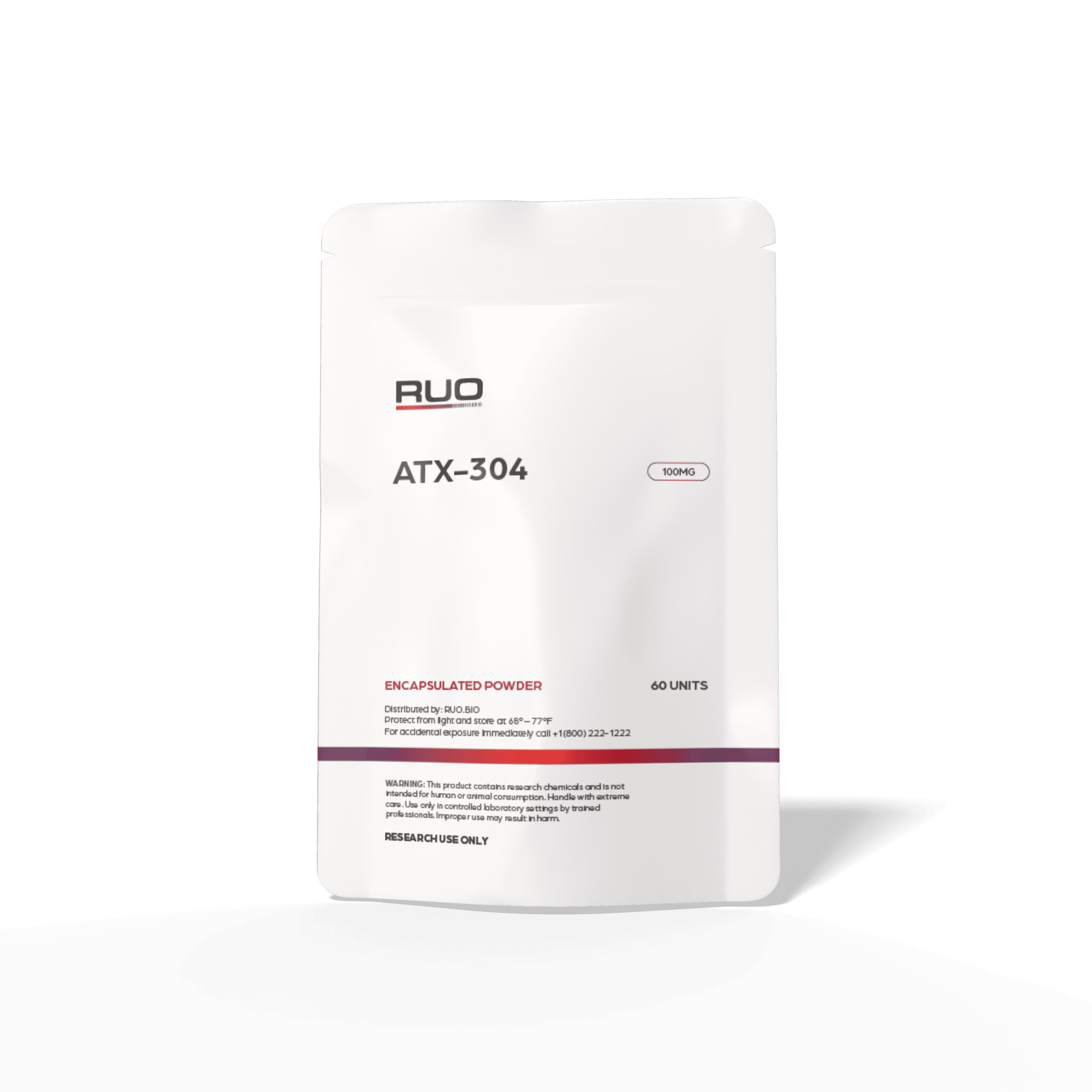
Suppliers
Vendors carrying ATX-304, with live product details and codes. Links are affiliate links that support the wiki at no cost to you.
| supplier | size | price | $/mg |
|---|---|---|---|
| RUOlowest | 100mg | $118.00 | $1.18/mg |
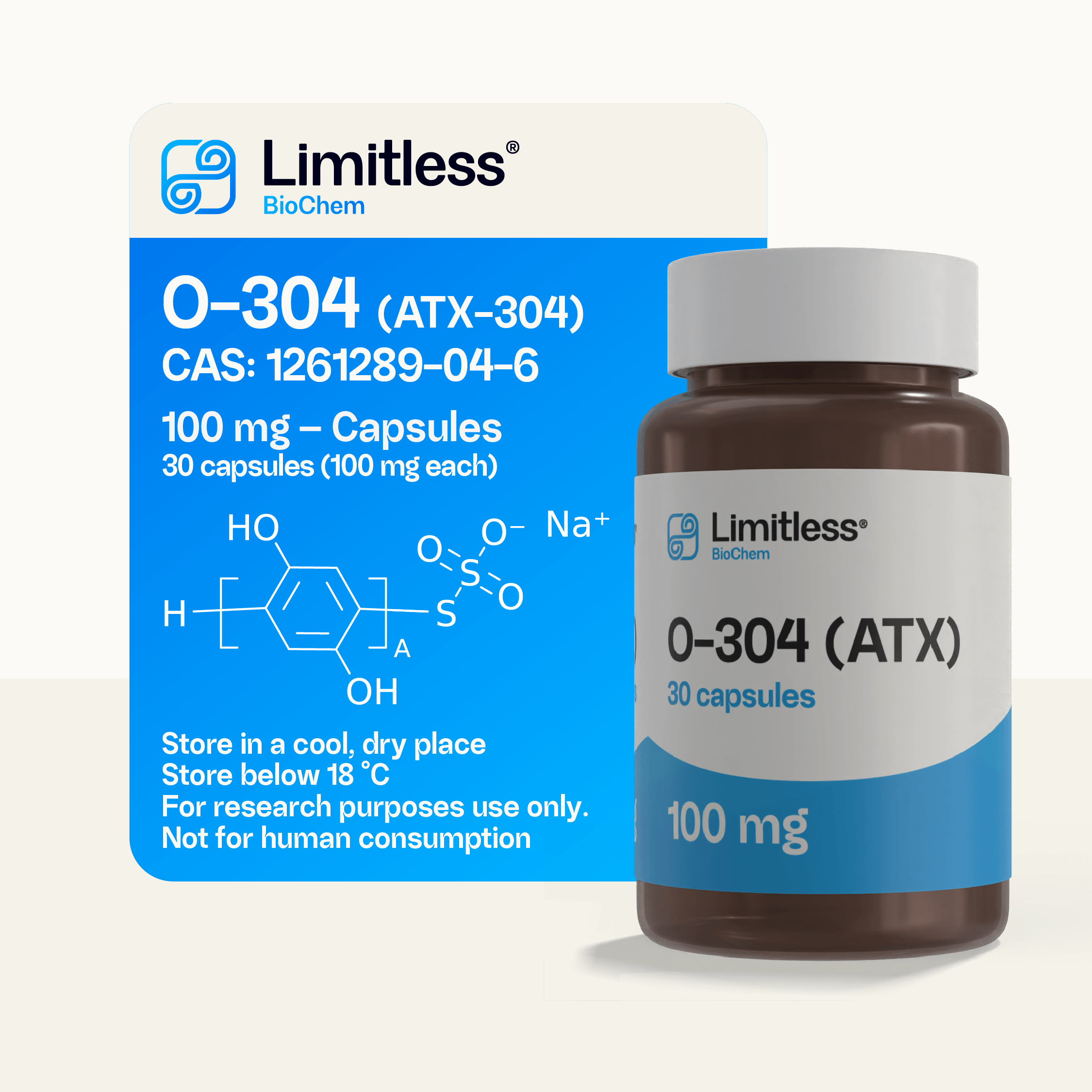
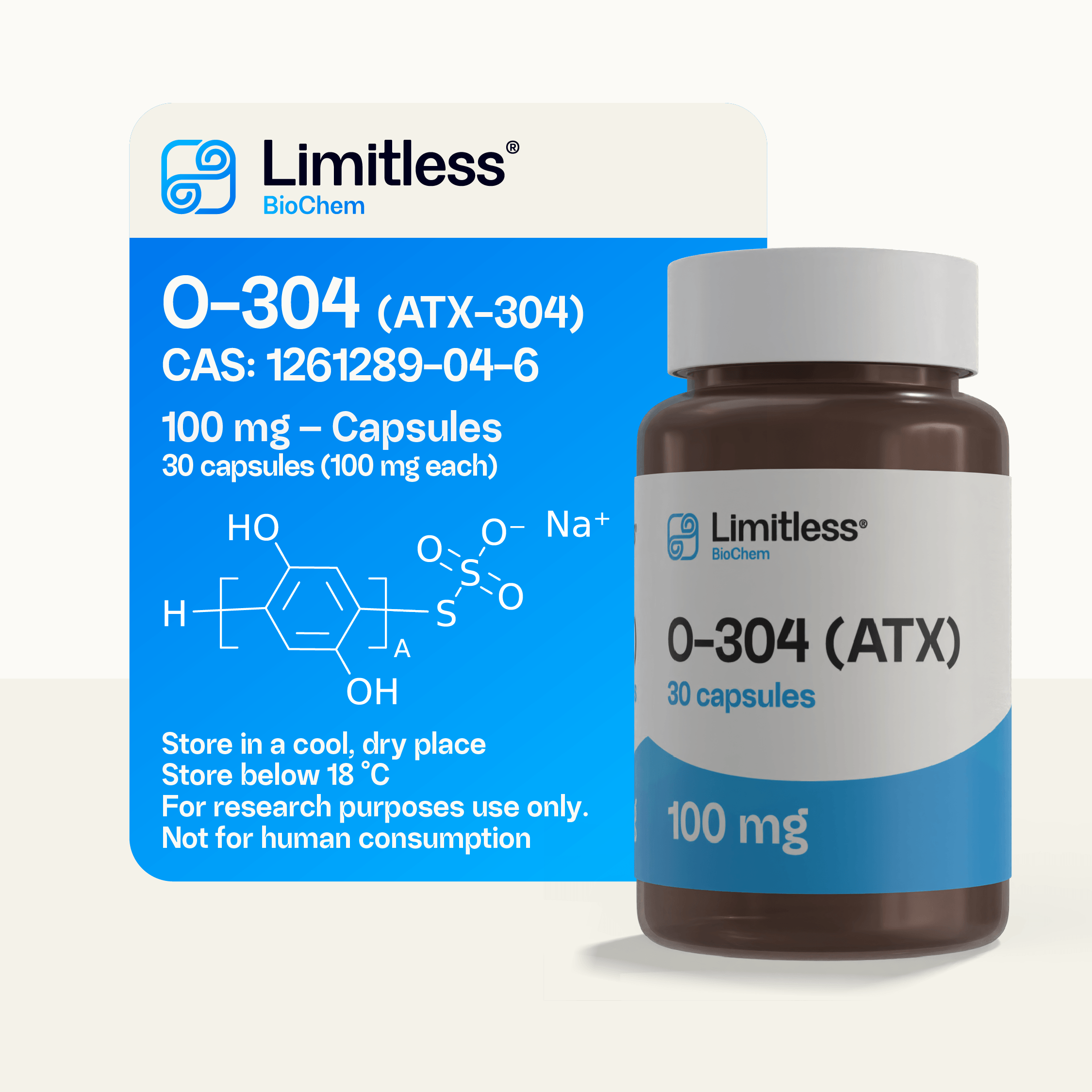
| Limitless Biochem | 100mg | $139.00 | $1.39/mg |
RUO
ATX-304
Limitless Biochem🌐
O-304
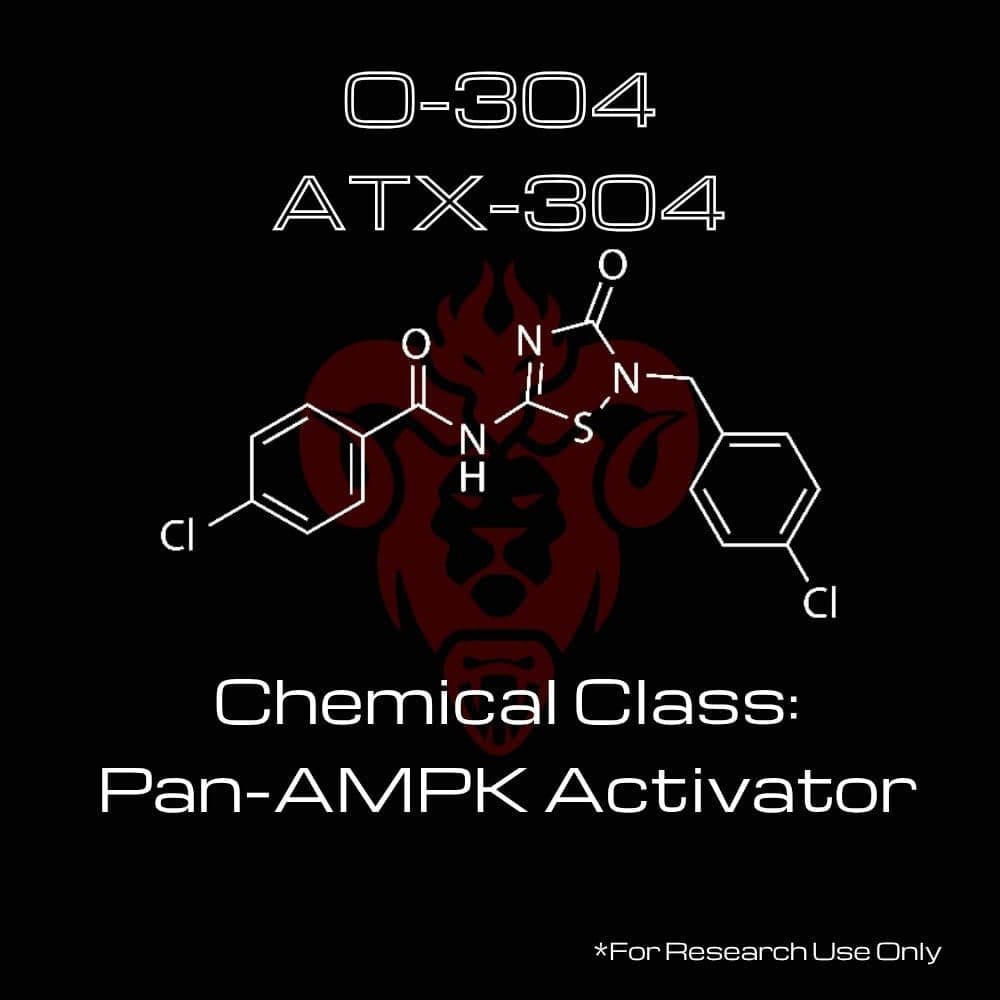
Kimera Chems
ATX-304
Research
- 2017first citedSystemic pan-AMPK activator MK-8722 improves glucose homeostasis but induces cardiac hypertroph…
- 2021most active year3 papers
- 2026most recentAMPK Activation by MK-8722 Measured with [(18)F]FDG-PET Imaging in Rodents and Non-Human Primat…
- 1.The AMPK activator ATX-304 alters cellular metabolism to protect against cisplatin-induced acute kidney injury.
- 2.AMPK activator ATX-304 reduces oxidative stress and improves MASLD via metabolic switching.
- 3.Systemic pan-AMPK activator MK-8722 improves glucose homeostasis but induces cardiac hypertrophy.
- 4.Structure-function analysis of the AMPK activator SC4 and identification of a potent pan AMPK activator.
- 5.PAN-AMPK activator O304 improves glucose homeostasis and microvascular perfusion in mice and type 2 diabetes patients.
- 6.AMPK activator O304 improves metabolic and cardiac function, and exercise capacity in aged mice.
- 7.Pan-AMPK activator O304 prevents gene expression changes and remobilisation of histone marks in islets of diet-induced obese mice.
- 8.O304 is a mitochondrial uncoupler which extends C. elegans lifespan and induces vasorelaxation of rat mesenteric arteries.
- 9.Pan AMPK activation protects tubules in rat ischemic acute kidney injury.
- 10.PAN-AMPK Activation Improves Renal Function in a Rat Model of Progressive Diabetic Nephropathy.
- 11.2-[2-(4-(trifluoromethyl)phenylamino)thiazol-4-yl]acetic acid (Activator-3) is a potent activator of AMPK.
- 12.MK8722, an AMPK activator, inhibiting carcinoma proliferation, invasion and migration in human pancreatic cancer cells.
14 listed here; entry last updated August 2026
Reviews
My notesprivate to this device
FAQ
What is ATX-304 used for?
It is a research compound studied for metabolic health and insulin sensitivity.
How does ATX-304 work?
Also called O304, it is a direct AMPK activator that mimics some effects of fasting and exercise.
Is ATX-304 well-researched?
It is largely at the research stage with limited human data available.
What are the main side effects?
With limited data, side effects are not well characterized; mild GI upset or fatigue are plausible.
Limitations of the evidence
- No human safety data; studied only in animals
- Related pan-AMPK activators enlarged the heart in animals
- Long-term effects unknown
Notes and cautions
- Available only as a research chemical