
spec sheet13 rows
Berberine is a bright-yellow isoquinoline alkaloid found in several plants, including barberry, goldenseal, and Chinese goldthread, and used for centuries in traditional Chinese and Ayurvedic medicine. Modern research has focused on its ability to lower blood sugar and improve cholesterol and other lipids, effects that work largely by activating the cellular energy sensor AMPK. It is widely sold as a dietary supplement, though its absorption is poor and it is not an approved drug in Western countries.
- one of the very few supplements with solid metabolic data
- lowers fasting glucose and flattens spikes after meals
- sharpens insulin sensitivity so cells respond properly
- brings down LDL cholesterol and triglycerides
- activates AMPK, the cell's master energy sensor
- modest waist support plus friendlier gut bacteria
- Gastrointestinal effects are most common, including constipation, diarrhea, cramping, and flatulence
- Can inhibit drug-metabolizing enzymes such as CYP3A4, raising the risk of interactions with other medications
- Used cautiously in people with G6PD deficiency due to a risk of red blood cell breakdown
Overview
Berberine is a naturally occurring alkaloid of the isoquinoline (protoberberine) group, carrying a quaternary ammonium structure and a distinctive bright yellow color that once made it useful as a dye for wool, leather, and wood [1]. It is found in the roots, rhizomes, stems, and bark of a number of plants, including Berberis species such as barberry, tree turmeric, and Oregon grape, as well as Coptis chinensis (Chinese goldthread) and Hydrastis canadensis (goldenseal) [1]. These berberine-containing plants have a long history in traditional Chinese and Ayurvedic medicine, where they were used particularly as antimicrobial and antidiarrheal remedies [1].
Contemporary interest in berberine centers on its effects on metabolism. Randomized controlled trials have shown that it lowers blood glucose and improves markers of insulin resistance in people with type 2 diabetes, and it also reduces triglycerides, total cholesterol, and LDL cholesterol [2]. A clinical trial in patients with type 2 diabetes and dyslipidemia found meaningful drops in fasting and post-meal glucose, HbA1c, and lipids over three months of treatment [2], and systematic reviews and meta-analyses pooling dozens of trials have concluded that berberine, particularly as an add-on to standard therapy, improves glycemic control, insulin sensitivity, and lipid profiles [3]. It has additionally been studied for non-alcoholic fatty liver disease and broader cardiometabolic conditions [4]. Because of these effects it is sometimes described in popular writing as a plant-derived alternative to metformin, although the clinical evidence base is smaller and more variable [3].
The metabolic actions of berberine are attributed largely to activation of AMP-activated protein kinase (AMPK), a master regulator of cellular energy balance [4]. Turning on AMPK improves the uptake and use of glucose, curbs the liver's production of glucose and fat, and helps lower circulating lipids; in liver studies berberine reduced fat accumulation by acting through the AMPK-SREBP-1c-SCD1 pathway [4]. A notable pharmacological quirk is that berberine is very poorly absorbed from the gut, so some of its benefits are thought to arise from actions in the intestine itself, including effects on the gut microbiome, rather than from high blood levels [1].
Berberine is sold as a dietary supplement, most often in capsules; in the United States it is not classified as generally recognized as safe and is not an approved drug, and regulators have issued warning letters over unsupported health claims, while in China purified berberine is available as an over-the-counter antidiarrheal [1]. Product quality can be inconsistent between brands [1]. Its most common side effects are gastrointestinal, including constipation, diarrhea, cramping, and flatulence [2]. Berberine can also interfere with drug-metabolizing enzymes such as CYP3A4, creating the potential for interactions with other medications, and it is generally avoided in pregnancy, breastfeeding, and newborns because it can displace bilirubin, as well as used cautiously in people with G6PD deficiency [1].
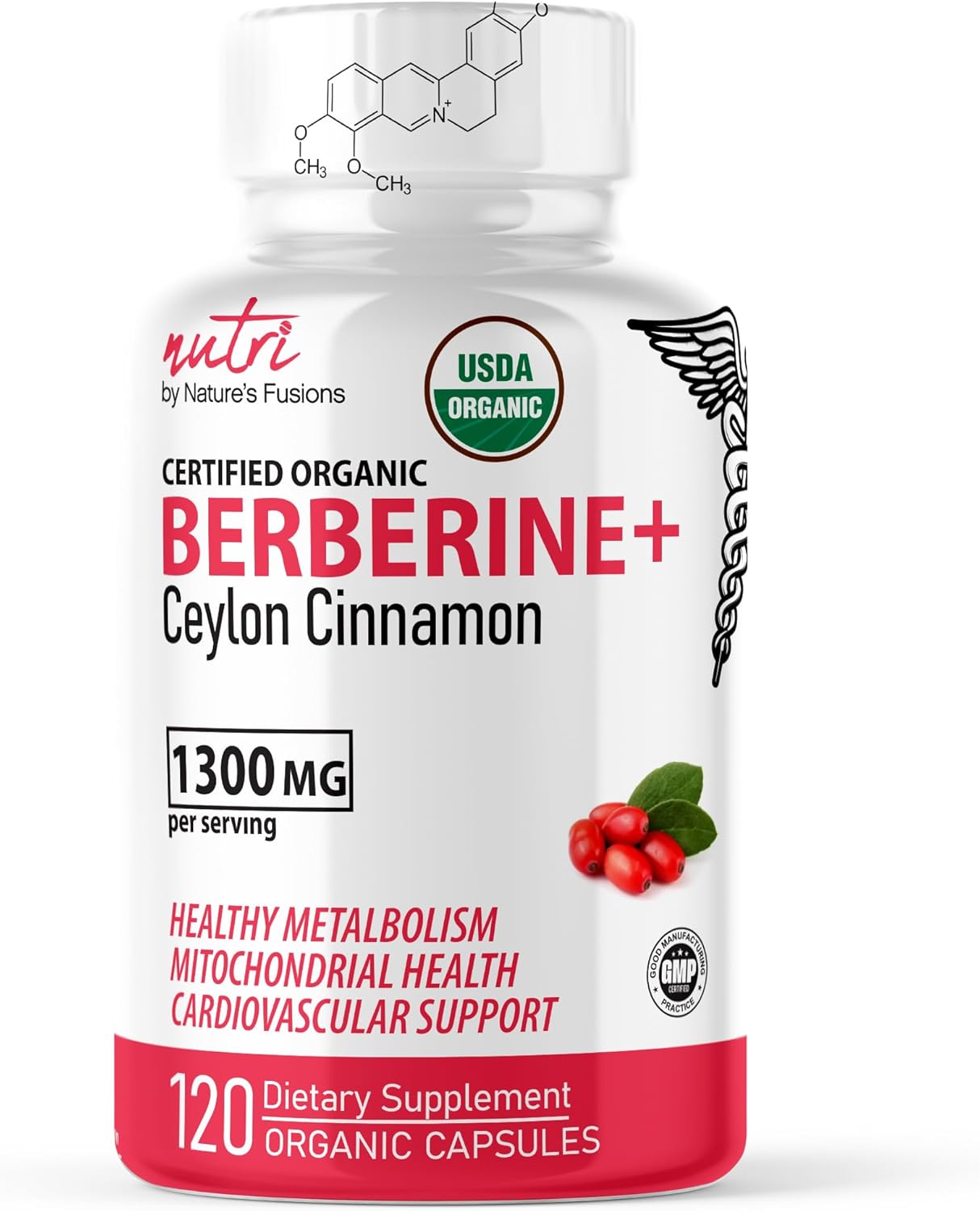
Mechanism
Berberine's best-documented mechanism is activation of AMP-activated protein kinase (), an enzyme that acts as the cell's fuel gauge and switches on energy-producing pathways while switching off energy-consuming ones [4]. By stimulating , berberine increases glucose uptake into cells, enhances sensitivity, and suppresses the liver's manufacture of glucose and fat; in models of fatty liver it lowered fat buildup by driving the AMPK-SREBP-1c-SCD1 signaling pathway, which reduces the synthesis of triglycerides [4]. These actions translate clinically into lower blood glucose, improved resistance, and reductions in triglycerides and LDL cholesterol, as seen in controlled trials and meta-analyses [2][3].
Berberine is also an antimicrobial, which underlies its traditional use against diarrhea and its influence on the community of bacteria living in the gut [1]. An important feature of its pharmacology is very low oral : only a small fraction is absorbed into the bloodstream, so a meaningful part of its metabolic effect is believed to originate in the intestine and its microbiome rather than from systemic drug levels [1]. This poor absorption, together with its inhibition of enzymes such as CYP3A4, also shapes its side-effect and drug-interaction profile [1][2].
receptor fingerprint
activates
Hepatic glucose productionreduces
Hepatic LDL receptorsupregulates
Gut microbiomemodulates
Dosingtypical ranges, not medical advice
interested in protocols and clinical dosages? make an account to see them! ^_^
Safetyrisks and cautions, not medical advice
The most common issues are gastrointestinal: cramping, diarrhea, constipation, and nausea, usually dose-related and eased by splitting doses. It's a potent inhibitor of CYP3A4 and P-glycoprotein, so it can raise levels of many medications, making drug interactions a real concern. It can also cause hypoglycemia when combined with other glucose-lowering agents, and it should be avoided in pregnancy and in newborns because it can displace bilirubin.
Where to buy
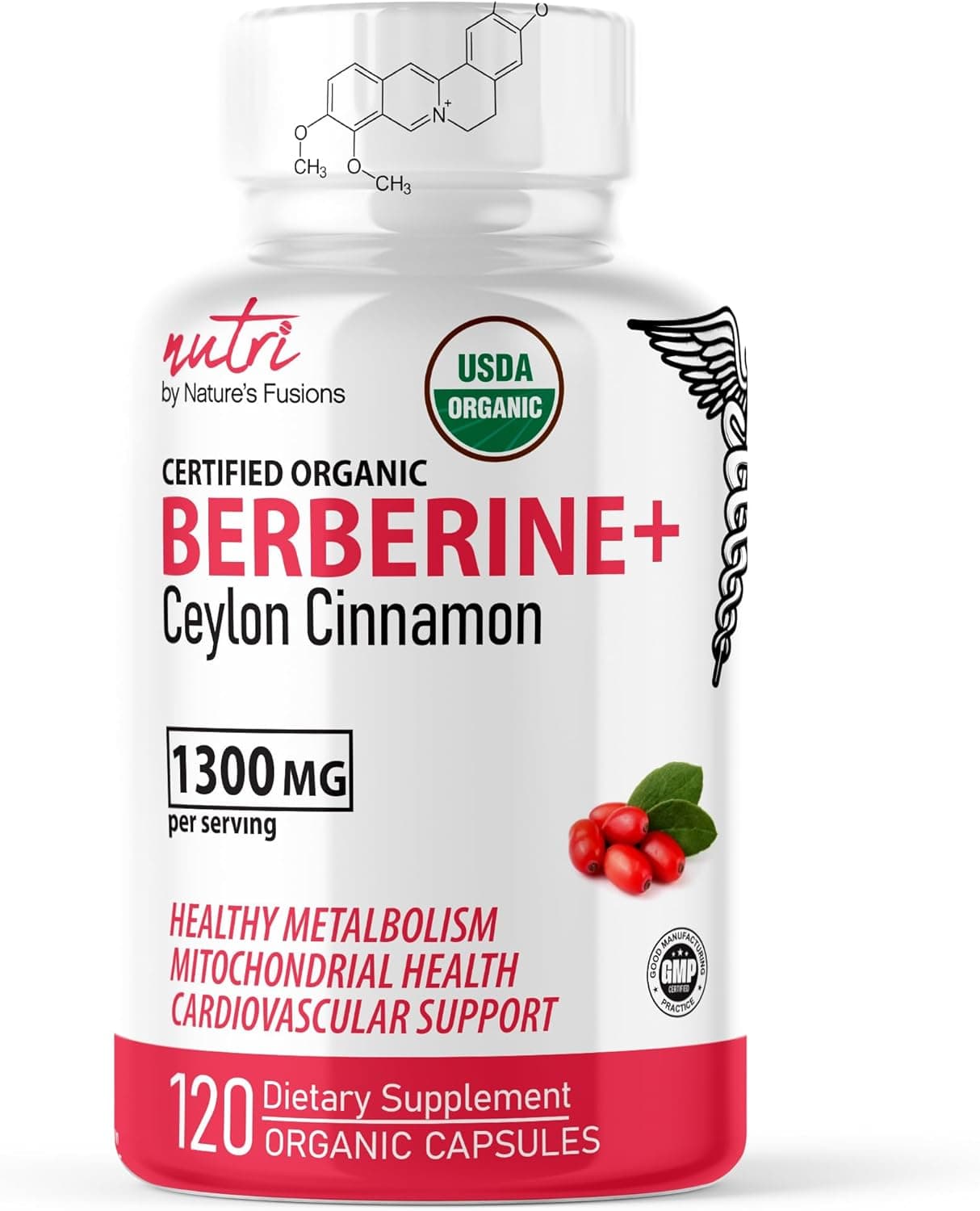
Suppliers
Vendors carrying Berberine, with live product details and codes. Links are affiliate links that support the wiki at no cost to you.
Amazon
Berberine
Research
- 2008first citedTreatment of type 2 diabetes and dyslipidemia with the natural plant alkaloid berberine
- 2021most recentThe Effect of Berberine on Metabolic Profiles in Type 2 Diabetic Patients: A Systematic Review…
- 1.Berberine and Its Role in Chronic Disease
- 2.Treatment of type 2 diabetes and dyslipidemia with the natural plant alkaloid berberine
- 3.The Effect of Berberine on Metabolic Profiles in Type 2 Diabetic Patients: A Systematic Review and Meta-Analysis of Randomized Controlled Trials
- 4.Berberine attenuates nonalcoholic hepatic steatosis through the AMPK-SREBP-1c-SCD1 pathway
4 listed here; entry last updated August 2026
Reviews
My notesprivate to this device
FAQ
Is berberine really nature's metformin?
They share AMPK activation and similar glucose effects, but the nickname oversells it. Metformin has far more outcome data; berberine is a useful supplement, not a drug replacement.
Why do I take it three times a day?
Its half-life is short and absorption is poor, so splitting doses with meals keeps levels steady and helps blunt post-meal glucose.
Why does it upset my stomach?
GI cramping and diarrhea are the most common side effects, especially at higher single doses. Splitting doses and taking it with food helps.
Can I take it with my medications?
Be careful. Berberine inhibits CYP3A4 and P-gp, so it can raise levels of many drugs. Check with a pharmacist, especially with statins, blood thinners, or other glucose-lowering meds.
Does it help with weight loss?
Effects are modest and mostly tied to improved metabolism and blood sugar, not dramatic fat loss on its own.
Adverse effects
- Gastrointestinal effects are most common, including constipation, diarrhea, cramping, and flatulence
- Can inhibit drug-metabolizing enzymes such as CYP3A4, raising the risk of interactions with other medications
- Used cautiously in people with G6PD deficiency due to a risk of red blood cell breakdown
Notes and cautions
- Generally avoided in pregnancy, breastfeeding, and newborns because it can displace bilirubin
- Sold as a supplement, so purity and content can vary between products