
spec sheet10 rows
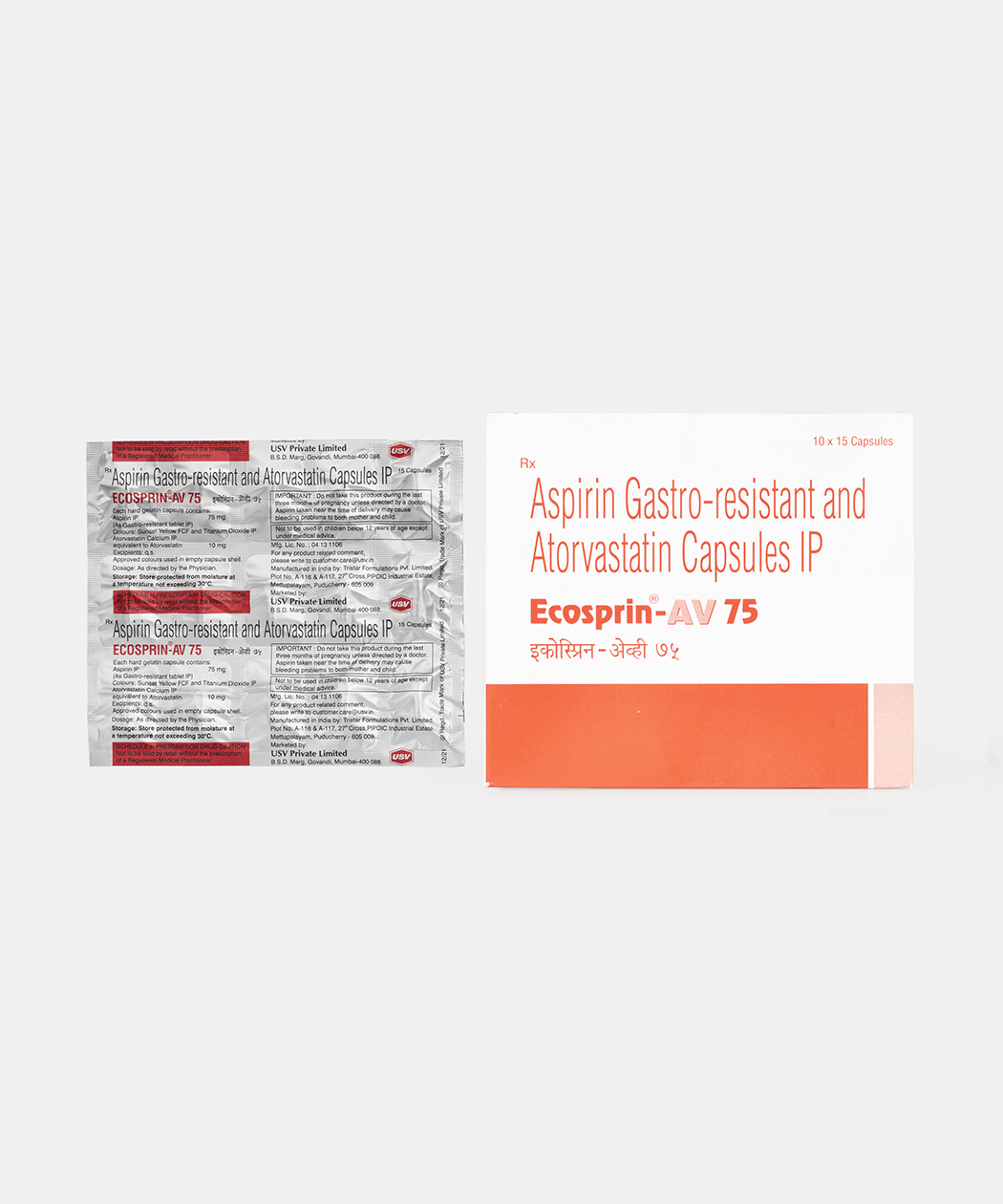
Aspirin + Atorvastatin is a fixed-dose combination medicine that pairs low-dose aspirin, an antiplatelet drug, with atorvastatin, a cholesterol-lowering statin. It is used mainly to prevent cardiovascular events such as heart attacks and strokes in people who already have, or are at high risk of, cardiovascular disease. Combining the two drugs in a single pill is intended to simplify treatment and improve adherence, and such fixed-dose combinations underpin the wider polypill approach to cardiovascular prevention.
- two of cardiology's most proven drugs in one daily tablet
- thins the blood and drops LDL cholesterol at the same time
- built to cut the risk of heart attack and stroke
- stabilises artery plaque while it keeps clots from forming
- the evidence behind both halves is as strong as heart medicine gets
- one pill a day is far easier to actually keep taking
- Stomach irritation or heartburn from aspirin
- Increased risk of bleeding or bruising
- Rise in liver enzymes
Overview
This product combines two established cardiovascular medicines with complementary actions. Aspirin (acetylsalicylic acid) reduces the tendency of blood platelets to clump and form clots, while atorvastatin lowers LDL cholesterol by blocking a key liver enzyme in cholesterol production. [4] Delivering both in one tablet targets two of the main drivers of heart attack and stroke, clot formation and high cholesterol, at the same time.
The rationale for a fixed-dose combination is largely practical. People at risk of cardiovascular disease are often prescribed several preventive medicines, and taking many separate pills can reduce adherence. Bundling aspirin and a statin into a single daily tablet is meant to make long-term prevention easier to follow. [1]
Much of the outcome evidence comes from polypill trials, in which aspirin and atorvastatin are combined with blood-pressure medicines in one pill. An early placebo-controlled trial showed that such a combination modestly lowered blood pressure and LDL cholesterol in people without established disease. [3] Larger and longer trials followed: in the PolyIran-Liver study, a fixed-dose combination containing aspirin and atorvastatin reduced major cardiovascular events over five years, [1] and a related analysis found a similar benefit in people with fatty liver disease. [2]
The individual components are among the best-studied cardiovascular drugs. Statin therapy, including atorvastatin, has repeatedly been shown in large trials to cut the risk of heart attacks and strokes, with benefits that outweigh the risks for appropriate patients, [4] while low-dose aspirin has a long-established role in preventing clot-related events, particularly in people who already have cardiovascular disease.
Aspirin plus atorvastatin combinations are prescription medicines used under medical supervision. Because aspirin carries a bleeding risk, the balance of benefit and harm depends on a person's individual cardiovascular and bleeding risk, and routine aspirin use is now generally reserved for secondary prevention rather than for everyone. A fixed-dose combination is not suitable when the doses of the individual drugs need to be adjusted separately.
- The idea of combining a statin and aspirin into one pill traces to a 2003 polypill proposal that provocatively suggested such a combination could cut cardiovascular disease by a large margin across a population.
- Much of the benefit seen with fixed-dose cardiovascular combinations comes not from any new pharmacology but simply from patients taking their medicines more consistently when the pill burden is reduced.
Mechanism
The two ingredients act through separate, complementary pathways. Aspirin irreversibly inhibits the enzyme cyclooxygenase-1 (COX-1) in platelets, which blocks production of thromboxane A2, a signal that makes platelets aggregate; because platelets cannot make new enzyme, a low dose keeps them from clumping for their whole lifespan, reducing the formation of artery-blocking clots.
Atorvastatin competitively inhibits HMG-CoA reductase, the rate-limiting enzyme of cholesterol synthesis in the liver, which prompts liver cells to take up more LDL cholesterol from the blood and lowers circulating LDL. [4] Statins additionally reduce inflammation within artery walls and help stabilize fatty plaques. [4] Together, the antiplatelet effect of aspirin and the lipid-lowering and plaque-stabilizing effects of atorvastatin address complementary mechanisms of heart attack and stroke, which is the basis for combining them. [1]
receptor fingerprint
Cyclooxygenase-1 (aspirin)inhibits
HMG-CoA reductase (atorvastatin)inhibits
Platelet aggregationblocks
Hepatic LDL receptorsactivates
Atherosclerotic plaque inflammationmodulates
Dosingtypical ranges, not medical advice
interested in protocols and clinical dosages? make an account to see them! ^_^
Safetyrisks and cautions, not medical advice
This combination pill is for people who need both long-term antiplatelet and cholesterol protection, and each part has its own cautions. Aspirin can irritate the stomach and cause ulcers or bleeding, easy bruising, and it is avoided in people with active bleeding or aspirin allergy. Atorvastatin can cause muscle aches and, rarely, serious muscle breakdown, and it can raise liver enzymes, so muscle pain and liver tests are watched. Large amounts of grapefruit and certain drugs that block its metabolism can push statin levels up. It is not used in pregnancy.
History
The pairing of aspirin and atorvastatin in a single pill reflects the polypill concept, popularized by Wald and Law in a 2003 proposal that combining several cardiovascular medicines could sharply reduce heart attacks and strokes at the population level. Its two components have long, separate histories: aspirin, or acetylsalicylic acid, was introduced by Bayer in 1899 and later found to protect against clots, while atorvastatin, marketed as Lipitor by Warner-Lambert and Pfizer, was approved in the United States in 1996 and became one of the best-selling drugs ever.
Fixed-dose combination products bringing the two together arrived more recently as part of the broader push toward simplified cardiovascular prevention. The strategy gained further support from the SECURE trial, published in 2022, which showed that a polypill improved outcomes in patients after myocardial infarction, in part through better adherence.
Reputation
The aspirin plus atorvastatin combination is well regarded for tackling two distinct drivers of cardiovascular events at once, blocking platelet clumping while lowering LDL cholesterol and calming arterial inflammation. Its principal appeal is simplicity: consolidating pills tends to improve adherence, which itself translates into fewer heart attacks and strokes in high-risk patients. Cardiologists appreciate that both ingredients rest on decades of robust outcome evidence in secondary prevention. As with the components individually, honest use means weighing aspirin's bleeding risk and monitoring for the muscle and liver effects occasionally seen with statins, so the fixed combination is best suited to those for whom both drugs are already indicated.
Subjective profileweighing the evidence above
A sensible pill for someone who already needs both drugs; the evidence behind each half is about as strong as cardiovascular medicine gets, and one tablet beats two for actually taking it. It is not preventive medicine for healthy people, though, since aspirin's bleeding risk only pays off when baseline risk is genuinely high.
Where to buy
Suppliers
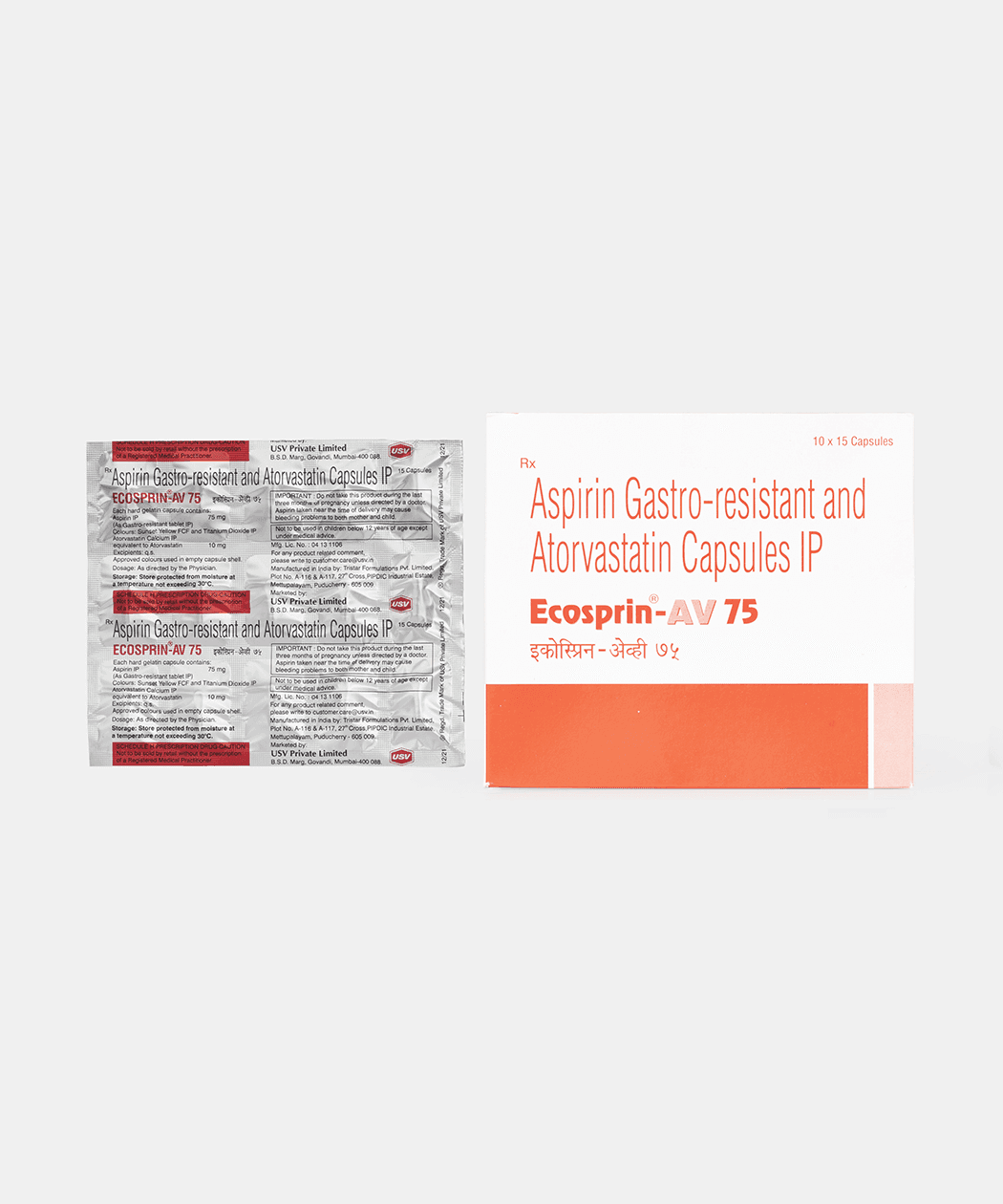
Vendors carrying Aspirin + Atorvastatin, with live product details and codes. Links are affiliate links that support the wiki at no cost to you.
PCT.Zone
Aspirin + Atorvastatin
Research
- 2010first citedA pilot double-blind randomised placebo-controlled trial of the effects of fixed-dose combinati…
- 2023most recentPolypill protects MAFLD patients from cardiovascular events and mortality: a prospective trial
- 1.Polypill for prevention of cardiovascular diseases with focus on non-alcoholic steatohepatitis: the PolyIran-Liver trial
- 2.Polypill protects MAFLD patients from cardiovascular events and mortality: a prospective trial
- 3.A pilot double-blind randomised placebo-controlled trial of the effects of fixed-dose combination therapy (polypill) on cardiovascular risk factors
- 4.Interpretation of the evidence for the efficacy and safety of statin therapy
- 5.Polypill Strategy in Secondary Cardiovascular Prevention.
5 listed here; entry last updated August 2026
Reviews
My notesprivate to this device
FAQ
Why combine aspirin and a statin in one pill?
People with cardiovascular disease often need both an antiplatelet and a cholesterol-lowering drug, and one pill improves convenience and adherence.
When should I take the statin part?
Atorvastatin can be taken at any time of day, though evening dosing is common; take aspirin with food to protect your stomach.
What are the warning signs to watch for?
Report unexplained muscle pain or weakness and any signs of bleeding such as black stools or easy bruising.
Can I eat grapefruit?
Large amounts of grapefruit can raise atorvastatin levels and side-effect risk, so it is best limited.
Is this for prevention or treatment?
It is mainly used for secondary prevention, meaning protecting people who already have heart or artery disease from another event.
Adverse effects
- Stomach irritation or heartburn from aspirin
- Increased risk of bleeding or bruising
- Rise in liver enzymes
Notes and cautions
- Muscle aches from the statin
- Small increase in type 2 diabetes risk
- Not suitable if the two doses need separate adjustment
- Avoid large amounts of grapefruit juice