

spec sheet10 rows
Garlic extract is a concentrated preparation made from garlic (Allium sativum), a pungent bulb of the onion family that has served as both food and folk remedy for thousands of years. Its characteristic chemistry comes from sulfur-containing compounds, most notably allicin, which forms when the bulb is crushed [2]. Sold in forms such as garlic powder, garlic oil, and aged garlic extract, it is marketed as a dietary supplement, with research focusing chiefly on modest effects on blood pressure, cholesterol, and immunity [1].
- One of the most evidence backed heart herbs
- Modest but real blood pressure reduction
- Nudges cholesterol in the right direction
- Antiplatelet and antioxidant sulfur chemistry from allicin
- Immune and antimicrobial support, food safe and cheap
- Aged garlic extract is the standardized form to pick
- Heartburn or digestive upset
- May add to bleeding risk with blood thinners
- Occasional allergic skin reaction
Overview
Garlic extract refers to a range of concentrated products derived from garlic, Allium sativum, a bulb-forming plant of the onion family that is cultivated worldwide as a seasoning and traditional remedy. The extracts are prepared from the cloves in several ways: by drying and powdering, by steam distillation to yield garlic oil, by soaking in oil or alcohol, or by aging sliced garlic in dilute ethanol over many months to produce what is known as aged garlic extract. Because each method captures a different mixture of compounds, the resulting preparations differ substantially in composition and in odor.
The biological interest in garlic centers on its organosulfur chemistry [2][3]. Intact cloves store an odorless amino-acid derivative called alliin (S-allyl cysteine sulfoxide); when the tissue is crushed or chewed, alliin meets the enzyme alliinase and is converted into allicin, the reactive, sharp-smelling molecule responsible for garlic's pungency. Allicin is chemically unstable and quickly breaks down into a family of secondary sulfur compounds, among them diallyl disulfide, diallyl trisulfide, ajoene, and the vinyldithiins. Aged garlic extract, by contrast, contains very little allicin and is instead rich in stable, water-soluble organosulfur compounds such as S-allylcysteine and S-allylmercaptocysteine [3].
Garlic carries an exceptionally long record of culinary and medicinal use; classical writers including Pliny the Elder catalogued many conditions for which it was recommended, and it appears throughout the folk medicine of numerous cultures. In modern commerce it is sold as a dietary supplement in the form of tablets, capsules, softgels, and powders, frequently standardized to a stated allicin potential or to the content of particular sulfur compounds. It is also consumed in large amounts simply as a food.
Contemporary research has examined garlic preparations chiefly for cardiovascular and immune-related effects [1][4]. Meta-analyses of randomized trials indicate that garlic supplements can produce modest reductions in blood pressure, an effect that tends to be larger in people who are hypertensive at the outset than in those with normal readings [1][4]. Reviews also report small reductions in total and LDL cholesterol among people with mildly elevated levels, together with effects on immune-cell activity and a possible shortening of the frequency and duration of common colds [1]. Laboratory studies additionally describe antioxidant and antimicrobial activity, particularly for aged garlic extract [3]. Across this literature the effects seen in humans are generally modest, and reviewers commonly call for longer trials that measure hard clinical outcomes [1].
Garlic and its extracts are treated as foods and dietary supplements rather than as medicines, and they are widely available without prescription. They are generally well tolerated, the most common complaints being breath and body odor, heartburn, and digestive upset. Because garlic can reduce the tendency of platelets to clump together, concentrated supplements may add to the effect of anticoagulant or antiplatelet medicines, a point of caution around surgery [1].

Mechanism
Garlic's effects are attributed mainly to its organosulfur compounds and the reactions they undergo [2][3]. The signature transformation happens when the tissue is damaged: the enzyme alliinase converts stored alliin into allicin, which then decomposes into lipid-soluble sulfur compounds such as diallyl disulfide, diallyl trisulfide, and ajoene and, in aged preparations, into water-soluble species such as S-allylcysteine [2][3]. Several of these compounds can release or generate hydrogen sulfide and can interact with protein thiol groups, which is one proposed route by which garlic relaxes blood vessels and modestly lowers blood pressure [1].
In laboratory systems the sulfur compounds and aged garlic extract behave as antioxidants, scavenging reactive oxygen species, supporting the cell's own antioxidant enzymes, and hindering the oxidation of low-density lipoprotein, a step in the development of atherosclerosis [3]. Garlic constituents also appear to reduce platelet clumping and to influence cholesterol synthesis, and they show antimicrobial and immune-modulating activity in experimental studies, including increased activity of macrophages and natural killer cells [1][3]. The relative importance of each compound and pathway in humans remains incompletely resolved, partly because the various preparations differ so widely in their chemistry [1].
receptor fingerprint
/ vascular toneenhances
Blood lipidsimproves
Platelet aggregationinhibits
Immune cellsmodulates
Microbesinhibits
Dosingtypical ranges, not medical advice
interested in protocols and clinical dosages? make an account to see them! ^_^
Safetyrisks and cautions, not medical advice
Well tolerated overall; the main issues are breath and body odor, GI upset, and heartburn, especially with fresh garlic or allicin. Its antiplatelet effect can increase bleeding risk, so caution is warranted with blood thinners and before surgery. It can also interact with some HIV medications by affecting drug metabolism.
Subjective profileweighing the evidence above
One of the more evidence-backed heart-health herbs; modest but real effects, and standardized aged garlic extract is the form to lean toward.
Where to buy
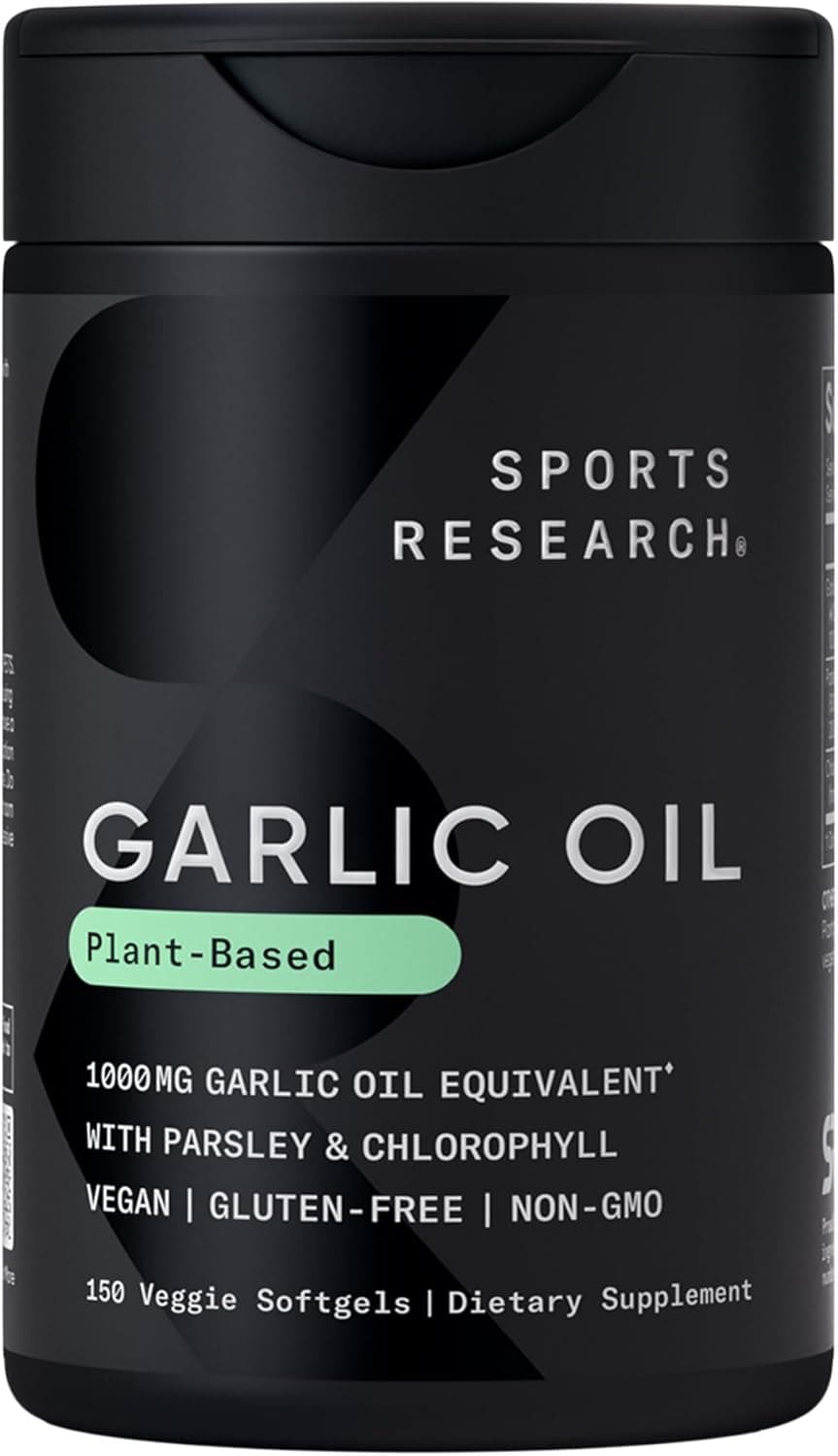
Suppliers
Vendors carrying Garlic Extract, with live product details and codes. Links are affiliate links that support the wiki at no cost to you.
Amazon
Garlic Extract
Research
- 2001first citedAntioxidant health effects of aged garlic extract
- 2016most recentGarlic lowers blood pressure in hypertensive individuals, regulates serum cholesterol, and stim…
- 1.Garlic lowers blood pressure in hypertensive individuals, regulates serum cholesterol, and stimulates immunity: an updated meta-analysis and review
- 2.Biosynthesis of the flavour precursors of onion and garlic
- 3.Antioxidant health effects of aged garlic extract
- 4.Effects of garlic on blood pressure in patients with and without systolic hypertension: a meta-analysis
4 listed here; entry last updated August 2026
Reviews
My notesprivate to this device
FAQ
Is aged garlic extract better than fresh garlic?
For supplements, aged garlic extract is standardized, odorless, and rich in stable S-allylcysteine, which many people prefer. Fresh garlic gives more allicin but also more odor and GI effects.
Does garlic really lower blood pressure?
Yes, meta-analyses show a modest but real reduction, especially in people with elevated blood pressure. It is not a replacement for medication when one is needed.
Can I take garlic with blood thinners?
Be cautious. Garlic has antiplatelet activity that can add to bleeding risk, so check with your doctor if you are on anticoagulants or facing surgery.
How do I avoid garlic breath?
Aged garlic extract or enteric-coated capsules greatly reduce the odor compared with fresh garlic or raw allicin products.
Adverse effects
- Heartburn or digestive upset
- May add to bleeding risk with blood thinners
- Occasional allergic skin reaction
Notes and cautions
- Breath and body odor