
spec sheet13 rows
Vitamin E is the collective name for a group of eight fat-soluble compounds, four tocopherols and four tocotrienols, of which alpha-tocopherol is the form the body preferentially retains and the one with the greatest vitamin activity. Its principal role is as a lipid-soluble antioxidant that protects cell membranes from damage by free radicals. Vitamin E is found in vegetable oils, nuts, seeds, and green vegetables, and dietary deficiency is rare, usually resulting from disorders of fat absorption rather than low intake.
- the body's main fat-soluble antioxidant for cell membranes
- shields membrane lipids from free radical damage
- supports skin and immune function
- alpha-tocopherol is the form the body keeps and uses
- works alongside the other antioxidants in the diet
- modest doses and food sources do the real work
- Very high doses may interfere with blood clotting
- An upper intake limit is set for supplements
- High-dose supplements may raise all-cause mortality
Overview
Vitamin E is not a single substance but a group of eight related molecules: four tocopherols and four tocotrienols. Alpha-tocopherol is the form the human body retains most effectively, largely because a liver protein called alpha-tocopherol transfer protein selectively binds it and returns it to the circulation [1]. Each molecule combines a chromanol ring, which carries the hydroxyl group responsible for antioxidant activity, with a long fatty tail that anchors it within lipid membranes. The natural form, RRR-alpha-tocopherol, differs from the synthetic all-rac mixture produced industrially, and both are often sold as more stable esters such as the acetate [1].
Alpha-tocopherol is concentrated in plant oils, particularly wheat germ, sunflower, and safflower oils, and is also supplied by nuts, seeds, and leafy greens. Vitamin E was discovered in the 1920s as a dietary factor necessary for reproduction in rats, which gave the tocopherols their name; alpha-tocopherol was later identified as the principal active member of the group.
In the body, alpha-tocopherol acts as a chain-breaking antioxidant, interrupting the self-propagating oxidation of polyunsaturated fats in cell membranes and lipoproteins [1]. Frank deficiency is uncommon and usually arises from disorders of fat absorption or from rare genetic conditions affecting the transfer protein; when it occurs it can produce neurological problems such as loss of coordination and nerve damage. Because the vitamin is fat-soluble and stored in tissues, everyday dietary intake is generally sufficient for most people.
Interest in alpha-tocopherol as a preventive supplement grew from the idea that curbing oxidative damage might reduce heart disease and cancer, but large randomized trials have tempered these expectations. In a trial of male smokers, alpha-tocopherol did not lower lung cancer rates and was associated with more deaths from hemorrhagic stroke [2]. A separate trial in women found no reduction in cancer incidence or mortality [5]. A pooled analysis of many trials suggested that high-dose supplementation could slightly increase all-cause mortality [3], and a large prostate cancer prevention trial reported that vitamin E supplementation actually raised prostate cancer risk in healthy men [4]. Taken together, this evidence has moved expert opinion away from routine high-dose supplementation.
Alpha-tocopherol is regulated as a nutrient and dietary supplement rather than a drug, with recommended intakes set for adults and an upper limit to guard against excess [3]. It is available as natural (RRR) or synthetic (all-rac) alpha-tocopherol, commonly in ester forms such as alpha-tocopheryl acetate, and appears in multivitamins, standalone capsules, fortified foods, and topical skin products.

Mechanism
Vitamin E acts principally as a chain-breaking antioxidant within the lipid environment of the body [2]. Cell membranes and circulating lipoproteins are rich in polyunsaturated fatty acids that are vulnerable to lipid peroxidation, a self-propagating chain reaction in which free radicals attack fatty acids and generate further radicals [2]. Alpha-tocopherol, positioned within these membranes, donates a hydrogen atom from its chromanol ring to a lipid radical, converting the reactive species into a more stable form and interrupting the chain before it can damage the membrane [2].
The resulting tocopheroxyl radical can be regenerated to active vitamin E by other antioxidants such as vitamin C, allowing it to function repeatedly [2]. This membrane-protective activity is especially important in the nervous system, which is why the clearest consequences of deficiency are neurological [2]. The body maintains alpha-tocopherol at controlled concentrations through a specific liver transfer protein that preferentially selects this form for redistribution, while other tocopherols are largely metabolized and excreted [1].
receptor fingerprint
Lipid peroxidationinhibits
Free radical scavengingantioxidant
Immune cell membranesprotects
Platelet aggregationinhibits
Dosingtypical ranges, not medical advice
interested in protocols and clinical dosages? make an account to see them! ^_^
Safetyrisks and cautions, not medical advice
At normal doses vitamin E is safe, but high-dose alpha-tocopherol has been associated in some analyses with increased bleeding risk and, in certain trials, higher overall mortality or prostate cancer risk, so megadosing is discouraged. It can thin the blood, which matters with anticoagulants or before surgery. Food and modest doses are the safer route.
Interactionsdocumented pairs only, not exhaustive
Tocotrienol forms of vitamin E activate the steroid and xenobiotic receptor and alter drug metabolism in a tissue-specific manner. In hepatocytes, tocotrienols increase CYP3A4 expression, while in the intestine they induce MDR1 and UGT1A1 expression; this is a pharmacodynamic interaction affecting the clearance of drugs metabolized by these pathways [9]. The clinical relevance of these effects at typical supplement doses with most medications remains unstudied. Vitamin E accumulation over time carries a small risk of toxicity due to its fat-soluble nature, but specific interactions with anticoagulants, statins, and other common drugs have not been formally documented in clinical trials.
Checking a whole stack? Run it through interactions + stacks.
Subjective profileweighing the evidence above
A real antioxidant that is better from food or modest doses; the high-dose longevity story did not pan out.
Where to buy
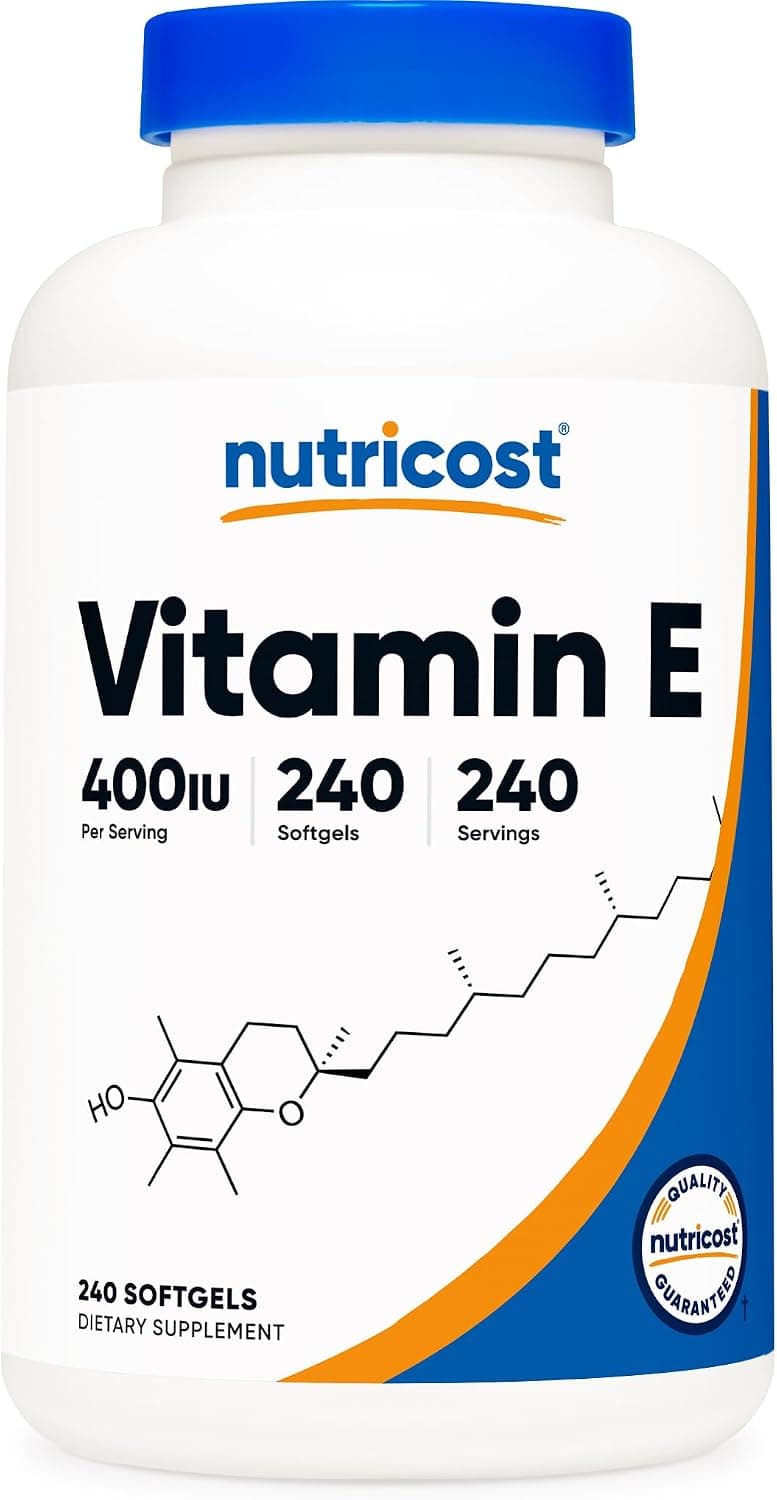
Suppliers
Vendors carrying Vitamin E, with live product details and codes. Links are affiliate links that support the wiki at no cost to you.
Amazon
Vitamin E
Research
- 1994first citedThe effect of vitamin E and beta carotene on the incidence of lung cancer and other cancers in…
- 2023most recentVitamin E and Multiple Health Outcomes: An Umbrella Review of Meta-Analyses
- 1.Vitamin E regulation
- 2.Vitamin E and neurodegeneration
- 3.Vitamin E and Multiple Health Outcomes: An Umbrella Review of Meta-Analyses
- 4.Absorption, transport, and tissue delivery of vitamin E
- 5.The effect of vitamin E and beta carotene on the incidence of lung cancer and other cancers in male smokers
- 6.Meta-analysis: high-dosage vitamin E supplementation may increase all-cause mortality
- 7.Vitamin E and the risk of prostate cancer: the Selenium and Vitamin E Cancer Prevention Trial (SELECT)
- 8.Vitamins C and E and beta carotene supplementation and cancer risk: a randomized controlled trial
- 9.Tocotrienols activate the steroid and xenobiotic receptor, SXR, and selectively regulate expression of its target genes.
9 listed here; entry last updated August 2026
Reviews
My notesprivate to this device
FAQ
Should I take high-dose vitamin E?
Probably not. Large trials failed to show benefit and high doses carry some risk; modest doses or food are better.
What are mixed tocopherols?
A blend of the different vitamin E forms, closer to what you get from food than isolated alpha-tocopherol.
Does vitamin E thin the blood?
At high doses it can, which matters if you take anticoagulants or are having surgery.
Is vitamin E good for skin?
It supports skin as a membrane antioxidant, and it is common in topical products, though oral megadosing is not necessary.
What's the difference between natural and synthetic?
Natural (d-alpha, or RRR-) is more bioavailable than synthetic (dl-alpha), so you need less of it.
Are mixed tocopherols better?
Many people prefer them because high-dose isolated alpha-tocopherol can lower gamma-tocopherol levels.
Can it thin my blood?
At high doses it can increase bleeding risk, so be careful if you take anticoagulants or before surgery.
Can I just get it from food?
Yes; nuts, seeds, and vegetable oils are rich sources, and food is the safest way to meet your needs.
Adverse effects
- Very high doses may interfere with blood clotting
- An upper intake limit is set for supplements
- High-dose supplements may raise all-cause mortality
- High doses linked to increased prostate cancer risk in one large trial
- May increase bleeding risk, especially with anticoagulants
- Associated with more hemorrhagic stroke in one trial
Notes and cautions
- Generally safe at dietary and moderate supplemental amounts
- Usually well tolerated at dietary intakes