
spec sheet10 rows
Prostatilen is a peptide preparation isolated from the prostate glands of cattle, used mainly in Russia and neighbouring countries as a treatment for chronic prostatitis and benign prostatic enlargement. It belongs to a family of tissue-derived peptide bioregulators and is usually given as a rectal suppository. Research on the compound, most of it published in Russian-language journals, points to reductions in prostate swelling and improvements in urinary symptoms, though it has not been approved by regulators in the United States or the European Union.
- Cattle prostate peptide with real regional clinical use
- Russian research points to reduced prostate swelling
- Improvements in urinary symptoms reported in that research
- A rectal suppository delivers it close to the gland
- Studied for chronic prostatitis and prostate enlargement
- Reported effects on inflammation and local microcirculation
- Local irritation at the site of a rectal suppository can occur
- Allergic reactions are possible because the preparation is derived from animal tissue
Overview
Prostatilen is a complex of water-soluble peptides extracted from the prostate tissue of cattle, typically young calves or bulls [2][3]. It is one of a group of organ-specific peptide preparations, sometimes called cytamins or peptide bioregulators, that were developed in Russia and are each derived from a particular animal tissue; related members of the family include Cortexin from the brain cortex, Thymalin from the thymus, and preparations made from liver, pineal gland, and cartilage [2]. Rather than being a single defined molecule, it is a mixture of low-molecular-weight polypeptides thought to act on the tissue from which they were obtained [2].
The preparation is used chiefly in urology for chronic prostatitis, including the non-bacterial forms, and for benign prostatic hyperplasia [1][3]. In an experimental model of prostatic enlargement in rats, prostatilen prevented the rise in prostate mass and volume and shifted the balance of oxidative markers back toward normal, lowering lipid peroxidation products and restoring glutathione peroxidase activity in the gland [1]. Laboratory work on cultured tissue has reported that prostate-derived peptides selectively stimulate the growth of prostate cell cultures, an effect linked to increased expression of the proliferation marker PCNA and reduced expression of the p53 protein [2]. In clinical use it is generally combined with other treatments; a randomized comparison in men with category III chronic abacterial prostatitis found that rectal prostate-extract medicines, including prostatilen, reduced prostate swelling and pain and improved urinary flow and quality-of-life scores [3].
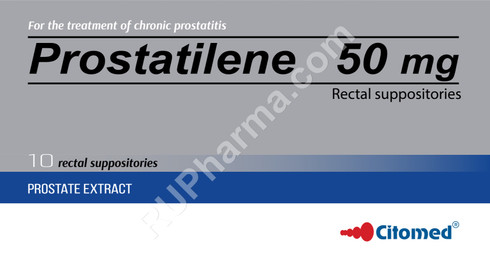
Prostatilen is registered and marketed as a medicine in Russia and several other post-Soviet countries, where it is used mainly as rectal suppositories [3]. It has not undergone the large-scale international trials required for approval by agencies such as the United States Food and Drug Administration or the European Medicines Agency, and most of the published evidence comes from smaller studies in Russian-language journals [1][3]. Because the source material is animal tissue, it is treated as a biologically active peptide complex rather than a single synthetic drug [2].
Mechanism
Prostatilen is understood to act as a tissue-specific bioregulator, meaning its peptides are thought to work preferentially on the prostate, the organ from which they are derived [2]. Proposed actions include reducing swelling and congestion within the gland, easing the inflammation of chronic prostatitis, and supporting normal function of the prostate epithelium [1][3]. In animal models of prostatic hyperplasia the preparation curbed the increase in prostate size and corrected an imbalance between oxidants and antioxidants, decreasing lipid peroxidation and raising the activity of the protective enzyme glutathione peroxidase, which points to an antioxidant component of its effects [1].
Studies on cultured cells indicate that prostate-derived peptides can stimulate the renewal of prostate tissue, an effect accompanied by higher levels of the cell-proliferation marker PCNA and lower levels of p53 [2]. The clinical result reported in men treated with the suppositories is reduced prostate swelling and pain together with improved urinary flow [3]. The precise molecular targets have not been fully characterized.
receptor fingerprint
Prostate tissue functionmodulates
Local inflammation and edemareduces
Platelet aggregationreduces
Local immune activitymodulates
Dosingtypical ranges, not medical advice
interested in protocols and clinical dosages? make an account to see them! ^_^
Safetyrisks and cautions, not medical advice
Reported to be well tolerated in its regional clinical use, with allergic reactions being the main noted concern given the animal-tissue origin. Rigorous long-term and independent safety data are lacking. As an animal-derived biological, sourcing and purity matter, and it is not an approved drug in most Western countries.
Subjective profileweighing the evidence above
A tissue peptide with regional clinical use for prostate issues, but the evidence is limited and mostly outside Western journals. Interesting, not established.
Where to buy
Suppliers
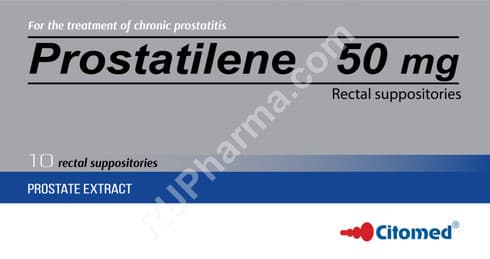
Vendors carrying Prostatilen, with live product details and codes. Links are affiliate links that support the wiki at no cost to you.
RUPharma🌐
Prostatilen
Research
- 2006first citedEffect of biologically active substances of animal and plant origin on prooxidant-antioxidant b…
- 2026most recentThe effectiveness of Prostatex Plus in the treatment of patients with chronic abacterial prosta…
- 1.Effect of biologically active substances of animal and plant origin on prooxidant-antioxidant balance in rats with experimental prostatic hyperplasia.
- 2.Polypeptides influence on tissue cell cultures regeneration of various age rats.
- 3.The effectiveness of Prostatex Plus in the treatment of patients with chronic abacterial prostatitis categories III B.
3 listed here; entry last updated August 2026
Reviews
My notesprivate to this device
FAQ
What is prostatilen used for?
Mainly chronic prostatitis and benign prostate complaints in Russian and Eastern European practice.
What is a peptide bioregulator?
A short-peptide extract from a specific organ, proposed to help that same organ function normally.
How is it taken?
Usually as a rectal suppository or an intramuscular injection over a treatment course.
Is the evidence solid?
It is limited and mostly regional, not up to large Western trial standards.
Is it safe?
It is reported well tolerated, but independent long-term data are lacking and allergy is possible.
Limitations of the evidence
- The evidence base is limited and comes mainly from small Russian-language studies, so the full safety profile is not well defined
Adverse effects
- Local irritation at the site of a rectal suppository can occur
- Allergic reactions are possible because the preparation is derived from animal tissue
Notes and cautions
- It is generally reported to be well tolerated in the available studies