
spec sheet10 rows
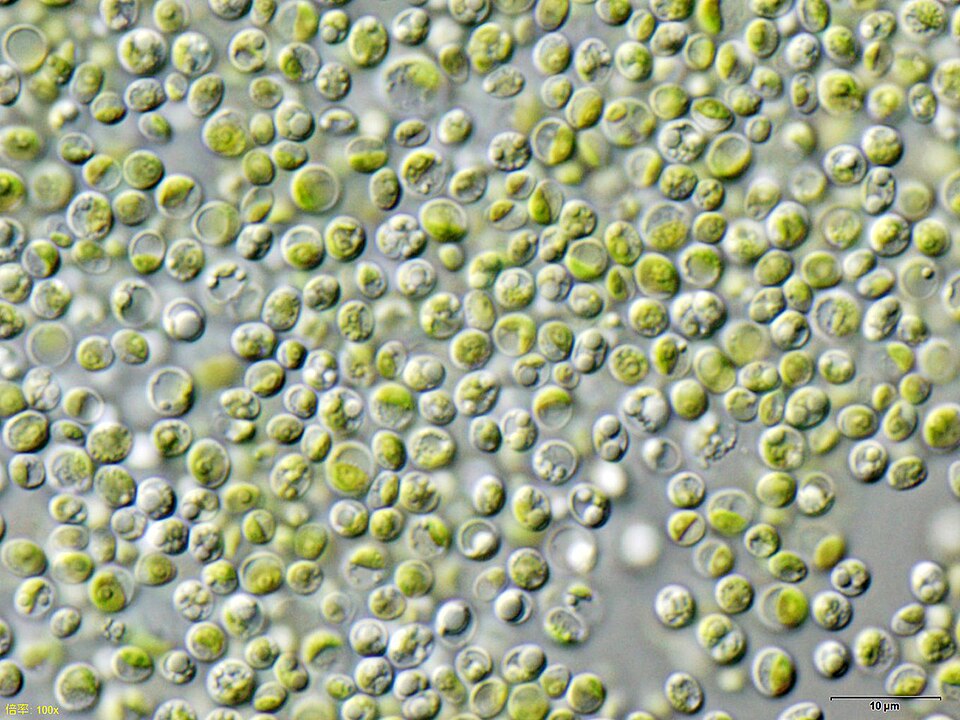
Chlorella is a genus of single-celled green freshwater algae, widely sold as a nutrient-dense dietary supplement and health food [1][2]. Its tiny spherical cells are packed with protein, chlorophyll, vitamins, minerals, and other nutrients, and the dried biomass is taken as tablets or powder [1][2]. First described in the late nineteenth century, Chlorella became well known as a model organism in photosynthesis research and as a proposed answer to food shortages; today it is studied for possible effects on cholesterol, blood sugar, and oxidative stress, though robust clinical proof of health benefits is limited [1][2][3].
- Nutrient-dense nutrition
- Modest cholesterol lowering
- Immune support
- Gentle heavy-metal binding
- Digestive upset, especially when first starting
Overview
Chlorella is a genus of microscopic green algae in the division Chlorophyta, made up of roughly a dozen species of single-celled organisms [1]. The cells are spherical and only a few micrometers across, lack the whip-like flagella that many algae use to swim, and contain a chloroplast rich in the green pigments chlorophyll a and chlorophyll b [1]. The German microbiologist Martinus Beijerinck first described the genus in 1890, and its name combines the Greek word for green with a Latin ending meaning small [1].
Chlorella holds a notable place in the history of biology as a laboratory model for studying photosynthesis; researchers including Otto Warburg worked with it, and Melvin Calvin used it in the experiments on carbon dioxide assimilation that won him the Nobel Prize in Chemistry in 1961 [1]. After the Second World War, scientists explored Chlorella as a high-protein crop that might help feed a growing world population, since it grows quickly and, when dried, can be about half protein by weight [1]. Large-scale cultivation proved more difficult and costly than early enthusiasts predicted, and the grand food projections were never realized, but the alga remains commercially farmed in ponds and tanks [1].
As a food and supplement, Chlorella is valued for its dense and varied nutrient content, which includes protein, omega-3 polyunsaturated fatty acids, polysaccharides, vitamins, minerals, carotenoids, and a large amount of chlorophyll [2][4]. Because its natural cell wall is tough and hard to digest, supplement makers often process the algae to break or crack the wall and improve the availability of its nutrients [1]. It is sold mainly as pressed tablets and powders marketed for general wellness, and it is also used as feed in aquaculture and studied for wastewater treatment and biofuel [1][2].
Clinical interest has focused on whether Chlorella supplementation can improve markers of metabolic health [2][3]. Some trials suggest it may modestly lower blood lipids and blood sugar and reduce oxidative stress, and reviews have catalogued a range of proposed benefits [2]. However, a systematic review of randomized trials in people with obesity-related metabolic disorders found the results inconsistent and the studies generally too small to support firm conclusions [3]. Health authorities note that available scientific studies do not establish Chlorella as an effective treatment or preventive for cancer or other diseases in humans [1].
Chlorella is regulated as a food or dietary supplement rather than as a medicine, and product quality and nutrient content can vary with the strain and growing conditions [1]. It is generally considered safe as a food, but reported issues include digestive upset, especially when first starting it, and sensitivity of the skin to sunlight linked to its pigments [1]. Its cell walls contain lipopolysaccharides, bacterial-type endotoxins that can provoke immune responses, and the algae can act as an allergen in some people [1].
Mechanism
Chlorella is a whole-food supplement rather than a single active compound, so any effects are attributed to the combined action of its many constituents [2]. Its proteins and fatty acids provide nutrition, while its chlorophyll, carotenoids, vitamins, and polyphenols contribute antioxidant activity that can neutralize reactive oxygen species and reduce [2]. In laboratory and animal studies, Chlorella components have been reported to bind fats and bile acids in the gut and to influence lipid and glucose metabolism, which is the proposed basis for the modest reductions in cholesterol and blood sugar seen in some human trials [2][3]. Certain cell-wall polysaccharides are also thought to stimulate immune cells [2]. These mechanisms come largely from preclinical work and small studies and are not firmly established in humans [3].
receptor fingerprint
Heavy metals / toxins (gut binding)binds
LDL cholesterollowers
Immune antibody responseenhances
reduces
Dosingtypical ranges, not medical advice
interested in protocols and clinical dosages? make an account to see them! ^_^
Safetyrisks and cautions, not medical advice
Generally safe, with common side effects being GI upset, gas, and green stools, especially when starting. It can cause photosensitivity in some people and may contain contaminants if poorly sourced, so quality matters. It is high in vitamin K, which can matter for people on warfarin.
Subjective profileweighing the evidence above
A legit nutrient-dense green supplement with modest cholesterol and immune benefits; not a magic detox.
Resources
This entry is here for reference.
Research
- 2016first citedChlorella vulgaris: A Multifunctional Dietary Supplement with Diverse Medicinal Properties.
- 2025most recentThe Role of Chlorella and Spirulina as Adjuvants of Cardiovascular Risk Factor Control: A Syste…
- 1.The Role of Chlorella and Spirulina as Adjuvants of Cardiovascular Risk Factor Control: A Systematic Review and Meta-Analysis of Randomised Controlled Trials.
- 2.Chlorella vulgaris: A Multifunctional Dietary Supplement with Diverse Medicinal Properties.
- 3.The effect of Chlorella vulgaris on obesity related metabolic disorders: a systematic review of randomized controlled trials.
- 4.Beyond Fish Oil Supplementation: The Effects of Alternative Plant Sources of Omega-3 Polyunsaturated Fatty Acids upon Lipid Indexes and Cardiometabolic Biomarkers-An Overview.
4 listed here; entry last updated August 2026
Reviews
My notesprivate to this device
FAQ
Does chlorella detox heavy metals?
It can bind some metals in the gut and help excretion, but it is a gentle aid, not a medical chelation therapy.
Why broken cell wall?
Chlorella's tough cell wall is hard to digest; cracked or broken cell wall products are far more absorbable.
Chlorella or spirulina?
Both are nutrient-dense algae; chlorella has more chlorophyll and detox-binding fiber, spirulina is higher in certain proteins and phycocyanin.
Why are my stools green?
The high chlorophyll content commonly turns stools green, which is harmless.
Adverse effects
- Digestive upset, especially when first starting
Notes and cautions
- Skin sensitivity to sunlight linked to its pigments
- Cell walls contain endotoxins that may provoke immune responses
- Can act as an allergen in some people
- Nutrient content and quality vary between products