
spec sheet10 rows
Spirulina is a dietary supplement made from the dried biomass of cyanobacteria, single-celled organisms often called blue-green algae, chiefly species of the genus Arthrospira. Rich in protein, B vitamins, iron, and the blue pigment phycocyanin, it has a long history of use as a food and is sold today as powder, tablets, and capsules. Marketed for a wide array of health benefits, it has modest supporting evidence for effects on blood lipids and body weight, while broader claims are not well established and contamination of some products is a recognized concern.
- Antioxidant support
- Source of complete protein
- Modest lipid improvement
- Mild immune support
- mild digestive upset in some people
Overview
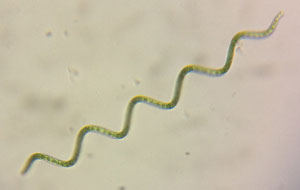
Spirulina is the common name for a supplement produced from the dried biomass of filamentous cyanobacteria, photosynthetic microorganisms popularly known as blue-green algae. The main species belong to the genus Arthrospira, principally Arthrospira platensis and Arthrospira maxima, which some recent classifications place in the genus Limnospira. It is not a plant or a true alga but a bacterium, and it is grown commercially in ponds, then harvested, dried, and pressed into powder or tablets.
Spirulina has been eaten for centuries. The Aztecs harvested it from Lake Texcoco in Mexico, and communities around Lake Chad in Africa have long collected a dried cake of it called dihe. Nutritionally it is notable for its high protein content, at well over half its dry weight, along with B vitamins, iron, and other minerals, and the characteristic blue pigment phycocyanin. A common caveat is that the vitamin B12 it contains is largely a biologically inactive form, so it is not a reliable source of that vitamin.
Spirulina is marketed for a broad range of health benefits, but the overall evidence is limited, and health authorities have generally concluded that it cannot be recommended for any specific medical condition [1]. The best-supported findings come from cardiometabolic research. Meta-analyses of randomized trials have reported that spirulina supplementation can modestly lower total and LDL cholesterol and triglycerides while raising HDL cholesterol [1], and other pooled analyses have found small reductions in body weight and waist circumference, particularly in people with obesity and with longer use [2][3]. These effects are generally small, and the underlying studies are often of modest size and quality.
As a supplement, spirulina is not tightly regulated as a medicine, and quality varies between products. Pure, uncontaminated spirulina is generally regarded as safe, but batches can be contaminated with microcystins, toxins produced by other cyanobacteria that can cause digestive upset and, with heavy exposure, liver harm, and some products have been found to carry heavy metals such as lead, mercury, or arsenic. For these reasons third-party testing is emphasized, microcystin limits are set in some countries, and people with the metabolic disorder phenylketonuria are advised to avoid it because of its phenylalanine content.
Mechanism
Spirulina does not have a single drug-like mechanism; its effects are attributed to its dense mix of nutrients and pigments. Its high-quality protein, B vitamins, and minerals contribute to its use as a nutritional supplement. The blue pigment phycocyanin and related compounds show antioxidant and anti-inflammatory activity in laboratory studies, which is one proposed explanation for the cardiometabolic effects seen in trials [1]. The modest reductions in blood cholesterol and body weight observed in pooled analyses are thought to involve effects on lipid metabolism and appetite, though the exact pathways in humans are not firmly established [1][2]. Overall its actions are best understood as those of a nutrient-rich food rather than a targeted therapeutic agent.
receptor fingerprint
Free radicals (ROS)scavenges
NADPH oxidaseinhibits
LDL/triglycerideslowers
Immune signaling (NK cells)modulates
Dosingtypical ranges, not medical advice
interested in protocols and clinical dosages? make an account to see them! ^_^
Safetyrisks and cautions, not medical advice
Generally well tolerated in food amounts. The big risk is contamination; poorly sourced spirulina can carry microcystins, heavy metals, or bacteria, so third-party testing matters. People with autoimmune conditions or phenylketonuria should be cautious.
Resources
This entry is here for reference.
Research
- 2016first citedA systematic review and meta-analysis of the impact of Spirulina supplementation on plasma lipi…
- 2021most recentSpirulina supplementation and anthropometric indices: a systematic review and meta-analysis of…
- 1.A systematic review and meta-analysis of the impact of Spirulina supplementation on plasma lipid concentrations
- 2.Effects of Spirulina supplementation on obesity: a systematic review and meta-analysis of randomized clinical trials
- 3.Spirulina supplementation and anthropometric indices: a systematic review and meta-analysis of controlled clinical trials
3 listed here; entry last updated July 2026
Reviews
My notesprivate to this device
FAQ
Is spirulina the same as chlorella?
No; both are algae but chlorella is a green alga with a cell wall, while spirulina is a cyanobacterium. Their nutrient profiles differ.
Can it be contaminated?
Yes, that is the main concern. Only buy from brands that test for microcystins and heavy metals.
Does it give you energy?
Some people report a mild lift, likely from the nutrient content, but it is not a stimulant.
Is the smell and taste normal?
Yes, spirulina has a strong earthy, oceanic smell and taste; that is typical.
Adverse effects
- mild digestive upset in some people
Notes and cautions
- risk of microcystin contamination from poorly sourced products
- possible heavy-metal contamination, so third-party testing matters
- should be avoided by people with phenylketonuria