
spec sheet11 rows
Grape seed extract is a dietary supplement produced from the seeds of grapes, Vitis vinifera, that remain after winemaking and juice production. It is rich in proanthocyanidins, a class of polyphenolic flavonoid compounds also known as oligomeric proanthocyanidins, which give the extract strong antioxidant activity in laboratory tests. Marketed for cardiovascular and general antioxidant support, grape seed extract has been studied for effects on blood pressure and blood lipids, with modest findings in some trials.
- Proanthocyanidin rich antioxidant from winemaking grape seeds
- Modest but real blood pressure reductions in trials
- Supports circulation and healthier vessel walls
- Backs collagen in the skin and the vasculature
- Well tolerated and cheap enough to run long term
- Occasional itchy scalp, dizziness, headache, or nausea
Overview
Grape seed extract is an industrial preparation made from the seeds of the common grape, Vitis vinifera, a byproduct of the wine and grape-juice industries. Its principal constituents are proanthocyanidins, polymeric flavonoids built from catechin and epicatechin units and often referred to as oligomeric proanthocyanidins; high-quality extracts consist largely of these procyanidin compounds, which impart an astringent taste and pronounced antioxidant properties in the test tube [3]. The extract also contains other flavonoids and phenolic acids.
The seeds are dried and the polyphenols drawn out with water or organic solvents, and the resulting extract is standardized by its proanthocyanidin content, commonly assessed by chromatographic methods. Grape seed extract is sold as a dietary supplement in capsules, tablets, and liquid forms, and it is marketed broadly for antioxidant and cardiovascular support, for circulation, and for skin health. It is one of several grape-derived polyphenol products, alongside extracts of grape skin and whole grape.
Human research has focused on cardiovascular and metabolic outcomes. A meta-analysis of randomized trials found that grape seed extract produced statistically significant reductions in systolic and diastolic blood pressure, with larger effects in younger or obese participants and in those with metabolic syndrome [1]. Another systematic review and meta-analysis reported modest improvements in fasting blood glucose and in total, low-density lipoprotein cholesterol, and triglycerides, along with a marker of inflammation, though it found no clear effect on body weight or long-term glucose control [2]. Laboratory and animal studies describe antioxidant, anti-inflammatory, and photoprotective effects of grape seed proanthocyanidins, including protection against ultraviolet-induced skin damage [3]. Overall, individual trials tend to be small, and the clinical significance of the findings is still debated.
Grape seed extract is regulated as a dietary supplement rather than an approved drug, and it is not authorized to treat or prevent disease; notably, it has been falsely promoted as a cancer cure, a claim without clinical support. Human trials indicate that it is generally well tolerated, with side effects such as itchy scalp, dizziness, headache, or nausea reported occasionally [2]. As with other polyphenol supplements, people taking anticoagulant medications or with bleeding concerns are sometimes advised to use caution, and standardized products vary in their exact composition.

Mechanism
The biological activity of grape seed extract is attributed mainly to its proanthocyanidins, which are potent antioxidants. These polyphenols can neutralize reactive oxygen species and chelate metal ions, reducing , and in experimental systems they dampen inflammatory signaling pathways such as those involving nuclear factor-kappa B and modulate immune responses [3]. In the cardiovascular system, the blood-pressure-lowering effect observed in trials is thought to involve improved function of the endothelium, the lining of blood vessels, partly through greater availability of , which promotes [1].
Effects on blood lipids and glucose reported in meta-analyses may reflect antioxidant protection of lipoproteins and influences on lipid handling and inflammation, although the mechanisms in humans are not fully established [2]. In the skin, grape seed proanthocyanidins have been shown to reduce ultraviolet-induced oxidative damage, limit activation of stress-related signaling, and counter immune suppression in laboratory models, which is the basis for interest in their photoprotective potential [3]. Because much of this mechanistic detail comes from cell and animal work, and human absorption of the larger proanthocyanidins is limited, the extent to which these actions drive clinical effects remains under study.
receptor fingerprint
Free radicals / ROSscavenges
Endothelial supports
Collagen/elastinstabilizes
Inflammatory cytokinesreduces
Dosingtypical ranges, not medical advice
interested in protocols and clinical dosages? make an account to see them! ^_^
Safetyrisks and cautions, not medical advice
Very well tolerated for most people. Occasional mild side effects include headache, nausea, or upset stomach. Because it can have a mild blood-thinning and blood-pressure-lowering effect, be cautious if you're on anticoagulants or antihypertensives.
Subjective profileweighing the evidence above
A solid, well-tolerated antioxidant with modest but real cardiovascular support; good value as a supporting supplement.
Where to buy
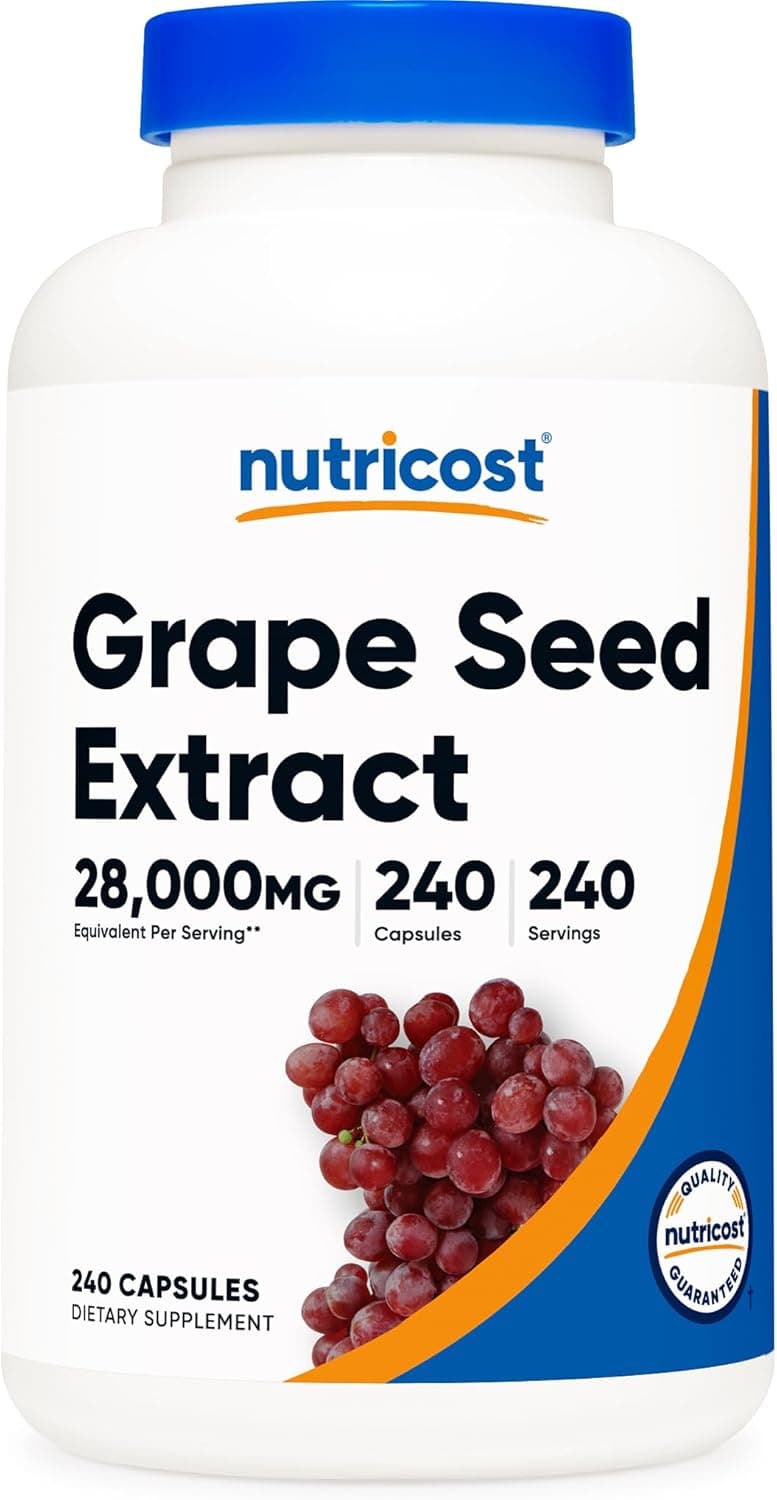
Suppliers
Vendors carrying Grape Seed Extract, with live product details and codes. Links are affiliate links that support the wiki at no cost to you.
Amazon
Grape Seed Extract
Research
- 2008first citedGrape seed proanthocyanidines and skin cancer prevention: inhibition of oxidative stress and pr…
- 2016meta-analysisThe impact of grape seed extract treatment on blood pressure changes: A meta-analysis of 16 ran…
- 2020most recentThe effects of grape seed extract on glycemic control, serum lipoproteins, inflammation, and bo…
- 1.The impact of grape seed extract treatment on blood pressure changes: A meta-analysis of 16 randomized controlled trials
- 2.The effects of grape seed extract on glycemic control, serum lipoproteins, inflammation, and body weight: A systematic review and meta-analysis of randomized controlled trials
- 3.Grape seed proanthocyanidines and skin cancer prevention: inhibition of oxidative stress and protection of immune system
3 listed here; entry last updated August 2026
Reviews
My notesprivate to this device
FAQ
Is grape seed extract the same as resveratrol?
No. Resveratrol comes mostly from grape skins and is a single molecule; grape seed extract is a mix of proanthocyanidins.
Does it actually lower blood pressure?
Meta-analyses suggest a small but real reduction, most notable in people with elevated pressure.
Can I take it with blood thinners?
Be cautious and talk to your doctor, since it can have a mild antiplatelet effect.
Is it good for skin?
It supports collagen and fights oxidative damage, so it's a common addition to skin-health formulas.
Adverse effects
- Occasional itchy scalp, dizziness, headache, or nausea
Notes and cautions
- Generally well tolerated in trials
- Caution advised with anticoagulant medications or bleeding concerns
- Not a proven treatment for any disease; marketed as a supplement