
spec sheet10 rows
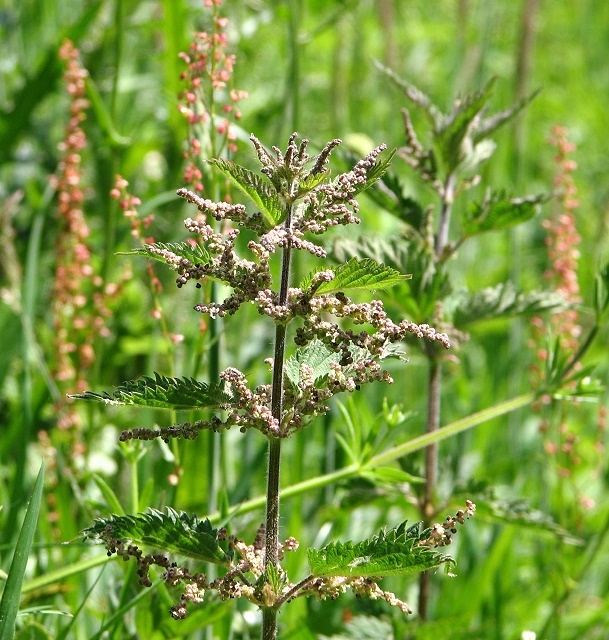
Stinging nettle (Urtica dioica) is a herbaceous perennial plant in the family Urticaceae, well known for the stinging hairs on its leaves and stems. Long used as a food and in traditional medicine, its cooked young leaves are eaten as a nutritious green, while extracts of its root and leaf are taken as herbal remedies. The best-studied medicinal use is for the urinary symptoms of an enlarged prostate, though the overall evidence remains limited.
- Anti-inflammatory support
- May ease seasonal allergies
- Prostate and urinary support (root)
- Nutrient-rich (iron, minerals)
- Mild diuretic effect
- skin stinging rash from handling the fresh plant, usually brief
- occasional mild stomach upset with supplements
Overview
Stinging nettle is a flowering plant native to Europe, temperate Asia, and North Africa that now grows across much of the world. Its most familiar feature is the sting: the leaves and stems are covered in fine hollow hairs called trichomes that break on contact and act like tiny needles, injecting a mix of irritant chemicals including histamine, serotonin, and acetylcholine. This produces a temporary burning, stinging rash that usually fades within minutes to a few hours.
Despite the sting, the plant has a long history as food and medicine. Soaking or cooking the young leaves destroys the stinging chemicals and leaves a nutritious green that is high in protein for a leafy vegetable and rich in minerals; it is a traditional ingredient in soups across northern and eastern Europe. In folk medicine nettle has been used for centuries, appearing in remedies from the Anglo-Saxon era onward, and it remains a popular herbal supplement today.
In modern herbal use, the most studied application is for lower urinary tract symptoms caused by benign prostatic hyperplasia, the noncancerous enlargement of the prostate common in older men, for which the root extract is used [3]. Randomized controlled trials have reported improvements in urinary symptoms and flow with nettle compared with placebo [1][4]. Reviews of prostate phytotherapy place nettle alongside other plant extracts such as saw palmetto and Pygeum, noting that some trials show benefit for mild-to-moderate symptoms while stronger, longer studies are still needed [2][3]. Nettle leaf is also used traditionally for hay fever and for joint pain, though evidence for these uses is weaker.
Stinging nettle preparations are sold as herbal supplements and teas, and their regulatory standing varies: in parts of Europe standardized extracts are prescribed and reimbursed for prostate symptoms, whereas in the United States they are classified simply as dietary supplements [3]. In the amounts used it is generally well tolerated, with only mild side effects such as occasional stomach upset reported in trials [1]. The main hazard of the raw plant is the skin sting from handling it, which is unpleasant but self-limited.
Mechanism
The stinging effect of the fresh plant comes from its trichomes, which inject , , , and other irritants that trigger the characteristic contact rash. Its medicinal effects are attributed to a different set of constituents in the root and leaf, including plant sterols such as beta-sitosterol, lignans, and polysaccharides [2].
In benign prostatic hyperplasia, laboratory studies suggest several possible actions, including partial inhibition of the enzyme 5-alpha-reductase and of aromatase, interference with the binding of sex hormones, and anti-inflammatory effects on prostate tissue, which together may ease urinary symptoms without shrinking the prostate dramatically [2]. Nettle leaf also contains compounds that can interact with pathways, a proposed basis for its traditional use in allergic complaints. The precise active ingredients and pathways in humans remain incompletely defined [3].
receptor fingerprint
Inflammatory cytokinesreduces
releasemodulates
Sex-hormone-binding globulinbinds/modulates
Aromatase and 5-alpha-reductaseweakly inhibits
Dosingtypical ranges, not medical advice
interested in protocols and clinical dosages? make an account to see them! ^_^
Safetyrisks and cautions, not medical advice
Nettle is well tolerated, with occasional mild stomach upset, sweating, or a skin rash. Fresh plants sting on contact, but dried or cooked preparations don't. Because it can have mild diuretic effects and may affect blood sugar and blood pressure, people on related medications should keep an eye out, and it's generally avoided in pregnancy.
Resources
This entry is here for reference.
Research
- 2000first citedPhytotherapeutic agents in the treatment of benign prostatic hyperplasia
- 2005controlled trialUrtica dioica for treatment of benign prostatic hyperplasia: a prospective, randomized, double-…
- 2015most recentWhat do we know about phytotherapy of benign prostatic hyperplasia?
- 1.Urtica dioica for treatment of benign prostatic hyperplasia: a prospective, randomized, double-blind, placebo-controlled, crossover study.
- 2.What do we know about phytotherapy of benign prostatic hyperplasia?
- 3.Phytotherapeutic agents in the treatment of benign prostatic hyperplasia
- 4.The efficacy of stinging nettle (urtica dioica) in patients with benign prostatic hyperplasia: a randomized double-blind study in 100 patients.
4 listed here; entry last updated August 2026
Reviews
My notesprivate to this device
FAQ
What's the difference between nettle leaf and root?
Leaf is used for allergies, inflammation, and nutrition; root is used for prostate and urinary symptoms. They aren't interchangeable.
Does it really help allergies?
Some studies show modest relief of hay fever symptoms, likely through histamine modulation, but effects vary.
Will the supplement sting me?
No, only the fresh plant stings; dried, cooked, or encapsulated nettle is harmless to handle.
Can it lower testosterone?
Root has mild effects on androgen metabolism and binding proteins, but it isn't a strong hormonal agent.
Is it safe long term?
For most people it's well tolerated, though the diuretic effect means staying hydrated is smart.
Limitations of the evidence
- evidence for most uses beyond prostate symptoms is limited
Adverse effects
- skin stinging rash from handling the fresh plant, usually brief
- occasional mild stomach upset with supplements
Notes and cautions
- handle the fresh plant with gloves to avoid stings