
spec sheet10 rows
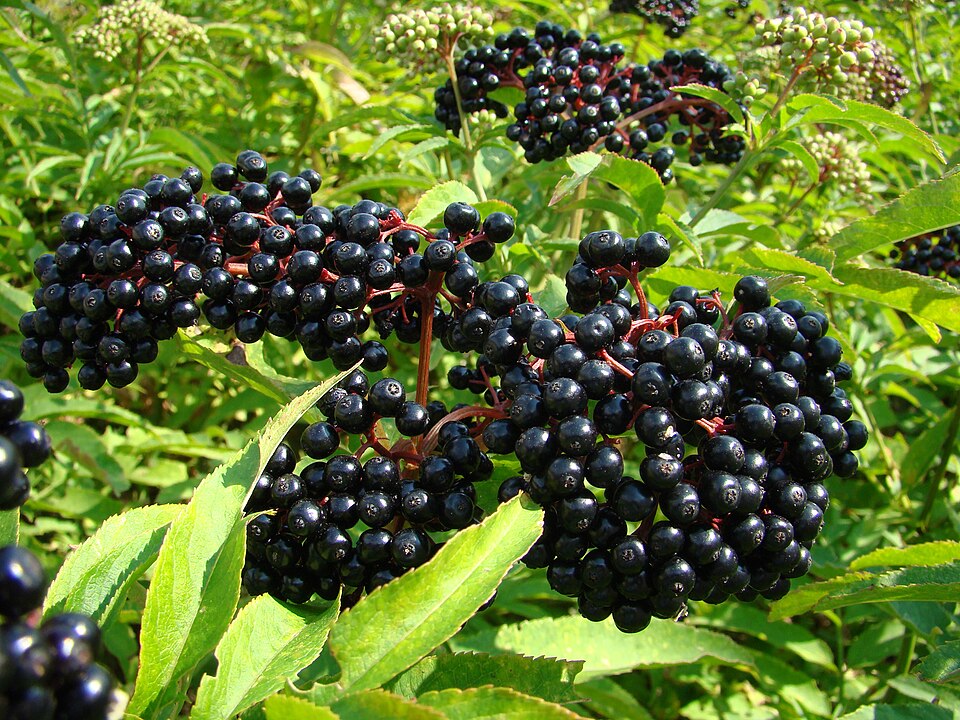
Elderberry is the dark purple fruit of the elder shrub Sambucus nigra, used in folk medicine and sold as a supplement, syrup, or lozenge for colds and influenza. It is rich in anthocyanin pigments and other polyphenols with antioxidant activity. Clinical studies of its effect on respiratory infections have given conflicting results, and it is marketed as a dietary supplement rather than an approved medicine.
- Some evidence it shortens upper respiratory symptoms
- Loaded with anthocyanin pigments and antioxidant polyphenols
- A safe, tasty cold season staple in syrup or lozenge
- Supports the immune response when everyone around is sick
- Centuries of folk use behind an easy daily habit
- Raw or unripe berries can cause nausea, vomiting, or diarrhea
- Mild digestive upset in some people
- Allergic reactions are possible
Overview
Elderberry refers to the berries of Sambucus species, most often the European black elder (Sambucus nigra), a shrub or small tree of the family Adoxaceae native to Europe and parts of Asia and North Africa. The ripe, cooked berries are used to make syrups, juices, wines, jams, and supplements; raw berries, along with the plant's leaves, bark, and seeds, contain cyanogenic compounds and can cause nausea if consumed uncooked.
The berries are a rich source of anthocyanins, the pigments responsible for their deep color, along with other flavonoids and phenolic acids that give the fruit strong antioxidant activity in laboratory tests. These polyphenols, together with possible direct effects on viruses, have been proposed to account for any benefit against respiratory infections.
Elderberry is used mainly to prevent or shorten the common cold and influenza, but the clinical evidence is genuinely mixed. A meta-analysis of randomized trials concluded that elderberry supplementation substantially reduced upper-respiratory symptoms, with a larger effect suggested for influenza [1], and a controlled trial in air travelers found that a standardized extract shortened the duration and lessened the severity of colds compared with placebo [2]. Other work has been less encouraging: a randomized, placebo-controlled trial in emergency-room patients with laboratory-confirmed influenza found no reduction in the duration or severity of illness [3]. Larger and more rigorous studies have been called for.
Elderberry is sold as syrups, gummies, capsules, lozenges, and teas and is regulated as a dietary supplement rather than an approved drug. It is generally considered safe when the fruit is properly ripened and cooked [1][2].

Mechanism
Elderberry's proposed activity is attributed mainly to its polyphenols, especially the anthocyanin pigments, which are potent antioxidants able to neutralize reactive oxygen species [2]. Laboratory studies suggest that elderberry constituents may interfere with the ability of respiratory viruses to enter or replicate in cells and may modulate the immune response, for example by influencing the release of inflammatory signaling molecules called cytokines. These effects are the proposed basis for the shorter or milder colds and flu reported in some clinical trials [1][2], although the human evidence is inconsistent and the mechanisms are not firmly established in people [3].
receptor fingerprint
reduces
Viral entry/replicationinhibits
Immune signalingmodulates
Inflammatory pathwaysreduces
Dosingtypical ranges, not medical advice
interested in protocols and clinical dosages? make an account to see them! ^_^
Safetyrisks and cautions, not medical advice
Cooked or properly prepared elderberry is safe for most people; raw berries, leaves, and stems contain compounds that can cause nausea and vomiting, so commercial cooked products are the way to go. Side effects from finished products are uncommon and mild. There's a theoretical caution around immune-stimulating effects in autoimmune conditions, though it's rarely an issue in practice.
Where to buy
Suppliers
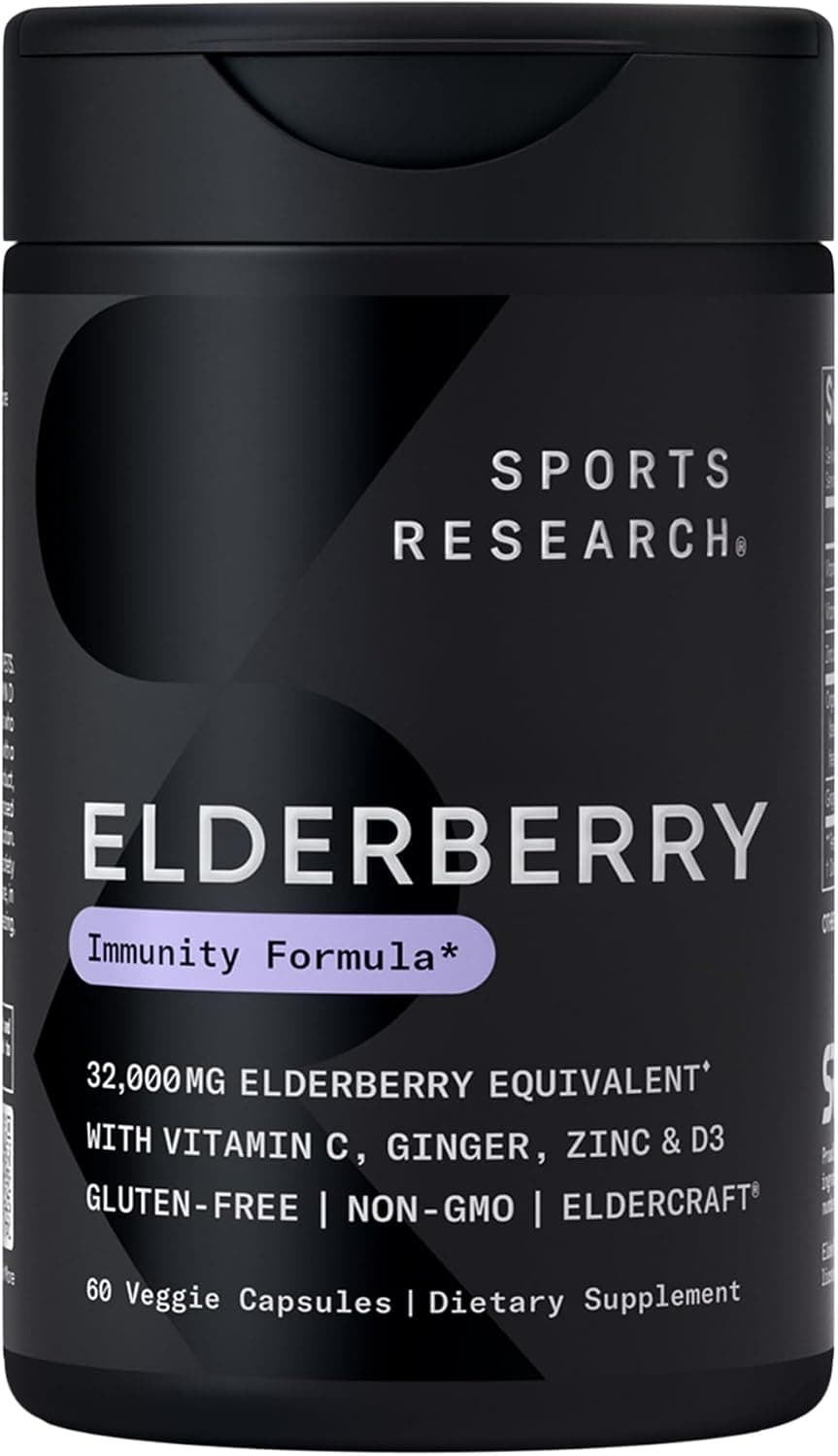
Vendors carrying Elderberry, with live product details and codes. Links are affiliate links that support the wiki at no cost to you.
Amazon
Elderberry
Research
- 2016first citedElderberry supplementation reduces cold duration and symptoms in air-travellers: a randomized,…
- 2019meta-analysisBlack elderberry (Sambucus nigra) supplementation effectively treats upper respiratory symptoms…
- 2020most recentElderberry extract outpatient influenza treatment for emergency room patients ages 5 and above:…
- 1.Black elderberry (Sambucus nigra) supplementation effectively treats upper respiratory symptoms: a meta-analysis of randomized, controlled clinical trials
- 2.Elderberry supplementation reduces cold duration and symptoms in air-travellers: a randomized, double-blind placebo-controlled clinical trial
- 3.Elderberry extract outpatient influenza treatment for emergency room patients ages 5 and above: a randomized, double-blind, placebo-controlled trial
3 listed here; entry last updated August 2026
Reviews
My notesprivate to this device
FAQ
Does it prevent colds or treat them?
The evidence leans toward shortening symptoms when started early, not preventing infection outright.
Is raw elderberry dangerous?
Raw berries, leaves, and stems can cause nausea and vomiting; commercial products are cooked and safe.
Can kids take it?
Child-formulated syrups and gummies exist, but check the dose and talk to a pediatrician.
When should I take it?
As early as possible once symptoms start, which is when the trials showed the most benefit.
Limitations of the evidence
- Clinical benefit for colds and flu is uncertain
Adverse effects
- Raw or unripe berries can cause nausea, vomiting, or diarrhea
- Mild digestive upset in some people
- Allergic reactions are possible