
spec sheet10 rows
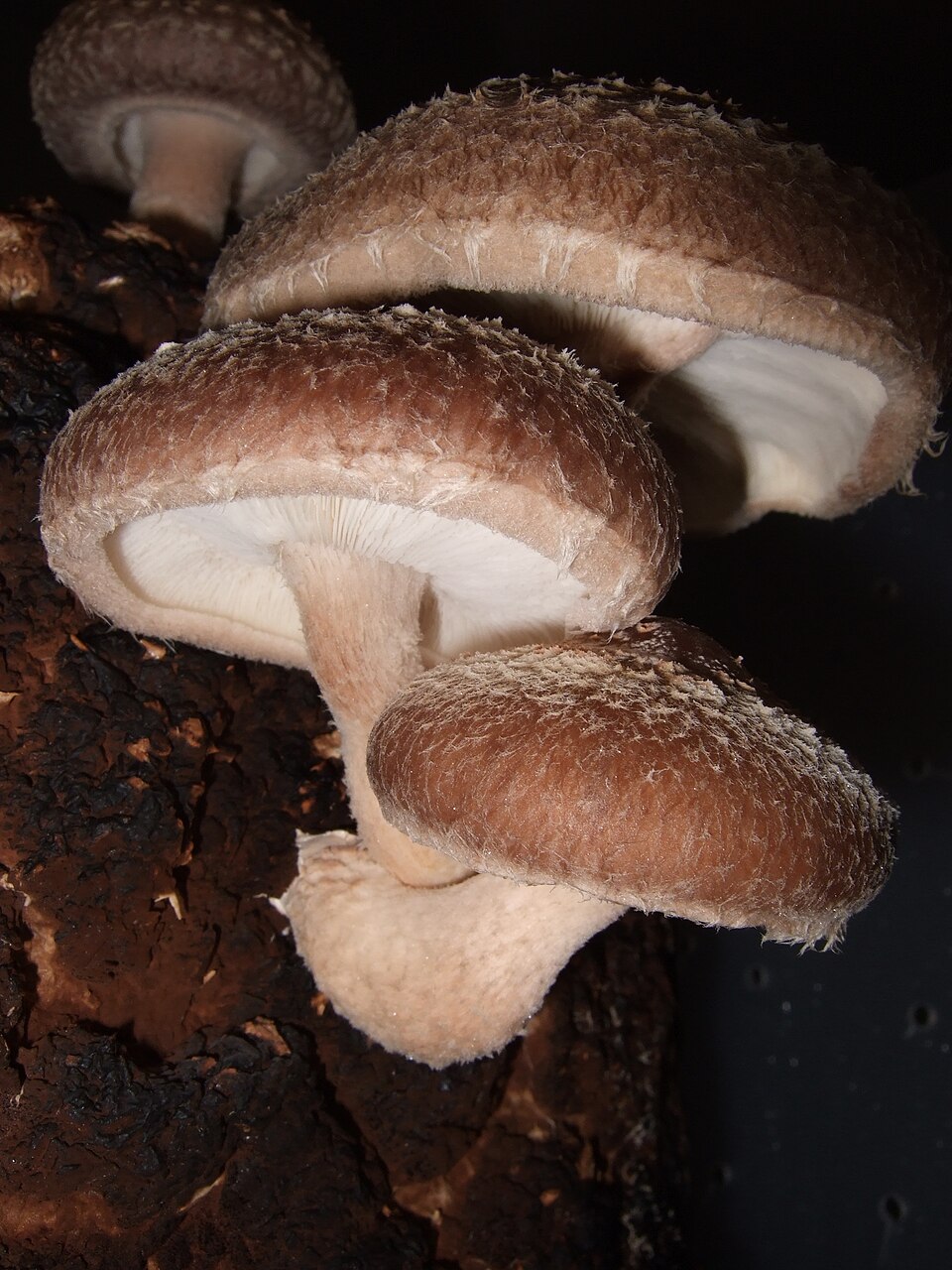
Shiitake (Lentinula edodes) is an edible mushroom native to East Asia and mainland Southeast Asia that is now cultivated and eaten worldwide. Prized as a culinary ingredient, it also has a long history in East Asian traditional medicine and is studied for bioactive constituents such as the polysaccharide lentinan. It ranks among the most widely produced cultivated mushrooms globally.
- Supports immune function
- Source of beta-glucans
- May support healthy cholesterol
- Provides antioxidants
- shiitake dermatitis, a streaky rash after eating raw or undercooked mushrooms
- rare allergic reactions
Overview
Shiitake is a basidiomycete fungus whose fruiting bodies grow naturally on decaying hardwoods such as oak, chestnut, and beech in warm, humid parts of East and Southeast Asia [1]. First described scientifically in the nineteenth century and later placed in the genus Lentinula, its common name derives from the Japanese words for the shii tree on which it grows and take, meaning mushroom [2]. Cultivation has been practiced for many centuries, with early written accounts from China and later from Japan, and the species now accounts for a large share of world mushroom output [2].
As a food, shiitake is valued for its savory, umami-rich flavor and is used fresh or dried in soups, stir-fries, and broths across East Asian cuisines [2]. Nutritionally it is low in fat and calories while supplying dietary fiber, B vitamins, and minerals, and its ergosterol can be converted to vitamin D on exposure to ultraviolet light [1]. The mushroom contains a range of studied metabolites, most notably lentinan, a beta-glucan polysaccharide, along with eritadenine, lenthionine, and various phenolic and terpenoid compounds [1][2].
Interest in shiitake extends to its pharmacological potential, and laboratory and animal work attributes antioxidant, antimicrobial, antidiabetic, and immune-modulating activities to its constituents [1][2]. Lentinan in particular has been developed in Japan as an adjunct to chemotherapy, where it serves as a biological response modifier alongside conventional treatment for gastric cancer [3]. Much of the supporting evidence remains preclinical, and reviewers emphasize the need for standardized preparations and better-controlled human trials [1].
Shiitake is generally regarded as safe as a food, and dried mushrooms, extracts, and lentinan preparations are all available on the market [2]. A notable exception is shiitake dermatitis, a self-limited streaky skin eruption that can follow eating raw or undercooked mushrooms and is linked to lentinan; thorough cooking largely prevents it [4].
Mechanism
Many of shiitake's biological effects are attributed to its cell-wall polysaccharides, especially lentinan, a beta-(1,3)-glucan with beta-(1,6) branches that acts as an immune modulator by engaging pattern-recognition receptors on immune cells and boosting responses such as antibody-dependent and complement-dependent cytotoxicity [3]. Through these pathways lentinan is used clinically as a biological response modifier to support chemotherapy in gastric cancer [3]. Other constituents add further actions; eritadenine is associated with cholesterol-lowering activity, while assorted phenolics and terpenoids underlie the antioxidant and antimicrobial effects observed in laboratory studies [1]. The skin reaction called shiitake dermatitis is thought to arise when lentinan provokes a toxic or immune response in susceptible people who eat the mushroom raw [4].
receptor fingerprint
Dectin-1 receptoractivates
Natural killer cellsstimulates
Gut immune tissueengages
Cholesterol metabolismmodulates via eritadenine
Dosingtypical ranges, not medical advice
interested in protocols and clinical dosages? make an account to see them! ^_^
Safetyrisks and cautions, not medical advice
As food it is very safe for most people. Supplements and raw or undercooked shiitake can occasionally cause shiitake dermatitis, a distinctive whip-like skin rash, and some people get GI upset. Powdered spores or dust may trigger respiratory sensitivity in workers. Allergies are possible.
Subjective profileweighing the evidence above
Great food and a reasonable beta-glucan source; the impressive lentinan data comes from injectable clinical use, not oral capsules.
Resources
This entry is here for reference.
Research
- 2013first citedThe use of lentinan for treating gastric cancer
- 2025most recentHolistic Evaluation of Shiitake mushrooms (Lentinula edodes): Unraveling Its Medicinal and Ther…
- 1.Holistic Evaluation of Shiitake mushrooms (Lentinula edodes): Unraveling Its Medicinal and Therapeutic Potentials
- 2.Review of Bioactive Molecules Production, Biomass, and Basidiomata of Shiitake Culinary-Medicinal Mushrooms, Lentinus edodes (Agaricomycetes)
- 3.The use of lentinan for treating gastric cancer
- 4.Shiitake Dermatitis
4 listed here; entry last updated July 2026
Reviews
My notesprivate to this device
FAQ
Is eating shiitake as good as taking extract?
For general nutrition, yes; concentrated extracts provide more beta-glucan per serving but oral evidence is still modest.
What is lentinan?
A beta-glucan from shiitake studied mainly as an injectable immune adjunct in cancer care in parts of Asia.
Can it cause a rash?
Rarely, shiitake dermatitis, a whip-like streaky rash, can occur, more often with raw or undercooked mushrooms.
Does it lower cholesterol?
Shiitake contains eritadenine, which lowered cholesterol in animals, but human evidence is limited.
Adverse effects
- shiitake dermatitis, a streaky rash after eating raw or undercooked mushrooms
- rare allergic reactions
Notes and cautions
- digestive upset in some people