
Article and paper data contributed by Molecular
spec sheet14 rows
Vitamin C (ascorbic acid) is a water-soluble essential nutrient that humans cannot synthesize; it acts as an antioxidant and as a cofactor for iron- and copper-dependent enzymes, including the prolyl hydroxylases required for collagen synthesis and the TET dioxygenases and histone demethylases that shape the epigenome. At the millimolar plasma concentrations achievable only by intravenous infusion, ascorbate paradoxically behaves as a pro-oxidant, generating hydrogen peroxide that selectively stresses tumor cells; in KRAS or BRAF mutant colorectal cells, uptake of the oxidized form depletes glutathione and inactivates GAPDH, producing a lethal energetic crisis. High-dose intravenous ascorbate is therefore under active investigation as an adjunct in oncology and, through restoration of TET2 activity, in certain hematologic malignancies, whereas randomized trials such as LOVIT have tempered enthusiasm for its routine use in sepsis. Chronic dietary deficiency causes scurvy, reflecting the vitamin's indispensable role in connective-tissue integrity.
- an essential nutrient the body simply cannot make itself
- powers collagen for skin, joints and connective tissue
- dramatically boosts iron absorption from plant foods
- everyday antioxidant cover at a genuinely trivial cost
- may trim the length of a common cold
- high dose IV ascorbate is under active oncology investigation
- High doses mainly cause diarrhea and digestive upset
- Can increase oxalate, which may matter for stone-formers
Overview
Vitamin C is the common name for L-ascorbic acid, a water-soluble organic acid that readily gives up electrons, which is the basis of both its antioxidant behavior and its role as an enzyme cofactor [1]. Unlike most animals, humans and other primates have lost the ability to make ascorbic acid and depend entirely on dietary intake [1]. It is taken up by specific sodium-dependent transporters, and its oxidized product dehydroascorbic acid can enter cells through glucose transporters, with the body regulating vitamin C levels through absorption, tissue uptake, and renal excretion [1].
As an electron donor, ascorbic acid serves as a cofactor for a set of mammalian enzymes, most familiarly the hydroxylases that stabilize and mature collagen, the structural protein of skin, blood vessels, and connective tissue [1][3]. It also supports the synthesis of certain hormones and neurotransmitters and participates in antioxidant defense by scavenging reactive oxygen species and helping regenerate other antioxidants [1]. In addition, vitamin C enhances the absorption of non-heme iron from plant foods [1].
A prolonged lack of vitamin C impairs collagen formation and produces scurvy, whose features include bleeding and swollen gums, easy bruising, poor wound healing, joint pain, and fatigue [1]. Scurvy was historically notorious among sailors on long voyages without fresh produce, and the recognition that citrus fruit could prevent it was an early landmark in nutritional science [1]. The disease is now uncommon but still occurs where diets lack fruit and vegetables [1].
Beyond preventing deficiency, vitamin C is one of the most widely taken supplements, often in the belief that it wards off the common cold [2]. Pooled analysis of controlled trials indicates that routine supplementation does not reduce how often adults in the general population catch colds, although it modestly shortens their duration and may help people undergoing brief periods of intense physical stress [2]. High-dose intravenous vitamin C has been studied in other settings, and research continues into its physiology and its actions at different concentrations [1].
Vitamin C is regulated as a food, dietary supplement, and food additive rather than a prescription medicine, and it is also used industrially as an antioxidant preservative [1]. It is sold as plain ascorbic acid and as buffered mineral ascorbates and other formulations, in tablets, capsules, and powders [1]. Because the body tightly controls its vitamin C levels and excretes the excess, very high oral doses mainly cause digestive upset rather than serious toxicity [1].


- Humans are among the few mammals that cannot make their own vitamin C, which is why it must come from the diet.
- James Lind's 1747 citrus experiment for scurvy is often cited as one of the first controlled clinical trials in medical history.
- At the very high blood levels reached only through intravenous infusion, vitamin C flips from antioxidant to pro-oxidant, generating hydrogen peroxide that can selectively stress cancer cells.
Mechanism
Vitamin C works chiefly by donating electrons, acting both as a biological reducing agent and as a specific enzyme cofactor [1]. As an antioxidant it neutralizes reactive oxygen species and can help regenerate other antioxidants such as vitamin E, being oxidized in the process to dehydroascorbic acid, which cells can recycle back to ascorbate [1]. As a cofactor it keeps the metal ions of several enzymes in their reduced, active state; the best known examples are the prolyl and lysyl hydroxylases, which hydroxylate the collagen molecule so that it can fold and cross-link properly, explaining why deficiency weakens connective tissue and impairs wound healing [1][3].
Ascorbic acid also appears to stimulate collagen production beyond its role in hydroxylation, increasing the output of collagen messenger RNA in connective tissue cells [3]. Similar cofactor roles support the synthesis of carnitine and of catecholamine neurotransmitters and the activity of enzymes that regulate gene expression, while in the gut its reducing action converts dietary iron to a more absorbable form [1].
receptor fingerprint
Prolyl/lysyl hydroxylase (collagen)cofactor
Free radical scavengingantioxidant
Non-heme iron absorptionenhances
Immune cell functionsupports
synthesiscofactor
Dosingtypical ranges, not medical advice
interested in protocols and clinical dosages? make an account to see them! ^_^
Safetyrisks and cautions, not medical advice
Vitamin C is very safe; excess is excreted, and the main side effect is GI upset and diarrhea at high grams. High doses can raise oxalate and may matter for people prone to kidney stones. Otherwise it is well tolerated across a wide dose range.
Interactionsdocumented pairs only, not exhaustive
Vitamin C's most consequential interaction is not with a drug but with a measurement. At high plasma concentrations ascorbic acid reduces the mediator used in glucose oxidase and glucose dehydrogenase test strips, so point-of-care meters return falsely high readings, and on some devices falsely low ones or an error. Bench testing across meter models shows bias well beyond clinically acceptable limits at the concentrations reached during intravenous vitamin C, and a falsely high reading invites unnecessary insulin. It also interferes with fecal occult blood tests and several colorimetric assays.
Ascorbic acid sharply increases non-heme iron absorption, which is useful alongside iron salts and unhelpful in hemochromatosis or transfusional iron overload. Combined with deferoxamine, high doses have been linked to cardiac decompensation, apparently through mobilized free iron.
Gram quantities are excreted partly as oxalate, so alongside other nephrotoxins or reduced renal function the risk of oxalate nephropathy rises.
Checking a whole stack? Run it through interactions + stacks.
History
The history of vitamin C is inseparable from scurvy, the scourge of long sea voyages, and from the landmark 1747 experiment of the Scottish naval surgeon James Lind, who showed that citrus fruit could cure and prevent the disease long before its chemical basis was understood. The vitamin itself was isolated between 1928 and 1932 by the Hungarian biochemist Albert Szent-Gyorgyi, who first obtained the substance he called hexuronic acid from adrenal glands and plant tissues; he received the Nobel Prize in Physiology or Medicine in 1937 for this and related work, while the American biochemist Charles Glen King independently identified it as the antiscorbutic factor.
Its structure was established by Norman Haworth, and a practical industrial synthesis was devised by Tadeus Reichstein in the early 1930s, making the vitamin cheaply available worldwide. In later decades the chemist Linus Pauling controversially championed very high doses, helping to spark enduring scientific interest in the vitamin's pharmacological, as opposed to nutritional, effects.
Reputation
Vitamin C is one of the most familiar and trusted nutrients, valued as a potent antioxidant and as the essential cofactor for the enzymes that build collagen, which is why it is so closely tied to healthy skin, blood vessels, and wound healing. It reliably prevents and cures scurvy and enhances the absorption of iron from plant foods, giving it a firm place in everyday nutrition.
In recent years it has attracted serious scientific attention at a very different scale: intravenous infusions can achieve blood levels far beyond what diet allows, at which point ascorbate behaves as a pro-oxidant that selectively stresses certain tumor cells, an effect now under active investigation in oncology. This research is genuinely promising yet still preliminary, and results in areas such as sepsis have been mixed, so enthusiasm is tempered by honest uncertainty. As a dietary nutrient, however, its value is beyond dispute.
Where to buy

1 other outlet
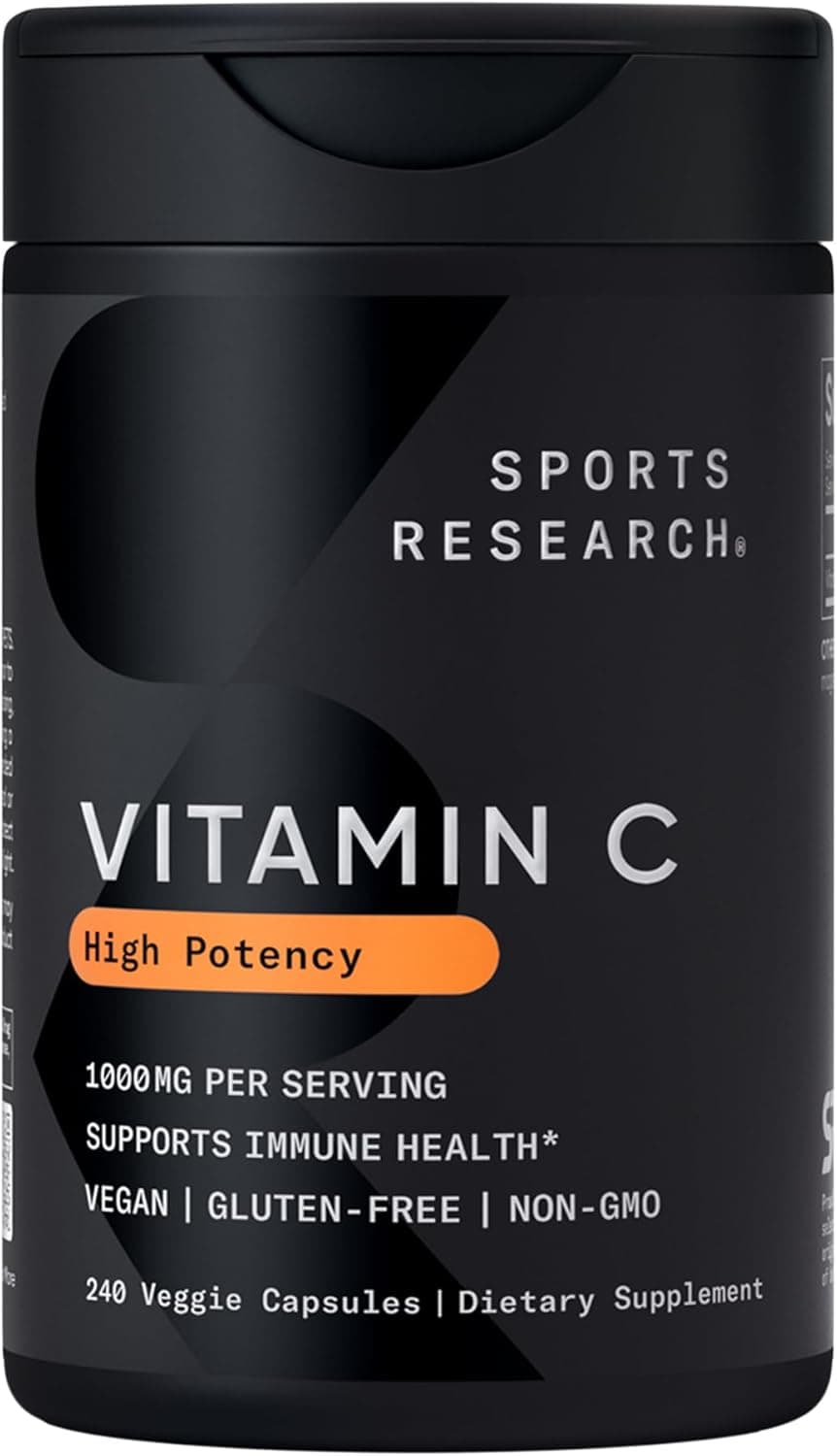
Suppliers
Vendors carrying Vitamin C, with live product details and codes. Links are affiliate links that support the wiki at no cost to you.
PCT.Zone
Vitamin C
Amazon
Vitamin C
Research
- 1985first citedRegulation of collagen biosynthesis by ascorbic acid: a review
- 2013meta-analysisVitamin C for preventing and treating the common cold
- 2023most active year3 papers
- 2026most recentVitamin C in the Treatment of Colorectal Cancer: Between Hope and Despair
- 1.Vitamin C: the known and the unknown and Goldilocks
- 2.Vitamin C for preventing and treating the common cold
- 3.Regulation of collagen biosynthesis by ascorbic acid: a review
- 4.Vitamin C pharmacokinetics: implications for oral and intravenous use
- 5.Vitamin C selectively kills KRAS and BRAF mutant colorectal cancer cells by targeting GAPDH
- 6.Restoration of TET2 Function Blocks Aberrant Self-Renewal and Leukemia Progression
- 7.The Ten-Eleven Translocation-2 (TET2) gene in hematopoiesis and hematopoietic diseases
- 8.Parenteral ascorbate as a cancer therapeutic: a reassessment based on pharmacokinetics
- 9.Intravenous Vitamin C for Patients Hospitalized With COVID-19: Two Harmonized Randomized Clinical Trials
- 10.High-Dose Intravenous Vitamin C Combined with Docetaxel in Men with Metastatic Castration-Resistant Prostate Cancer: A Randomized Placebo-Controlled Phase II Trial
- 11.Vitamin C in critical illness: end of the story or still a place?
- 12.Abrupt termination of vitamin C from ICU patients may increase mortality: secondary analysis of the LOVIT trial
15 listed here; entry last updated August 2026
Reviews
My notesprivate to this device
FAQ
Does vitamin C prevent colds?
For most people it does not prevent them, but regular intake can modestly shorten their duration.
How much is too much?
Past a few grams a day you mostly get diarrhea; the body caps how much it absorbs.
Why take it with iron?
Vitamin C boosts absorption of non-heme (plant) iron, so it pairs well with iron-rich meals or supplements.
Is buffered or liposomal better?
Buffered forms are gentler on the stomach; liposomal claims better absorption, though plain ascorbic acid works fine for most.
Adverse effects
- High doses mainly cause diarrhea and digestive upset
- Can increase oxalate, which may matter for stone-formers
Notes and cautions
- Otherwise well tolerated because excess is excreted