
spec sheet10 rows
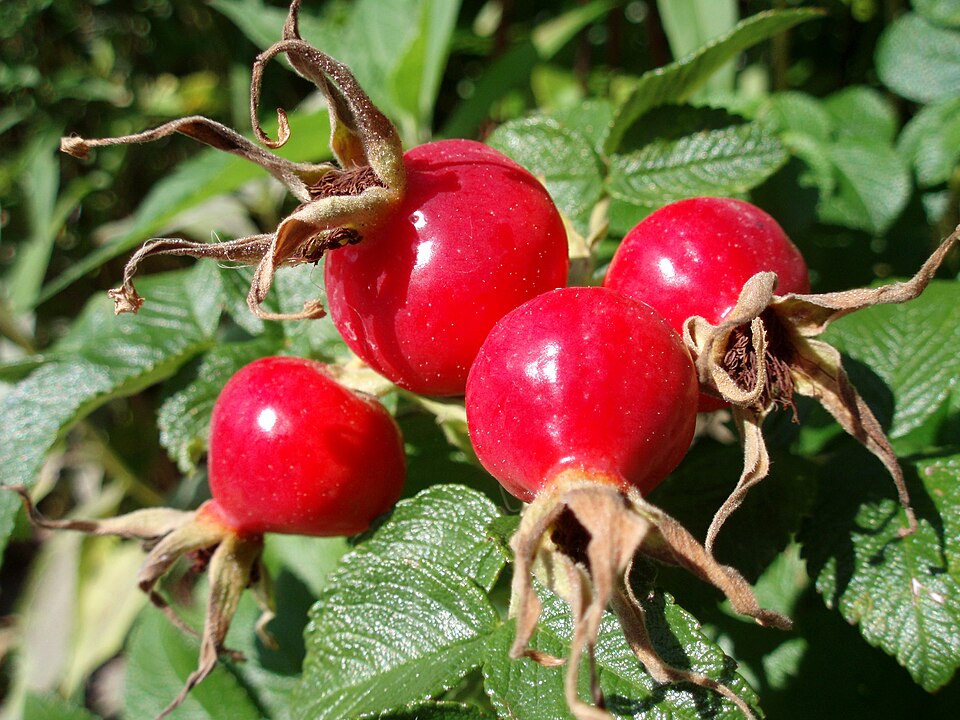
Rose hip is the fruit of the rose plant, the small berry-like structure left behind after the flower fades, and rose hip extract is the concentrated preparation made from it. The fruit of species such as Rosa canina is rich in vitamin C, carotenoids, polyphenols, and a fatty acid derivative known as GOPO. Powders and extracts made from rose hip are used as foods and dietary supplements, and they have been studied mainly for joint pain in osteoarthritis.
- Eases osteoarthritis joint pain
- Anti-inflammatory (GOPO)
- Antioxidant
- Supports collagen via vitamin C
- Immune support
- Mild stomach upset
- Nausea
- Loose stools or diarrhea
- Heartburn
- Allergic reaction in sensitive individuals
Overview
Rose hip is the accessory fruit produced by roses, typically red to orange when ripe, and the dog rose, Rosa canina, is the species most often used for supplements. Standardized rose hip powder is made by drying and milling the fruit, sometimes together with the seeds and husks, to preserve its natural constituents [4]. Among these are high levels of vitamin C, carotenoid pigments, and polyphenols, along with triterpene acids such as oleanolic, ursolic, and betulinic acid, and a galactolipid commonly abbreviated GOPO that has drawn particular research interest [3][4].
Rose hips have a long history as food and folk remedy, used across Europe in soups, jams, syrups, and teas, and valued in times of scarcity as a source of vitamin C. Today they are sold as dried fruit, teas, oils pressed from the seeds, and as powders and extracts marketed as dietary supplements rather than as licensed medicines [3].
Most clinical research on rose hip has focused on osteoarthritis. A meta-analysis of randomized controlled trials found that standardized rose hip powder produced a small reduction in joint pain compared with placebo, while noting that the underlying evidence was limited and warranted larger, independent studies [1]. Individual double-blind trials have likewise reported improvements in pain and hip mobility in people with osteoarthritis who took the powder [2]. Reviews of the plant's active molecules attribute these effects to combined anti-inflammatory and antioxidant actions rather than to any single ingredient [3].
Because rose hip is treated as a food-derived product, its powders and extracts are generally regulated as dietary supplements or nutraceuticals rather than as approved drugs, and product strength and composition can vary between brands [3]. Preparations are available as capsules, loose or milled powder, teas, and seed oils, the last of which is used mainly in cosmetics and skin care.
Mechanism
The effects attributed to rose hip are thought to arise from its anti-inflammatory and antioxidant constituents acting together. Laboratory work has shown that extracts of the standardized powder can inhibit the activity of white blood cells and reduce the release of inflammatory messengers such as interleukin-6, an effect traced in part to a mixture of triterpene acids including oleanolic and ursolic acid [4]. The galactolipid GOPO, isolated from the fruit and seeds, has been reported to blunt inflammatory signaling and the migration of immune cells into joints [3]. Its abundant vitamin C and polyphenols add antioxidant capacity that may help protect tissues from , which together with the anti-inflammatory actions is used to explain its modest benefit in osteoarthritis [1][3].
receptor fingerprint
White blood cell chemotaxis (via GOPO)inhibits
C-reactive proteinlowers
Reactive oxygen speciesscavenges
Collagen synthesis (via vitamin C)supports
Immune functionsupports
Dosingtypical ranges, not medical advice
interested in protocols and clinical dosages? make an account to see them! ^_^
Safetyrisks and cautions, not medical advice
Generally very well tolerated; mild GI upset is the main complaint. Its high vitamin C content could theoretically matter for people prone to kidney stones at very high intakes. It has a mild blood-thinning potential from vitamin C and other components. Overall a low-risk supplement.
Subjective profileweighing the evidence above
A solid, gentle herbal option for joint comfort with real osteoarthritis data; not dramatic, but genuinely useful.
Resources
This entry is here for reference.
Research
- 2003first citedThe Effects of a Standardized Herbal Remedy Made from a Subtype of Rosa canina in Patients with…
- 2008meta-analysisDoes the hip powder of Rosa canina (rosehip) reduce pain in osteoarthritis patients? A meta-ana…
- 2021most recentAnti-Inflammatory and Analgesic Effects of Rosehip in Inflammatory Musculoskeletal Disorders an…
- 1.Does the hip powder of Rosa canina (rosehip) reduce pain in osteoarthritis patients? A meta-analysis of randomized controlled trials.
- 2.The Effects of a Standardized Herbal Remedy Made from a Subtype of Rosa canina in Patients with Osteoarthritis: A Double-Blind, Randomized, Placebo-Controlled Clinical Trial.
- 3.Anti-Inflammatory and Analgesic Effects of Rosehip in Inflammatory Musculoskeletal Disorders and Its Active Molecules.
- 4.Isolation of immunomodulatory triterpene acids from a standardized rose hip powder (Rosa canina L.).
4 listed here; entry last updated August 2026
Reviews
My notesprivate to this device
FAQ
What makes rose hip work for joints?
A galactolipid called GOPO reduces inflammatory white-cell activity, on top of its vitamin C and polyphenols.
How long until it helps joint pain?
Studies usually show benefit after several weeks of consistent use, not overnight.
Is it just vitamin C?
No; vitamin C matters, but the anti-inflammatory joint effect is credited largely to GOPO.
Is it safe long term?
It's well tolerated; the main issue is mild GI upset in some people.
Does processing matter?
Yes; GOPO is heat-sensitive, so gently processed standardized powders are preferred.
Adverse effects
- Mild stomach upset
- Nausea
- Loose stools or diarrhea
- Heartburn
- Allergic reaction in sensitive individuals
Notes and cautions
- Generally well tolerated