
spec sheet13 rows
Retinol is a fat-soluble vitamin and the alcohol form of vitamin A, essential for vision, immune function, skin, and the regulation of gene activity. It is obtained from animal foods such as liver, eggs, and dairy, while plant carotenoids serve as precursors the body can convert. Widely used in dermatology and cosmetics, it is beneficial in normal amounts but toxic in excess, and is a known cause of birth defects when overconsumed during pregnancy.
- A proven anti aging skincare ingredient
- Softens wrinkles and refines skin texture topically
- Builds collagen; fades dark spots over weeks
- Essential vitamin A for vision and immune function
- Cheap, everywhere, and decades deep in dermatology
- In excess, headache, nausea, and blurred vision (hypervitaminosis A)
- Dry skin or lips, especially with retinoid use
- Liver strain with chronic high intake
Overview
Retinol is one form of vitamin A, a fat-soluble nutrient found in food and supplements. Chemically it is the alcohol form of vitamin A1, and the body can interconvert it with related retinoids such as retinal and retinoic acid [1]. Preformed retinol occurs naturally only in animal-derived foods, including liver, fish, eggs, butter, and dairy products, whereas many plants supply carotenoid precursors, such as beta-carotene, that the body converts into vitamin A.
Retinol and its derivatives are essential to several body systems. In the eye, retinol is converted to the aldehyde 11-cis-retinal, which combines with the protein opsin to form the light-sensitive pigment that makes vision possible; a shortage leads to night blindness. Through its conversion to retinoic acid, vitamin A regulates gene expression by activating nuclear retinoic acid receptors, a process central to embryonic development and the differentiation of cells [1]. Vitamin A also supports the immune system and helps maintain the skin and other epithelial barriers [2].
Vitamin A deficiency is a major public-health problem in parts of the world and is a leading cause of preventable blindness in children. In dermatology and cosmetics, topical retinol is widely used to improve the appearance of fine wrinkles and skin texture [2]. Excess vitamin A, however, is harmful: too much can cause a toxic state known as hypervitaminosis A, and high intake of preformed vitamin A in early pregnancy is associated with a significant increase in birth defects. The retinoid signaling pathway is powerful and double-edged; while retinoid drugs treat certain cancers and skin diseases, activating this pathway can also cause metabolic disturbance and other harms [4]. Consistent with caution about high intakes, a large meta-analysis of antioxidant supplement trials found that vitamin A supplementation was associated with increased mortality, and regulators have recently moved to limit the concentration of retinol permitted in cosmetic products [3].

Mechanism
Retinol acts through several chemically distinct forms. For vision, it is converted to 11-cis-retinal, which binds the protein opsin in the light-sensing cells of the retina; the absorption of light changes the shape of the retinal molecule and triggers the nerve signal underlying sight. For its broader effects on cells, retinol is oxidized to retinoic acid, which enters the nucleus and switches genes on or off by activating nuclear retinoic acid receptors, thereby guiding embryonic development, cell differentiation, and tissue maintenance [1][4]. This same receptor signaling supports immune defenses and the health of skin and epithelial surfaces [2]. Because the pathway is so influential, both too little and too much vitamin A are damaging: deficiency impairs vision and immunity, while excess disrupts these tightly regulated signals and can be toxic [3][4].
receptor fingerprint
Retinoic acid receptorsactivates (via retinoic acid)
Collagen synthesisincreases
Visual cycle (rhodopsin)essential cofactor
Epithelial differentiationregulates
Immune cell functionsupports
Dosingtypical ranges, not medical advice
interested in protocols and clinical dosages? make an account to see them! ^_^
Safetyrisks and cautions, not medical advice
Topically, retinol commonly causes dryness, redness, peeling, and sun sensitivity, especially early on. Orally, excess vitamin A is genuinely toxic: it can cause headaches, liver damage, bone issues, and, importantly, birth defects, so it must be avoided in high doses during pregnancy. Because it's fat-soluble, it accumulates, so respect upper limits.
Interactionsdocumented pairs only, not exhaustive
Preformed vitamin A is stored in the liver, so its interactions come from stacking rather than from enzymes. Taking retinol alongside isotretinoin, acitretin or another systemic retinoid adds to the same total retinoid load and can produce hypervitaminosis A: headache, dry mucous membranes, hair loss and liver injury.
The interaction with tetracyclines is sharper. Tetracycline, doxycycline and minocycline each raise intracranial pressure on their own, and pairing them with retinoid or high-dose vitamin A exposure has produced pseudotumor cerebri with papilledema and vision loss. Retinoid labeling treats that combination as contraindicated.
Running the other way, orlistat, cholestyramine, colestipol and mineral oil reduce fat absorption and with it the uptake of retinol, so prolonged use can pull vitamin A status down. Large vitamin A doses have been reported to potentiate warfarin by depressing prothrombin, and chronic alcohol use amplifies hepatic toxicity at any given retinol intake.
Checking a whole stack? Run it through interactions + stacks.
Subjective profileweighing the evidence above
A proven anti-aging skincare ingredient and an essential vitamin; effective either way, just don't overdose the oral form.
Where to buy
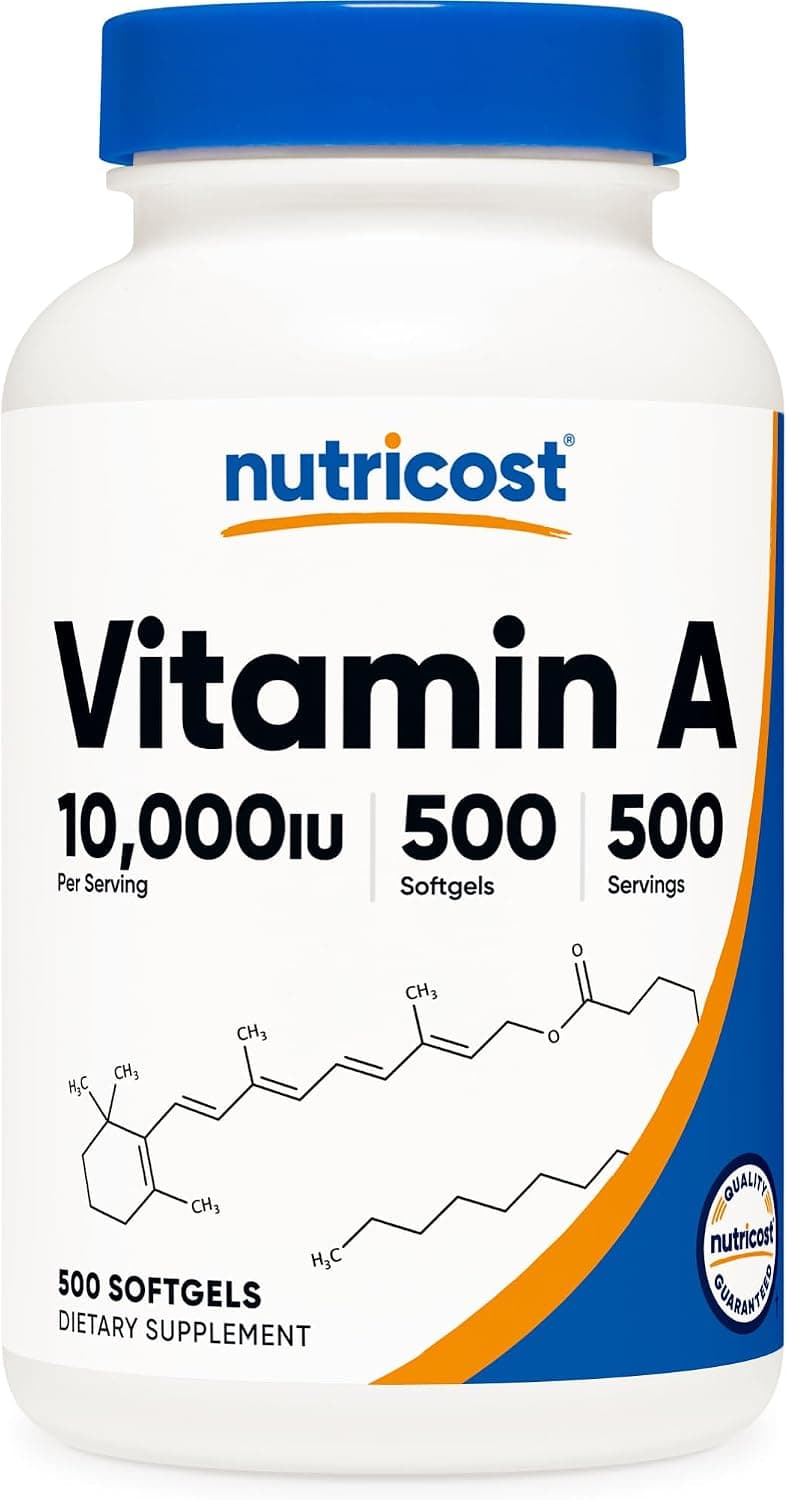
Suppliers
Vendors carrying Retinol, with live product details and codes. Links are affiliate links that support the wiki at no cost to you.
Amazon
Vitamin A
Research
- 2007first citedMortality in randomized trials of antioxidant supplements for primary and secondary prevention:…
- 2024most recentThe pathogenic role of retinoid nuclear receptor signaling in cancer and metabolic syndromes
- 1.Retinoic acid synthesis and signaling during early organogenesis
- 2.Illuminating the Role of Vitamin A in Skin Innate Immunity and the Skin Microbiome: A Narrative Review
- 3.Mortality in randomized trials of antioxidant supplements for primary and secondary prevention: systematic review and meta-analysis
- 4.The pathogenic role of retinoid nuclear receptor signaling in cancer and metabolic syndromes
4 listed here; entry last updated August 2026
Reviews
My notesprivate to this device
FAQ
Is retinol the same as retinoic acid?
No; retinol converts in skin to retinoic acid (the tretinoin active), which is why it's gentler but slower.
Why does my skin peel with retinol?
It speeds cell turnover, so initial dryness and peeling are common; ease in slowly.
Can I take vitamin A freely?
No; it's fat-soluble and accumulates, so high oral doses can be toxic and harm the liver.
Is it safe in pregnancy?
High-dose vitamin A and retinoids carry birth-defect risk, so avoid them when pregnant.
Should I use it in the morning?
Use topical retinol at night since it degrades in light and increases sun sensitivity.
Adverse effects
- In excess, headache, nausea, and blurred vision (hypervitaminosis A)
- Dry skin or lips, especially with retinoid use
- Liver strain with chronic high intake
- Risk of birth defects if overconsumed during pregnancy
- Skin irritation or sun sensitivity with topical use