
spec sheet10 rows
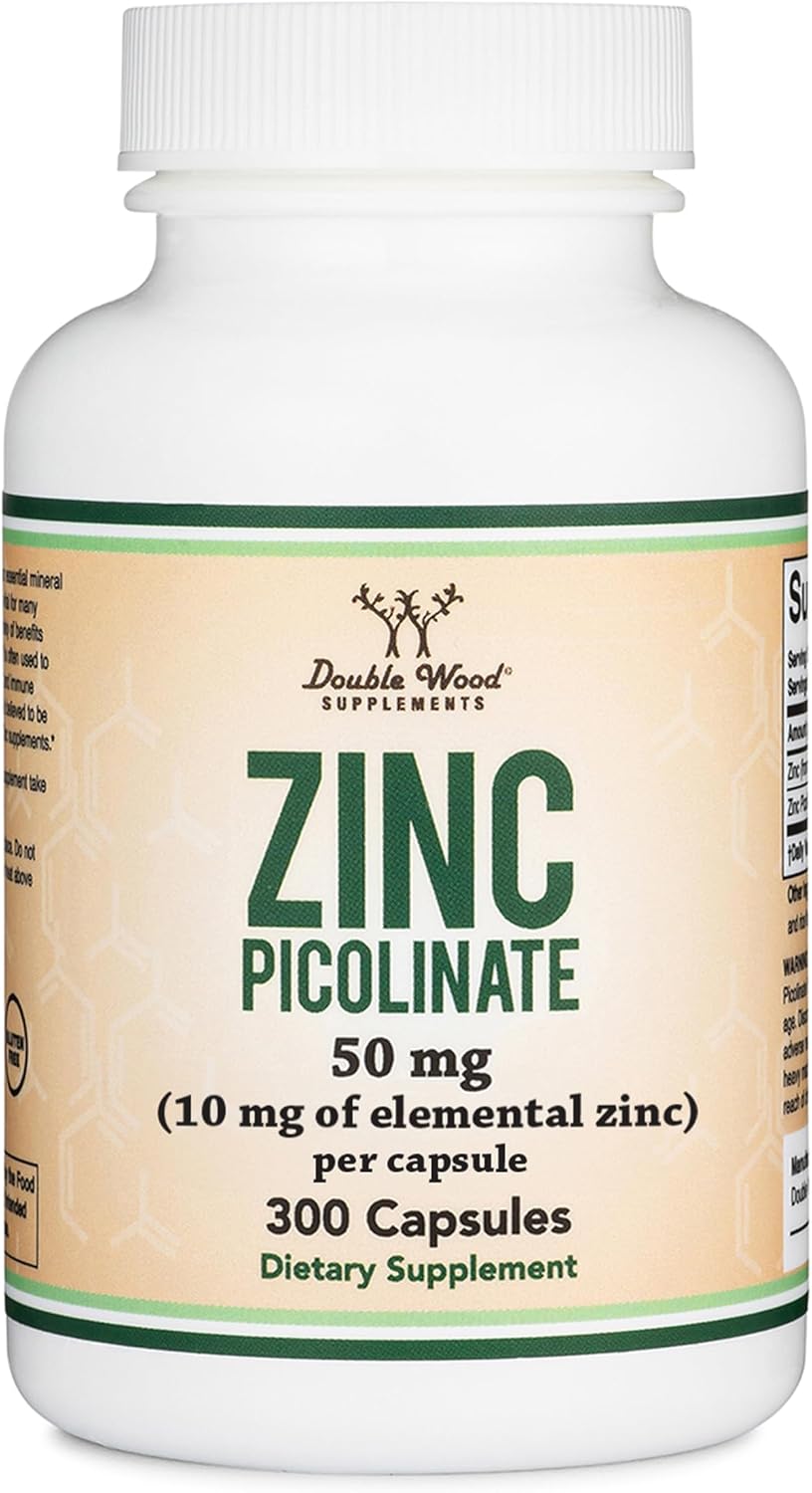
Zinc picolinate is a dietary supplement form of the essential mineral zinc, in which zinc is bound to picolinic acid, a natural metabolite of the amino acid tryptophan. Like other zinc supplements it is used to help meet zinc requirements and to correct or prevent zinc deficiency. It is often promoted for having good intestinal absorption, a claim supported by some, though limited, human research.
- Zinc bound to picolinic acid for strong intestinal absorption
- Supports immune function day to day
- Aids hormone metabolism and everyday hormonal support
- Helps wound healing and skin repair
- Gentler on the stomach than harsher zinc salts
- A great default zinc for daily use
- Taken on an empty stomach, it can cause nausea or stomach upset
- Prolonged high intake of any zinc supplement can cause copper deficiency and related anemia
- Can interfere with the absorption of certain antibiotics and other minerals taken at the same time
Overview
Zinc picolinate is a coordination compound in which a zinc ion is chelated by two molecules of picolinic acid, forming a stable complex; picolinic acid is itself a naturally occurring breakdown product of the amino acid tryptophan [1]. As a supplement it is one of several zinc salts, alongside zinc gluconate, zinc citrate, zinc sulfate, and zinc acetate, that are used to deliver elemental zinc, an essential trace mineral needed for the activity of numerous enzymes and for immune function, growth, and wound healing [1][3].
The main use of zinc picolinate is nutritional: correcting or preventing zinc deficiency and supporting overall zinc status [1][3]. Zinc deficiency, which remains common in parts of the world with limited access to zinc-rich animal foods, can impair growth, immunity, skin health, and the sense of taste, and supplemental zinc in any well-absorbed form can help restore adequate levels [3].
The picolinate form is frequently marketed as being especially well absorbed. This claim rests largely on a small double-blind crossover trial in healthy volunteers, which reported that hair, urine, and red-blood-cell zinc rose significantly after supplementation with zinc picolinate but not with zinc citrate, zinc gluconate, or placebo, leading the authors to suggest that binding zinc to picolinic acid improves its absorption [2]. The evidence base is limited, however, and for most people any adequately dosed zinc supplement can raise zinc levels [3].
Zinc picolinate is regulated as a dietary supplement rather than as a drug, and it is sold over the counter in capsule and tablet form [1]. As with all zinc supplements, chronic excessive intake can interfere with copper absorption and cause copper deficiency, so total zinc intake matters more than the particular salt chosen [3].
Mechanism
Zinc picolinate works by delivering the zinc ion (Zn2+), which is the biologically active species; picolinic acid serves as the carrier . Once absorbed, the zinc released from the complex enters the body's general zinc pool and functions identically to zinc from any other source, acting as a catalytic and structural cofactor for hundreds of enzymes and zinc-finger proteins involved in metabolism, gene regulation, immunity, and tissue repair [1][3].
The rationale for the picolinate form concerns absorption rather than any distinct biological action. Picolinic acid is a natural chelator produced during tryptophan metabolism, and it has been proposed to bind zinc in a way that keeps it soluble and available for uptake across the intestinal lining, potentially shielding it from dietary components such as phytates that otherwise reduce zinc absorption [1][2]. A controlled crossover study found greater increases in tissue zinc markers with zinc picolinate than with citrate or gluconate forms, which is the principal support for this idea [2].
Regardless of the delivery form, once inside the body zinc is subject to the same tightly regulated handling by transporter proteins and the storage protein metallothionein, and it interacts with copper and iron; high or prolonged zinc intake induces metallothionein in the gut, which binds copper and can reduce copper absorption [3]. In short, the picolinate carrier may influence how efficiently zinc is taken up, but it does not change zinc's downstream physiology [1][3].
receptor fingerprint
Immune cell functionsupports
Zinc-dependent enzymescofactor
Copper absorptioncompetes with
Intestinal absorptionenhances
Dosingtypical ranges, not medical advice
interested in protocols and clinical dosages? make an account to see them! ^_^
Safetyrisks and cautions, not medical advice
Well tolerated, with occasional nausea if taken on an empty stomach. The main long-term caution is copper deficiency from sustained high intake, which can cause anemia and neurological issues. Keep chronic doses reasonable and add copper if using higher amounts.
Subjective profileweighing the evidence above
A reliable, well-absorbed everyday zinc. Great default form for immune and hormonal support. Just watch total dose over the long haul.
Where to buy
Suppliers
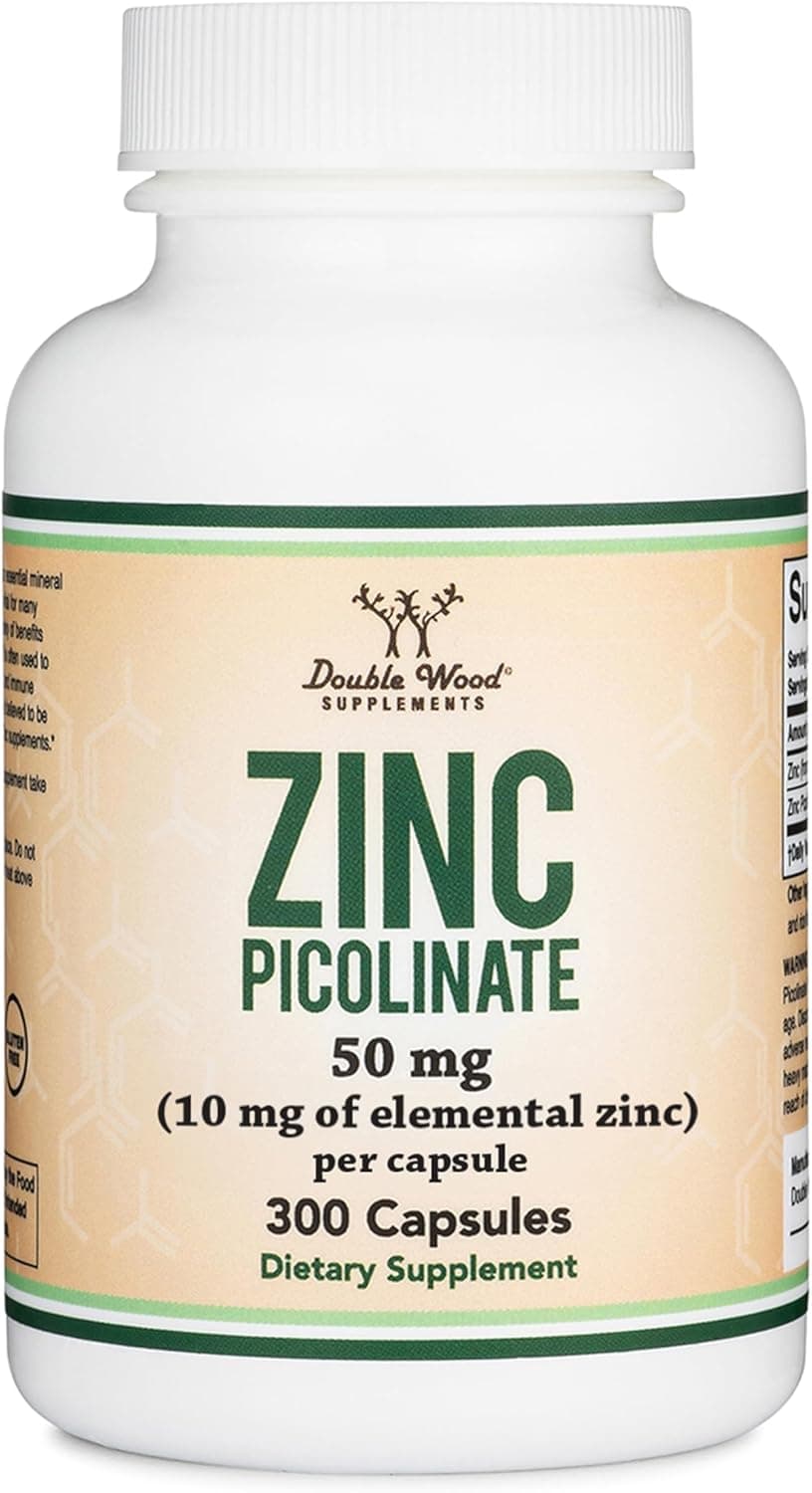
Vendors carrying Zinc Picolinate, with live product details and codes. Links are affiliate links that support the wiki at no cost to you.
Amazon
Zinc Picolinate
Research
- 1987first citedComparative absorption of zinc picolinate, zinc citrate and zinc gluconate in humans
- 2019most recentNutraceuticals for major depressive disorder- more is not merrier: An 8-week double-blind, rand…
- 1.Nutraceuticals for major depressive disorder- more is not merrier: An 8-week double-blind, randomised, controlled trial.
- 2.Comparative absorption of zinc picolinate, zinc citrate and zinc gluconate in humans
- 3.Zinc: health effects and research priorities for the 1990s
3 listed here; entry last updated August 2026
Reviews
My notesprivate to this device
FAQ
Is picolinate better than other forms?
It absorbs well and is a solid default, though citrate and gluconate are also fine.
Does the form change the benefits?
No, the benefits come from elemental zinc; picolinate mainly aids absorption.
Can I take it daily?
Yes at modest doses; pair higher intakes with copper to stay balanced.
Why with food?
Zinc on an empty stomach often causes nausea.
Adverse effects
- Taken on an empty stomach, it can cause nausea or stomach upset
- Prolonged high intake of any zinc supplement can cause copper deficiency and related anemia
- Can interfere with the absorption of certain antibiotics and other minerals taken at the same time
- Sold as an over-the-counter supplement; beyond correcting zinc deficiency it is not a treatment for any specific disease
Notes and cautions
- Evidence that it absorbs better than other zinc forms is limited to small studies