
spec sheet14 rows
Vitamin D3 (cholecalciferol) is a fat-soluble secosteroid synthesized in the skin under ultraviolet B light and obtained from a few foods, becoming biologically active only after sequential hydroxylation in the liver and kidney to calcitriol (1,25-dihydroxyvitamin D). Beyond its classical control of calcium absorption and bone mineralization, calcitriol acts through the nuclear vitamin D receptor to regulate hundreds of target genes and to epigenetically program monocytes, macrophages and dendritic cells; immune cells can generate the active hormone locally to induce antimicrobial peptides such as cathelicidin and to trigger autophagy against intracellular pathogens including Mycobacterium tuberculosis. In the large VITAL randomized trial, several years of supplementation modestly reduced the incidence of autoimmune disease and of advanced or fatal cancer, while showing largely neutral effects on major cardiovascular events. Prolonged deficiency causes rickets in children and osteomalacia in adults, and the vitamin appears on the World Health Organization list of essential medicines.
- One of the few supplements worth a broad recommendation
- Runs calcium absorption and bone mineralization
- Acts as a hormone that programs your immune cells
- Triggers antimicrobial peptides like cathelicidin inside those cells
- The large VITAL trial showed modest autoimmune and cancer reductions
- Mood often lifts once a deficiency is corrected
Overview
Cholecalciferol, known as vitamin D3, is a fat-soluble member of the secosteroid family, a class of steroid-like molecules in which one ring is broken open [1]. Unusually for a vitamin, most human vitamin D is not obtained from food but produced in the skin, where ultraviolet B radiation from sunlight converts a cholesterol derivative, 7-dehydrocholesterol, into vitamin D3 [1]. Relatively few foods contain it naturally, chiefly fatty fish, egg yolk, and liver, so many countries fortify milk and other staples, and it is widely sold as a supplement [1].
Vitamin D3 itself is inactive and must be converted in two steps: the liver adds a hydroxyl group to form calcidiol, the circulating form measured to assess status, and the kidney adds another to produce calcitriol, the hormonally active form [1]. Calcitriol acts through the vitamin D receptor, a nuclear receptor found in many tissues, and its best-established role is to promote absorption of calcium and phosphate from the intestine and to help maintain bone [1]. Through these actions vitamin D is central to skeletal health across the lifespan [1][3].
When vitamin D is insufficient, the body cannot absorb enough calcium, and bones fail to mineralize properly, causing rickets in children and osteomalacia in adults, and contributing to osteoporosis and fracture risk in older people [1]. Deficiency is common worldwide and is more likely with limited sun exposure, living at higher latitudes, darker skin, older age, and obesity [1]. Low vitamin D status has been associated in observational studies with a range of other conditions, including infections, autoimmune diseases, and some cancers, though whether supplementation prevents these outcomes is less certain [1].
The principal medical use of vitamin D3 is to prevent and treat deficiency and the bone diseases it causes, and it is often given together with calcium for bone health [3]. Beyond bone, it has been extensively studied for other outcomes; a large individual-participant analysis of randomized trials found that regular vitamin D supplementation modestly reduced the risk of acute respiratory infections, with the greatest benefit in those who were most deficient [2]. For many other proposed uses the evidence remains mixed or unproven [1][2].
Vitamin D3 is available over the counter in most countries as a dietary supplement, though some jurisdictions restrict higher-strength products to prescription, and it is manufactured by ultraviolet irradiation of a precursor extracted from lanolin in sheep's wool, with lichen-derived material used for vegan products [1]. Vitamin D2, or ergocalciferol, is a related plant-derived form used similarly [1]. Because it is fat-soluble and stored in the body, excessive supplemental intake over time can cause toxicity through raised blood calcium, so upper limits on daily intake have been set [1].

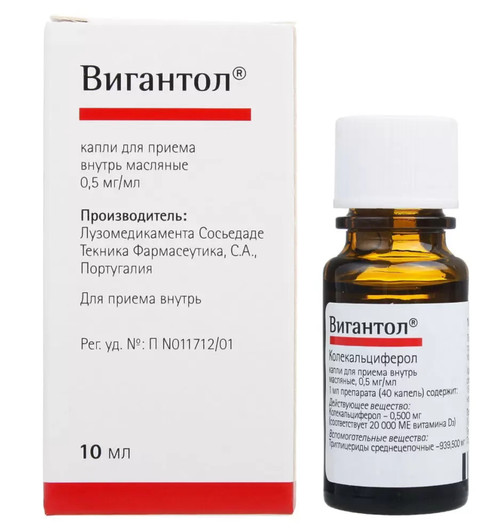

- Vitamin D3 is not truly a vitamin but a prohormone; the body makes it in skin exposed to ultraviolet B light and must chemically activate it in the liver and kidney.
- In the large VITAL randomized trial, about five years of vitamin D supplementation reduced the incidence of confirmed autoimmune disease by roughly 22%.
- Immune cells can produce the active form of vitamin D locally to switch on antimicrobial defenses, including responses against the tuberculosis bacterium.
Mechanism
Vitamin D3 functions as a prohormone rather than acting directly [1]. After it is made in the skin or absorbed from the diet, it is carried to the liver, where it is hydroxylated to 25-hydroxyvitamin D, also called calcidiol; this is the main storage and transport form and the one measured to judge vitamin D status [1]. The kidney then performs a second, tightly regulated hydroxylation to produce 1,25-dihydroxyvitamin D, or calcitriol, the active hormone [1]. Calcitriol binds the vitamin D receptor, a nuclear receptor that pairs with the retinoid X receptor and alters the transcription of a large number of genes [1].
Through this genomic action it increases the intestinal absorption of calcium and phosphate, works with parathyroid hormone to regulate the release of calcium from and its deposition into bone, and modulates cells of the immune system, which is the basis for its central role in mineral and skeletal homeostasis and for its wider physiological effects [1]. When vitamin D is lacking, calcium absorption falls, parathyroid hormone rises to compensate, and bone mineralization is impaired, producing rickets or osteomalacia [1].
receptor fingerprint
Vitamin D receptor (VDR)agonist
Calcium and phosphate absorptionenhances
Immune cell modulationmodulates
Muscle functionsupports
Dosingtypical ranges, not medical advice
interested in protocols and clinical dosages? make an account to see them! ^_^
Safetyrisks and cautions, not medical advice
At sensible doses vitamin D3 is safe, but because it is fat-soluble it can accumulate, and very high chronic doses can cause toxicity with high calcium, nausea, and kidney issues. Testing blood levels helps avoid both deficiency and excess. Pairing with vitamin K2 is often suggested to direct calcium into bone rather than soft tissue.
Interactionsdocumented pairs only, not exhaustive
Phenytoin accelerates the catabolism of 25-hydroxyvitamin D3 and 1,25-dihydroxyvitamin D3 through CYP450 enzyme induction, reducing active vitamin D metabolites and causing vitamin D deficiency with secondary hypocalcemia [20]. Glucocorticoids including dexamethasone interact with vitamin D3 at the transcriptional level; in experimental models, low-dose glucocorticoids enhance vitamin D3-dependent calcium transport while high-dose glucocorticoids antagonize it [21].
Vitamin D3 coadministration can partially offset the adverse calcium metabolism effects of chronic glucocorticoid therapy [22]. Calcium and vitamin D3 are often coadministered and are physiologically synergistic for bone health, though they are not strictly a drug-drug interaction. Studies on vitamin D3 with oral bisphosphonates, thyroid replacement, thiazide diuretics, and other commonly used medications are sparse or absent.
Checking a whole stack? Run it through interactions + stacks.
History
Vitamin D was identified in the early twentieth century through efforts to understand and cure rickets, the bone-deforming disease of childhood. In 1919 the English researcher Edward Mellanby produced rickets experimentally in dogs and showed it could be prevented by cod liver oil, and in 1922 the American biochemist Elmer McCollum distinguished the responsible fat-soluble factor from vitamin A and named it vitamin D. The recognition that sunlight could also cure rickets led to the understanding that the vitamin is a secosteroid formed in skin under ultraviolet light.
The German chemist Adolf Windaus, who received the Nobel Prize in Chemistry in 1928 for his research on sterols and their relation to vitamins, was central to elucidating the structure of the vitamin D compounds, and cholecalciferol (vitamin D3) was characterized in the 1930s. Later work established that D3 is a prohormone activated by sequential hydroxylation in the liver and kidney. It now appears on the World Health Organization's list of essential medicines.
Reputation
Vitamin D3 is among the most widely used supplements in the world, esteemed for its central role in calcium absorption and the building of strong bones; correcting deficiency reliably prevents rickets in children and osteomalacia in adults. Scientific appreciation of the vitamin has broadened considerably as researchers uncovered its receptor in tissues throughout the body and its influence over hundreds of genes and over cells of the immune system, including the ability of immune cells to generate the active hormone locally to fight pathogens.
Large randomized trials such as VITAL have added nuance and encouragement, showing that several years of supplementation modestly reduced the incidence of autoimmune disease and of advanced or fatal cancer, while effects on cardiovascular events appeared largely neutral. This blend of a rock-solid skeletal role and intriguing wider effects keeps it both broadly trusted and actively studied, with the caveat that not every hoped-for benefit has been confirmed.
Subjective profileweighing the evidence above
One of the few supplements worth a broad endorsement, especially if you are deficient; test, then dose, and pair with K2.
Where to buy
3 other outlets


Suppliers
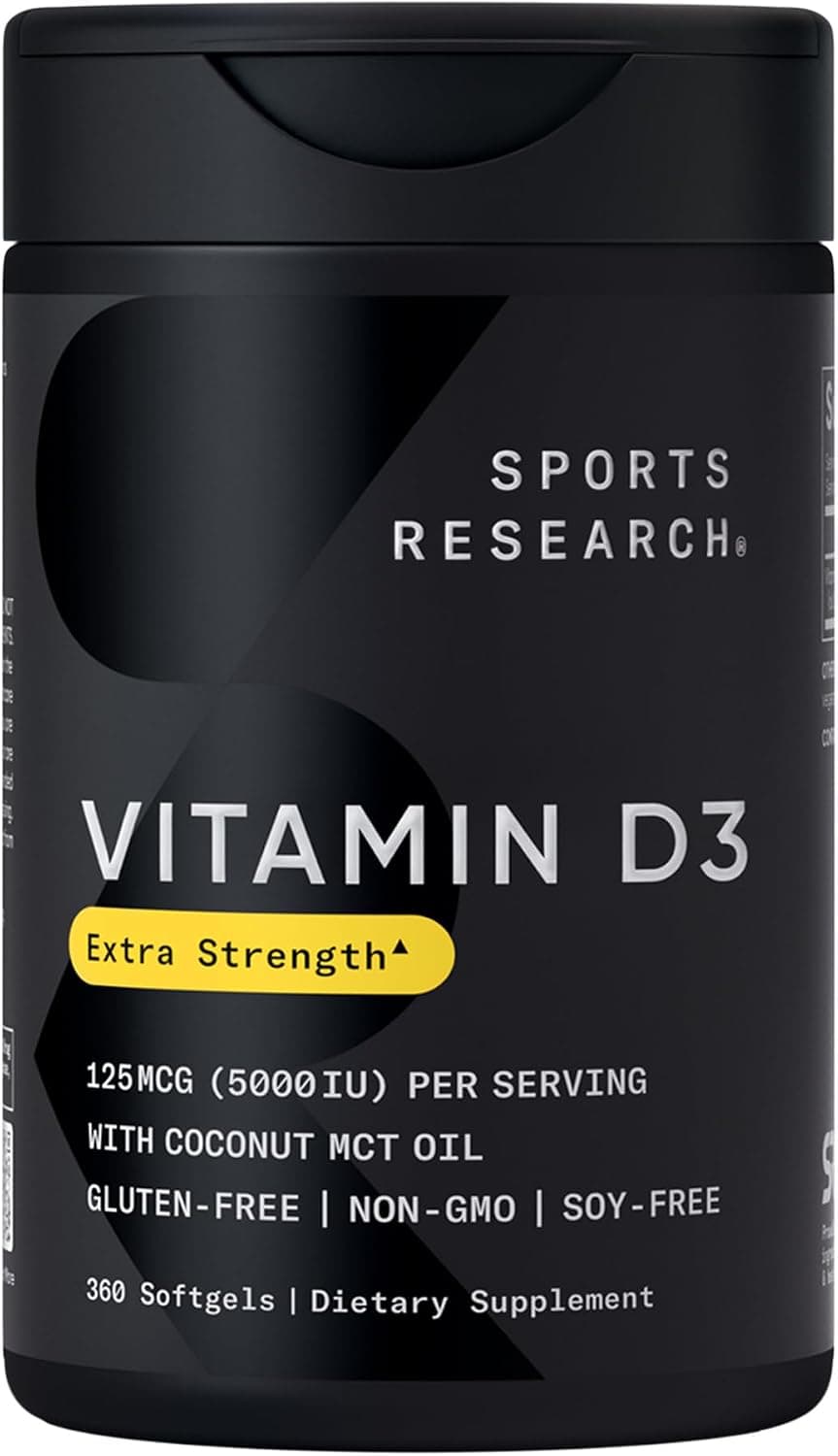
Vendors carrying Vitamin D3, with live product details and codes. Links are affiliate links that support the wiki at no cost to you.
PCT.Zone
Vitamin D3
RUPharma🌐
Cholecalciferol
Amazon
Vitamin D3
iHerb
Vitamin D3
Research
- 1984first cited25-Hydroxycholecalciferol as an antagonist of adverse corticosteroid effects on phosphate and c…
- 2017meta-analysisVitamin D supplementation to prevent acute respiratory tract infections: systematic review and…
- 2020most active year5 papers
- 2025most recentVitamin D: Evidence-Based Health Benefits and Recommendations for Population Guidelines
- 1.Vitamin D deficiency: a worldwide problem with health consequences
- 2.Vitamin D supplementation to prevent acute respiratory tract infections: systematic review and meta-analysis of individual participant data
- 3.Calcium, vitamin D, vitamin K2, and magnesium supplementation and skeletal health
- 4.Vitamin D3 activates the autolysosomal degradation function against Helicobacter pylori through the PDIA3 receptor in gastric epithelial cells
- 5.Nongenomic Activities of Vitamin D
- 6.Vitamin D and Aging: Central Role of Immunocompetence
- 7.Vitamin D3 as Potential Treatment Adjuncts for COVID-19
- 8.Vitamin D: Evidence-Based Health Benefits and Recommendations for Population Guidelines
- 9.Vitamin D Supplements and Prevention of Cancer and Cardiovascular Disease.
- 10.Principal results of the VITamin D and OmegA-3 TriaL (VITAL) and updated meta-analyses of relevant vitamin D trials
- 11.Effect of Vitamin D3 Supplements on Development of Advanced Cancer: A Secondary Analysis of the VITAL Randomized Clinical Trial
- 12.Vitamin D, Marine n-3 Fatty Acids, and Primary Prevention of Cardiovascular Disease: Current Evidence
22 listed here; entry last updated August 2026
Reviews
My notesprivate to this device
FAQ
How much vitamin D should I take?
Often 1000 to 4000 IU daily, but it is best guided by a blood test since needs vary a lot.
Should I take K2 with it?
Many people pair D3 with K2 to help direct calcium into bone rather than soft tissue.
Can I get enough from the sun?
Sometimes in summer, but skin tone, latitude, and sunscreen limit it, so many people fall short in winter.
Does vitamin D help mood?
Correcting a deficiency can help mood, though the effect in already-replete people is small.
Can you take too much?
Yes, it is fat-soluble and accumulates, so very high chronic doses can cause toxicity.
Notes and cautions
- Very high supplemental intake over time can raise blood calcium
- Sun-driven production in skin does not cause toxicity
- Upper intake limits are set for supplements