
spec sheet12 rows
Vitamin B8 (Inositol) Inositol is a naturally occurring sugar alcohol, most abundant as the isomer myo-inositol, that serves as a building block for cell membrane phospholipids and for intracellular signaling molecules. It was once grouped with the B vitamins as vitamin B8, but because the human body synthesizes it, inositol is not considered a true vitamin or an essential nutrient. It occurs in foods such as fruits, beans, grains, and nuts, and myo-inositol together with its isomer D-chiro-inositol has been studied for use in polycystic ovary syndrome and related metabolic conditions.
- One of the better evidenced calm supplements available
- High multigram doses eased anxiety and panic in trials
- Improves insulin sensitivity in PCOS
- Supports regular ovulation in women with PCOS
- A natural building block of cell signaling and membranes
- Mild, sweet powder that dissolves straight into water
Overview
Inositol is a carbocyclic polyol, a six-membered carbon ring bearing a hydroxyl group on each carbon, and it exists as several stereoisomers of which myo-inositol is by far the most common in living organisms [1]. Historically it was labeled vitamin B8 and counted among the B-complex, but this classification was dropped once it became clear that the human body makes its own inositol, chiefly in the kidneys, from glucose [1]. For that reason it is regarded as a conditionally useful nutrient rather than an essential vitamin [1].
Within cells inositol is incorporated into phosphatidylinositol and related membrane phospholipids, which are the source of a family of signaling molecules known as inositol phosphates and phosphoinositides [1]. These second messengers help relay signals from hormones and growth factors across the cell membrane, participate in the release of intracellular calcium, and contribute to the intracellular action of insulin [1][3]. Myo-inositol and its epimer D-chiro-inositol appear to play distinct and complementary roles, and the balance between the two is thought to matter for tissues such as the ovary [3].
Inositol is widely distributed in the diet, occurring in fruits such as citrus and melon, in beans, grains, and nuts, and in the phospholipids of many foods [1]. In plants much of it is stored as phytic acid, a phosphate-rich form that is not readily absorbed by humans and that can bind dietary minerals, whereas inositol from phospholipids is more available [1].
Interest in inositol has centered on polycystic ovary syndrome, a common hormonal and metabolic disorder in which insulin resistance is frequent [2][3]. Because myo-inositol and D-chiro-inositol influence insulin signaling and ovarian steroid production, supplements of one or both have been trialed to improve metabolic measures, ovulation, and related symptoms, often in a ratio reflecting their natural proportions in the body [3]. Systematic review of these trials, including the analysis informing recent international guidelines, found the evidence limited and inconclusive, with possible benefits for some measures but uncertainty overall, though myo-inositol was generally well tolerated [2]. Inositol has also been examined in other metabolic and psychiatric conditions and in pregnancy, with mixed results [1][2].
Inositol is sold as a dietary supplement rather than a licensed medicine in most countries, and it is available as myo-inositol, D-chiro-inositol, and combinations of the two, as well as the related compound inositol nicotinate [1]. It has a long record of low toxicity, and reported side effects at high intake are mainly mild digestive symptoms [1][2].

Mechanism
Inositol acts mainly as a precursor rather than through direct activity of the free molecule [1]. Cells combine myo-inositol with lipids to form phosphatidylinositol, which is then phosphorylated to generate phosphoinositides in the membrane; enzymes cleave these to release inositol trisphosphate and diacylglycerol, classic second messengers that mobilize calcium from internal stores and activate protein kinase C [1]. Through this phosphoinositide signaling system inositol participates in the cellular response to numerous hormones and neurotransmitters [1].
Inositol derivatives also function as mediators in signaling, where myo-inositol and D-chiro-inositol contribute to glucose handling; in the ovary the two isomers have contrasting actions, with D-chiro-inositol favoring androgen synthesis while myo-inositol supports follicle-stimulating hormone signaling and aromatase activity, which is the rationale for studying their balance in polycystic ovary syndrome [3]. The -dependent conversion of myo-inositol to D-chiro-inositol links the relative amounts of the two isomers to insulin status within tissues [3].
receptor fingerprint
Phosphatidylinositol signalingsupports
Serotonergic signalingmodulates
signalingsupports
Ovarian function (PCOS)modulates
Dosingtypical ranges, not medical advice
interested in protocols and clinical dosages? make an account to see them! ^_^
Safetyrisks and cautions, not medical advice
Inositol is well tolerated even at the high doses used in studies, with the main side effects being mild GI upset, nausea, or loose stools at several grams. It is considered low-risk and is even studied in pregnancy for PCOS-related outcomes. Most people handle it comfortably.
Subjective profileweighing the evidence above
One of the more evidence-backed 'supplement' options for anxiety and PCOS; worth trying at proper multi-gram doses.
Where to buy
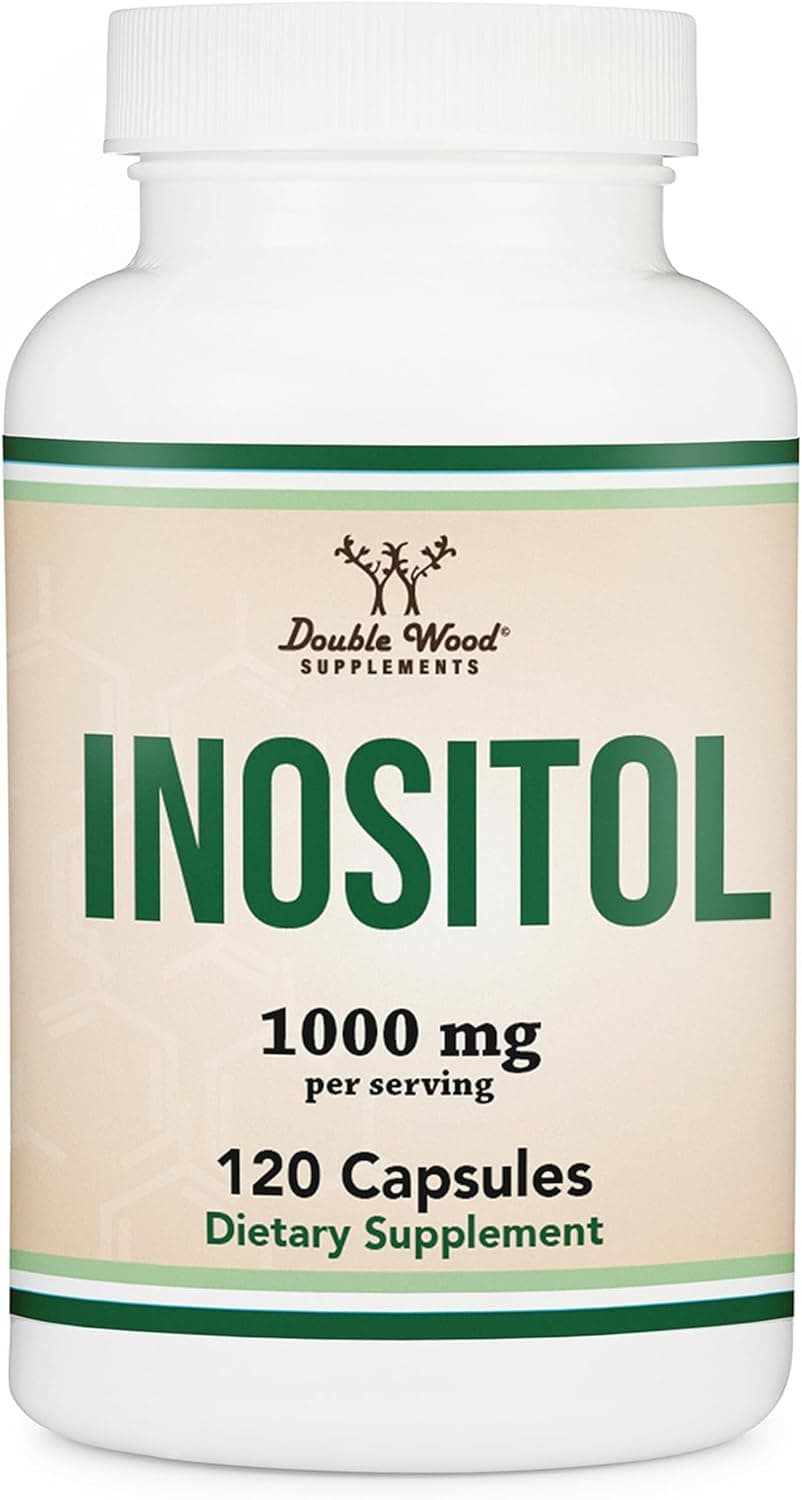
1 other outlet

Suppliers
Vendors carrying Vitamin B8 (Inositol), with live product details and codes. Links are affiliate links that support the wiki at no cost to you.
Amazon
Inositol
iHerb
Inositol
Research
- 2021first citedInositols: From Established Knowledge to Novel Approaches
- 2024most recentInositol for Polycystic Ovary Syndrome: A Systematic Review and Meta-analysis to Inform the 202…
- 1.Inositols: From Established Knowledge to Novel Approaches
- 2.Inositol for Polycystic Ovary Syndrome: A Systematic Review and Meta-analysis to Inform the 2023 Update of the International Evidence-based PCOS Guidelines
- 3.Myo-Inositol and D-Chiro-Inositol as Modulators of Ovary Steroidogenesis: A Narrative Review
3 listed here; entry last updated August 2026
Reviews
My notesprivate to this device
FAQ
Is inositol really a vitamin?
Not truly; it is a sugar alcohol the body can make, but it earned the B8 label historically.
How much do I need for anxiety?
Studies used large doses, often 12 to 18 grams daily split up, so milligram doses will not do much.
Does it help PCOS?
Yes, myo-inositol has good support for insulin sensitivity and ovulation in PCOS, often around 2 to 4 grams.
Is it safe?
Generally very safe; the main issue is loose stools at higher doses.
Limitations of the evidence
- Evidence for many proposed uses remains limited
Notes and cautions
- Generally well tolerated, with mild digestive upset at high intake
- Not an essential vitamin because the body makes its own