
spec sheet12 rows
Tryptophan is an essential, proteinogenic alpha-amino acid used to build proteins and to make several important molecules, including the neurotransmitter serotonin, the sleep hormone melatonin and the vitamin niacin. Because humans cannot synthesise it, it must be obtained from the diet, where it occurs in foods such as meat, fish, eggs, dairy, seeds and legumes. The naturally occurring L-form is also sold as a dietary supplement marketed for mood and sleep, though clinical evidence for those uses is limited [3].
- the upstream precursor for both serotonin and melatonin
- gentler and smoother than jumping straight to 5-HTP
- supports the natural wind-down into sleep
- an essential amino acid the body cannot make on its own
- food familiar; it comes from meat, fish, eggs and seeds
- Drowsiness
- Nausea or dizziness at higher intake
- Serotonin syndrome risk with serotonergic drugs
Overview
Tryptophan, abbreviated Trp or W, is an alpha-amino acid distinguished by an aromatic indole side chain. It is one of the standard amino acids used to build proteins and is encoded by the codon UGG; like other amino acids it exists in mirror-image L and D forms, with the L-form being the one incorporated into proteins. For humans and many animals it is an essential amino acid, since the body lacks the pathway to make it and must acquire it from food.
The amino acid is present in a wide range of protein-rich foods, including red meat, poultry, fish, eggs, milk and other dairy, along with seeds, nuts, soy and other legumes. Plants and microorganisms, unlike animals, can build tryptophan from precursors such as shikimate or anthranilate using the enzyme tryptophan synthase, and this route is harnessed for industrial production by bacterial fermentation. A popular belief holds that the tryptophan in turkey causes drowsiness after a meal, but turkey's content is similar to that of other meats, and any sleepiness owes more to the effect of a large, carbohydrate-heavy meal on how amino acids are carried into the brain.
Within the body tryptophan is far more than a building block for protein. It is the starting material for serotonin, formed by the enzyme tryptophan hydroxylase, and serotonin is in turn converted to melatonin, the hormone that helps set circadian rhythm. Most tryptophan, however, is routed through the kynurenine pathway, which yields niacin along with a series of metabolites of interest in psychiatry and immunology. The amount of tryptophan in the blood influences how much reaches the brain and thus the rate of serotonin synthesis, a link established in classic studies of precursor control of brain monoamines [1].
Because of its role in serotonin production, L-tryptophan is sold over the counter as a supplement promoted for depression, anxiety and sleep. The evidence is modest; a Cochrane review found that tryptophan and the related 5-hydroxytryptophan appeared better than placebo for depression but that few trials were of adequate quality [3], sleep-medicine guidelines have advised against using it for insomnia, and reviews note that individual genetic differences in serotonin handling may shape the response [4]. Effects and side effects reported at higher intake include drowsiness, nausea and dizziness, and, when it is combined with serotonergic drugs, a risk of serotonin syndrome [2].
The supplement carries a notable regulatory history. In 1989 an outbreak of eosinophilia-myalgia syndrome, a serious illness that caused over a thousand cases and dozens of deaths in the United States, was traced to contaminated batches of L-tryptophan from a single manufacturer rather than to the amino acid itself [2]. Regulators recalled and then restricted tryptophan supplements for a time before access was later eased. Today it is again available as a dietary supplement as well as a normal component of dietary protein.

Mechanism
Tryptophan acts both as a structural amino acid and as a metabolic precursor. Incorporated into proteins, its bulky indole side chain helps anchor membrane proteins and contributes to folding and function. Its best-known signalling role is as the substrate for synthesis; tryptophan hydroxylase converts it to 5-hydroxytryptophan, which is decarboxylated to serotonin, and serotonin is further processed to melatonin, linking the amino acid to mood and sleep.
The rate of brain production depends on how much tryptophan crosses the , and because tryptophan competes with other large neutral amino acids for the same transporter, its ratio to those amino acids in the blood governs uptake; the released after a carbohydrate meal lowers the competitors and raises tryptophan entry, increasing serotonin synthesis [1].
Quantitatively the largest fate of tryptophan is the kynurenine pathway, which generates niacin and neuroactive and immunoregulatory metabolites. Taken as a supplement, added tryptophan increases substrate for these pathways, the presumed basis for its mood and sleep effects and also for the risk of excessive serotonergic activity when it is used alongside -enhancing drugs [2][3].
receptor fingerprint
Tryptophan hydroxylasesubstrate
synthesissupports
Melatonin synthesissupports
Large neutral amino acid transportercompetes
Kynurenine pathwaysubstrate
Dosingtypical ranges, not medical advice
interested in protocols and clinical dosages? make an account to see them! ^_^
Safetyrisks and cautions, not medical advice
Generally safe, with possible drowsiness, GI upset, or headache. It can raise serotonin and should be used cautiously with SSRIs, MAOIs, and other serotonergic drugs due to serotonin syndrome risk. There is a historical note about an EMS outbreak in the late 1980s linked to a contaminated batch, which was a manufacturing issue rather than the amino acid itself.
Interactionsdocumented pairs only, not exhaustive
L-tryptophan combined with monoamine oxidase inhibitors (MAOIs) such as phenelzine or tranylcypromine carries risk of mood elevation and hypomania. A case report documented two patients who developed hypomania following addition of L-tryptophan to an MAOI; one patient experienced marked mood elevation within days of starting the combination [5]. The mechanism involves L-tryptophan increasing serotonin availability while the MAOI prevents serotonin degradation, creating excessive serotonergic stimulation. Patients taking classic MAOIs should limit L-tryptophan intake unless specifically prescribed as a therapeutic combination and under close psychiatric monitoring [6].
Checking a whole stack? Run it through interactions + stacks.
Subjective profileweighing the evidence above
A solid, gentle mood and sleep precursor. If 5-HTP feels too strong, tryptophan is the smoother upstream option to reach for.
Where to buy
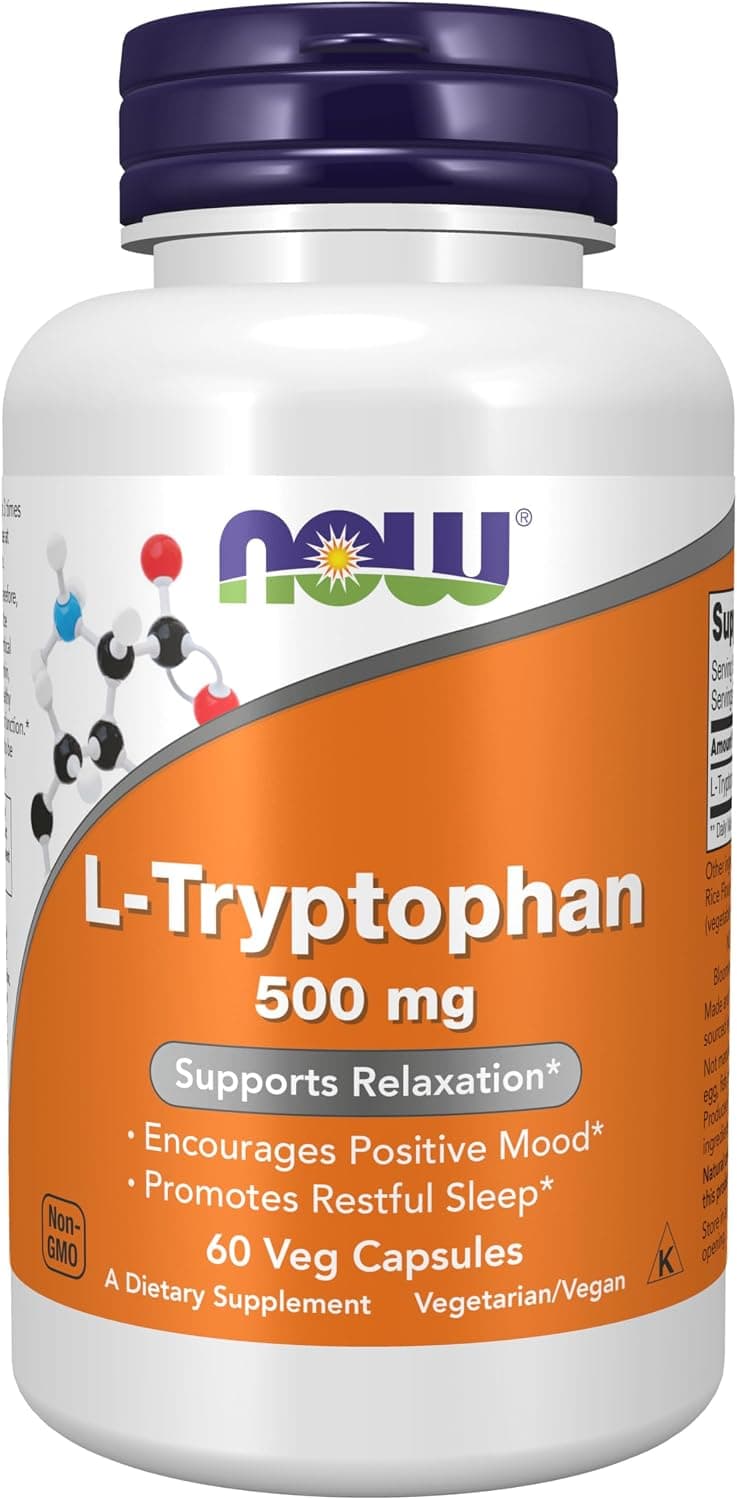
Suppliers
Vendors carrying Tryptophan, with live product details and codes. Links are affiliate links that support the wiki at no cost to you.
Amazon
Tryptophan
Research
- 1983first citedRole of precursor availability in control of monoamine biosynthesis in brain
- 2022most recentThe Prescriber's Guide to the MAOI Diet-Thinking Through Tyramine Troubles.
- 1.Role of precursor availability in control of monoamine biosynthesis in brain
- 2.Effects and side effects associated with the non-nutritional use of tryptophan by humans
- 3.Tryptophan and 5-hydroxytryptophan for depression
- 4.Tryptophan supplementation and serotonin function: genetic variations in behavioural effects
- 5.Two cases of hypomania following the addition of L-tryptophan to a monoamine oxidase inhibitor.
- 6.The Prescriber's Guide to the MAOI Diet-Thinking Through Tyramine Troubles.
6 listed here; entry last updated August 2026
Reviews
My notesprivate to this device
FAQ
Is tryptophan better than 5-HTP?
It is one step further upstream and passes through a regulated step, which makes it gentler; 5-HTP is more direct and potent.
Why take it with carbs?
Carbs trigger insulin that clears competing amino acids from the blood, helping tryptophan reach the brain.
Does it help sleep?
It supports serotonin and downstream melatonin, so it can help with sleep onset, especially in the evening.
Is it safe with antidepressants?
Be careful; combining serotonergic agents raises serotonin syndrome risk, so check with a professional.
What was the old contamination scare?
A late-1980s outbreak of eosinophilia-myalgia was traced to a contaminated manufacturing batch, not the amino acid itself.
Adverse effects
- Drowsiness
- Nausea or dizziness at higher intake
- Serotonin syndrome risk with serotonergic drugs
Notes and cautions
- Historic contamination linked to eosinophilia-myalgia syndrome