
spec sheet11 rows
Black cohosh (Actaea racemosa, formerly Cimicifuga racemosa) is a flowering perennial of the buttercup family native to eastern North America, whose roots and rhizomes are used in herbal medicine. It is best known and most widely marketed as a remedy for menopausal symptoms, particularly hot flashes and night sweats [1]. Clinical evidence for this use is mixed: some systematic reviews find the effect uncertain or no better than placebo, while a more recent meta-analysis reported a significant improvement in overall menopausal symptoms [2][3]. It is sold as a dietary supplement in most countries and as a regulated herbal medicine in parts of Europe.
- Reduces menopausal hot flashes
- Mood support in menopause
- Non-estrogenic mechanism
- Generally well tolerated
- Rare reports have associated it with liver injury, so caution and attention to symptoms of liver trouble are advised, even though a definite causal link is unproven [1].
Overview
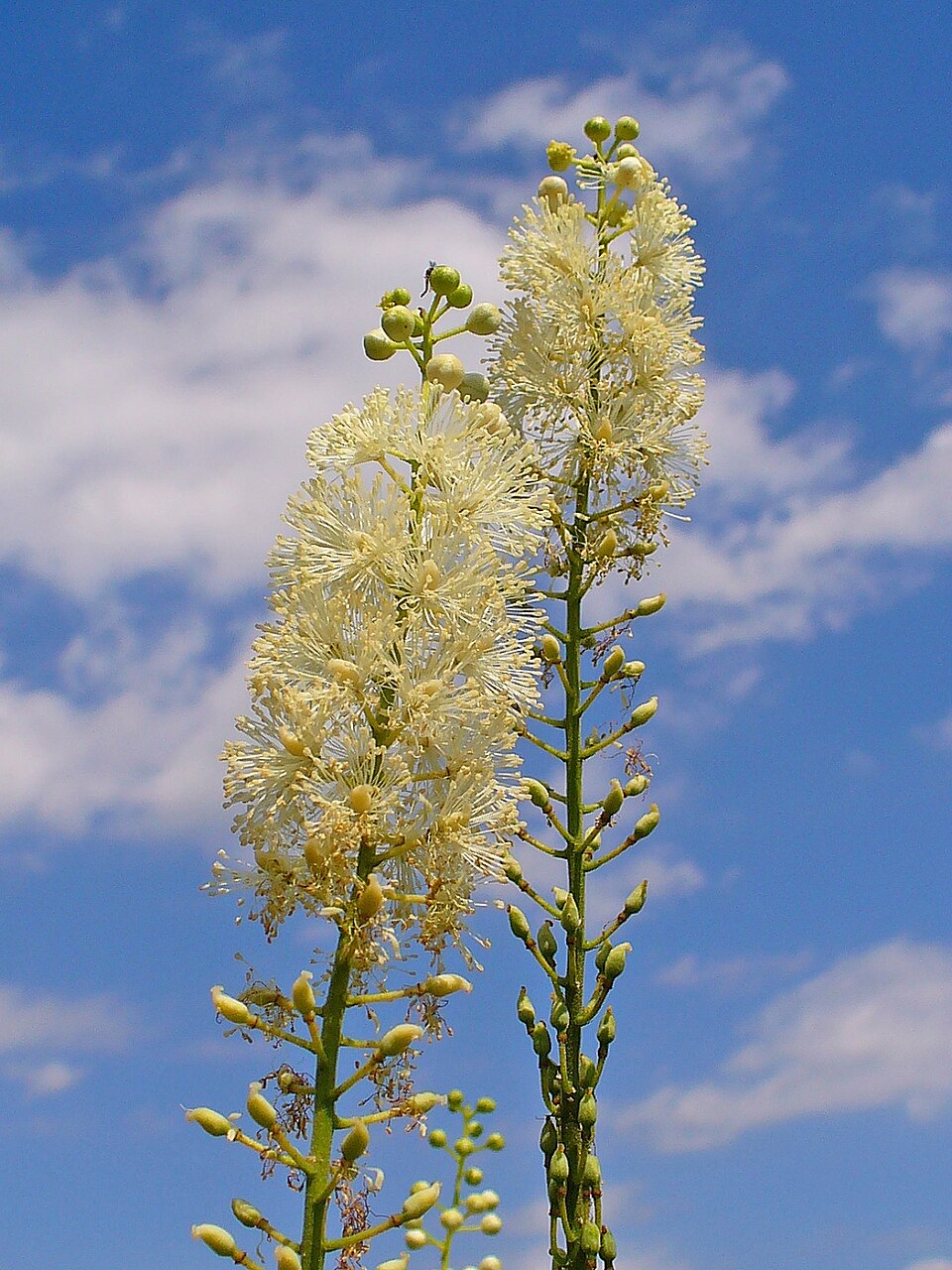
Black cohosh is a smooth herbaceous perennial in the family Ranunculaceae, native to the woodlands of eastern North America, where it produces tall spikes of feathery white flowers [1]. The parts used medicinally are the underground rhizome and roots. Native American peoples used the plant for a range of conditions, including gynecological complaints, and it entered nineteenth-century American medicine under the name black snakeroot; it has been used in the United States for well over a century [1].
The activity of black cohosh is attributed to a complex mixture of constituents in the root, chief among them triterpene glycosides such as actein and cimicifugoside, along with cimicifugic and other phenolic acids and various flavonoid-like compounds [1]. Standardized extracts are typically characterized by their content of these triterpene glycosides. Notably, despite early assumptions that the herb worked like estrogen, the more recent view from clinical and laboratory data is that black cohosh is not meaningfully estrogenic, which has shifted thinking about how it might act [1].
By far the most common use of black cohosh is for the symptoms of menopause, especially vasomotor symptoms like hot flashes and excessive sweating, and it is often sought as an alternative to hormone therapy [1]. The clinical evidence, however, is inconsistent. A Cochrane systematic review found insufficient evidence to support its use and reported no significant difference from placebo in the frequency of hot flushes across the pooled trials, while noting that the quality of studies was generally poor [2]. An earlier systematic review similarly concluded that the effect on menopausal symptoms was uncertain [4]. A more recent and larger pairwise meta-analysis reached a more favorable conclusion, finding that black cohosh extracts significantly improved overall menopausal symptoms, hot flashes, and physical symptoms compared with placebo, though not anxiety or depression [3]. Differences in the specific extracts and in study quality help explain these divergent findings [2][3].
Because it does not appear to act through estrogen receptors, the way black cohosh might relieve menopausal symptoms is not well understood; proposed explanations involve effects on serotonin and other neurotransmitter systems and on the brain's temperature regulation, but no mechanism is firmly established [1]. On safety, a number of case reports worldwide have linked black cohosh to liver injury, prompting regulatory warnings, yet a clear cause-and-effect relationship has not been demonstrated and some analyses have found no adverse effect on liver function [1]. Reviews have also reported that it does not appear to stimulate the endometrium or breast tissue, an important consideration for its use [1].
Regulatory treatment of black cohosh varies. In parts of Europe it is available as an approved herbal medicine held to pharmaceutical quality standards, whereas in the United States and some other countries it is sold as a dietary supplement subject to lighter oversight [1]. A recurring concern is product quality: commercial preparations have sometimes been found to be poorly authenticated or adulterated with other, related Actaea species, which complicates both safety and efficacy [1]. It is marketed chiefly as capsules, tablets, and liquid extracts of the root [1].
Mechanism
The mechanism by which black cohosh affects menopausal symptoms remains unsettled. It was once assumed to behave as a phytoestrogen, but current evidence indicates that its triterpene glycosides and other constituents do not appreciably activate receptors, so a direct hormonal action is now considered unlikely [1]. Instead, researchers have proposed that the extract acts on central nervous system pathways, including serotonergic, dopaminergic, and opioid signaling, that influence the brain's control of body temperature, which could plausibly reduce hot flashes without an estrogenic effect [1]. Because clinical results are inconsistent and the responsible compounds have not been definitively identified, the true basis of any benefit is still a matter of research [2][3]. This uncertainty is compounded by the variability among the extracts that have been studied [3].
receptor fingerprint
receptorsmodulates
Dopaminergic pathwaysmodulates
receptorsminimal binding
Hepatocytesstresses
Dosingtypical ranges, not medical advice
interested in protocols and clinical dosages? make an account to see them! ^_^
Safetyrisks and cautions, not medical advice
Usually well tolerated, with GI upset and headache being most common. There are rare reports of liver injury, so it carries a cautionary note and shouldn't be combined casually with other liver-taxing agents. Because its hormonal safety in estrogen-sensitive conditions isn't fully settled, women with a history of breast cancer should consult their doctor.
Interactionsdocumented pairs only, not exhaustive
Black cohosh has a reputation for interactions that controlled study has mostly failed to support. Human probe drug work found no meaningful change in CYP1A2, CYP2E1 or CYP3A4 activity and only weak inhibition of CYP2D6, too small to alter the clearance of CYP2D6 substrates in practice. Most of the alarming numbers come from in vitro extracts at concentrations oral dosing does not reach.
The exception worth taking seriously is tamoxifen, which depends on CYP2D6 and CYP3A4 to form its active metabolite endoxifen. Black cohosh extracts inhibit that conversion in liver microsomes, and although the effect has not been confirmed in patients, even weak CYP2D6 inhibition matters for a drug whose efficacy tracks endoxifen levels.
Rare cases of hepatitis and liver failure have been reported with black cohosh, so overlap with other hepatotoxic drugs compounds an already uncertain risk. Randomized trials of the standardized isopropanolic extract have not shown liver injury, which leaves the signal unexplained rather than dismissed.
Checking a whole stack? Run it through interactions + stacks.
Subjective profileweighing the evidence above
A reasonable option for menopausal symptoms including mood, but the evidence is inconsistent and it's not a general mood booster.
Resources
This entry is here for reference.
Research
- 2005first citedBlack cohosh (Actaea/Cimicifuga racemosa): review of the clinical data for safety and efficacy…
- 2012meta-analysisBlack cohosh (Cimicifuga spp.) for menopausal symptoms.
- 2023most recentBlack cohosh extracts in women with menopausal symptoms: an updated pairwise meta-analysis.
- 1.Black cohosh (Actaea/Cimicifuga racemosa): review of the clinical data for safety and efficacy in menopausal symptoms.
- 2.Black cohosh (Cimicifuga spp.) for menopausal symptoms.
- 3.Black cohosh extracts in women with menopausal symptoms: an updated pairwise meta-analysis.
- 4.Black cohosh (Cimicifuga racemosa) for menopausal symptoms: a systematic review of its efficacy.
4 listed here; entry last updated August 2026
Reviews
My notesprivate to this device
FAQ
Is black cohosh an estrogen?
Probably not; current evidence suggests it works more through serotonin than estrogen receptors.
What is it mainly used for?
Menopausal symptoms like hot flashes, with mood support as a secondary benefit.
How long until it works?
Give it several weeks; effects build gradually and vary a lot between people.
Is it safe for the liver?
Rare liver injury reports exist, so avoid stacking it with other liver-taxing supplements and stop if you notice symptoms.
Can breast cancer survivors use it?
Its hormonal safety isn't fully settled, so that's a conversation for their oncologist.
Adverse effects
- Rare reports have associated it with liver injury, so caution and attention to symptoms of liver trouble are advised, even though a definite causal link is unproven [1].
Notes and cautions
- Generally well tolerated in trials; the most common complaints are mild, such as stomach upset, headache, dizziness, or rash [4].
- Reviews indicate it does not appear to stimulate the lining of the uterus or breast tissue [1].
- Product quality varies, and some commercial supplements have been adulterated with related plant species [1].