
spec sheet10 rows
Chaste Tree (Vitex) Chaste tree, known botanically as Vitex agnus-castus and commonly as chasteberry or monk's pepper, is a Mediterranean shrub of the mint family, Lamiaceae, whose dried fruit is used in herbal medicine [1][2]. It has been valued since antiquity and is today taken mainly by women for premenstrual syndrome and other menstrual complaints [1][3]. Its extracts are thought to act on the brain's dopamine system to lower the hormone prolactin, and several clinical trials suggest benefit for premenstrual symptoms, though the overall quality of the evidence is modest [2][3][4].
- Reduces PMS symptoms
- Lowers elevated prolactin
- Eases cyclical breast tenderness
- Supports cycle-related mood
- Well-evidenced women's herb
- Usually mild effects such as nausea, headache, or digestive upset
- Changes in menstrual bleeding
- Occasional skin reactions such as acne or rash
- Avoided in pregnancy and breastfeeding
Overview
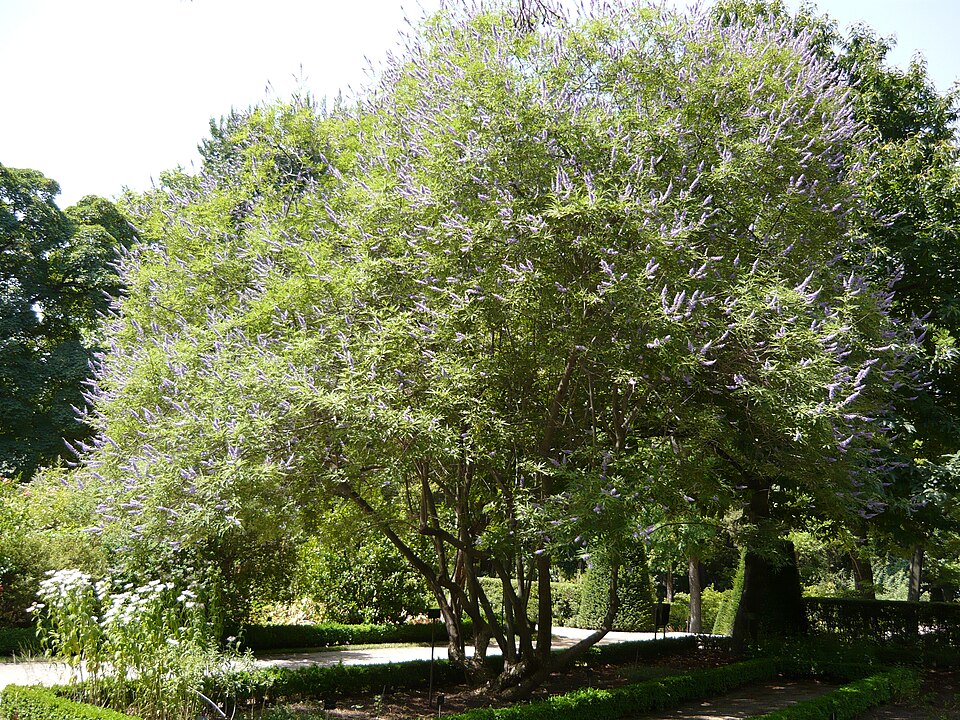
Vitex agnus-castus is a deciduous shrub or small tree native to the Mediterranean region and parts of central Asia, reaching a few meters in height and bearing slender spikes of lavender flowers in late summer [1]. Now grown ornamentally in many warm-temperate areas, it goes by numerous common names, among them chaste tree, chasteberry, vitex, monk's pepper, and Abraham's balm [1]. The peppercorn-like dried fruits are the part used medicinally [1][4].
The plant has a long recorded history: ancient Greek writers such as Theophrastus and Dioscorides described it, and it featured in the Thesmophoria festival, while its very name reflects an old reputation for promoting chastity, a supposed anaphrodisiac effect that has never been demonstrated [1]. In modern herbal practice its fruit extracts are used above all for women's reproductive health, particularly premenstrual syndrome and the more severe premenstrual dysphoric disorder, as well as menstrual cycle irregularities, cyclical breast pain, and mildly elevated prolactin levels [1][3][4]. It is a well-established phytomedicine in parts of Europe [4].
Chaste tree fruit contains a distinctive mix of compounds [1]. Among the best characterized are iridoid glycosides such as agnuside and aucubin, flavonoids including vitexin and casticin, and a group of diterpenoids, along with an essential oil rich in terpenes such as 1,8-cineole, sabinene, and beta-caryophyllene [1]. The diterpenoid fraction is of particular interest because it is thought to be responsible for the herb's hormonal effects [4].
A number of randomized controlled trials have tested standardized chaste tree extracts, mainly for premenstrual syndrome [2][3]. Systematic reviews of these trials have generally reported that the herb outperformed placebo and compared favorably with some active treatments for premenstrual symptoms, and that it was well tolerated, while cautioning that the studies varied in design, diagnostic criteria, and the extracts used [2][3]. Separate reviews describe benefit for mildly raised prolactin and for cyclical breast pain, but note the absence of large, high-quality trials [4]. Encyclopedic summaries accordingly conclude that firm clinical proof of effectiveness remains limited [1].
Chaste tree is sold as a herbal dietary supplement, typically as dried fruit, tinctures, or standardized extract tablets, and it is not an approved pharmaceutical in the United States, though it is a recognized herbal medicine in some European countries [1][4]. It is generally well tolerated, with reported side effects that are usually mild, such as nausea, headache, digestive upset, fatigue, changes in menstrual bleeding, and occasional skin reactions [1]. Because it influences hormones and dopamine, it is generally avoided during pregnancy and breastfeeding, in people taking dopamine-related or Parkinson's medications, and in those using hormonal contraceptives or hormone therapy or living with hormone-sensitive conditions [1].
Mechanism
The characteristic action of chaste tree is on the hormone prolactin, which is released by the pituitary gland and is normally held in check by the neurotransmitter [4]. Laboratory studies indicate that diterpenoid compounds in the fruit extract bind to receptors in the anterior pituitary and mimic dopamine's braking effect, which reduces the secretion of prolactin [4].
Lowering an abnormally high prolactin level can, in turn, help restore a normal balance among the reproductive hormones across the menstrual cycle, including support for progesterone production in the second half of the cycle; this is the proposed basis for its use in premenstrual syndrome, cyclical breast pain, and mild hyperprolactinemia [3][4]. Some constituents may additionally interact with opioid and receptors, though these actions are less well defined [4]. Much of this understanding comes from laboratory work and small clinical studies rather than from large trials [4].
receptor fingerprint
receptors (pituitary)agonist
Prolactin secretionreduces
PMS mood symptomsimproves
Opioid receptorsmodulates
Dosingtypical ranges, not medical advice
interested in protocols and clinical dosages? make an account to see them! ^_^
Safetyrisks and cautions, not medical advice
Generally well tolerated; the most common side effects are GI upset, headache, and occasional skin reactions. Because it's dopaminergic and affects prolactin, it can interact with dopamine agonists, dopamine antagonists (like some antipsychotics), and hormonal medications. It's not recommended in pregnancy or alongside fertility treatments without medical guidance.
Subjective profileweighing the evidence above
One of the better-evidenced women's herbs for PMS and cyclical mood; the dopaminergic, prolactin-lowering mechanism is legit.
Resources
This entry is here for reference.
Research
- 2013first citedVitex agnus-castus extracts for female reproductive disorders: a systematic review of clinical…
- 2023most recentVitex agnus castus effects on hyperprolactinaemia.
- 1.Vitex agnus-castus (encyclopedic entry)
- 2.Vitex agnus-castus extracts for female reproductive disorders: a systematic review of clinical trials.
- 3.Vitex agnus castus for premenstrual syndrome and premenstrual dysphoric disorder: a systematic review.
- 4.Vitex agnus castus effects on hyperprolactinaemia.
4 listed here; entry last updated July 2026
Reviews
My notesprivate to this device
FAQ
How does Vitex work?
It acts on dopamine D2 receptors in the pituitary, which lowers prolactin and helps balance cycle hormones.
What is it best for?
PMS, cyclical breast tenderness, and menstrual-related mood symptoms.
How long until it works?
It's slow; give it around three menstrual cycles before judging.
Can I take it with antidepressants?
Its dopaminergic action can interact with certain psych meds, so check with your doctor first.
Is it safe in pregnancy?
No, it's not recommended in pregnancy or during fertility treatment without medical guidance.
Adverse effects
- Usually mild effects such as nausea, headache, or digestive upset
- Changes in menstrual bleeding
- Occasional skin reactions such as acne or rash
- Avoided in pregnancy and breastfeeding
Notes and cautions
- May interfere with dopamine-related medicines and hormonal treatments