
spec sheet12 rows
Sarcosine, or N-methylglycine, is a non-proteinogenic amino acid and a natural intermediate in the metabolism of glycine and choline. In pharmacology it is best known as an inhibitor of the type 1 glycine transporter (GlyT1), a property that has made it a candidate add-on therapy for schizophrenia through enhancement of NMDA-receptor signaling. It has separately drawn attention as a metabolite whose levels have been linked, though not without debate, to prostate cancer progression.
- boosts NMDA signalling by blocking glycine reuptake
- trials showed better negative and cognitive symptoms in schizophrenia
- one of the few tools that lifts glutamate tone directly
- a simple amino acid derivative, cheap and easy to dose
- no sedation and no stimulation; it just shifts the signal
- studied for mood through the same glutamate route
- Mild stomach upset in some people
- Possible overstimulation or restlessness
- No added benefit when combined with clozapine
Overview
Sarcosine is a simple amino acid derivative with the formula CH3-NH-CH2-COOH, formally named N-methylglycine, and it exists as a colorless, highly water-soluble crystalline solid that behaves as a zwitterion at physiological pH [1]. It is not used to build proteins but occurs naturally in muscle and other tissues as a normal part of one-carbon metabolism [4].
Within the body, sarcosine sits at a crossroads of glycine metabolism. It is formed from glycine by the enzyme glycine-N-methyltransferase and converted back to glycine by sarcosine dehydrogenase, and it also arises as an intermediate when choline is broken down to glycine [4]. It is present in foods such as egg yolks and legumes and in various meats. Industrially, sarcosine and its derivatives, such as sodium lauroyl sarcosinate, are used in surfactants and toothpaste [1].
The main pharmacological interest in sarcosine stems from the theory that schizophrenia involves underactivity of the NMDA subtype of glutamate receptor. By blocking GlyT1, sarcosine raises glycine levels around synapses and enhances NMDA-receptor function, and it can also act directly at the receptor's glycine site [1]. In double-blind trials, sarcosine added to standard antipsychotics improved positive, negative, and cognitive symptoms in patients with schizophrenia [1], although it did not add benefit when combined with clozapine [2]. A systematic review and meta-analysis of randomized trials concluded that add-on sarcosine can improve overall symptoms, while its effect on cognition was less clear [3]. Related work has explored antidepressant-like effects in animal models [1].
Sarcosine gained wider notice through metabolomic research suggesting that it accumulates during prostate cancer progression and might serve as a marker of aggressive disease [4]. Subsequent studies have produced mixed findings, and its value as a clinical biomarker remains contested [4].
Sarcosine is not an approved medicine; it is generally sold as a dietary supplement and is used chiefly in research settings for its glutamatergic effects [3]. It is usually well tolerated in trials, though its long-term safety in healthy people is not well characterized, and the observed links to prostate cancer signaling warrant some caution [3][4].

Mechanism
Sarcosine's central nervous system effects arise mainly from its inhibition of glycine transporter type 1 (GlyT1) [1]. GlyT1 normally clears glycine from the space, so blocking it raises local glycine concentrations at the glycine co- site of the N-methyl-D-aspartate () receptor, enhancing NMDA-receptor mediated signaling [1]. Sarcosine can additionally bind the glycine site directly and, at higher concentrations, act on strychnine-sensitive glycine receptors [1].
Because -receptor hypofunction is implicated in schizophrenia, this potentiation is the rationale for using it as an adjunct to antipsychotics, though the lack of added benefit alongside clozapine suggests overlapping mechanisms with that particular drug [1][2]. In cancer biology, sarcosine is a product of glycine-N-methyltransferase, and its accumulation in prostate tissue has been associated with cell invasiveness in metabolomic studies, implicating altered one-carbon and methylation metabolism [4].
receptor fingerprint
Glycine transporter type 1 (GlyT-1)Inhibits glycine reuptake
glycine co- siteIndirectly increases co-agonist availability
Prefrontal circuitsModulates signaling tied to cognition and mood
Dosingtypical ranges, not medical advice
interested in protocols and clinical dosages? make an account to see them! ^_^
Safetyrisks and cautions, not medical advice
Sarcosine is a simple amino acid derivative with a good tolerability record at 1 to 2 g/day; the most common issues are mild stomach upset and, in some people, overstimulation, restlessness, or trouble sleeping. It notably did not add benefit when combined with clozapine in trials, likely because clozapine already works on overlapping glutamate and glycine pathways. Because it enhances NMDA signaling, a sensible caution is stacking it with other strong glutamatergic compounds. Long-term safety in healthy users is not well studied, and most solid human data come from psychiatric populations. Not medical advice. A more serious concern is a cancer signal.
Sarcosine can be nitrosated into N-nitrososarcosine, a known animal carcinogen, and that reaction is worsened by co-use with nitric-oxide boosters (arginine, citrulline, PDE5 inhibitors like sildenafil or tadalafil), iodine, and even high-dose vitamin C, while it also facilitates other nitrosamines.
On its own, sarcosine upregulates cell-cycle and mitosis genes, suppresses apoptosis, and raises clonogenicity across cell types; elevated levels track with prostate cancer progression to metastasis (it is a urinary marker) and with colorectal, stomach and bladder cancers. Antioxidants such as carnosic acid and idebenone can inhibit the nitrosation step. Given all this it is worth being cautious with sarcosine, especially for men mindful of prostate risk, and not stacking it with NO boosters without an antioxidant.
History
Sarcosine, or N-methylglycine, is a naturally occurring amino acid derivative found in the metabolism of glycine and choline and present in various foods. Its relevance to neuroscience arose from work on the glycine site of the NMDA receptor: as an inhibitor of the type-1 glycine transporter (GlyT1), sarcosine raises synaptic glycine levels and thereby enhances NMDA-receptor-mediated neurotransmission. This mechanism made it attractive for conditions thought to involve NMDA hypofunction, and from the 2000s onward research groups, notably in Taiwan, tested sarcosine as an add-on treatment in schizophrenia and later explored it in depression and obsessive-compulsive symptoms, establishing its identity as a glutamatergic modulator investigated for psychiatric use.
Reputation
Sarcosine has a modest but genuine reputation as an evidence-informed glutamatergic supplement, distinguished from many nootropics by having been studied in controlled psychiatric trials rather than only in cell or animal models. It is valued by some users for reported benefits to mood, motivation, and negative or cognitive symptoms, and it is discussed as an accessible way to engage the NMDA glycine site. Enthusiasm is tempered by the reality that trials are relatively small and often conducted as adjuncts to existing medication, and results have been mixed; some individuals report little effect or even agitation. It is generally considered well tolerated, and its standing rests more on mechanistic plausibility and promising early data than on settled clinical proof.
Subjective profileweighing the evidence above
The glutamate and NMDA mechanism is interesting, but there is a real cancer caveat here. Sarcosine is pro-proliferative and anti-apoptotic, its levels track with prostate cancer progression, and it can be nitrosated into a carcinogen, more so alongside nitric-oxide boosters, PDE5 inhibitors, iodine or high vitamin C. If you use it, keep doses modest, avoid pairing it with NO boosters, and lean on an antioxidant like carnosic acid or idebenone. For NMDA co-agonism there are cleaner options.
Where to buy
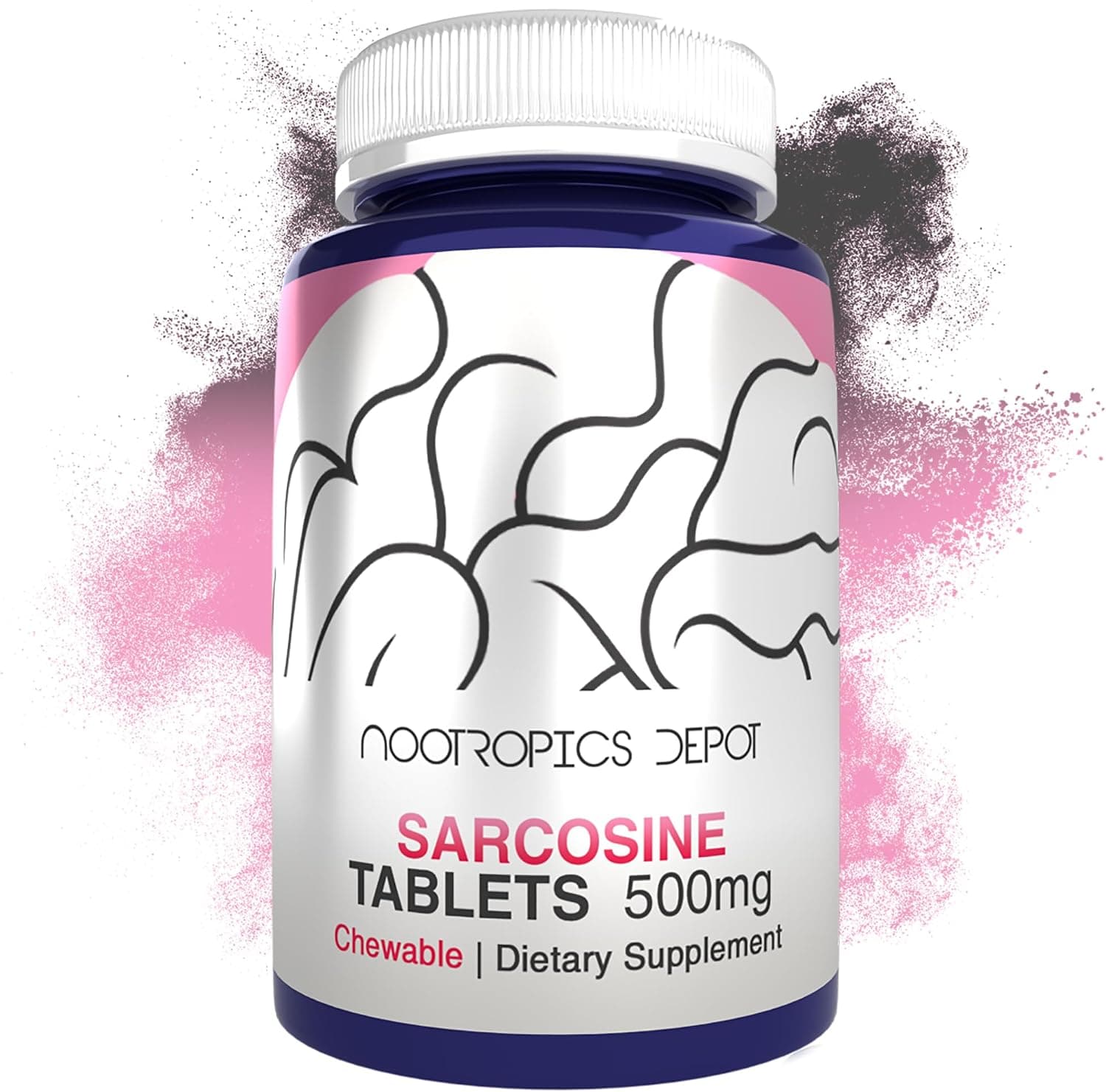
Suppliers
Vendors carrying Sarcosine, with live product details and codes. Links are affiliate links that support the wiki at no cost to you.
Amazon
Sarcosine
Research
- 2004first citedGlycine transporter I inhibitor, N-methylglycine (sarcosine), added to antipsychotics for the t…
- 2020most recentEfficacy and cognitive effect of sarcosine (N-methylglycine) in patients with schizophrenia: a…
- 1.Glycine transporter I inhibitor, N-methylglycine (sarcosine), added to antipsychotics for the treatment of schizophrenia
- 2.Glycine transporter I inhibitor, N-methylglycine (sarcosine), added to clozapine for the treatment of schizophrenia
- 3.Efficacy and cognitive effect of sarcosine (N-methylglycine) in patients with schizophrenia: a systematic review and meta-analysis of double-blind randomised controlled trials
- 4.Metabolomic profiles delineate potential role for sarcosine in prostate cancer progression
4 listed here; entry last updated August 2026
Reviews
My notesprivate to this device
FAQ
How does sarcosine differ from glycine?
Glycine is the co-agonist itself; sarcosine works upstream by blocking the transporter that clears glycine, so it keeps more glycine near the synapse.
Why did it fail with clozapine?
Trials found no extra benefit when added to clozapine, possibly because clozapine already affects glycine-site and glutamate signaling in overlapping ways.
Is it a proven nootropic for healthy people?
Not proven; most evidence is in clinical psychiatric populations. Healthy-user benefits are extrapolated from its NMDA-enhancing mechanism.
Is sarcosine safe regarding cancer?
There is a real caveat. Sarcosine upregulates cell-cycle genes, suppresses apoptosis, and its levels track with prostate cancer progression. It can also be nitrosated into a carcinogen, especially alongside nitric-oxide boosters, PDE5 inhibitors, iodine, or high vitamin C. Antioxidants like carnosic acid or idebenone blunt that nitrosation, but caution is warranted, particularly for men mindful of prostate risk.
Adverse effects
- Mild stomach upset in some people
- Possible overstimulation or restlessness
- No added benefit when combined with clozapine
- Long-term safety in healthy users is not well studied
- Can be nitrosated to N-nitrososarcosine, a compound of toxicological concern
- Elevated levels have been associated with prostate cancer progression