
data + articles · 3 listed
newest 2016spec sheet12 rows
5-HTP (5-hydroxytryptophan), also known by the international nonproprietary name oxitriptan, is a naturally occurring amino acid and a direct metabolic precursor in the biosynthesis of the neurotransmitter serotonin. Formed in the body from the amino acid tryptophan and then converted onward to serotonin, it is sold widely as an over-the-counter dietary supplement and has also been used medicinally in the management of depression and several other conditions.
- One step from serotonin, the most direct route there is
- Worth a short trial for mild low mood
- Helps sleep onset, and feeds melatonin further downstream
- Curbs appetite for a good number of people
- Cheap, everywhere, and no prescription needed
- Nausea, stomach cramps, and diarrhea, largely from serotonin produced in the gut
- Potential for serotonin syndrome when combined with SSRIs, SNRIs, MAOIs, triptans, or other serotonergic agents
- Eosinophilia-myalgia syndrome has been raised as a historical safety concern for products in this amino acid class
Overview
5-HTP is an aromatic amino acid derivative that sits one step downstream of tryptophan and one step upstream of serotonin in the serotonergic pathway [1][2]. Because tryptophan hydroxylase, the enzyme that makes 5-HTP from tryptophan, is the rate-limiting step in serotonin production, supplying 5-HTP directly bypasses that bottleneck and enlarges the pool of substrate available for serotonin synthesis [1][2]. Commercially, the 5-HTP used in supplements is typically extracted from the seeds of the West African plant Griffonia simplicifolia.
Research on 5-HTP has centered most heavily on mood. Reviews of double-blind, placebo-controlled trials have examined its use in depression, while smaller literatures describe reported effects in fibromyalgia, chronic headache, appetite and binge eating, and insomnia [1][2]. Its role as a serotonin precursor has also been explored in less obvious settings; in a mouse model of sudden unexpected death in epilepsy, 5-HTP reduced seizure-induced respiratory arrest, consistent with a contribution of serotonergic signaling to that event [3]. Because much of an oral dose is decarboxylated to serotonin outside the brain, some clinical work has paired it with peripheral decarboxylase inhibitors such as carbidopa to increase the amount reaching the central nervous system [1].
In the United States 5-HTP is marketed as a dietary supplement rather than an approved drug, and as of the mid-2020s no FDA-approved medicine contains it; in some other countries the same molecule has been used pharmaceutically under the name oxitriptan. It is usually sold as capsules, tablets, or powder. Safety discussion centers on two issues: the potential for serotonin syndrome when it is combined with other serotonin-raising drugs, and eosinophilia-myalgia syndrome, a serious condition historically associated with contaminated products in this amino acid class, which has kept long-term safety a subject of caution [1].

Mechanism
5-HTP acts as a biochemical precursor within the synthesis pathway. Tryptophan is first hydroxylated to 5-HTP by tryptophan hydroxylase, the slow, rate-limiting enzyme of the pathway; administering 5-HTP directly sidesteps this step [1][2]. Aromatic L-amino acid decarboxylase then converts 5-HTP into (), a reaction that depends on vitamin B6 as a cofactor [2].
Unlike , which does not cross the , 5-HTP enters the central nervous system readily and does not rely on the saturable transporter for which tryptophan must compete with other large neutral amino acids, so oral 5-HTP can raise central serotonin synthesis [2]. A substantial fraction of an oral dose is decarboxylated to in peripheral tissues, which both accounts for common gastrointestinal effects and explains why pairing it with a peripheral decarboxylase inhibitor increases the proportion delivered to the brain [1].
receptor fingerprint
synthesisprecursor
Tryptophan hydroxylase stepbypasses
Melatonin pathwaydownstream substrate
Appetite/satiety signalingserotonergic modulation
Dosingtypical ranges, not medical advice
interested in protocols and clinical dosages? make an account to see them! ^_^
Safetyrisks and cautions, not medical advice
Most people tolerate low doses, but nausea, cramping, and loose stools are the usual complaints because of peripheral serotonin in the gut. The real concern is combining it with SSRIs, SNRIs, MAOIs, triptans, or other serotonergic agents, which raises serotonin syndrome risk; don't do that without medical supervision. Taking it with a peripheral decarboxylase inhibitor (like carbidopa) is how it's sometimes used clinically to cut side effects, but that's prescription territory. Long-term safety data are thin, so it suits short-term use rather than indefinite supplementation.
History
5-Hydroxytryptophan (5-HTP), the immediate biochemical precursor of serotonin, was characterized in the mid-twentieth century as researchers mapped the tryptophan-to-serotonin pathway, in which the enzyme tryptophan hydroxylase converts L-tryptophan to 5-HTP and aromatic L-amino acid decarboxylase then yields serotonin. Because it crosses the blood-brain barrier and bypasses the rate-limiting hydroxylation step, 5-HTP was investigated from the 1970s onward as a serotonergic agent for depression, and it was formulated pharmaceutically under the name oxitriptan in several European countries. Commercial 5-HTP is not synthesized but extracted from the seeds of the West African plant Griffonia simplicifolia, a source that made it practical to sell as a dietary supplement in the United States and elsewhere once demand for over-the-counter mood and sleep products grew.
Reputation
5-HTP is one of the more widely used serotonergic supplements, valued by consumers for its plausible mechanism and its reputation for supporting mood, sleep onset, and appetite regulation. Controlled evidence exists but is generally modest in size and quality, and enthusiasm often outpaces the data; reviewers note that while some trials suggest antidepressant activity, the studies are frequently small and short. It is also viewed with a degree of caution: its short half-life encourages divided or timed-release dosing, combining it with serotonergic drugs raises the theoretical risk of serotonin syndrome, and older concerns about a contaminant known as peak X, linked historically to eosinophilia-myalgia syndrome in tryptophan products, keep sourcing and purity a recurring topic among careful users.
Subjective profileweighing the evidence above
Useful, cheap, and worth a short trial for mild low mood or trouble sleeping; just respect it and don't run it alongside SSRIs or other serotonin drugs.
Where to buy
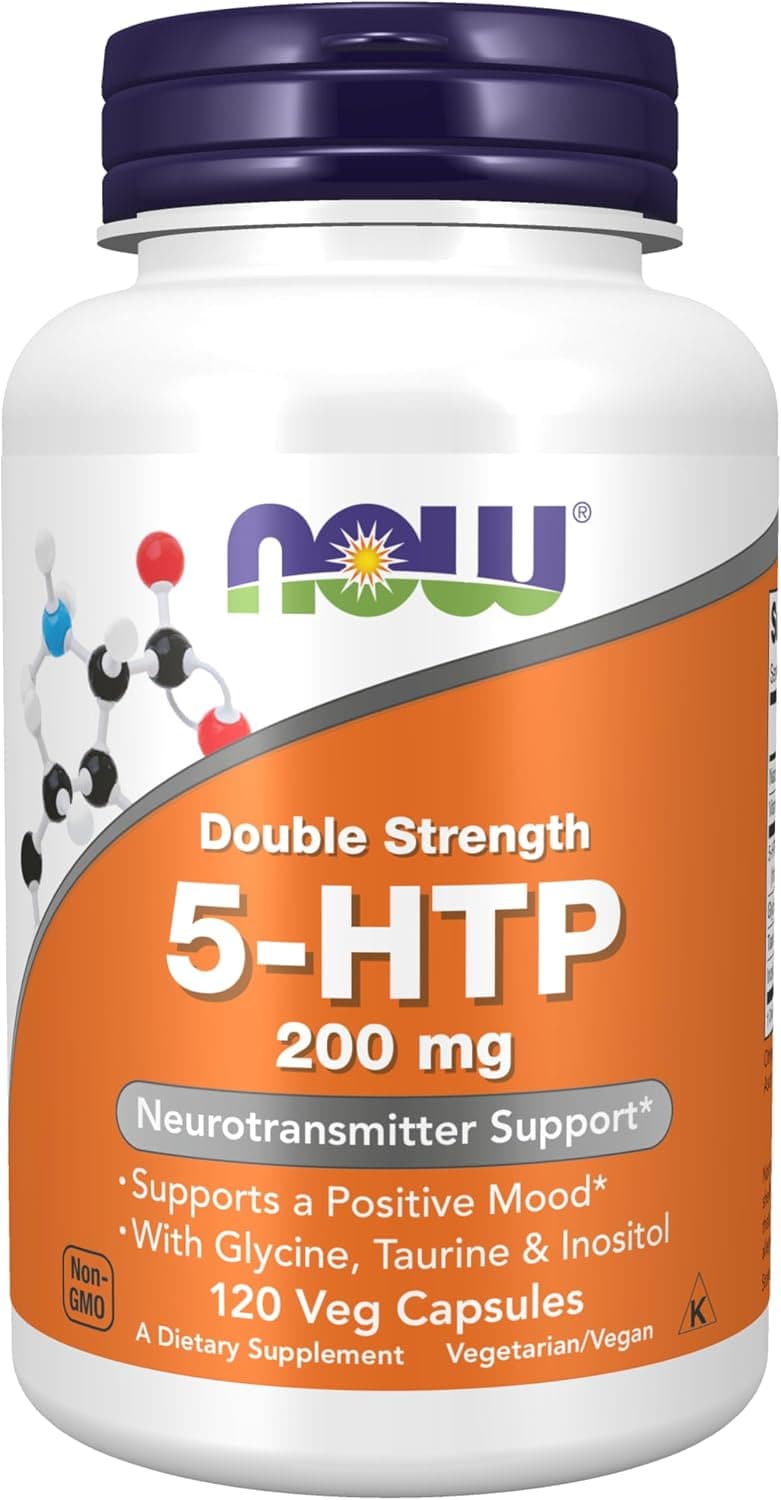
2 other outlets

Suppliers
Vendors carrying 5-HTP, with live product details and codes. Links are affiliate links that support the wiki at no cost to you.
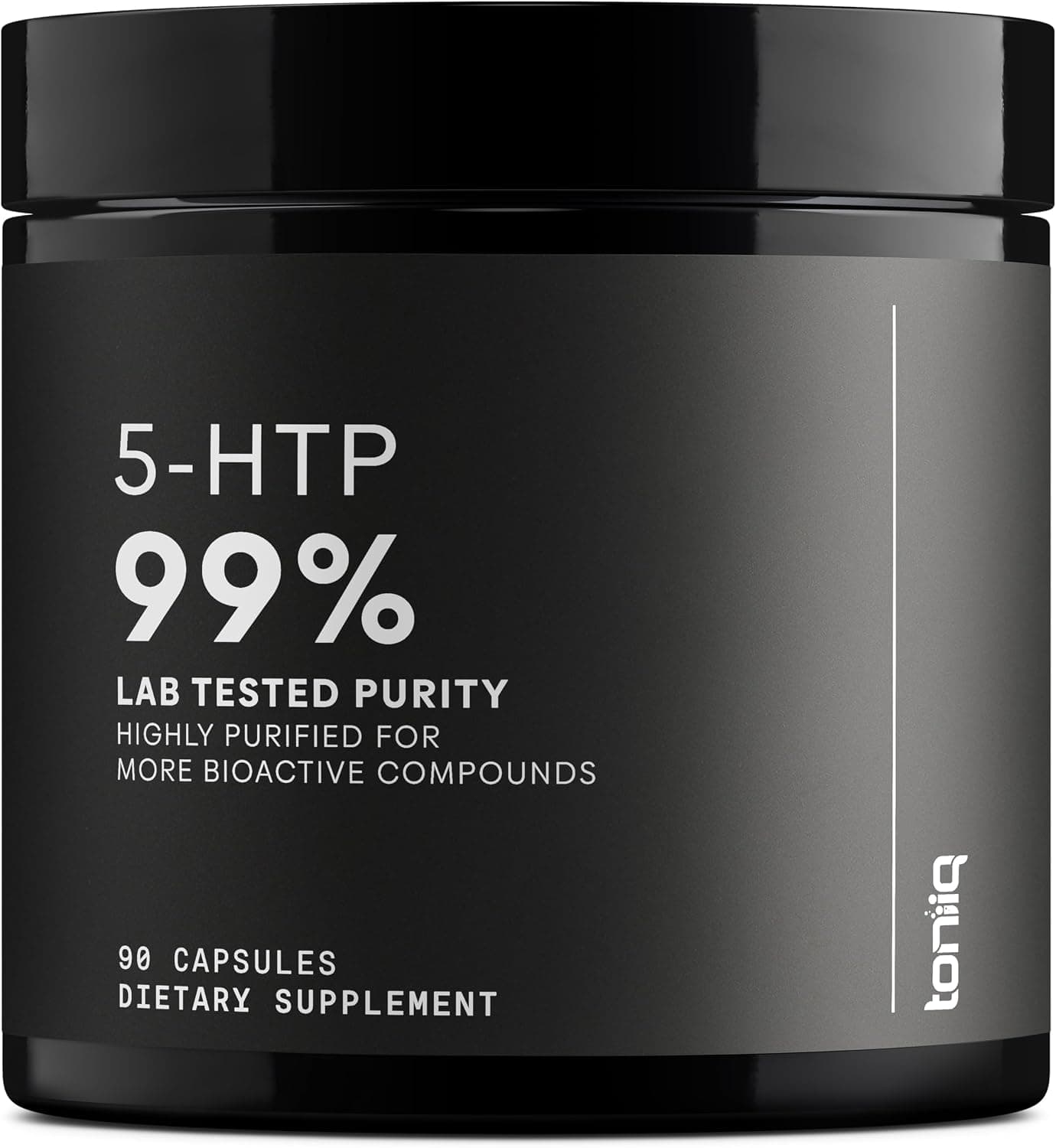
Amazon
5-HTP
Amazon
5-HTP
iHerb
5-HTP
Research
- 1998first cited5-Hydroxytryptophan: a clinically-effective serotonin precursor
- 2016most recent5-Hydroxytryptophan, a precursor for serotonin synthesis, reduces seizure-induced respiratory a…
- 1.Serotonin a la carte: supplementation with the serotonin precursor 5-hydroxytryptophan
- 2.5-Hydroxytryptophan: a clinically-effective serotonin precursor
- 3.5-Hydroxytryptophan, a precursor for serotonin synthesis, reduces seizure-induced respiratory arrest
3 listed here; entry last updated August 2026
Reviews
- Good for supporting mood, but not the blockbuster drug for serotonin. Decent for sleep
5-HTP is a great compound if you feel serotonin lows, I would generally give this to people with slight lower mood or this numbness, as my experience was that of uplifting those issues. I would say 5-HTP could be very beneficial for some, but could also be problematic/less beneficial for others. its probably a decent allrounder and great start if you want to stay away from SSRI drugs which are infamous for making you numb to your previous mood and emotion
0
My notesprivate to this device
FAQ
Is 5-HTP the same as taking tryptophan?
No. Tryptophan is a step further back and has to compete for brain transport; 5-HTP is one step closer to serotonin and gets in more easily. They overlap in effect but aren't identical.
Can I take 5-HTP with an antidepressant?
Not without a doctor. Combining it with SSRIs, SNRIs, MAOIs, or triptans can push serotonin too high and risk serotonin syndrome.
Why does it upset my stomach?
Some of the 5-HTP gets turned into serotonin in your gut, and gut serotonin drives nausea and motility. Taking less, or with food, usually helps.
Should I add a B6 or cofactor?
The decarboxylase enzyme uses vitamin B6 (P5P) as a cofactor, so adequate B6 status is sensible, though megadosing isn't necessary.
Is it safe long term?
Long-term data are limited, so it works better as a short-term or cyclical tool than as something to run indefinitely.
Limitations of the evidence
- Long-term human safety data remain limited
Adverse effects
- Nausea, stomach cramps, and diarrhea, largely from serotonin produced in the gut
- Potential for serotonin syndrome when combined with SSRIs, SNRIs, MAOIs, triptans, or other serotonergic agents
- Eosinophilia-myalgia syndrome has been raised as a historical safety concern for products in this amino acid class
- Drowsiness or next-day grogginess can occur