
spec sheet12 rows
Agomelatine is a first-in-class antidepressant that acts through a mechanism unlike conventional agents, combining agonism at the melatonin MT1 and MT2 receptors with antagonism of the serotonin 5-HT2C receptor. This dual action resynchronizes disrupted circadian rhythms and increases dopamine and noradrenaline in the frontal cortex, and it is the only marketed antidepressant to work through the melatonergic system rather than monoamine reuptake. Approved in Europe as Valdoxan, it is noted for a relatively favorable tolerability profile, with fewer sexual side effects and less weight gain than SSRIs, though it requires monitoring of liver enzymes because of a risk of hepatotoxicity.
- Deep, genuinely restorative sleep
- Resets a scrambled circadian rhythm
- Brighter mood through a first in class mechanism
- Melatonin receptor agonist plus 5-HT2C antagonism
- Wake up actually refreshed
- Fewer sexual side effects, less weight gain
- Elevations in liver enzymes; periodic liver monitoring is advised
- Headache and dizziness
- Nausea
Overview
Agomelatine, developed under the code S20098 and marketed in Europe under names such as Valdoxan and Thymanax, is a prescription antidepressant with a distinctive mechanism. Chemically it is a naphthalene analogue of the hormone melatonin, N-[2-(7-methoxy-1-naphthyl)ethyl]acetamide, and this close structural kinship to melatonin gives it activity at the body's clock-setting receptors [3]. It is notable for being the first approved antidepressant whose action runs primarily through the melatonergic pathway rather than the classical monoamine (serotonin reuptake) system [4].
Pharmacologically, agomelatine combines two receptor actions. It is a high-affinity agonist at the melatonin MT1 and MT2 receptors, and, unlike melatonin itself, it is also an antagonist at the serotonin 5-HT2C receptor [3]. Through this combination it behaves as a chronobiotic, a substance that resynchronizes the internal circadian clock in the suprachiasmatic nucleus, while its 5-HT2C blockade increases dopamine and noradrenaline in the frontal cortex, a change associated with antidepressant effects [1][2]. This design directly targets the observation that depression is frequently accompanied by disturbed sleep and desynchronized daily rhythms.
Clinically, agomelatine is approved for major depressive disorder in adults, where meta-analyses have found it superior to placebo and broadly comparable to standard antidepressants such as the SSRIs and SNRIs, with a particular strength in improving sleep quality and continuity [1][4][5]. A recognized advantage is its tolerability; it tends to avoid the sexual dysfunction, weight gain, and discontinuation problems seen with monoaminergic drugs, and in head-to-head trials fewer patients stopped it because of side effects [5]. Its principal safety consideration is the potential for elevations in liver enzymes, so periodic liver function monitoring is advised. It is supplied as oral tablets and is a regulated prescription medicine rather than an over-the-counter supplement.

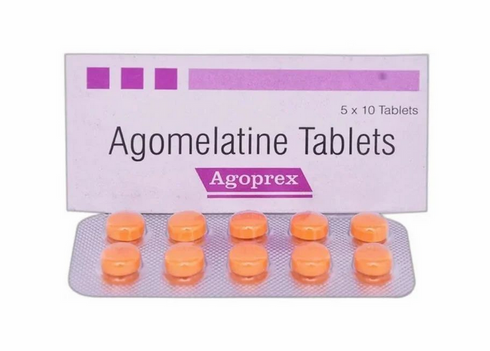
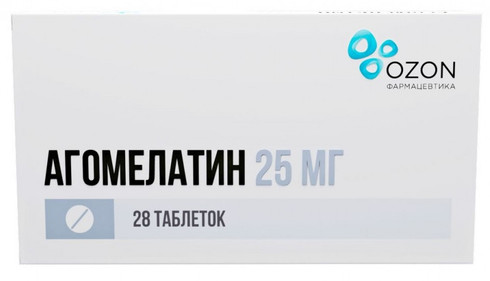
- Agomelatine is the only marketed antidepressant that acts as an agonist at the brain's melatonin receptors, letting it resynchronize disrupted circadian rhythms.
- Rather than flooding the synapse with serotonin, it blocks the 5-HT2C receptor, which indirectly raises dopamine and noradrenaline specifically in the frontal cortex.
Mechanism
Agomelatine treats depression by acting on two receptor systems at once, an approach that sets it apart from drugs that simply raise . Its first action is at the melatonin receptors. As a close chemical relative of melatonin, agomelatine is a potent at the MT1 and MT2 receptors, which are concentrated in the suprachiasmatic nucleus of the , the master biological clock [3]. By stimulating these receptors it acts as a chronobiotic, resetting and resynchronizing circadian rhythms that are commonly disrupted in depression, which in turn restores normal sleep-wake timing, deepens sleep, and shortens the time taken to fall asleep [1][2].
Its second action is antagonism of the 5-HT2C receptor. Blocking 5-HT2C receptors disinhibits dopaminergic and noradrenergic neurons projecting to the frontal , so agomelatine raises levels of and noradrenaline in that region without directly increasing serotonin; this monoamine augmentation in the frontal cortex is thought to underlie its mood-lifting effect [1][2]. The therapeutic benefit is believed to arise from the synergy of these two mechanisms, melatonergic resynchronization plus 5-HT2C-driven catecholamine enhancement, working together [2].
In terms of measured benefit, meta-analyses put agomelatine's antidepressant efficacy modestly above placebo, with a standardized mean difference of about -0.26 in favour of the drug, and roughly on par with established antidepressants [4]. In head-to-head randomized trials against SSRIs and SNRIs, agomelatine produced slightly higher response rates (relative risk about 1.08) and, notably, far fewer discontinuations due to side effects (relative risk about 0.38), alongside superior improvement in sleep quality [5]. This favourable side-effect profile, including a low burden of sexual dysfunction, reflects the fact that agomelatine does not flood the with the way reuptake inhibitors do; the main mechanism-related caution is its effect on the liver, which calls for monitoring of liver enzymes [5].
receptor fingerprint
Melatonin MT1 / MT2agonist
5-HT2Cantagonist
/ (frontal)raises (via 5-HT2C)
Dosingtypical ranges, not medical advice
interested in protocols and clinical dosages? make an account to see them! ^_^
Safetyrisks and cautions, not medical advice
The single most important thing with agomelatine is the liver. It can raise liver enzymes and, rarely, cause serious liver injury, so proper practice is a blood test before you start and periodic checks after, especially around any increase to 50 mg. It should not be used if you have liver impairment, and any signs of liver trouble (dark urine, yellowing, right-upper-abdominal pain) mean stop and get checked. The other hard rule is drug interactions: strong CYP1A2 inhibitors, above all fluvoxamine and ciprofloxacin, dramatically raise agomelatine levels and must be avoided; go easy on alcohol too. Day to day it is usually well tolerated, with nausea, dizziness, and headache the common complaints, and it notably tends to avoid the weight gain, sexual dysfunction, and heavy sedation seen with many antidepressants. Skip it in pregnancy unless a doctor decides otherwise.
History
Agomelatine was developed by the French pharmaceutical company Servier as a deliberate departure from antidepressants that work by raising serotonin through reuptake inhibition. Designed as a close chemical relative of melatonin, it combines agonism at the melatonin MT1 and MT2 receptors with antagonism of the serotonin 5-HT2C receptor, a dual mechanism aimed at both mood and disrupted circadian rhythm. It received European marketing approval as Valdoxan in 2009. A US application was pursued but not completed, so the drug is used chiefly in Europe and a number of other regions rather than in the United States.
Reputation
Agomelatine is often praised for a tolerability profile that sets it apart from conventional antidepressants, particularly its low burden of sexual dysfunction and weight gain and its tendency to improve sleep quality. Its unique melatonergic mechanism gives it a distinctive place in psychiatry as the only marketed antidepressant that works through the melatonin system, which many find conceptually appealing for patients whose depression disrupts their sleep-wake cycle.
Head-to-head trials suggest it performs roughly on par with SSRIs and SNRIs while causing fewer discontinuations due to side effects. Balanced discussion notes that its average antidepressant effect over placebo is modest, in line with other agents, and that it requires periodic monitoring of liver enzymes because of a risk of hepatotoxicity. It is generally viewed as a well-tolerated option with a mechanism unlike any of its peers.
Subjective profileweighing the evidence above
Genuinely useful when depression comes bundled with a wrecked sleep cycle, since almost nothing else treats both at once, and it largely spares sexual function. The liver is non-negotiable though: bloodwork before starting and periodic checks after, particularly around any move to 50 mg.
Where to buy

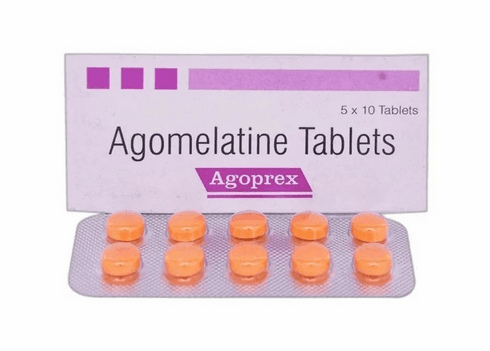

Suppliers
Vendors carrying Agomelatine, with live product details and codes. Links are affiliate links that support the wiki at no cost to you.
PCT.Zone
Agomelatine
RUPharma🌐
Agomelatine

RUPharma🌐
Agomelatine
Kimera Chems
Agomelatine
Research
- 2006first citedPharmacology of a new antidepressant: benefit of the implication of the melatonergic system
- 2012most active year3 papers
- 2023most recentEvidence-Based Pharmacotherapy of Anxiety Symptoms in Patients with Major Depressive Disorder:…
- 1.Agomelatine: a novel mechanism of antidepressant action involving the melatonergic and the serotonergic system
- 2.The interaction between the internal clock and antidepressant efficacy
- 3.Pharmacology of a new antidepressant: benefit of the implication of the melatonergic system
- 4.Efficacy of agomelatine in major depressive disorder: meta-analysis and appraisal
- 5.Comparison of agomelatine and selective serotonin reuptake inhibitors/serotonin-norepinephrine reuptake inhibitors in major depressive disorder: A meta-analysis of head-to-head randomized clinical trials
- 6.Mode of action of agomelatine: synergy between melatonergic and 5-HT2C receptors.
- 7.Agomelatine: mechanism of action and pharmacological profile in relation to antidepressant properties.
- 8.Synergistic mechanisms involved in the antidepressant effects of agomelatine.
- 9.The mechanism, efficacy, and tolerability profile of agomelatine.
- 10.Pathophysiology of depression: role of sleep and the melatonergic system.
- 11.Impact of the novel antidepressant agomelatine on disturbed sleep-wake cycles in depressed patients.
- 12.Chronic agomelatine treatment corrects the abnormalities in the circadian rhythm of motor activity and sleep/wake cycle induced by prenatal restraint stress in adult rats.
20 listed here; entry last updated August 2026
Reviews
My notesprivate to this device
FAQ
What is Agomelatine used for?
It is an antidepressant used to improve mood and sleep, particularly where sleep disturbance accompanies low mood.
How does Agomelatine work?
It activates melatonin receptors and modulates serotonin, so it can lift mood while supporting sleep.
Is Agomelatine well-researched?
It is an approved medication in several countries with clinical trial support, though liver monitoring is often advised.
What are the main side effects?
Reported effects include nausea, dizziness, headache, and changes in liver enzymes.
Adverse effects
- Elevations in liver enzymes; periodic liver monitoring is advised
- Headache and dizziness
- Nausea
- Should not be combined with strong inhibitors of the liver enzyme CYP1A2
- Generally low rates of sexual dysfunction and weight gain compared with SSRIs