
spec sheet15 rows
MK-677, widely known as Ibutamoren, is an orally active, non-peptide growth hormone secretagogue that mimics the hunger hormone ghrelin at the growth hormone secretagogue receptor to amplify the body's own pulsatile production of growth hormone and IGF-1. In a two-year randomized controlled trial in older adults it restored growth hormone secretion into the young-adult range and significantly increased fat-free mass without serious adverse effects, and separate controlled studies show it raises IGF-1 in growth-hormone-deficient children, increases markers of bone turnover, and improves slow-wave and REM sleep. Because it is taken once daily by mouth rather than injected, it is among the most rigorously characterized compounds in the growth hormone space. Trials in frailer populations have been more equivocal, with the ghrelin-mimetic mechanism engaging its target reliably while functional and disease-modifying benefits, for example in hip-fracture recovery and Alzheimer disease, were not established; increased appetite, transient edema, and reduced insulin sensitivity are recognized effects.
- Revives youthful growth hormone output
- Oral pill, no needles required
- Raises IGF-1 and fat-free mass
- Backed by a two-year randomized controlled trial
- Deepens slow-wave sleep in trials
- Appetite comes roaring back
- Increased appetite
- Some water retention and mild edema
- Occasional hand tingling or joint aches
Overview
MK-677, also written MK-0677 and marketed informally as Ibutamoren, is an orally active, non-peptide growth hormone secretagogue. It was developed by Merck in the 1990s as part of a search for small molecules that could stimulate the body's own growth hormone axis, and it acts as an agonist at the growth hormone secretagogue receptor, the same receptor later found to be the target of the natural hunger hormone ghrelin [4][6]. Chemically it is a spiroindane derivative that mimics ghrelin's signaling while remaining stable enough for once-daily oral dosing [4].
Functionally, MK-677 amplifies the natural, pulsatile release of growth hormone from the pituitary and raises circulating insulin-like growth factor 1 (IGF-1), rather than simply flooding the body with a flat level of hormone [1]. This profile attracted extensive clinical investigation for conditions marked by low growth hormone or muscle wasting, including the sarcopenia and frailty of aging, obesity, catabolic illness, and recovery from hip fracture [1][2].
The human evidence is unusually detailed for a compound in this category. A two-year randomized, placebo-controlled trial in healthy older adults found that MK-677 restored growth hormone and IGF-1 to the levels of healthy young adults and significantly increased fat-free mass, while a separate trial in obese men documented gains in lean mass and energy expenditure [1][2]. Prolonged treatment has also been reported to improve sleep quality [3].
Despite this research pedigree, MK-677 was never approved as a medicine; development did not clear the functional and safety hurdles required for its intended indications, in part because of effects on blood sugar. It is not approved by the US Food and Drug Administration and is sold as a research chemical, most commonly as an oral liquid or capsule [1].
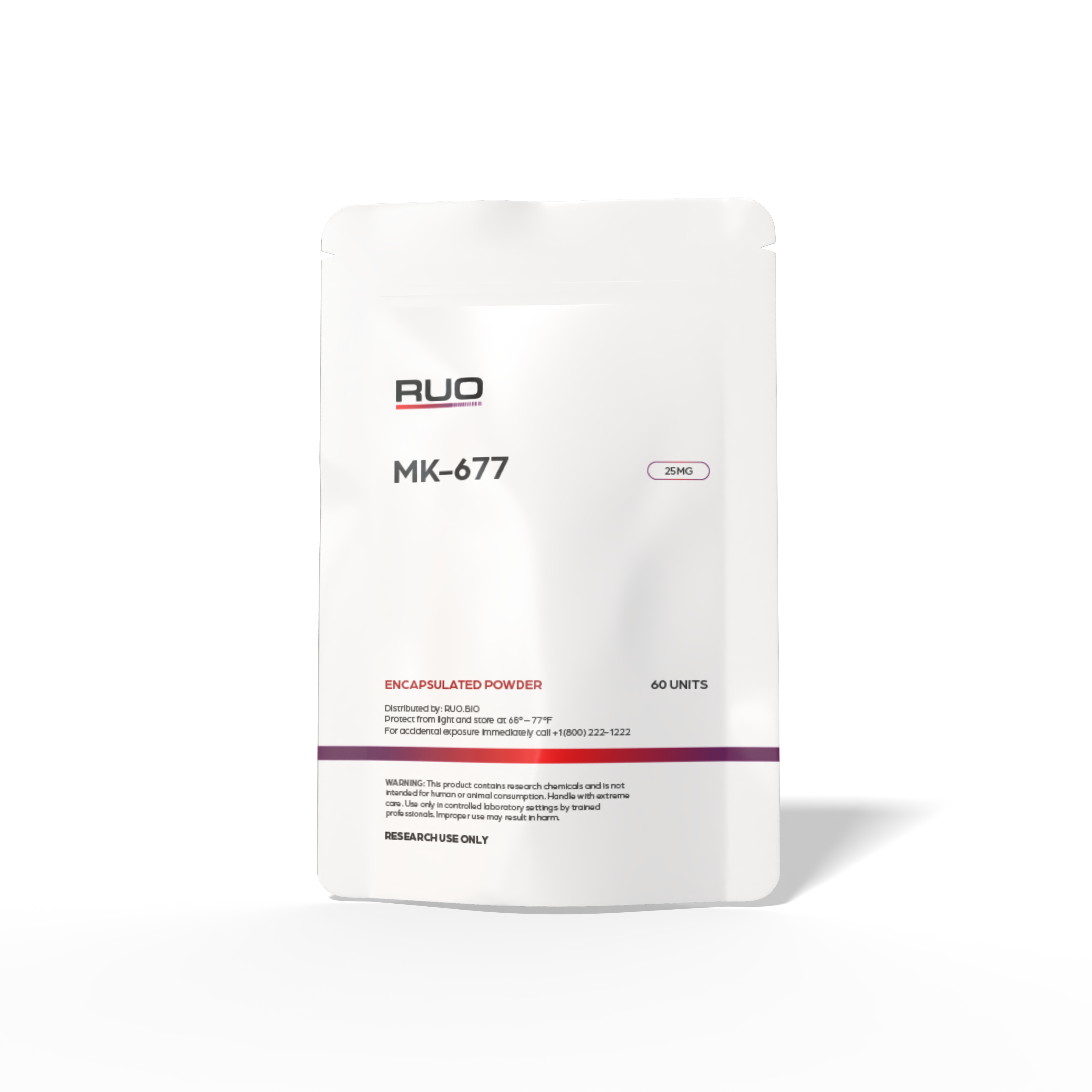
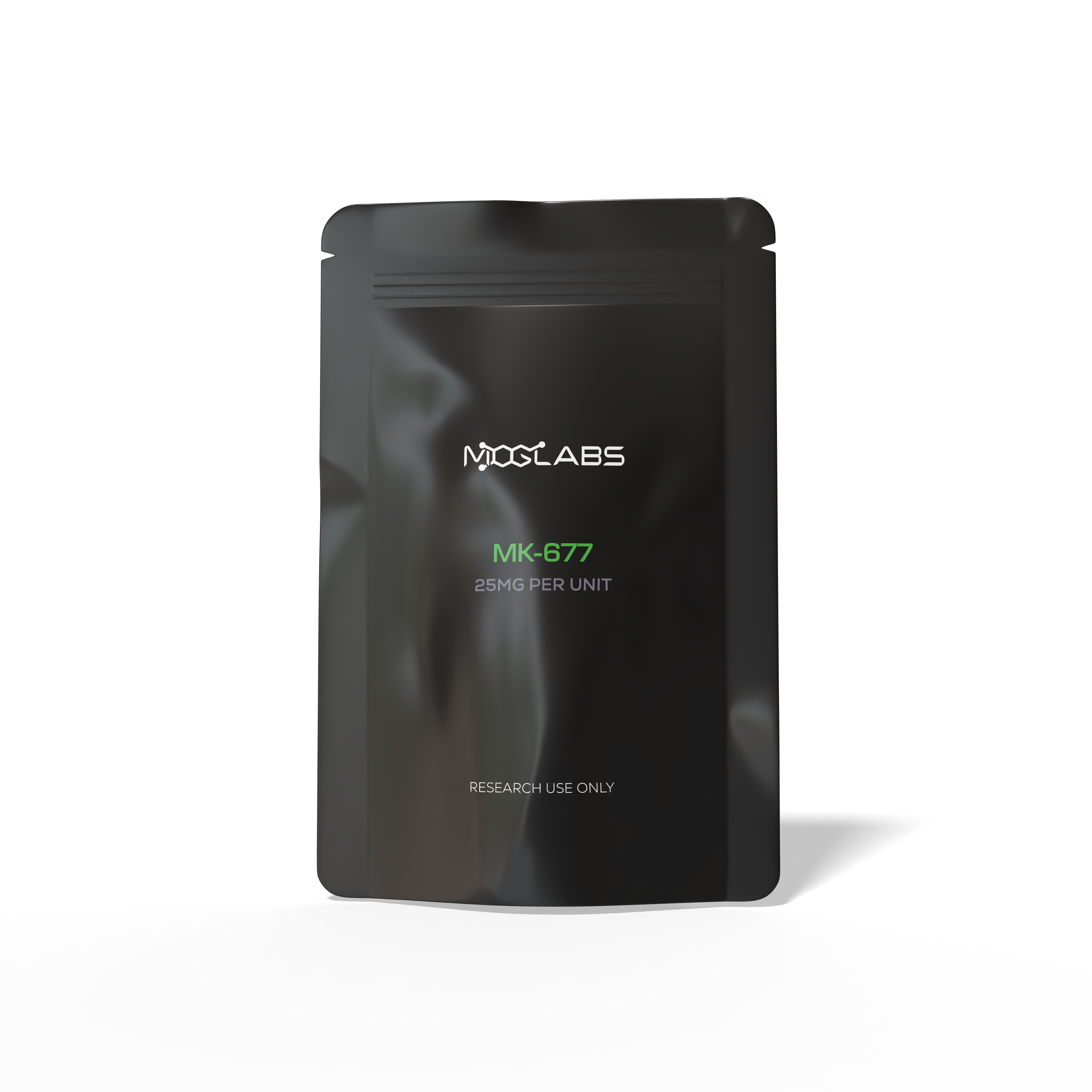
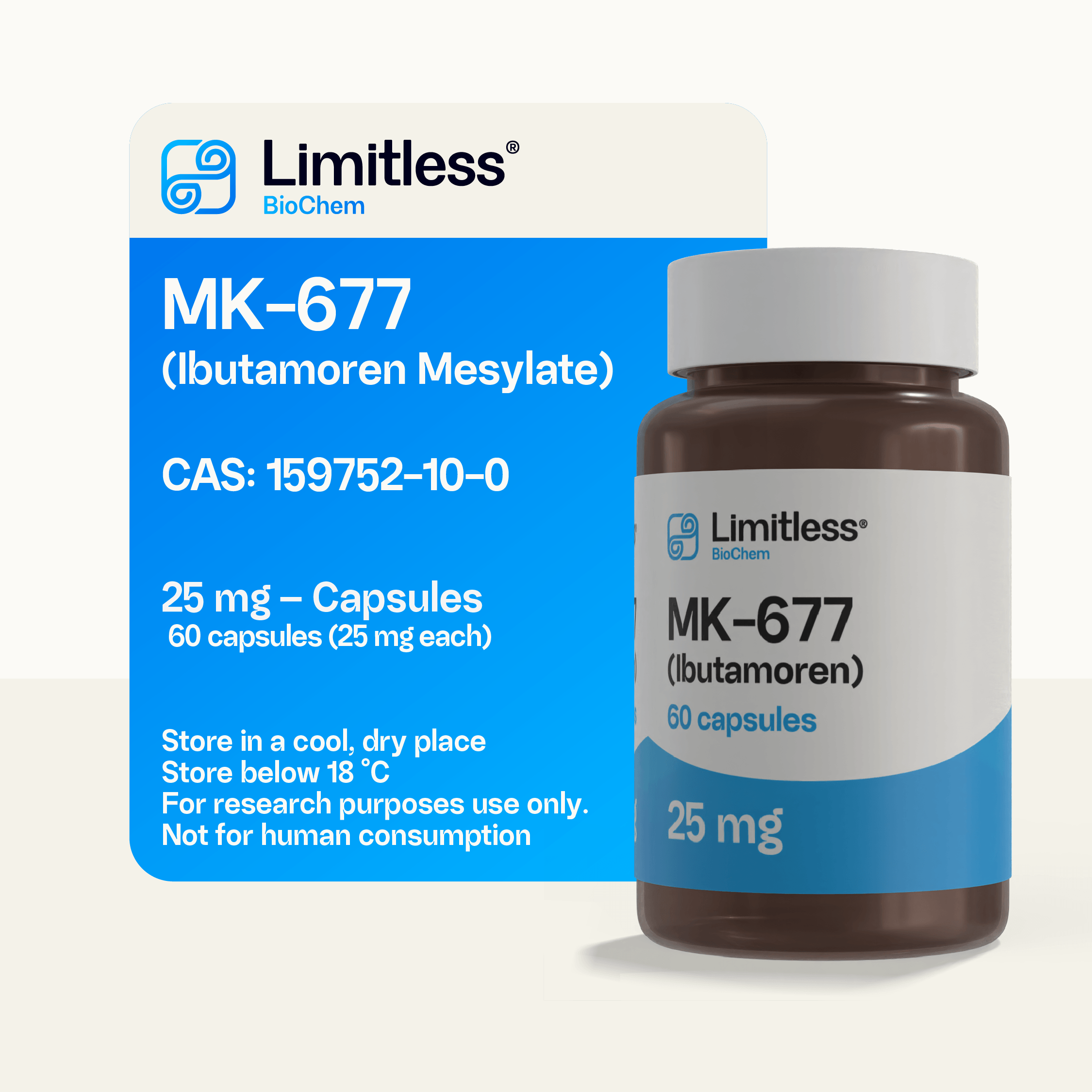
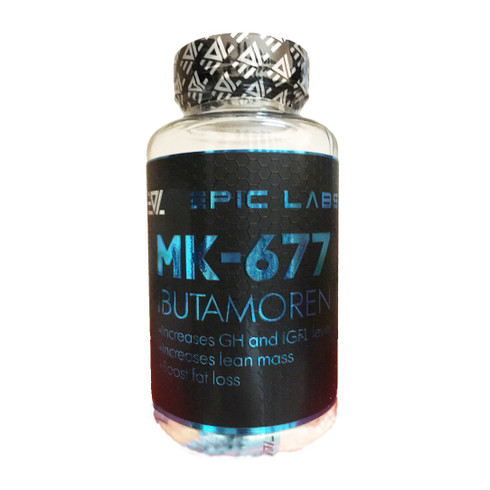
- MK-677 is taken as a once-daily oral tablet, unlike most growth-hormone therapies that must be injected.
- Research on secretagogues like MK-677 ran alongside the discovery of ghrelin, the stomach's hunger hormone, whose receptor the compound activates.
Mechanism
MK-677 is an of the growth hormone secretagogue receptor (GHS-R1a), the pituitary and hypothalamic receptor that the stomach hormone ghrelin normally activates [4][6]. By binding this receptor, MK-677 mimics ghrelin and stimulates the release of growth hormone, yet it does so in a way that preserves the natural pulsatile pattern of secretion and works alongside, rather than overriding, the body's growth hormone releasing hormone signaling [1]. The result is a rise in growth hormone followed by a sustained increase in -like growth factor 1, the downstream mediator of most of growth hormone's anabolic effects [1][2].
The benefits observed in trials follow directly from this endocrine action. In healthy obese men, eight weeks of treatment raised serum by roughly 40% and increased fat-free mass and resting energy expenditure, changes described as anabolic in nature [2]. In healthy older adults, a full two years of treatment lifted growth hormone and into the young-adult range and increased fat-free mass by about 1.1 kilograms, compared with a slight loss in the placebo group [1]. Because the same receptor system influences sleep, prolonged dosing has additionally been shown to increase slow-wave and REM sleep [3].
The receptor biology also explains the drug's characteristic side effects and its limits. Activation of ghrelin signaling stimulates appetite and promotes fluid retention, so weight gain, increased hunger, and mild lower-extremity edema are common [1]. More importantly, raising growth hormone reduces sensitivity: in the two-year trial, fasting blood glucose rose by an average of about 5 milligrams per deciliter and insulin sensitivity fell, which is why blood sugar warrants monitoring [1]. Research also indicates that ghrelin-related secretagogues can bind receptor subtypes outside the classic GHS-R1a in peripheral tissues such as the heart and fat, hinting at actions beyond growth hormone release [5][6].
receptor fingerprint
Ghrelin receptor (GHSR)agonist
GH / raises
Bone turnover / appetiteincreases
Safetyrisks and cautions, not medical advice
MK-677 commonly increases appetite and can cause fluid retention and edema, mild lethargy, and reduced insulin sensitivity with higher fasting glucose; relevant for anyone diabetic or prediabetic. It is not approved for human use and is sold as a research chemical; long-term safety is not established.
Interactionsdocumented pairs only, not exhaustive
MK-677 (ibutamoren) is an investigational growth hormone secretagogue with no formal drug-interaction labeling, but clinical trials consistently document that it raises IGF-1 and can reduce insulin sensitivity and elevate fasting glucose; this metabolic effect is a documented concern for people using insulin or oral antidiabetic agents, whose glycemic control may worsen. Trials also record transient increases in cortisol and prolactin. Because it acts at the ghrelin receptor rather than through cytochrome P450 pathways, no CYP-based interactions are established. Any pairing with QT-affecting or metabolically active drugs remains theoretical rather than characterized. This is research information, not medical advice.
Checking a whole stack? Run it through interactions + stacks.
History
MK-677, later named Ibutamoren, was developed by Merck in the 1990s as an orally active, non-peptide growth hormone secretagogue; it emerged from a research effort to create small molecules mimicking the growth-hormone-releasing peptides, work that ran in parallel with the search that ultimately identified the natural hormone ghrelin and its receptor. Early clinical studies in the late 1990s documented its ability to raise growth hormone and IGF-1 and to improve sleep quality in both young and older adults [1]. Later trials, including a two-year randomized study in older adults, showed it could restore growth hormone secretion into the young-adult range and increase fat-free mass. Although never approved as a marketed drug, it is among the most thoroughly characterized compounds in the growth hormone space.
Reputation
MK-677 is well regarded for combining a reliable, well-understood mechanism with the rare convenience of once-daily oral dosing rather than injection. It is valued in research and fitness communities for amplifying the body's own pulsatile growth hormone and IGF-1 output while preserving the natural rhythm of secretion, and its two-year data lifting older adults' hormone levels toward youthful ranges are frequently cited as a standout. It is honestly discussed as engaging its ghrelin-receptor target dependably, even where downstream functional benefits, such as in hip-fracture recovery, were not established. Recognized trade-offs include increased appetite, transient fluid retention, and reduced insulin sensitivity, which is why blood sugar warrants monitoring.
Subjective profileweighing the evidence above
It does what it claims: real, sustained rises in growth hormone and IGF-1 from a once-daily oral, with a two-year controlled trial in older adults behind it, which almost nothing in this space has. The costs are equally real, appetite you may not want, water retention, and reduced insulin sensitivity that rules it out if you are prediabetic.
Where to buy

Suppliers
Vendors carrying MK-677, with live product details and codes. Links are affiliate links that support the wiki at no cost to you.
| supplier | size | price | $/mg |
|---|---|---|---|
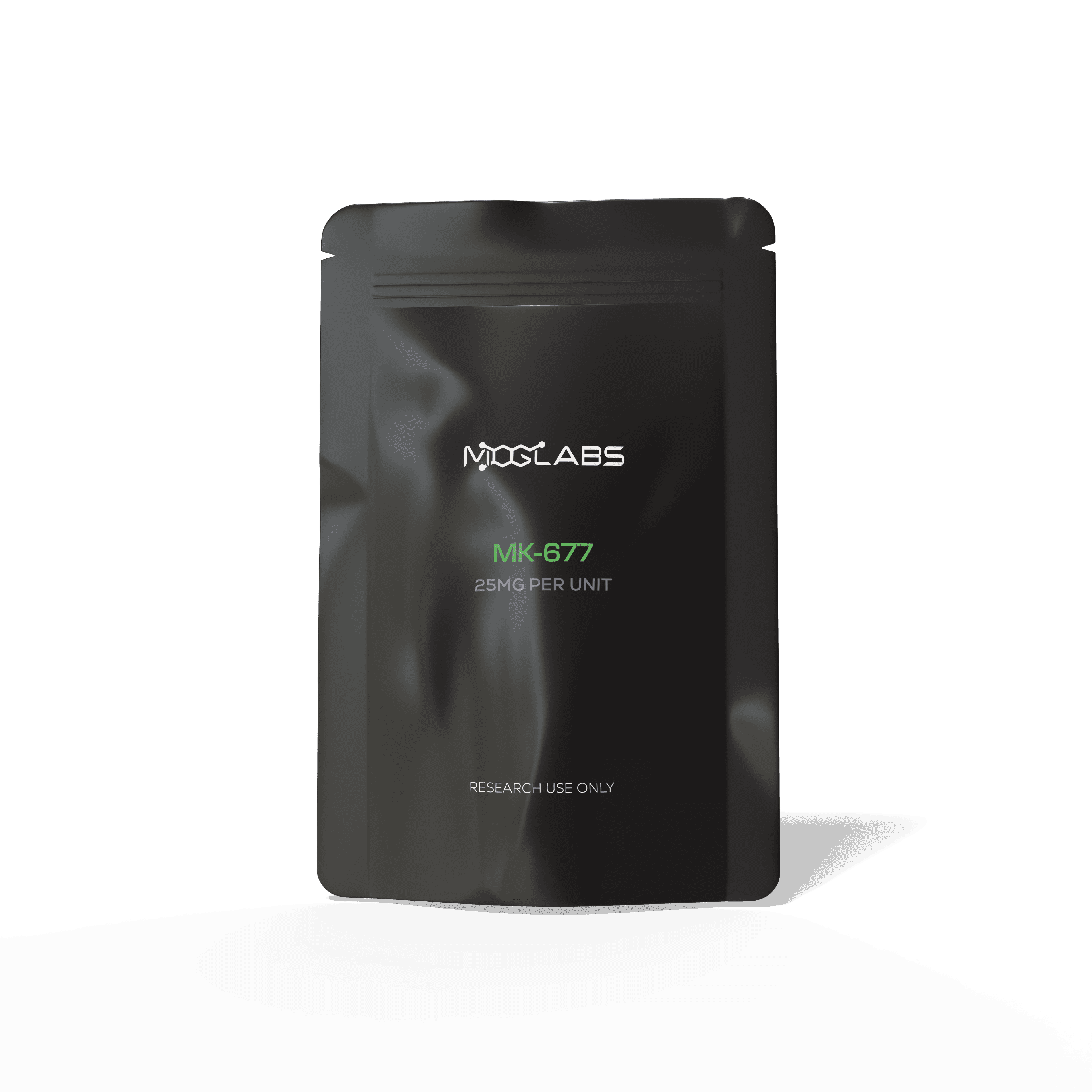
| Moglabslowest | 25mg | $68.00 | $2.72/mg |
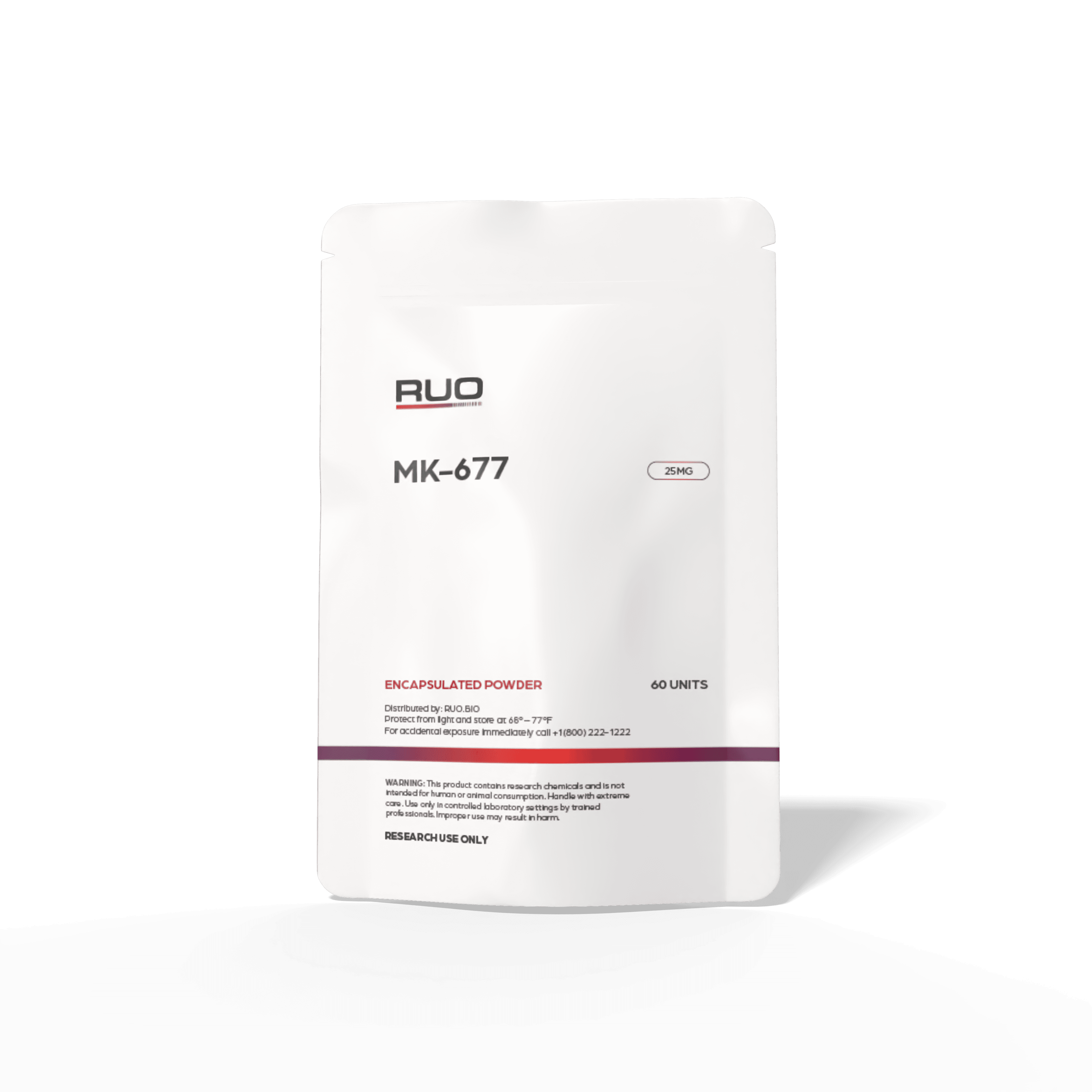
| RUOlowest | 25mg | $68.00 | $2.72/mg |
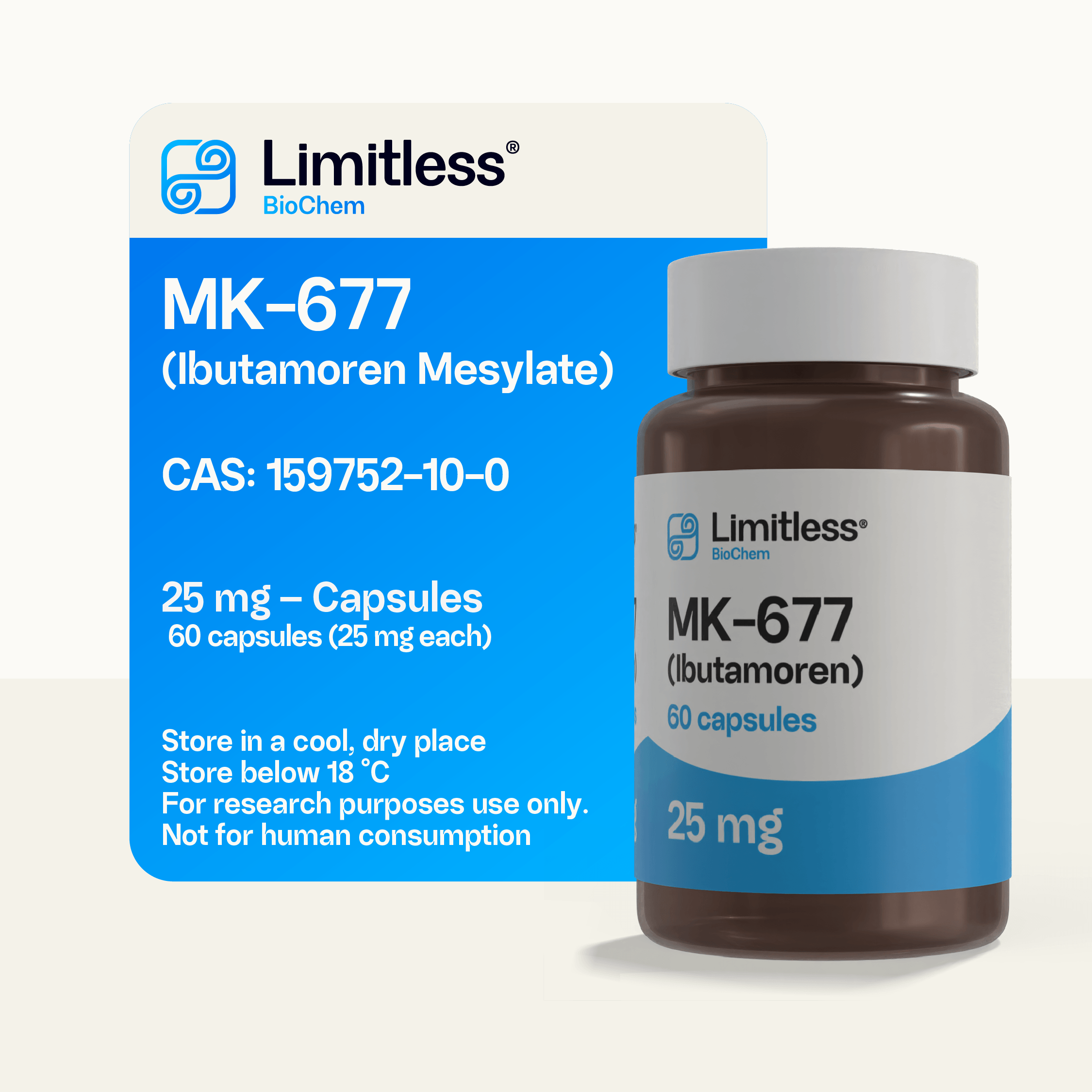
| Limitless Biochem | 25mg | $80.25 | $3.21/mg |
RUO
MK-677
Moglabs
MK-677
Limitless Biochem🌐
MK-677
RUPharma🌐
MK-677
Kimera Chems
MK-677
Research
- 1996first citedSolubilization and characterization of a growth hormone secretagogue receptor from porcine ante…
- 1999most active year3 papers
- 2008controlled trialEffects of an oral ghrelin mimetic on body composition and clinical outcomes in healthy older a…
- 2019most recentMK0677, a Ghrelin Mimetic, Improves Neurogenesis but Fails to Prevent Hippocampal Lesions in a…
- 1.Effects of an oral ghrelin mimetic on body composition and clinical outcomes in healthy older adults: a randomized trial.
- 2.Two-month treatment of obese subjects with the oral growth hormone (GH) secretagogue MK-677 increases GH secretion, fat-free mass, and energy expenditure.
- 3.Prolonged oral treatment with MK-677, a novel growth hormone secretagogue, improves sleep quality in man.
- 4.Solubilization and characterization of a growth hormone secretagogue receptor from porcine anterior pituitary membranes.
- 5.Growth hormone secretagogue binding sites in peripheral human tissues.
- 6.Ghrelin and des-acyl ghrelin both inhibit isoproterenol-induced lipolysis in rat adipocytes via a non-type 1a growth hormone secretagogue receptor.
- 7.Effects of oral administration of ibutamoren mesylate, a nonpeptide growth hormone secretagogue, on the growth hormone-insulin-like growth factor I axis in growth hormone-deficient children.
- 8.Effect of alendronate and MK-677 (a growth hormone secretagogue), individually and in combination, on markers of bone turnover and bone mineral density in postmenopausal osteoporotic women.
- 9.Oral administration of the growth hormone secretagogue MK-677 increases markers of bone turnover in healthy and functionally impaired elderly adults. The MK-677 Study Group.
- 10.Discrepancy between serum leptin values and total body fat in response to the oral growth hormone secretagogue MK-677.
- 11.The effects of MK-0677, an oral growth hormone secretagogue, in patients with hip fracture.
- 12.MK-0677 (ibutamoren mesylate) for the treatment of patients recovering from hip fracture: a multicenter, randomized, placebo-controlled phase IIb study.
15 listed here; entry last updated August 2026
Reviews
- Bloat maxxing
Anecdotally the hunger is amazing for bulking. The water retention is very real: facial bloating, and sausage fingers. Anecdotally my lab rats joints have felt fine. Muscle gains are definitely slightly increased but nowhere near traditional ped levels. Tracking glucose every day and it’s obviously going to be increased over without running mk, but there has been no increase since starting mk even with a high carb diet.
0
My notesprivate to this device
FAQ
How does it raise growth hormone?
MK-677 (ibutamoren) mimics ghrelin to stimulate the body's own release of growth hormone and IGF-1.
Why do people take it at night?
Some prefer bedtime dosing because it may support deeper sleep, though it can be taken at any consistent time.
Why the increased appetite?
Because it acts on the ghrelin pathway, hunger is one of the most commonly reported effects.
Does it affect blood sugar?
It can reduce insulin sensitivity and raise blood sugar in some users, which is worth monitoring.
Adverse effects
- Increased appetite
- Some water retention and mild edema
- Occasional hand tingling or joint aches
- Can raise blood sugar and lower insulin sensitivity, so worth monitoring