
spec sheet12 rows
Tauroursodeoxycholic acid (TUDCA) is a naturally occurring bile acid formed in the body when taurine is joined to ursodeoxycholic acid. It is a water-attracting bile acid present in only small amounts in humans but in large quantities in bear bile, which is why it featured in traditional East Asian medicine. Modern research has examined it as a cell-protective agent, particularly for its ability to reduce cellular stress and blunt programmed cell death in models of liver, metabolic, and neurodegenerative disease.
- Liver support when the load gets heavy
- Shields cells from stress and premature death
- Eases endoplasmic reticulum stress
- Keeps bile flowing the way it should
- Studied for insulin sensitivity and gut inflammation
- The bile acid behind bear-bile medicine
- Mild digestive upset or diarrhea can occur
- Quality can vary among supplement products
Overview
Tauroursodeoxycholic acid (TUDCA) is the taurine-conjugated form of ursodeoxycholic acid, a hydrophilic bile acid derived from cholesterol [1]. Bile acids of this kind help emulsify fats during digestion, but TUDCA has drawn scientific interest chiefly for its cytoprotective properties [1]. Humans carry only trace amounts, whereas the bile of bears is unusually rich in ursodeoxycholic acid and its taurine conjugate, a fact that underlies the historical use of bear bile in traditional Chinese medicine [2][4].
A large body of preclinical work indicates that TUDCA acts as a chemical chaperone, helping proteins fold correctly and easing stress in the endoplasmic reticulum, while also inhibiting the mitochondrial pathway that leads to programmed cell death [1][3]. Through these actions it has shown protective effects in laboratory models of neurodegenerative conditions including Alzheimer's disease, Parkinson's disease, Huntington's disease, and amyotrophic lateral sclerosis, as well as in models of retinal degeneration, stroke, and metabolic disturbance [2][3]. Researchers have also explored its influence on insulin sensitivity and inflammation [1].
Ursodeoxycholic acid and its taurine conjugate were first synthesized in the 1950s, and ursodeoxycholic acid is an established treatment for certain cholestatic liver disorders and gallstones [1]. TUDCA itself reached late-stage clinical testing as one component of a combination product studied for amyotrophic lateral sclerosis; that product was withdrawn after a large trial failed to confirm benefit [3]. In many countries TUDCA is sold as a dietary supplement rather than an approved medicine, and it is available in oral capsule form; much of the evidence for its broader uses remains preclinical, and its long-term effects in humans are still being defined [1][3].

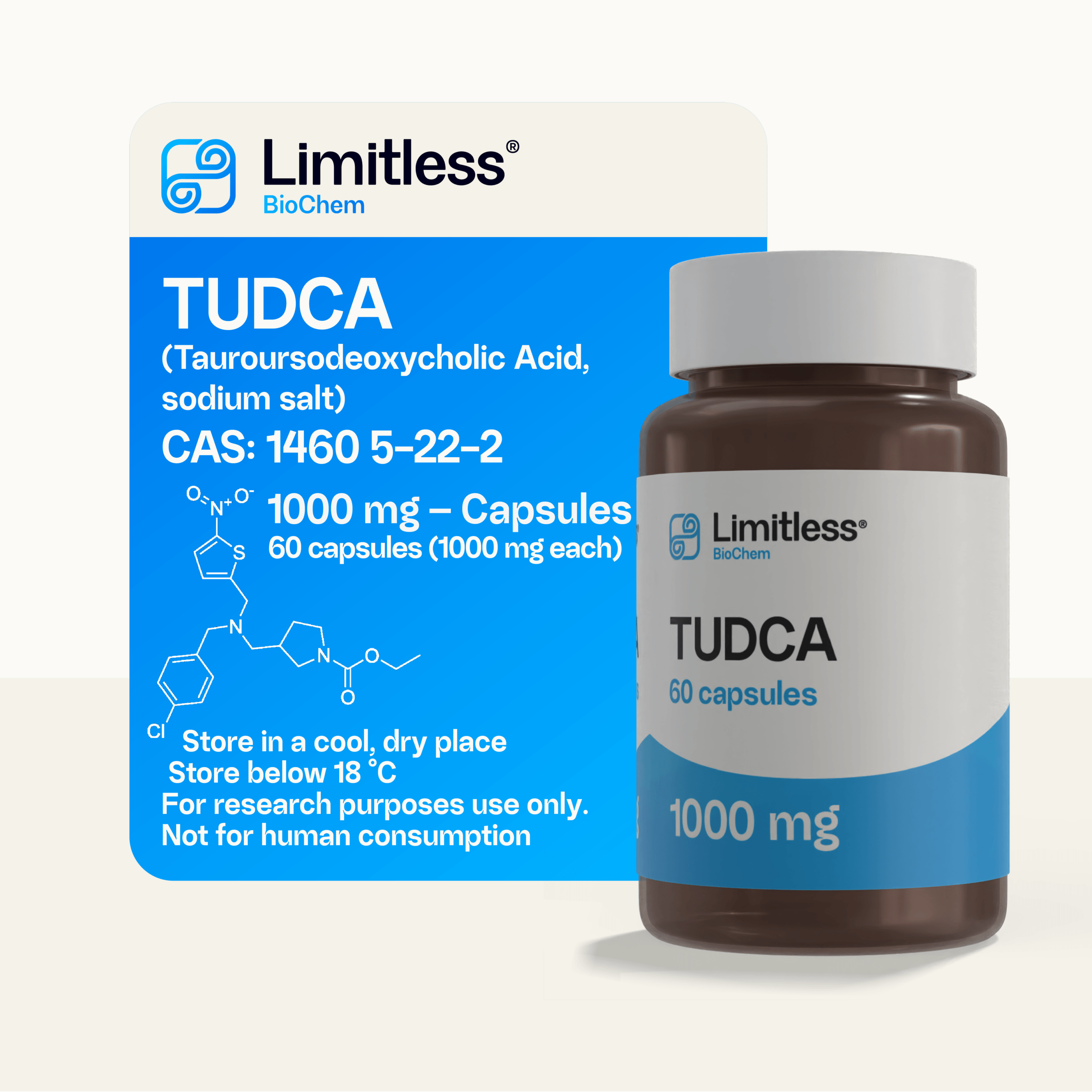
- TUDCA is naturally concentrated in bear bile, which is why dried bear bile was used in traditional East Asian medicine for centuries before the compound was ever isolated.
- It behaves as a chemical chaperone, physically helping proteins fold correctly and relieving stress in the endoplasmic reticulum rather than acting on a single classical receptor.
- In a 2024 study, TUDCA improved cellular energy production in muscle cells taken from patients with a rare inherited myopathy, pointing to a druggable role for the chaperone.
Mechanism
TUDCA is thought to protect cells mainly through two overlapping routes. First, it functions as a chemical chaperone, stabilizing the correct three-dimensional folding of proteins and relieving stress in the endoplasmic reticulum, the cellular compartment where proteins are assembled; this action calms the unfolded protein response that would otherwise push damaged cells toward death [1][3]. Second, it interferes with the , or intrinsic, pathway of apoptosis, in part by preventing the pro-death protein Bax from moving to the mitochondria and by dampening the release of factors that activate the caspase enzymes responsible for dismantling the cell [1].
TUDCA additionally reduces and can signal through cell-surface bile-acid receptors, and together these effects lessen inflammation and help preserve function [1][3]. In models of neurodegeneration, this combination of chaperone activity, anti-apoptotic action, and antioxidant effect is credited with protecting neurons from the protein misfolding and cellular stress that characterize these diseases [2][3].
receptor fingerprint
Endoplasmic reticulum stressActs as a chemical chaperone
Hepatocytes and bile flowProtects liver cells and eases cholestasis
signalingImproves liver and muscle insulin sensitivity
Dosingtypical ranges, not medical advice
interested in protocols and clinical dosages? make an account to see them! ^_^
Safetyrisks and cautions, not medical advice
TUDCA (tauroursodeoxycholic acid) is a bile-acid derivative that is generally well tolerated, with gastrointestinal effects, mainly diarrhea, the most common complaint. Long-term human safety data are limited, particularly for supplement-grade products, and it can theoretically affect bile-acid balance and interact with other bile acids or cholesterol-lowering agents. People with biliary obstruction or gallbladder disease should seek medical advice before use.
History
Tauroursodeoxycholic acid is the taurine-conjugated form of ursodeoxycholic acid, a bile acid that occurs naturally in humans in only trace amounts but is abundant in bear bile. Because of that, it has an unusually long pedigree; dried bear bile was prized in traditional East Asian medicine for well over a thousand years to treat liver complaints, fevers, and eye disorders, long before its chemistry was understood.
Modern interest followed the twentieth-century characterization of ursodeoxycholic acid and the recognition that its taurine conjugate is more water-soluble and, in the laboratory, a capable protector of stressed cells. From the 1990s onward, researchers began to document TUDCA's activity as a chemical chaperone that eases endoplasmic reticulum stress and as an inhibitor of the mitochondrial apoptosis pathway. This work expanded from its hepatobiliary roots into models of metabolic, ophthalmic, and neurodegenerative disease, positioning TUDCA as a cell-protective agent of broad and continuing scientific attention.
Reputation
TUDCA has earned a favorable standing among researchers and users alike as a versatile cytoprotective bile acid. Its appeal lies in a coherent set of mechanisms; it stabilizes protein folding, dampens the unfolded protein response, blunts programmed cell death, and reduces oxidative stress, effects that connect logically to its benefits in models of liver, metabolic, and neurodegenerative disease.
The molecule is generally well tolerated, and its historical use in the form of bear bile lends it a certain mystique that modern biochemistry has largely validated at the mechanistic level. Much of the most striking evidence still comes from cell and animal studies rather than large human trials, so its promise in neurodegeneration in particular should be read as encouraging rather than settled. Even so, TUDCA remains one of the more scientifically interesting supplements available, bridging traditional practice and contemporary cell biology.
Subjective profileweighing the evidence above
A reasonable pick for liver support, particularly alongside anything hard on the liver, and the ER stress mechanism is better grounded than most supplement stories. Long-term human data is thin and supplement quality varies, and anyone with gallbladder disease or biliary obstruction should get medical advice first.
Where to buy

2 other outlets
Suppliers
Vendors carrying TUDCA, with live product details and codes. Links are affiliate links that support the wiki at no cost to you.
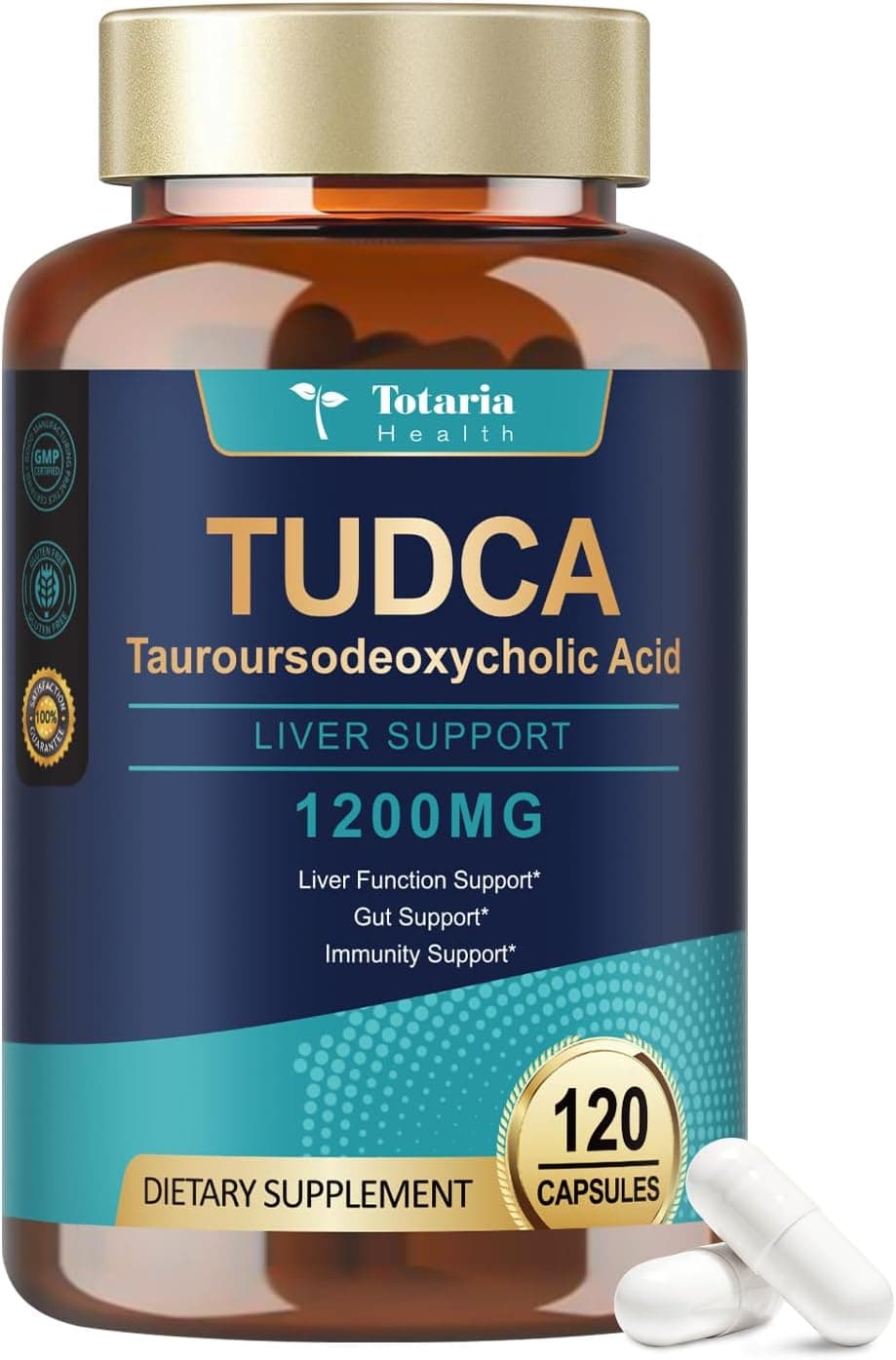
Amazon
TUDCA
Limitless Biochem🌐
TUDCA
Amazon
TUDCA
Research
- 1993first citedUrsodeoxycholic acid in the Ursidae: biliary bile acids of bears, pandas, and related carnivore…
- 2023controlled trialA randomized double-blind clinical trial on safety and efficacy of tauroursodeoxycholic acid (T…
- 2024most active year6 papers
- 2025most recentTauroursodeoxycholic acid modulates neuroinflammation via STING/NF-κB inhibition after traumati…
- 1.The Unexpected Uses of Urso- and Tauroursodeoxycholic Acid in the Treatment of Non-liver Diseases.
- 2.The bile acid TUDCA and neurodegenerative disorders: An overview.
- 3.Tauroursodeoxycholic acid: a potential therapeutic tool in neurodegenerative diseases.
- 4.Ursodeoxycholic acid in the Ursidae: biliary bile acids of bears, pandas, and related carnivores.
- 5.A randomized double-blind clinical trial on safety and efficacy of tauroursodeoxycholic acid (TUDCA) as add-on treatment in patients affected by amyotrophic lateral sclerosis (ALS): the statistical analysis plan of TUDCA-ALS trial.
- 6.Sodium Phenylbutyrate and Tauroursodeoxycholic Acid: A Story of Hope Turned to Disappointment in Amyotrophic Lateral Sclerosis Treatment.
- 7.Tauroursodeoxycholic acid (TUDCA) is neuroprotective in a chronic mouse model of Parkinson's disease.
- 8.Tauroursodeoxycholic acid (TUDCA) supplementation prevents cognitive impairment and amyloid deposition in APP/PS1 mice.
- 9.Glucocorticoid receptor-dependent therapeutic efficacy of tauroursodeoxycholic acid in preclinical models of spinocerebellar ataxia type 3.
- 10.Tauroursodeoxycholic acid modulates neuroinflammation via STING/NF-κB inhibition after traumatic brain injury.
- 11.Neuroprotective Effect of Tauroursodeoxycholic Acid (TUDCA) on In Vitro and In Vivo Models of Retinal Disorders: A Systematic Review.
- 12.Tauroursodeoxycholic acid (TUDCA) protects photoreceptors from cell death after experimental retinal detachment.
22 listed here; entry last updated August 2026
Reviews
My notesprivate to this device
FAQ
How is TUDCA different from UDCA?
TUDCA is the taurine conjugated form of UDCA; it is more water soluble and is the form most used in supplements and ER stress research.
Why do lifters use it?
It is popular for liver protection during oral steroid or SARM cycles, though controlled data in that setting is thin.
Does it help the brain?
Neuroprotective effects are real in animal models but human evidence is still early.
Is it a bile salt?
Yes; it is a naturally occurring bile acid, present in tiny amounts in humans and more in bears traditionally.
Limitations of the evidence
- Long-term safety in humans is not fully established
- Effects during pregnancy are not well studied
Adverse effects
- Mild digestive upset or diarrhea can occur
- Quality can vary among supplement products
Notes and cautions
- Generally well tolerated in short-term studies