
spec sheet12 rows
Alpha-lipoic acid (ALA), also called lipoic acid or thioctic acid, is a naturally occurring organosulfur compound that serves as an essential cofactor for several mitochondrial enzymes involved in energy metabolism. It is soluble in both water and fat and is widely marketed as a dietary antioxidant supplement, while in some countries a pharmaceutical form is used to treat the symptoms of diabetic neuropathy.
- Antioxidant that works in both water and fat
- Recharges other antioxidants back to active form
- Essential cofactor for mitochondrial energy enzymes
- Prescribed in some countries for diabetic nerve symptoms
- Studied for better insulin sensitivity
- Widely used dietary antioxidant supplement
- May lower blood glucose, so caution is warranted alongside diabetes medications
Overview
Alpha-lipoic acid is an organosulfur molecule built around a five-membered dithiolane ring containing two sulfur atoms, and it is derived biosynthetically from the fatty acid octanoic acid [2]. In its natural, protein-bound form it is an indispensable cofactor for mitochondrial enzyme complexes such as pyruvate dehydrogenase and α-ketoglutarate dehydrogenase, which link the breakdown of glucose to the citric acid cycle and cellular energy production [2]. The body makes small amounts endogenously, and it is present in foods bound to protein, but supplemental ALA is chemically synthesized and taken as the free acid [1][2].
ALA is unusual in dissolving in both water and lipid, which lets it act as an antioxidant across different cellular compartments; its reduced form, dihydrolipoic acid, can regenerate other antioxidants such as glutathione and vitamins C and E and can chelate metals [1]. Beyond simple radical scavenging, research suggests it influences signaling, including activation of the Nrf2 detoxification pathway and suppression of the inflammatory transcription factor NF-κB [1]. Only the R-enantiomer occurs in nature and is generally the more active form, whereas the synthetic S-enantiomer is less active; most products contain either the racemic mixture or purified R-lipoic acid [2]. Oral bioavailability is modest, on the order of a third of the dose, with a short half-life, which has motivated various improved formulations [2].
The best-studied clinical use is diabetic peripheral neuropathy. In Germany, ALA has been approved as a drug for this indication since the 1960s and is available without prescription, and it is often given intravenously in that setting [2]. Evidence for oral use is mixed; some meta-analyses report dose-related improvement in neuropathy symptom scores [3], while a Cochrane systematic review concluded that oral ALA probably has little or no effect on symptoms at six months and noted a high risk of bias in the underlying trials [4]. ALA has also been examined for obesity, metabolic and cardiovascular measures, and various neurological conditions, generally with modest or inconclusive results [1][2]. Aside from its pharmaceutical status in some countries, it is sold globally as a dietary supplement in capsules, tablets, and solutions [2].

- Isolating the first pure alpha-lipoic acid in 1951 reportedly required processing enormous amounts of liver to obtain a tiny quantity of the crystalline compound, a testament to how scarce it is in tissue.
- Alpha-lipoic acid is unusual among antioxidants in being active in both watery and fatty environments, which is why it is sometimes called a 'universal' antioxidant.
Mechanism
Alpha-lipoic acid operates through two connected roles. Biochemically, in its protein-bound lipoyl form it is a covalently attached cofactor for dehydrogenase complexes, notably pyruvate dehydrogenase and α-ketoglutarate dehydrogenase, where its dithiolane ring shuttles acyl groups and electrons during oxidative decarboxylation, tying carbohydrate metabolism to the citric acid cycle and ATP production [2].
Pharmacologically, free ALA and its reduced counterpart dihydrolipoic acid form a redox couple that can neutralize reactive oxygen species in both aqueous and lipid environments, restore intracellular glutathione, recycle vitamins C and E, and chelate transition metals [1]. At low micromolar concentrations it also modulates cell signaling, activating the Nrf2-driven Phase II antioxidant response and repressing NF-κB-mediated inflammatory gene expression, and it has been reported to improve glucose handling and endothelial activity, effects that reach beyond a strict antioxidant definition [1].
receptor fingerprint
enzymesActs as a cofactor and antioxidant
Glutathione systemRegenerates other antioxidants
signalingImproves glucose uptake
Dosingtypical ranges, not medical advice
interested in protocols and clinical dosages? make an account to see them! ^_^
Safetyrisks and cautions, not medical advice
Alpha-lipoic acid is a widely used antioxidant supplement that is generally well tolerated, with the most common effects being gastrointestinal upset, rash, and lowering of blood sugar that can cause hypoglycemia, particularly in people with diabetes or taking glucose-lowering medication. Rare cases of insulin autoimmune syndrome causing hypoglycemia have been reported. It may also interact with thyroid medication and chemotherapy, so combined use warrants caution.
History
Alpha-lipoic acid, also called thioctic acid, was first isolated in crystalline form in 1951 by Lester J. Reed and colleagues at the University of Texas, working with material derived from large quantities of liver; the achievement clarified its role as an essential cofactor in the oxidative decarboxylation reactions of energy metabolism. In the decades that followed, its dual identity became apparent: a protein-bound lipoyl cofactor for mitochondrial dehydrogenase complexes and, in free form, a redox-active antioxidant. Germany played a central role in translating this biochemistry into medicine, where pharmaceutical alpha-lipoic acid has long been used to treat the symptoms of diabetic neuropathy. Landmark randomized trials, including multicenter studies of intravenous and oral dosing, established much of the modern clinical interest in the compound.
Reputation
Alpha-lipoic acid is well regarded as a versatile antioxidant supplement, notable for being soluble in both water and fat, which lets it act across cellular compartments where many antioxidants cannot. It is often described as a 'universal' antioxidant because its reduced form can help regenerate other protective molecules such as glutathione and vitamins C and E. Its most substantiated clinical role is in easing the symptoms of diabetic peripheral neuropathy, where controlled trials have reported meaningful reductions in pain, burning, and numbness, and it is generally well tolerated with mild nausea being the most common complaint. Enthusiasm in the broader wellness market sometimes outpaces the evidence for other uses, so it is fairly framed as strongest where the neuropathy data are, and more exploratory elsewhere.
Subjective profileweighing the evidence above
Genuinely worth it if diabetic nerve pain or insulin sensitivity is the target; the neuropathy evidence is better than most supplements ever manage. It does lower blood sugar, so anyone on diabetes medication should watch for lows. Outside those uses, expect little.
Where to buy
2 other outlets

Suppliers
Vendors carrying ALA, with live product details and codes. Links are affiliate links that support the wiki at no cost to you.
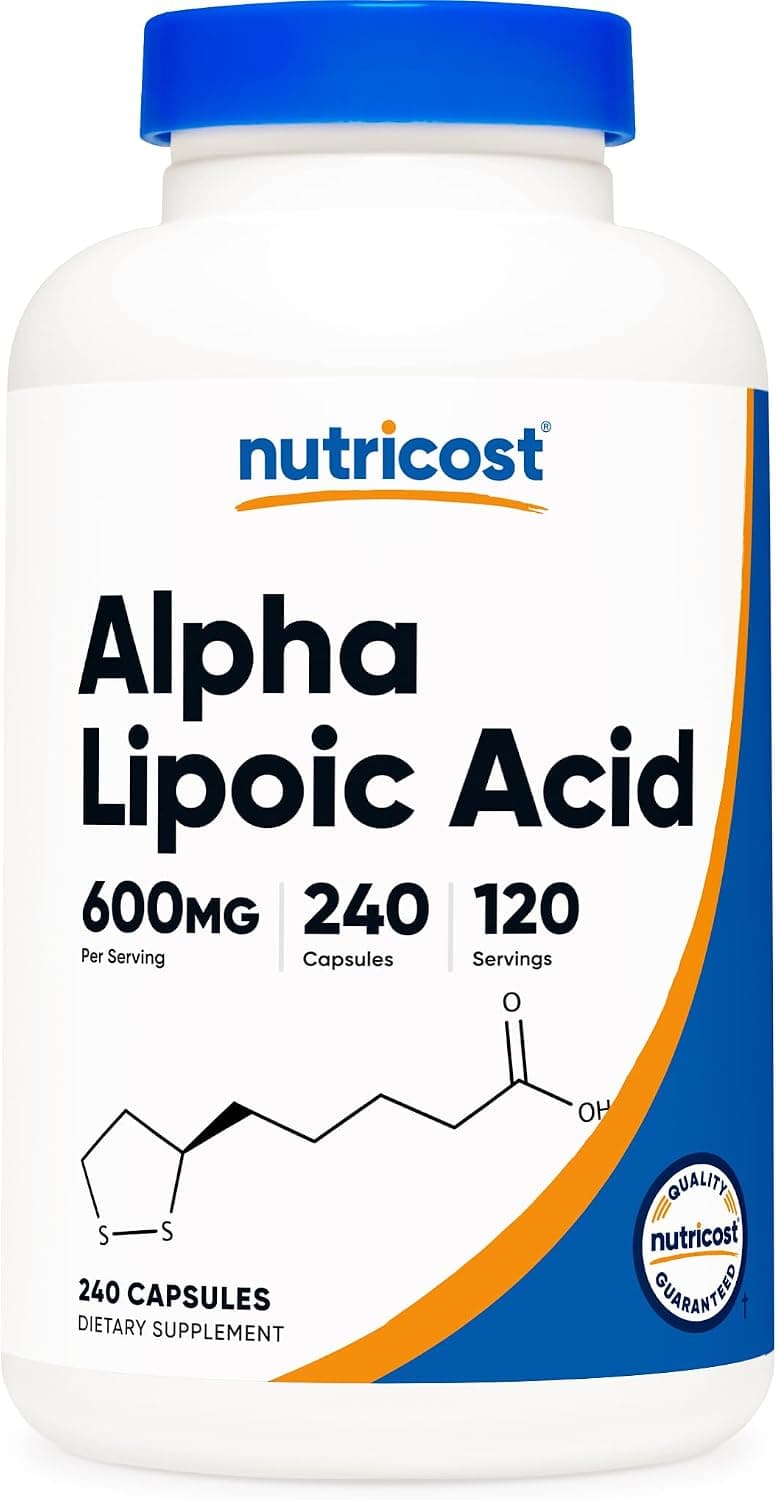
Amazon
Alpha Lipoic Acid
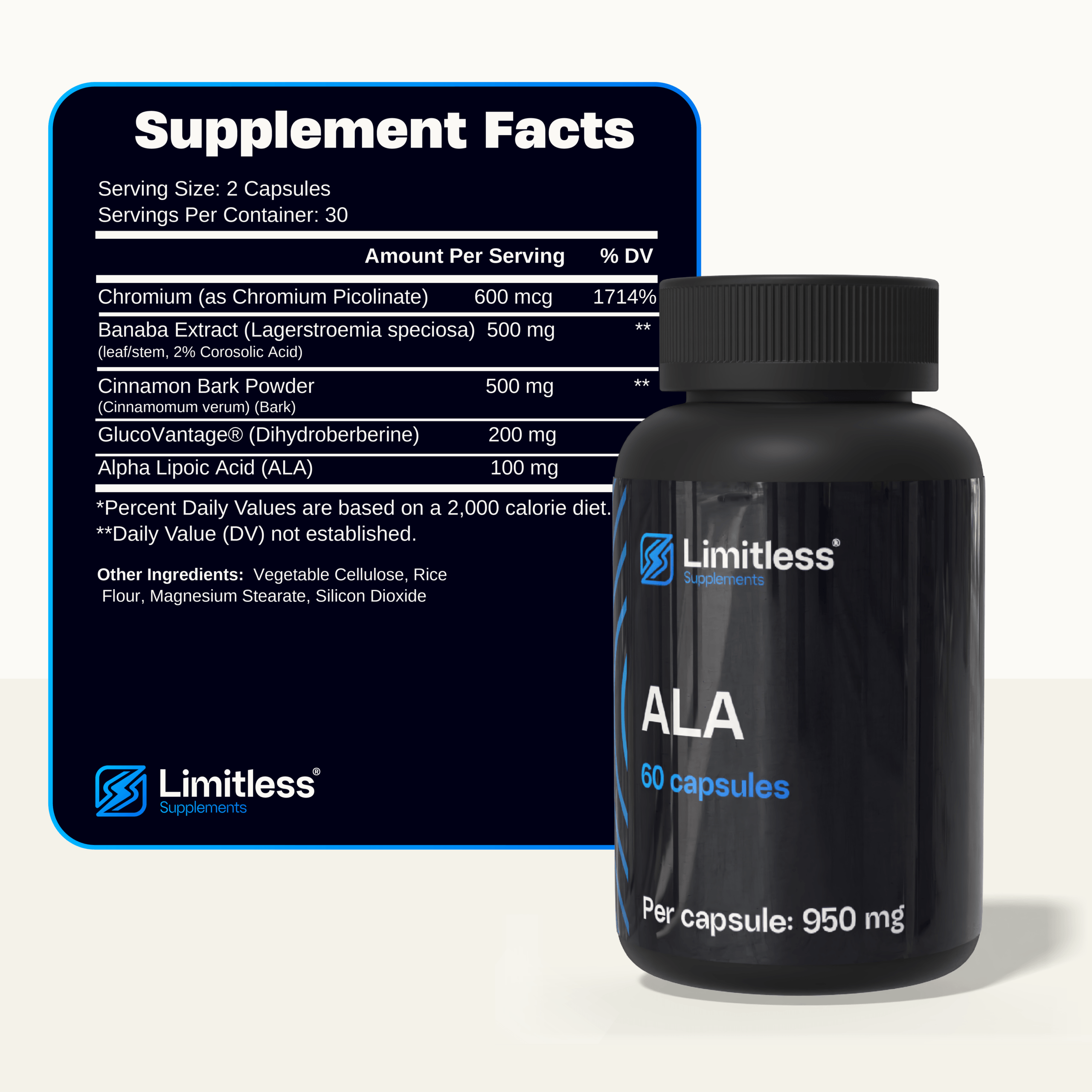
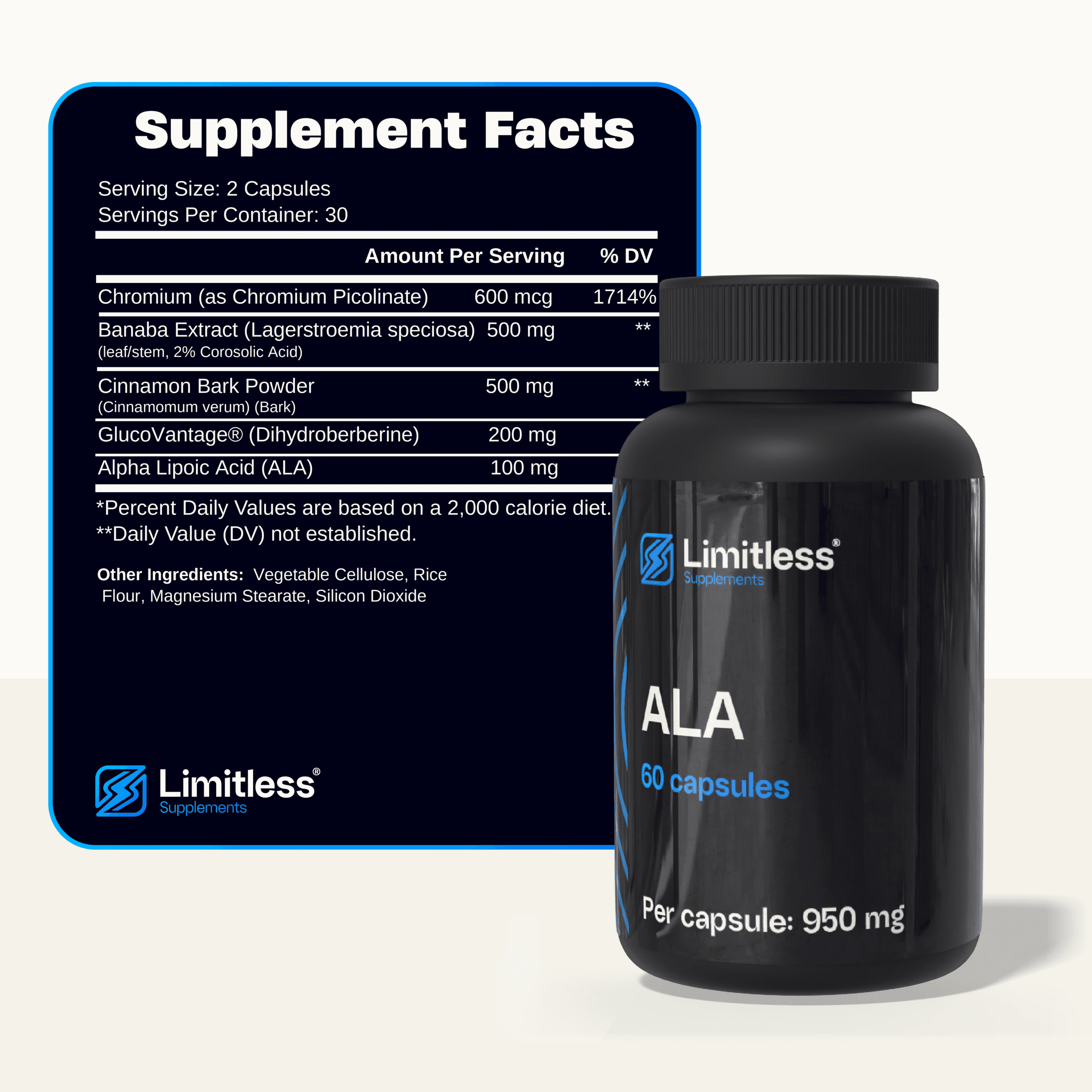
Limitless Biochem🌐
ALA
iHerb
Alpha-Lipoic Acid
Research
- 1997first citedAlpha-lipoic acid in the treatment of diabetic peripheral and cardiac autonomic neuropathy
- 2023meta-analysisEffects of Oral Alpha-Lipoic Acid Treatment on Diabetic Polyneuropathy: A Meta-Analysis and Sys…
- 2024most recentAlpha-lipoic acid for diabetic peripheral neuropathy.
- 1.Alpha-lipoic acid as a dietary supplement: molecular mechanisms and therapeutic potential
- 2.Insights on the Use of α-Lipoic Acid for Therapeutic Purposes
- 3.Effects of Oral Alpha-Lipoic Acid Treatment on Diabetic Polyneuropathy: A Meta-Analysis and Systematic Review
- 4.Alpha-lipoic acid for diabetic peripheral neuropathy.
- 5.Oral Alpha Lipoic Acid Treatment for Symptomatic Diabetic Peripheral Neuropathy: A Randomized Double-Blinded Placebo-Controlled Study
- 6.Alpha-lipoic acid in the treatment of diabetic peripheral and cardiac autonomic neuropathy
6 listed here; entry last updated August 2026
Reviews
My notesprivate to this device
FAQ
R-ALA or standard ALA?
R-lipoic acid is the natural, more biologically active isomer; standard supplements are a 50/50 mix, so R forms aim for more effect per amount.
Why take it on an empty stomach?
Food can reduce its absorption, so most protocols take it away from meals.
Does it help blood sugar?
It can improve insulin sensitivity modestly; if you take diabetes medication, monitor for lows.
What is its best proven use?
Reducing symptoms of diabetic peripheral neuropathy has the strongest human evidence, especially intravenous forms.
Limitations of the evidence
- Oral bioavailability is limited and the evidence for several marketed uses is modest or mixed
Adverse effects
- May lower blood glucose, so caution is warranted alongside diabetes medications
Notes and cautions
- Generally well tolerated in studies; gastrointestinal upset such as nausea can occur
- Long-term safety at high supplemental intakes is not fully characterized