
spec sheet16 rows
Acetyl-L-carnitine (ALCAR), also known as levacecarnine, is the acetylated form of the amino-acid derivative L-carnitine. It occurs naturally in the body, where it participates in mitochondrial energy metabolism by helping transport fatty acids for breakdown and by supplying acetyl groups. Sold widely as a dietary supplement and used as a medicine in some countries, it has been studied for depression, nerve pain, and age-related cognitive decline.
- Mental energy and focus you can feel
- Feeds the mitochondria that make your energy
- Lifts dopamine signaling over the long run
- Studied against SSRIs for mood in older adults
- Cholinergic lift plus antioxidant support
- Backed by research on nerve pain and fatigue
- Evidence for nerve pain is mixed, with a positive meta-analysis but a more cautious Cochrane review
Overview
Acetyl-L-carnitine is a small, water-soluble molecule formed when an acetyl group is attached to L-carnitine, a compound the body makes from the amino acids lysine and methionine and also obtains from foods such as meat and dairy [1]. Carnitine's central biological job is to ferry long-chain fatty acids across the inner mitochondrial membrane so they can be burned for energy, and the acetylated form additionally acts as a reservoir of acetyl groups that helps balance the cell's pool of acetyl-CoA [1]. Compared with plain L-carnitine, ALCAR crosses the blood-brain barrier more readily, which is part of why it has been of particular interest for the nervous system [1].
In humans, one of the better-supported uses is for depressive symptoms. A systematic review and meta-analysis of randomized trials found that acetyl-L-carnitine reduced depression scores compared with placebo and performed comparably to conventional antidepressants while causing fewer side effects, with the strongest effects in older adults [2]. Interest in aging and cognition grew from animal work; in aged rats, dietary acetyl-L-carnitine, especially combined with lipoic acid, improved memory, lowered markers of oxidative damage, and reversed age-associated decay of mitochondrial structure [1].
Acetyl-L-carnitine has also been studied extensively for peripheral nerve pain. A meta-analysis of randomized trials reported a moderate reduction in neuropathic pain, apparently greater in people with diabetes and at higher doses [3]. A more conservative Cochrane review, however, judged the evidence sparse and of low certainty, concluding that it is unclear whether the supplement meaningfully reduces pain over 6 to 12 months [4]. Acetyl-L-carnitine is generally available over the counter as a dietary supplement, though it is regulated as a drug (levacecarnine) in some countries, and it is usually well tolerated [2][3].

Mechanism
Acetyl-L-carnitine operates at the crossroads of fat metabolism and energy production. As part of the carnitine shuttle, carnitine binds long-chain fatty acids and carries them into mitochondria, where they undergo beta-oxidation to generate energy; the acetylated form supplies and buffers acetyl groups, helping regulate the balance between carbohydrate and fat use and maintaining a ready supply of acetyl-CoA [1].
Because it readily enters the brain, acetyl-L-carnitine can also donate acetyl groups toward the synthesis of the neurotransmitter and support neuronal energy metabolism [1]. In experimental models it exerts antioxidant, neuroprotective, and neurotrophic effects, reducing oxidative damage to mitochondria and nucleic acids and supporting nerve repair, mechanisms proposed to underlie its reported benefits for mood, cognition, and neuropathic pain [1][3].
receptor fingerprint
Carnitine palmitoyltransferase / fatty acid shuttlesubstrate
synthesisacetyl donor
function in neuronssupport
Peripheral nerve repairtrophic support
Histone acetylation (epigenetic)donates acetyl groups to histones, HDAC-inhibitor-like
Dosingtypical ranges, not medical advice
interested in protocols and clinical dosages? make an account to see them! ^_^
Safetyrisks and cautions, not medical advice
Generally very well tolerated. The most common complaints are mild GI upset, a fishy body odor at higher doses, and occasional jitteriness or trouble sleeping if taken late. There's some discussion around carnitine and TMAO (a gut metabolite linked in some studies to cardiovascular risk), so people with heart concerns may want to be thoughtful. Those on thyroid medication or with seizure history should check with a doctor, as carnitine can interact in those settings.
Interactionsdocumented pairs only, not exhaustive
The most documented interaction for carnitine and its acetyl ester is potentiation of coumarin anticoagulants; case reports and pharmacovigilance data describe rising INR and enhanced anticoagulant effect when carnitine is added to acenocoumarol or warfarin, so coagulation monitoring is advised on combined use. Carnitine also acts as a peripheral antagonist of thyroid hormone action, and controlled data show it can blunt thyroid hormone effects, a property that could theoretically reduce the efficacy of levothyroxine or oppose treatment in hypothyroidism. Acetyl-L-carnitine is not a notable cytochrome P450 substrate or inhibitor, so metabolic interactions are not expected. This is research information, not medical advice.
Checking a whole stack? Run it through interactions + stacks.
History
Acetyl-L-Carnitine is the acetylated ester of the amino acid derivative L-carnitine, which was first isolated from muscle tissue by the Russian scientists Vladimir Gulewitsch and Rimgard Krimberg in 1905. Interest in the acetylated form grew through the middle of the twentieth century as researchers recognized carnitine's central role in shuttling fatty acids into the mitochondria for energy production. Acetyl-L-Carnitine itself was later characterized as an endogenous compound that additionally serves as a reservoir of acetyl groups and can cross the blood brain barrier more readily than L-carnitine. From the 1980s onward it was developed and studied extensively in Italy, where it entered clinical investigation for age related cognitive decline, diabetic and peripheral neuropathy, and mood disorders, establishing it as one of the more thoroughly examined mitochondrial nutrients.
Reputation
Acetyl-L-Carnitine is widely regarded within both the supplement community and clinical research as a well tolerated and relatively well evidenced mitochondrial and cholinergic support agent. It is commonly used for its potential effects on mental energy, focus, and age related memory concerns, and it carries a stronger clinical literature than many nootropic supplements, including controlled trials in diabetic neuropathy and geriatric cognition. Enthusiasts value its acetyl group contribution to acetylcholine synthesis and its broad safety record, though experienced users and reviewers note that cognitive benefits in healthy young adults are modest and that the strongest results tend to appear in older populations or those with an underlying deficit.
Subjective profileweighing the evidence above
A solid, well-tolerated daily for mental energy and nerve support, with the best evidence in older adults and neuropathy; don't expect stimulant-level effects.
Where to buy


Suppliers
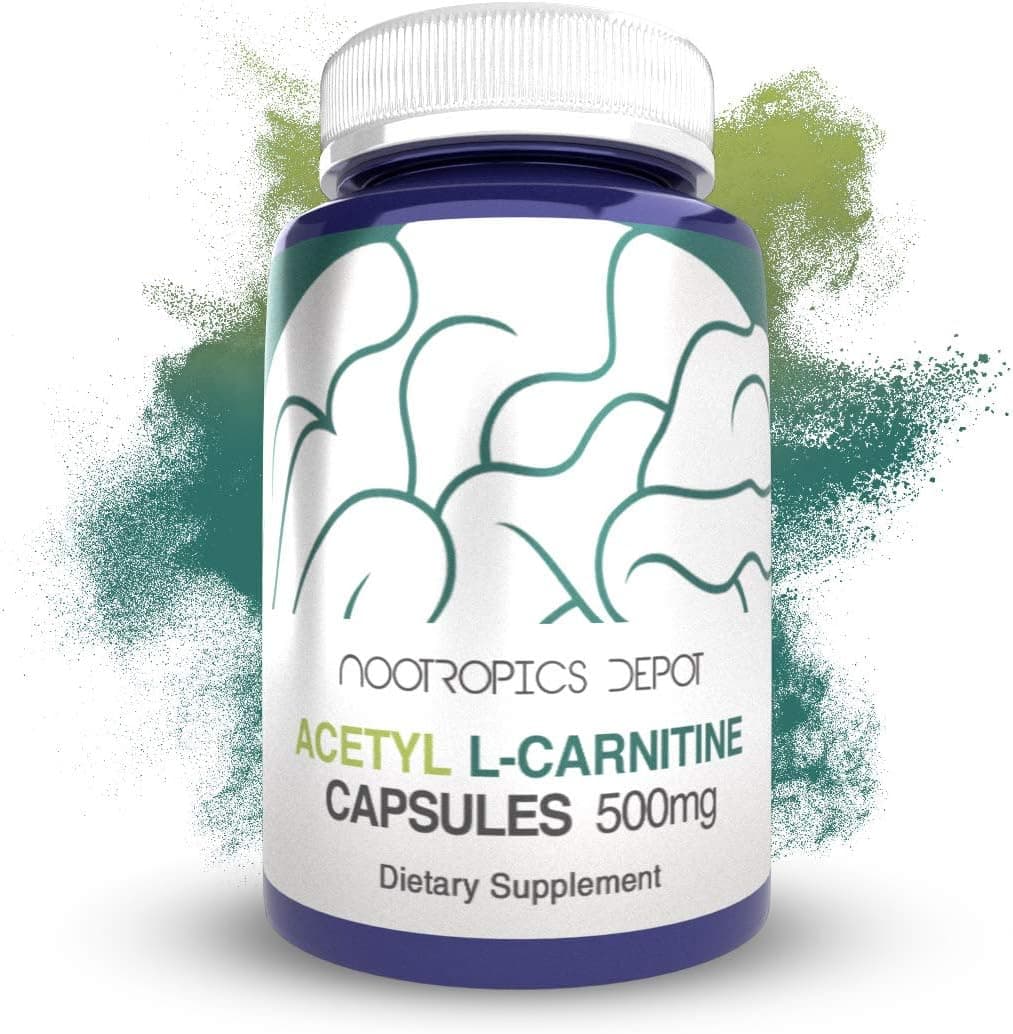
Vendors carrying Acetyl-L-Carnitine, with live product details and codes. Links are affiliate links that support the wiki at no cost to you.
Amazon
Acetyl-L-Carnitine
Exceed Enhancement
Acetyl-L-Carnitine

iHerb
Acetyl-L-Carnitine
iHerb
Acetyl-L-Carnitine
Research
- 1990first citedAcetyl-L-carnitine as a precursor of acetylcholine.
- 2018meta-analysisAcetyl-L-Carnitine Supplementation and the Treatment of Depressive Symptoms: A Systematic Revie…
- 2025most recentUnlocking Relief: Investigating the Impact of a Fixed Combination of Acetyl-L-Carnitine and Pal…
- 1.Memory loss in old rats is associated with brain mitochondrial decay and RNA/DNA oxidation: partial reversal by feeding acetyl-L-carnitine and/or R-alpha-lipoic acid
- 2.Acetyl-L-Carnitine Supplementation and the Treatment of Depressive Symptoms: A Systematic Review and Meta-Analysis
- 3.Acetyl-L-carnitine in the treatment of peripheral neuropathic pain: a systematic review and meta-analysis of randomized controlled trials
- 4.Acetyl-L-carnitine for the treatment of diabetic peripheral neuropathy.
- 5.The neurobiology of acetyl-L-carnitine.
- 6.Acetyl-L-carnitine as a precursor of acetylcholine.
- 7.Kinetics, pharmacokinetics, and regulation of L-carnitine and acetyl-L-carnitine metabolism.
- 8.L-Carnitine and Acetyl-L-carnitine Roles and Neuroprotection in Developing Brain.
- 9.Mechanisms of ischemic neuroprotection by acetyl-L-carnitine.
- 10.Acetyl-L-Carnitine in Dementia and Other Cognitive Disorders: A Critical Update.
- 11.A review of current evidence for acetyl-l-carnitine in the treatment of depression.
- 12.Acetyl-L-carnitine and alpha-lipoic acid: possible neurotherapeutic agents for mood disorders?
22 listed here; entry last updated August 2026
Reviews
My notesprivate to this device
FAQ
Is ALCAR the same as L-carnitine?
No. ALCAR is the acetylated form; it crosses into the brain better and provides an acetyl group for acetylcholine. Plain L-carnitine leans more toward peripheral fat metabolism.
Will it help me lose fat?
It supports fatty acid transport into mitochondria, but on its own it's not a reliable fat-loss agent. Think mental energy and nerve support first.
Why the fishy smell?
That's a known carnitine metabolite effect at higher doses. Lowering the dose usually fixes it.
Can I take it with a racetam?
Yes, it's a popular pairing since ALCAR's acetyl group supports acetylcholine, which racetams draw on.
Does it keep you awake?
It can be mildly stimulating for some people, so it is best kept to the first half of the day.
Does ALCAR affect dopamine or mood?
Yes, and in an interesting way. Its acetyl group can acetylate histones like an HDAC inhibitor, raising the GDNF-like factor Artemin, which upregulates dopamine long-term and carries antidepressant effects that matched SSRIs in older adults. The downside is poor oral absorption and some conversion to TMAO.
Adverse effects
- Evidence for nerve pain is mixed, with a positive meta-analysis but a more cautious Cochrane review
Notes and cautions
- Generally well tolerated; possible effects include nausea and other gastrointestinal upset, headache, and paraesthesia
- Some people report a fishy body odor at higher intakes
- Sold mostly as a supplement, though regulated as a medicine in some countries