
spec sheet12 rows
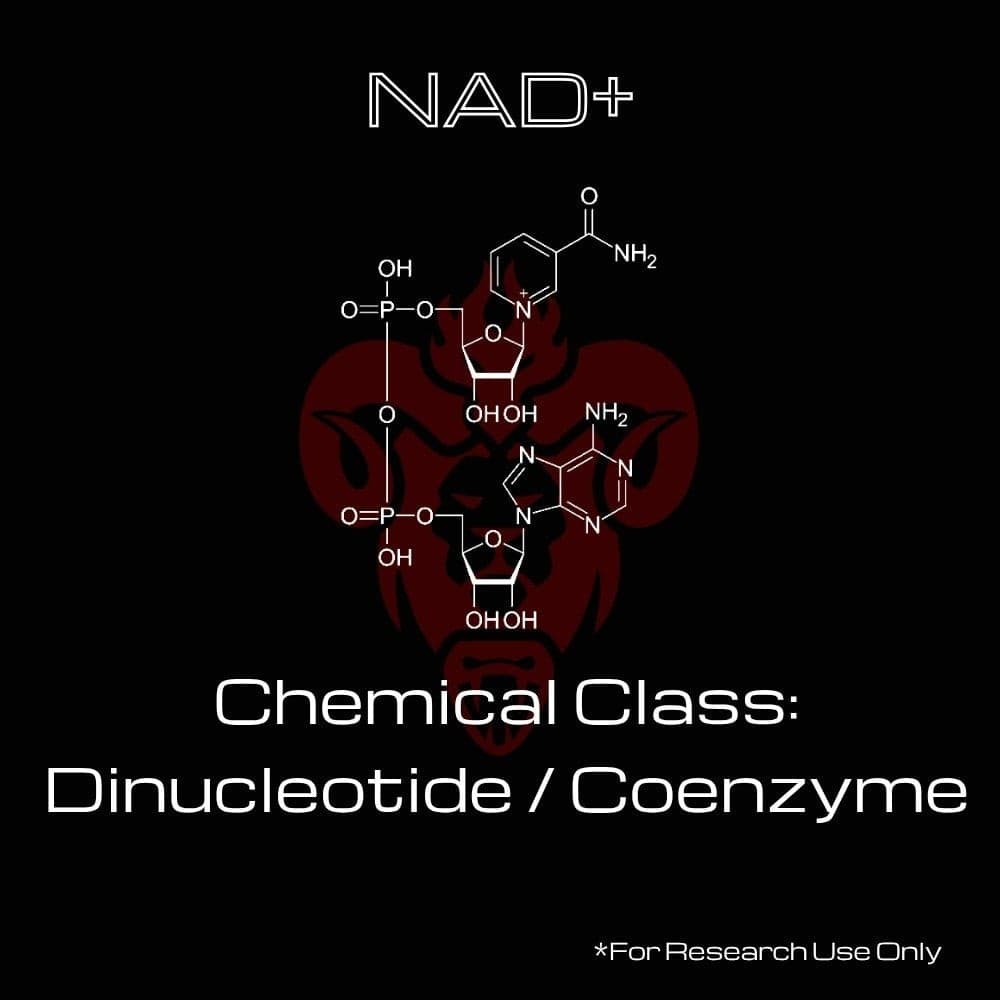
NAD+ (nicotinamide adenine dinucleotide) is a foundational coenzyme found in every living cell and a centerpiece of modern longevity science. It powers the redox reactions that generate cellular energy and serves as the essential fuel for the sirtuins and PARPs that govern DNA repair, metabolism, and healthy aging [1][2]. Because NAD+ pools decline with age, restoring them through precursor supplementation has become one of the most actively researched strategies for metabolic and neurological health [1].
- The coenzyme every cell runs energy on
- Fuel for the DNA repair enzymes
- Levels fall with age; restoring them matters
- Powers the sirtuins behind healthy aging
- Centerpiece of modern longevity science
- Best raised through a precursor
- Occasional flushing with some precursors
- Mild nausea at higher intakes
- Rapid intravenous infusion can cause moderate to severe gastrointestinal symptoms, faster heart rate and chest pressure, resolving when the infusion stops
Overview
NAD+ (nicotinamide adenine dinucleotide) is a coenzyme present in all living cells that occupies a central place in cellular metabolism. It functions in two distinct ways; as a critical carrier in reduction-oxidation reactions, shuttling electrons to drive energy production, and as a consumable cosubstrate for enzymes including the sirtuins, the poly(ADP-ribose) polymerases (PARPs), and the CD38 and CD157 ectoenzymes that regulate metabolism, circadian rhythm, and DNA repair [1][2].
A defining observation of the field is that cellular NAD+ concentrations decline during normal aging, and also with obesity and hypertension, contributing to defects in nuclear and mitochondrial function that underlie many age-associated pathologies [1][2]. This has motivated intense interest in raising NAD+ through its precursors, most prominently nicotinamide mononucleotide (NMN) and nicotinamide riboside, whose availability can be rate-limiting for NAD+ biosynthesis [2]. Preclinical models show that replenishing NAD+ can extend healthspan, counteract metabolic syndrome, and improve a range of cardiac and neurodegenerative conditions [4].
Human clinical evidence has grown alongside the animal literature. A randomized, double-blind, placebo-controlled trial found that twelve weeks of oral NMN at 250 mg per day was well tolerated, elevated NAD+ metabolism as reflected by higher serum nicotinamide, and showed a tendency toward reduced arterial stiffness in healthy middle-aged adults [3]. Another randomized trial reported that NMN increased skeletal muscle insulin sensitivity and insulin signaling in prediabetic, overweight or obese postmenopausal women [5]. Mechanistic studies continue to link NAD+ to vascular and brain aging; for example, NMN supplementation rescued aging-associated blood-brain barrier leakage through an endothelial CX43-PARP1-NAD+ pathway in mice [6].
NAD+ itself and its precursors are sold widely as dietary supplements in oral forms, and clinics also offer intravenous NAD+ protocols. Foundational reviews frame NAD+ repletion as a promising therapeutic opportunity for aging and its associated disorders, while noting that optimal dosing and long-term outcomes remain active questions [1][4].

- NAD+ was one of the very first coenzymes ever discovered, identified in 1906 under the name cozymase, and the research surrounding it contributed to several Nobel Prizes.
- Beyond carrying electrons for energy production, NAD+ is physically consumed by enzymes such as sirtuins and PARPs, so cells must continually rebuild their supply.
Mechanism
Route matters more here than for any of the precursors, because the molecule sold under the coenzyme's own name is the one form that does not usefully get in. is a large, charged dinucleotide; swallowed, it is broken down before absorption, which is the entire reason precursor products exist. Even infused it does not simply appear in circulation: over a six hour human infusion at 3 umol per minute, neither plasma NAD+ nor its metabolites changed for the first two hours, and the authors concluded that at that rate NAD+ is rapidly and completely removed from the plasma for at least the first two hours, with NAD+ and methylnicotinamide later turning up in urine [25]. A retrospective review of commercially administered infusions found markedly less comfortable than nicotinamide riboside, with moderate to severe gastrointestinal symptoms, raised heart rate and chest pressure, and a mean infusion time of 97 minutes against 37 minutes for the same dose of nicotinamide riboside [26]. Those two papers are close to the whole published human record for given as NAD+.
That has a consequence for how the evidence on this page should be read. This entry is an aggregator for biology, and almost every trial cited on it administered a precursor rather than the coenzyme: nicotinamide riboside in the Parkinson's, kidney, muscle, cognition and peripheral artery trials, nicotinamide mononucleotide in the sensitivity, arterial stiffness, sleep and walking trials. Titles are not a reliable guide in this family. One trial titled 'Nicotinamide Adenine Dinucleotide Augmentation in Overweight or Obese Middle-Aged and Older Adults' administered a microcrystalline beta-nicotinamide mononucleotide formulation [20], and one titled ' repletion improves and stem cell function and enhances life span in mice' administered nicotinamide riboside [23]. Where the pooled precursor evidence lands is modest: blood rises reliably, and body weight, fasting glucose, HbA1c, lipids and systolic blood pressure do not [31][30].
receptor fingerprint
poolreplenishes
Sirtuins (SIRT1-7)fuels
CD38 / CD157 ectoenzymesconsume NAD+
PARP1 and the PARPsconsume NAD+ for DNA repair
NAMPT (nicotinamide phosphoribosyltransferase)rate-limiting enzyme of NAD+ salvage
NMNAT1/2/3 (nicotinamide mononucleotide adenylyltransferase)final step of NAD+ synthesis
metabolismsupports
Dosingtypical ranges, not medical advice
interested in protocols and clinical dosages? make an account to see them! ^_^
Safetyrisks and cautions, not medical advice
Oral NAD+ and its precursors are well tolerated in trials, with flushing, nausea or mild gastrointestinal upset at higher intakes. Intravenous NAD+ is a different proposition, and the discomfort tracks the infusion rate rather than the dose alone.
In a retrospective review of four consecutive daily 500 mg infusions in a commercial setting, NAD+ produced moderate to severe gastrointestinal symptoms, increased heart rate and chest pressure that resolved when the infusion ended, and took 97 minutes on average to give against 37 minutes for the same dose of nicotinamide riboside; ALT, AST, hsCRP, BUN and creatinine and TSH did not change over 30 days, and alkaline phosphatase fell in the NAD+ arm while staying inside the reference range [26]. That is a chart review from a wellness clinic rather than a controlled trial, and it is close to the entire published human safety record for infused NAD+. Long-term safety of sustained high-dose supplementation, by any route, is not established.
History
NAD+ is one of the oldest known coenzymes, first identified in 1906 by the British biochemists Arthur Harden and William Young, who called the heat-stable fermentation cofactor cozymase. Over the following decades its structure and function were resolved by Hans von Euler-Chelpin, who worked out its composition, and by Otto Warburg, who showed that the nicotinamide portion is the part that accepts and carries hydride during metabolism. This body of work was foundational enough to be recognized with Nobel Prizes, including awards to Harden and von Euler-Chelpin in 1929 and to Warburg in 1931. In the modern era, the discovery that NAD+ is consumed as a substrate by sirtuins, PARPs, and CD38, and that its levels decline with age, transformed a classic textbook coenzyme into a central target of metabolic and longevity science.
Reputation
NAD+ enjoys a rare double reputation as both a settled piece of classical biochemistry and a frontier of aging research. Because every living cell depends on it for energy metabolism, its importance is beyond dispute, which gives NAD+ restoration strategies a credibility that many supplements lack. Interest surged once researchers linked declining NAD+ pools to the sirtuin and PARP systems that govern DNA repair and metabolism, framing its decline as an Achilles heel of aging cells. Human studies of precursors such as NMN have reported measurable increases in NAD+ metabolites alongside favorable trends in vascular and insulin-related measures, which sustains enthusiasm. Balanced discussion acknowledges that subjective benefits reported by users are less well characterized than the underlying biochemistry, and that optimal dosing and long-term outcomes remain active questions.
Subjective profileweighing the evidence above
Foundational biology and a poor thing to swallow directly; the coenzyme itself is absorbed inefficiently, which is exactly why the precursors exist. Buy a precursor rather than the coenzyme or an infusion. Well tolerated either way, with flushing or mild nausea at higher intakes the usual complaint.
Where to buy


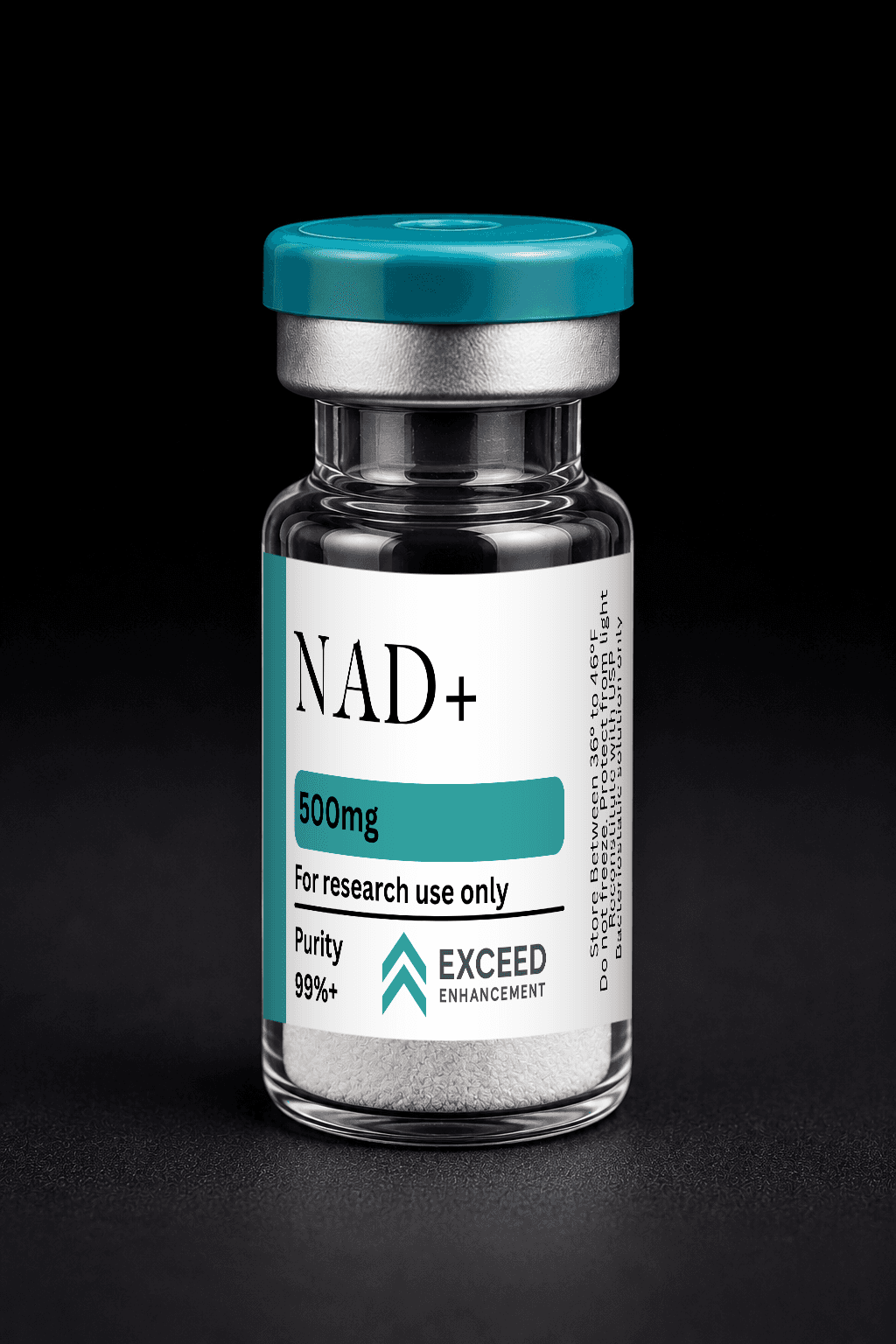
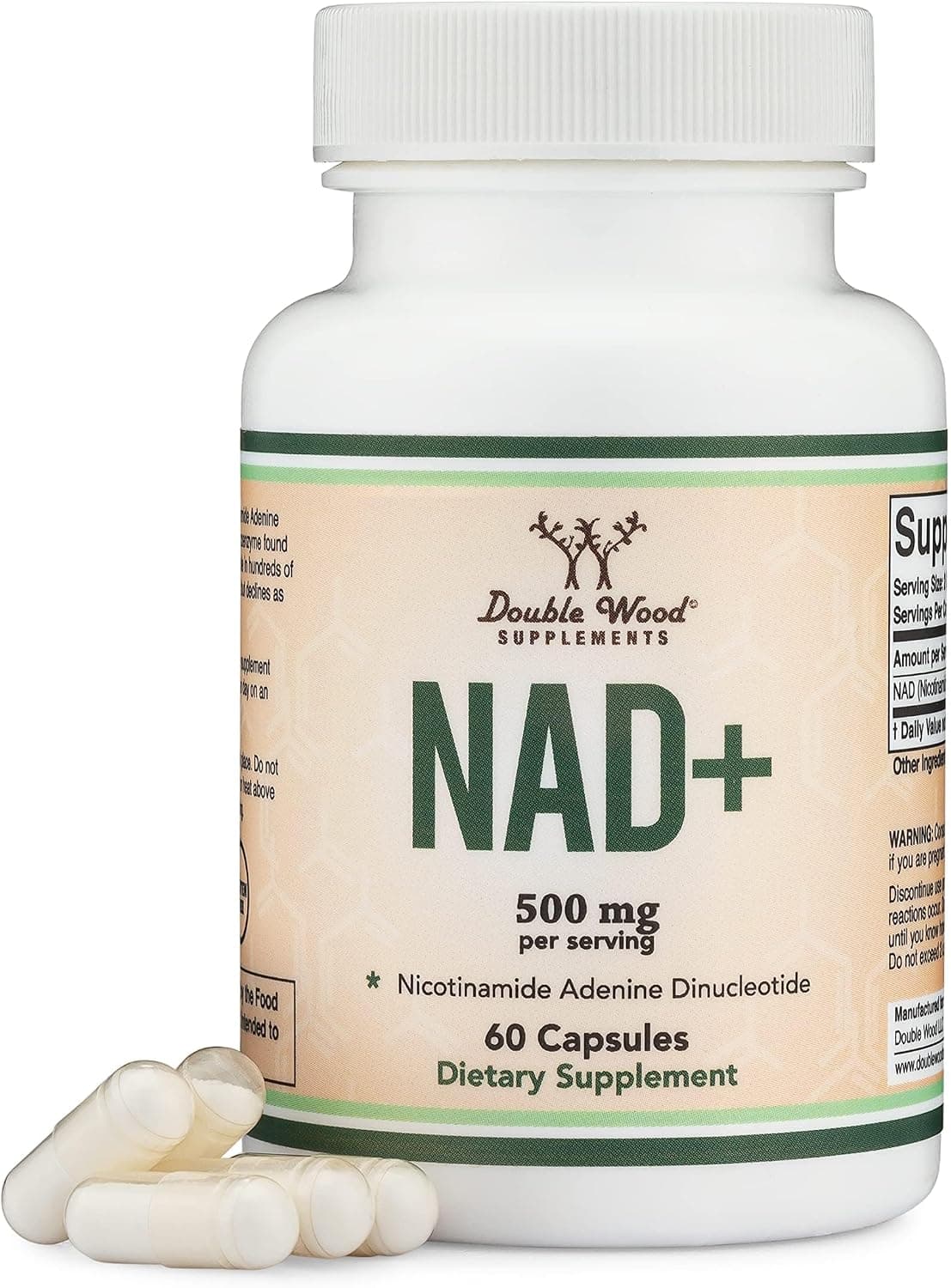
Suppliers
Vendors carrying NAD+, with live product details and codes. Links are affiliate links that support the wiki at no cost to you.
| supplier | size | price | $/mg |
|---|---|---|---|
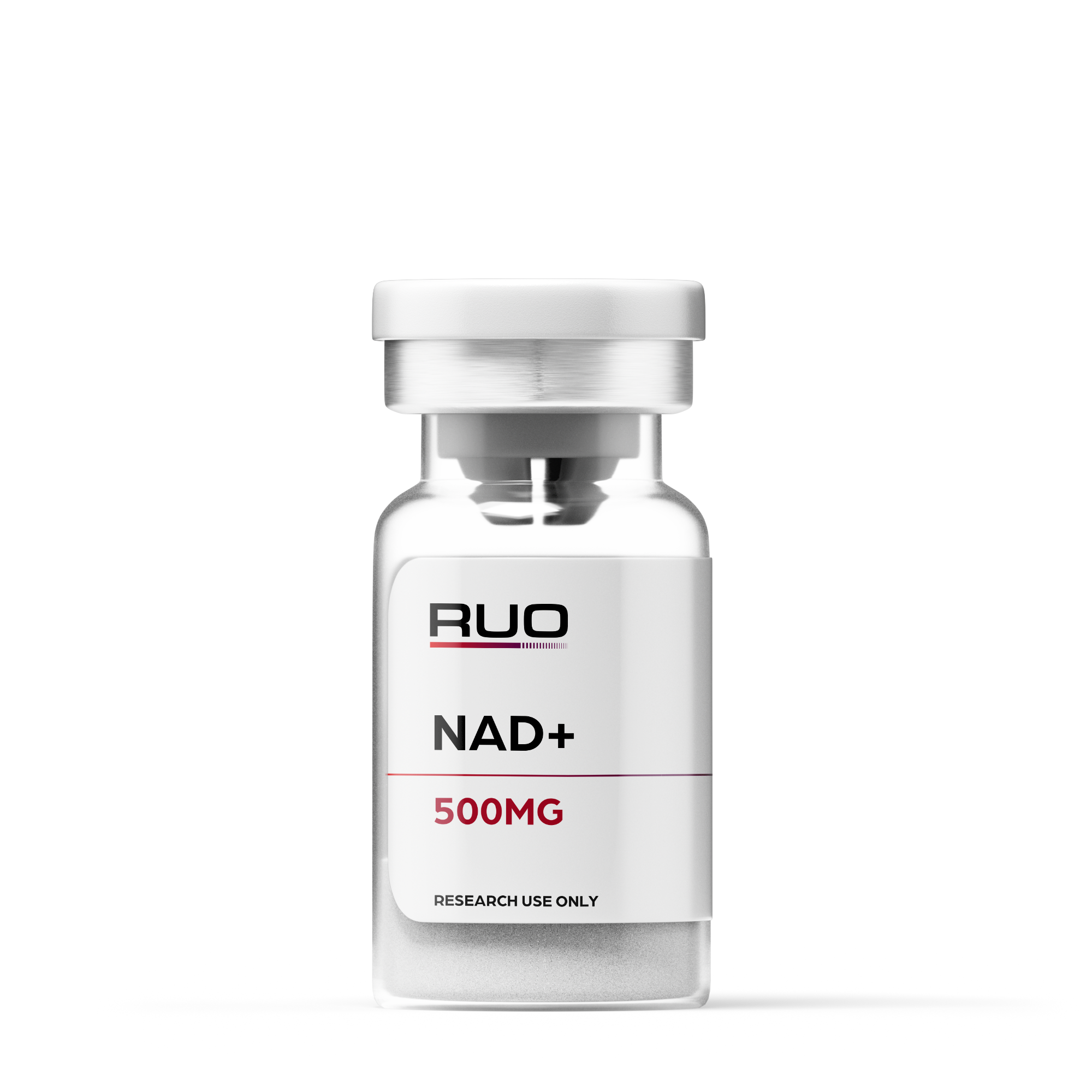
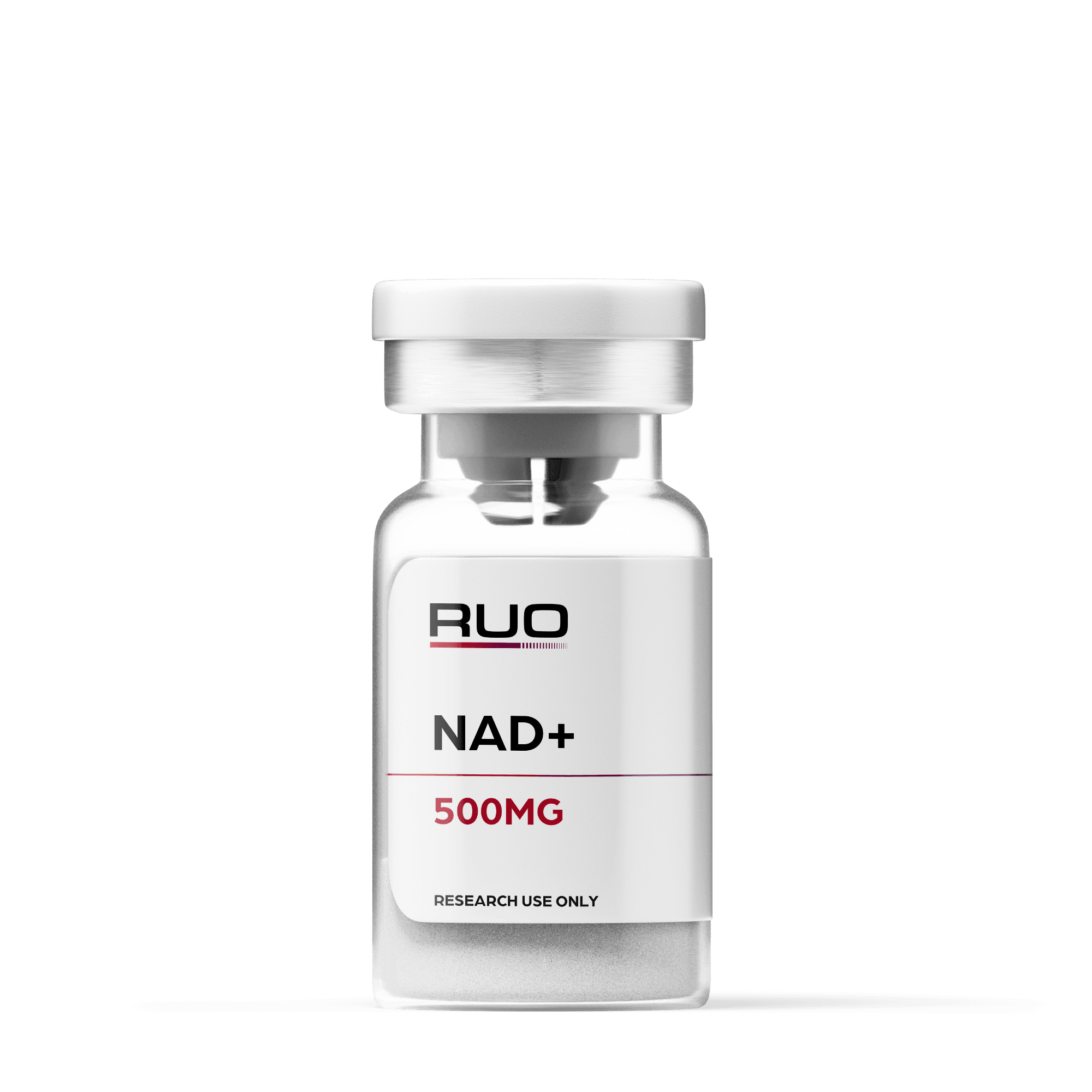
| RUOlowest | 500mg | $48.00 | $0.096/mg |
| Limitless Biochem | 500 mg | $48.99 | $0.098/mg |
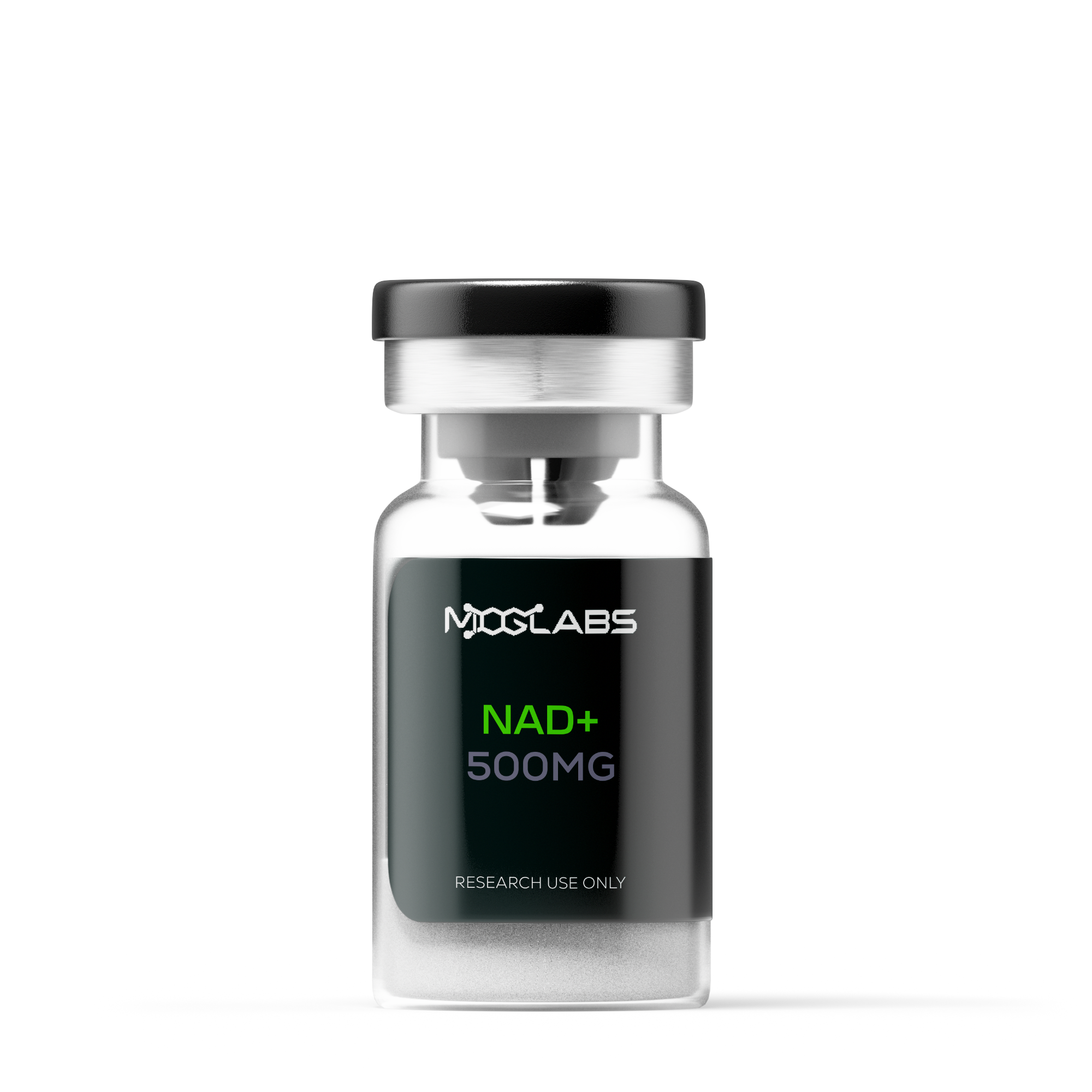
| Moglabs | 500mg | $54.00 | $0.108/mg |
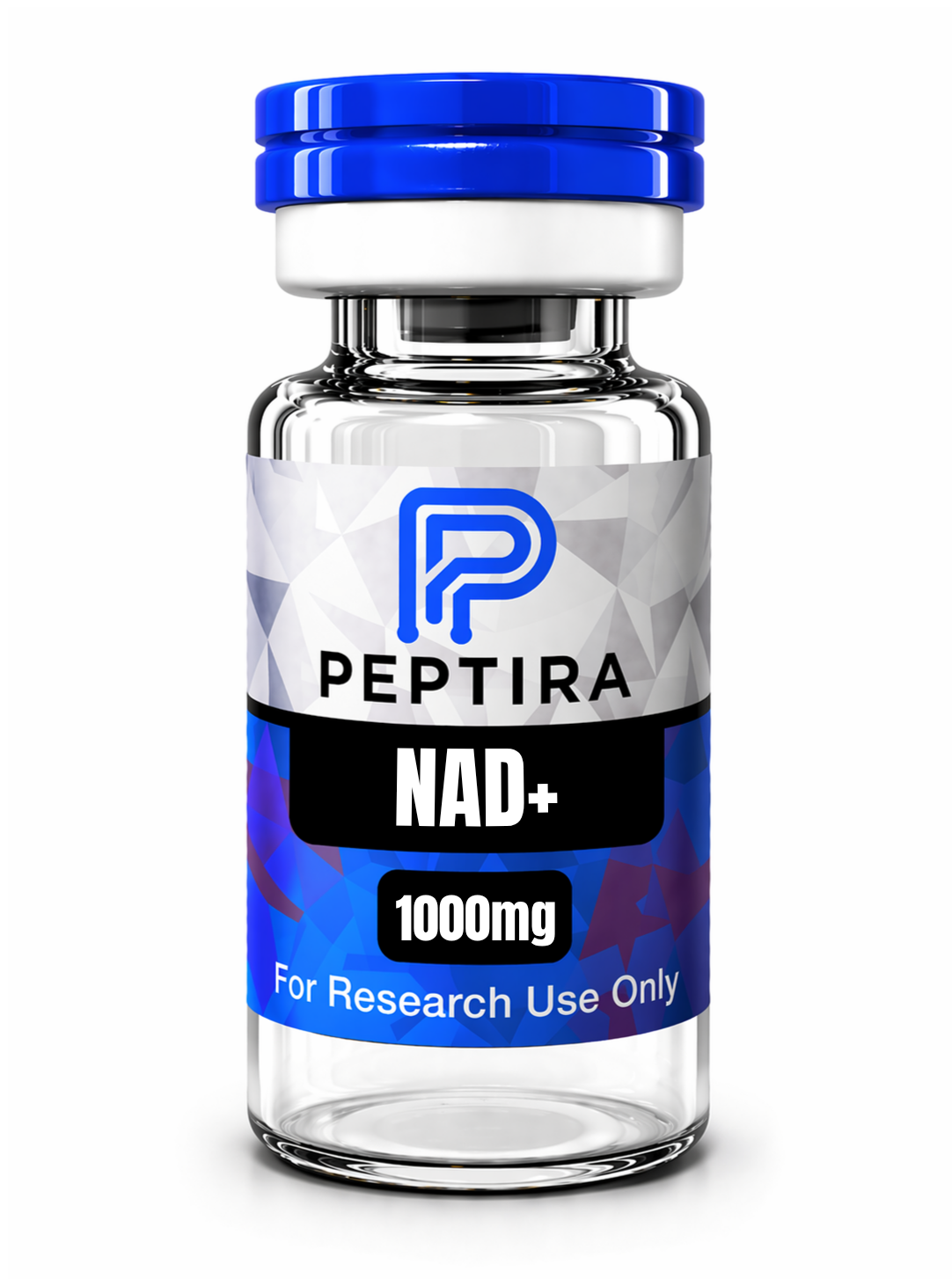
| Peptira | 1000MG | $109.00 | $0.109/mg |
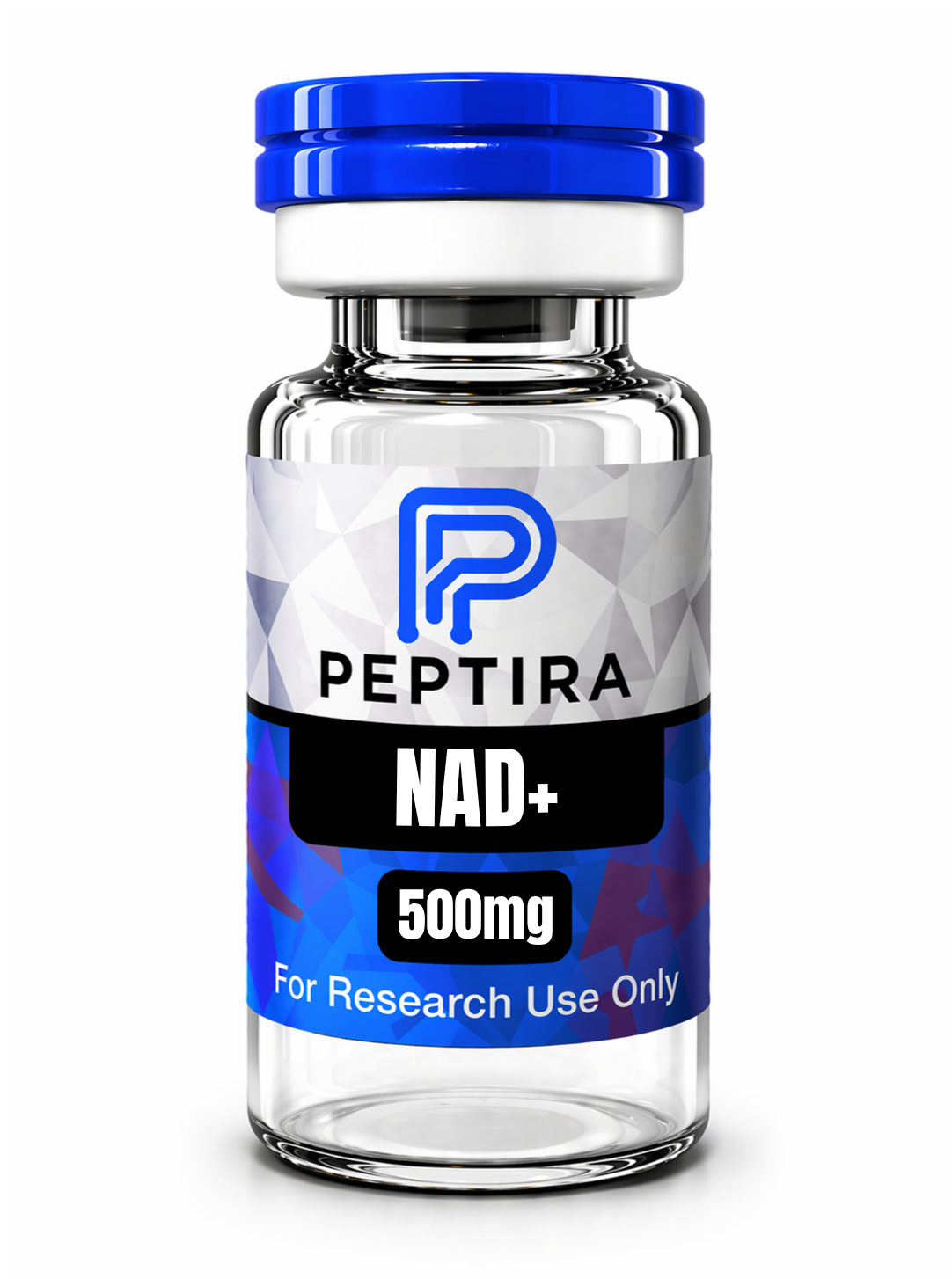
| Peptira | 500MG | $59.00 | $0.118/mg |
Amazon
NAD+
Kimera Chems
NAD+
RUO
NAD+
Limitless Biochem🌐
NAD+
Moglabs
NAD+
Peptira
NAD+ | 500MG

Peptira
NAD+ | 1000MG
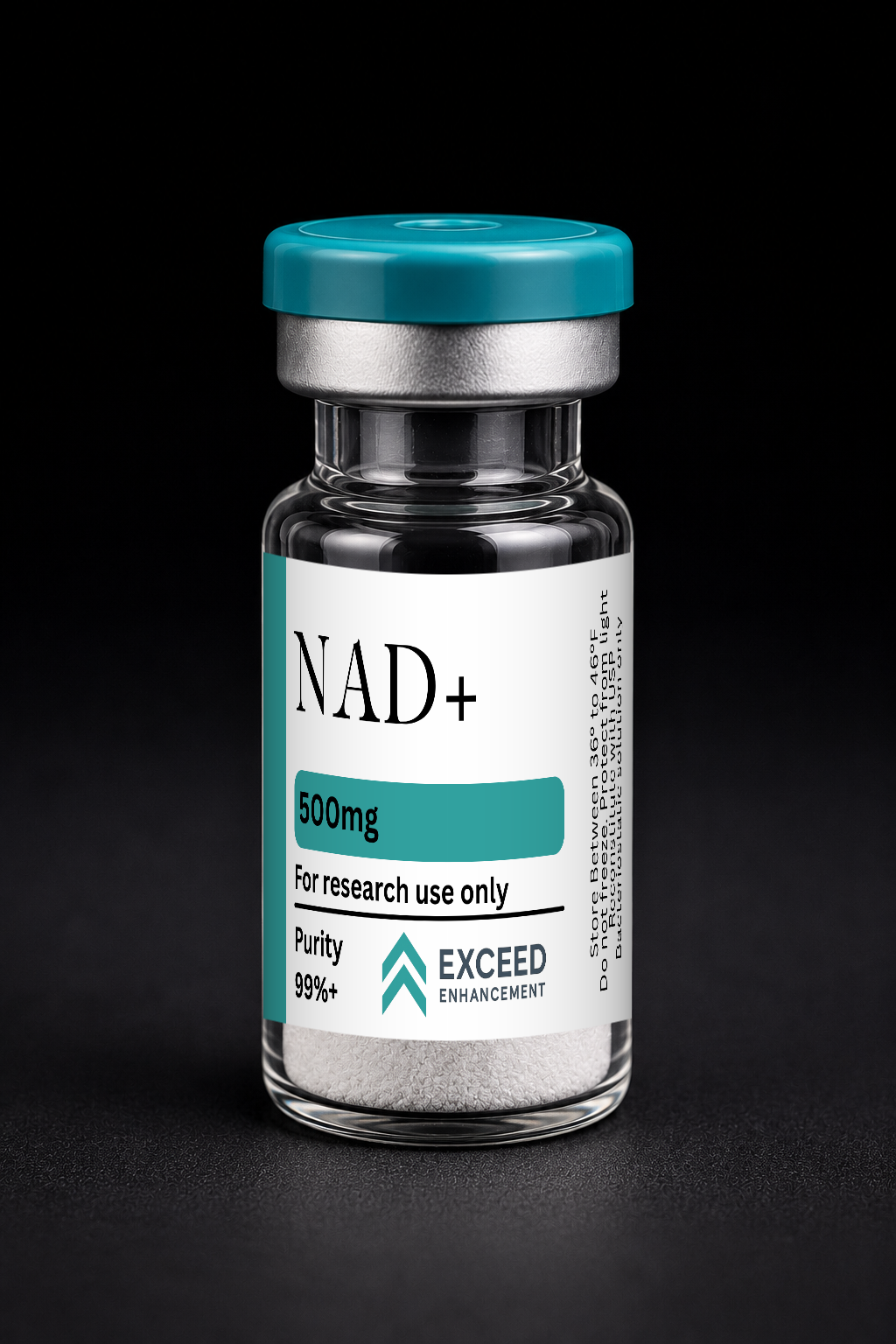
Exceed Enhancement
NAD+
Research
- 2014first citedNAD+ and sirtuins in aging and disease
- 2023most active year7 papers
- 2026most recentSafety and Metabolism-Related Outcomes of Oral Nicotinamide Mononucleotide Supplementation in A…
- 1.NAD+ in aging, metabolism, and neurodegeneration
- 2.NAD+ and sirtuins in aging and disease
- 3.Nicotinamide adenine dinucleotide metabolism and arterial stiffness after long-term nicotinamide mononucleotide supplementation: a randomized, double-blind, placebo-controlled trial
- 4.NAD+ Metabolism in Cardiac Health, Aging, and Disease
- 5.Nicotinamide mononucleotide increases muscle insulin sensitivity in prediabetic women
- 6.NAD+ rescues aging-induced blood-brain barrier damage via the CX43-PARP1 axis
- 7.The Safety and Antiaging Effects of Nicotinamide Mononucleotide in Human Clinical Trials: an Update
- 8.The efficacy and safety of β-nicotinamide mononucleotide (NMN) supplementation in healthy middle-aged adults: a randomized, multicenter, double-blind, placebo-controlled, parallel-group, dose-dependent clinical trial
- 9.Effect of oral administration of nicotinamide mononucleotide on clinical parameters and nicotinamide metabolite levels in healthy Japanese men
- 10.Ingestion of β-nicotinamide mononucleotide increased blood NAD levels, maintained walking speed, and improved sleep quality in older adults in a double-blind randomized, placebo-controlled study
- 11.Effect of 12-Week Intake of Nicotinamide Mononucleotide on Sleep Quality, Fatigue, and Physical Performance in Older Japanese Adults: A Randomized, Double-Blind Placebo-Controlled Study
- 12.The NADPARK study: A randomized phase I trial of nicotinamide riboside supplementation in Parkinson's disease
34 listed here; entry last updated August 2026
Reviews
My notesprivate to this device
FAQ
Why is NAD+ central to longevity talk?
It's essential for cellular energy and DNA repair, and its levels decline with age, making restoration a major research focus.
Do I take NAD+ directly or a precursor?
A precursor. NAD+ is a large charged dinucleotide that the gut takes apart before absorption, which is why the products with human data behind them are nicotinamide riboside and nicotinamide mononucleotide rather than the coenzyme. Infusion does not solve it either: in a six hour human infusion, plasma NAD+ and its metabolites did not move for the first two hours, consistent with immediate clearance or breakdown [25]. Almost every trial cited on this page administered a precursor, not NAD+.
Why do IV infusions feel uncomfortable?
Because the body clears NAD+ almost as fast as it arrives, and pushing it faster is what produces symptoms. A retrospective review of commercial infusions recorded moderate to severe gastrointestinal symptoms, increased heart rate and chest pressure with NAD+, all resolving when the infusion finished, and infusions that had to be slowed to a 97 minute average against 37 minutes for the same 500 mg dose of nicotinamide riboside [26]. There is no controlled outcome trial of infused NAD+ to weigh that discomfort against.
Does it actually slow aging?
Boosting NAD+ is promising in animal studies, but strong human evidence for anti-aging effects is still developing.
Which precursor has the most human evidence behind it?
Nicotinamide riboside has the longer safety record, nicotinamide mononucleotide the wider spread of endpoints, and neither has shown a clinically meaningful outcome consistently. There is a clean null on each side: 2000 mg of nicotinamide riboside daily for twelve weeks did not improve insulin sensitivity in obese insulin-resistant men measured by clamp [32], and pooled nicotinamide mononucleotide trials show no effect on weight, fasting glucose, HbA1c or lipids [31][30]. Blood NAD+ rises in both cases.
Is an NAD+ IV drip worth the money?
Nothing published supports it as treatment. There is no controlled outcome trial of infused NAD+. The two human papers that exist show the molecule is cleared from plasma almost immediately at a clinical infusion rate [25] and that the infusion itself is uncomfortable enough to have to be slowed, averaging 97 minutes against 37 minutes for the same dose of nicotinamide riboside [26]. An oral precursor raises blood NAD+ for a fraction of the cost, which is the argument for it; whether raising blood NAD+ achieves anything is a separate and still open question.
Limitations of the evidence
- No controlled outcome trial of NAD+ given as NAD+ has been published, by any route
- The human evidence cited here comes from precursor trials; the coenzyme itself was not the intervention
- Long-term effects are still under study
Adverse effects
- Occasional flushing with some precursors
- Mild nausea at higher intakes
- Rapid intravenous infusion can cause moderate to severe gastrointestinal symptoms, faster heart rate and chest pressure, resolving when the infusion stops
Notes and cautions
- Generally well tolerated
- Long term effects still under study