
spec sheet8 rows
5-Amino-1MQ (5-amino-1-methylquinolinium) is a selective, orally active small-molecule inhibitor of nicotinamide N-methyltransferase (NNMT), the metabolic enzyme increasingly targeted for fat loss and metabolic health. By blocking NNMT it raises cellular NAD and shifts fat cells toward burning rather than storing energy, which in preclinical work translated into reduced body weight, smaller fat cells, and lower cholesterol without suppressing appetite. It has become one of the most talked-about research compounds in the metabolic and longevity space.
- Flips fat cells from storing to burning
- Blocks NNMT, the metabolic fat switch
- Raises cellular NAD, the energy currency
- Leaner composition without appetite suppression
- Cells that act young and energized
- Orally active; no needles required
- Possible mild digestive upset with oral capsules
Overview
5-Amino-1MQ, chemically 5-amino-1-methylquinolinium, is a small-molecule inhibitor of the enzyme nicotinamide N-methyltransferase (NNMT). It belongs to a series of methylquinolinium compounds carrying a primary amine substituent, a design chosen because it combines high selectivity for NNMT with strong membrane permeability, allowing the molecule to cross cell membranes and reach its intracellular target [1]. NNMT itself is a cytosolic metabolic enzyme that sits at the intersection of energy metabolism and epigenetic regulation, using the universal methyl donor S-adenosyl methionine (SAM) to methylate nicotinamide, a precursor of nicotinamide adenine dinucleotide (NAD) [2].
Interest in NNMT as a drug target grew from the observation that the enzyme is over-expressed in the white adipose tissue and liver of obese and insulin-resistant animals and humans, where its activity depletes NAD and consumes methyl groups, promoting fat storage and metabolic dysfunction [2][3]. Inhibiting NNMT is therefore expected to restore NAD levels, preserve cellular methylation capacity, and favor energy expenditure over lipid storage. 5-Amino-1MQ emerged from medicinal-chemistry efforts to produce exactly such an inhibitor, and it became a prototype cell-permeable NNMT inhibitor used to validate the target in living animals [1].
Research applications center on obesity, type 2 diabetes, metabolic syndrome, and, more recently, cardiometabolic and age-related conditions; NNMT inhibition has been explored in models ranging from diet-induced obesity to heart failure with preserved ejection fraction [1][3][4]. Its regulatory status is that of an investigational research chemical; 5-Amino-1MQ is not an approved drug or dietary supplement, and no human clinical trials of NNMT inhibitors had been documented in the reviewed literature, so it circulates chiefly as a research-grade compound, typically supplied as an oral capsule or powder [3]. Its rising popularity reflects the broader enthusiasm for NAD-centered approaches to weight management and longevity.


- 5-Amino-1MQ works by blocking a single enzyme, NNMT, which when overactive drains cells of both NAD precursors and methyl groups.
- In obese mice, inhibitors of this class reduced fat mass without the animals eating any less, pointing to a metabolic rather than appetite effect.
Mechanism
5-Amino-1MQ acts as a direct, selective inhibitor of nicotinamide N-methyltransferase (NNMT). NNMT normally transfers a methyl group from S-adenosyl methionine (SAM) onto nicotinamide, a form of vitamin B3 and a precursor of NAD, producing 1-methylnicotinamide (1-MNA) and S-adenosyl-homocysteine. When the enzyme is over-active, as it is in obese adipose tissue, it drains two important currencies at once; it consumes NAD precursors, lowering cellular NAD levels, and it burns through SAM, reducing the pool of methyl groups available for epigenetic regulation [2]. By occupying the enzyme, 5-Amino-1MQ interrupts this drain.
The downstream consequences follow from the biochemistry. In cultured adipocytes, the prototype aminomethylquinolinium NNMT inhibitor lowered the reaction product 1-MNA, raised intracellular NAD and SAM, and suppressed lipogenesis, the cellular program for making and storing fat [1]. The rise in NAD supports NAD-dependent enzymes such as the sirtuins that govern function and energy expenditure, which is the mechanistic basis for the compound's anti-obesity effects. When a potent inhibitor of this class was given to diet-induced obese mice, it significantly reduced body weight and white adipose mass, shrank individual fat cells, and lowered plasma cholesterol, notably without reducing food intake, indicating a metabolic rather than appetite-driven effect [1].
Target engagement can be substantial. In a cardiometabolic disease model, tissue 1-MNA, the direct marker of NNMT activity, was elevated by roughly 122 percent, and treatment with an NNMT inhibitor of this family reduced 1-MNA by about 77 percent while improving cardiac function and lowering fibrosis and inflammation [4]. Together these findings frame 5-Amino-1MQ as a metabolic reprogrammer that works by restoring NAD and methyl-group balance rather than by stimulating the nervous system, distinguishing it from conventional fat-loss stimulants.
receptor fingerprint
NNMT (nicotinamide N-methyltransferase)inhibits
raises
Dosingtypical ranges, not medical advice
interested in protocols and clinical dosages? make an account to see them! ^_^
Safetyrisks and cautions, not medical advice
Human safety data is essentially absent: 5-Amino-1MQ is a preclinical research compound with no completed human trials, so its profile in people is uncharacterized. Animal studies to date have not flagged major toxicity, but appropriate dosing, long-term effects, and drug interactions remain unknown. Handle as an experimental, research-only material.
History
5-Amino-1MQ (5-amino-1-methylquinolinium) emerged from a wave of research that identified nicotinamide N-methyltransferase (NNMT) as a metabolic target in obesity and type 2 diabetes, a line of work that gained momentum in the mid-2010s after antisense knockdown of the enzyme was shown to protect mice from diet-induced obesity. As interest turned toward drug-like inhibitors, small-molecule methylquinolinium compounds including 5-Amino-1MQ were reported around 2017 and 2018 as selective, membrane-permeable NNMT inhibitors that reduced body weight and adiposity in obese mice.
Because it is a relatively recent research chemical rather than an approved medicine, its detailed discovery record is thinner than that of older peptides, and much of the published characterization concerns its enzyme target and preclinical metabolic effects. It remains an investigational compound used in research rather than a clinically approved therapy.
Reputation
5-Amino-1MQ has become one of the most talked-about compounds in the metabolic and longevity communities, prized for a mechanism that feels genuinely novel: instead of stimulating the nervous system or blunting appetite, it reprograms fat cells by restoring NAD and methyl-group balance. Enthusiasts point to preclinical results in which related inhibitors reduced body weight, shrank fat cells, and lowered cholesterol without cutting food intake, an appealing profile compared with conventional stimulant-based fat loss.
Its oral activity and its link to the fashionable NAD and sirtuin biology add to the buzz. Candor is warranted, however, because the supporting evidence is almost entirely from cell and animal studies, human clinical trials are lacking, and long-term safety in people is not established. For now it is best understood as a promising research molecule rather than a proven intervention.
Subjective profileweighing the evidence above
A genuinely interesting metabolic target, but the fat-loss case rests on animal work and no human trial has been completed, so dose, interactions and long-term effects are all guesses. Treat it as an experiment you are running on yourself, not as a fat-loss tool that works.
Where to buy
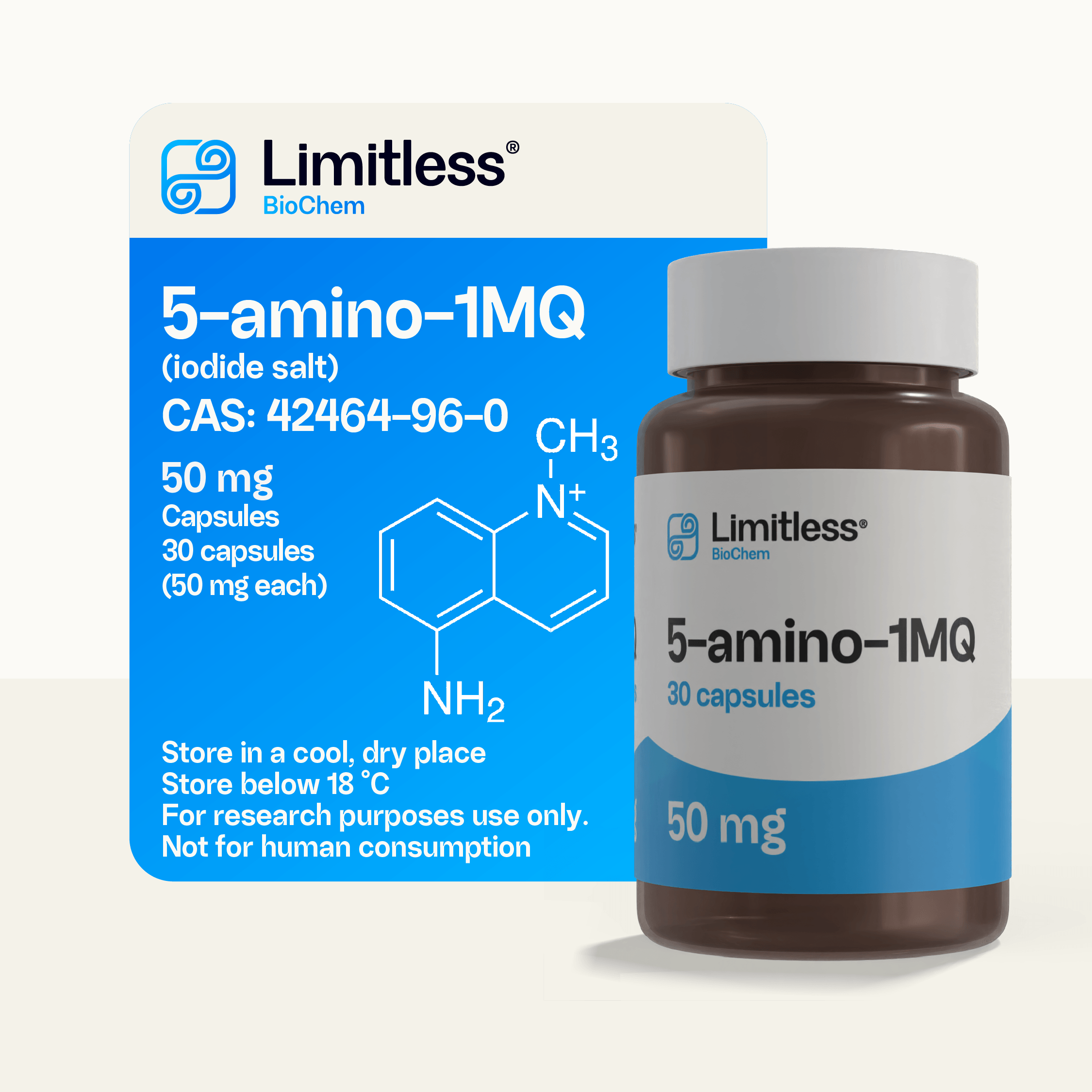


Suppliers
Vendors carrying 5-Amino-1MQ, with live product details and codes. Links are affiliate links that support the wiki at no cost to you.
| supplier | size | price | $/mg |
|---|---|---|---|
| RUOlowest | 50mg | $58.00 | $1.16/mg |
| RUO | 50mg | $80.00 | $1.60/mg |
| Moglabs | 50mg | $92.00 | $1.84/mg |
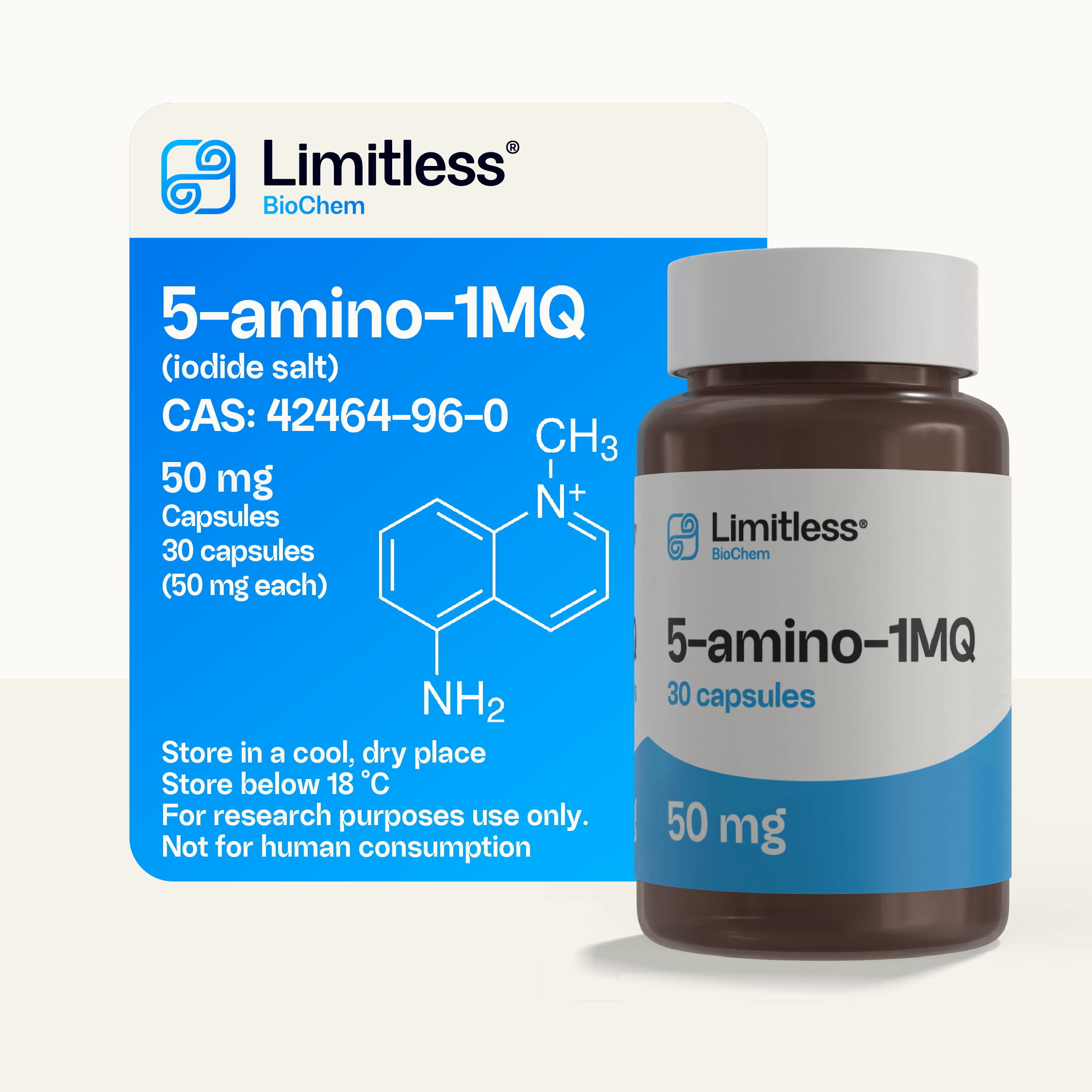
| Limitless Biochem | 50mg | $124.00 | $2.48/mg |
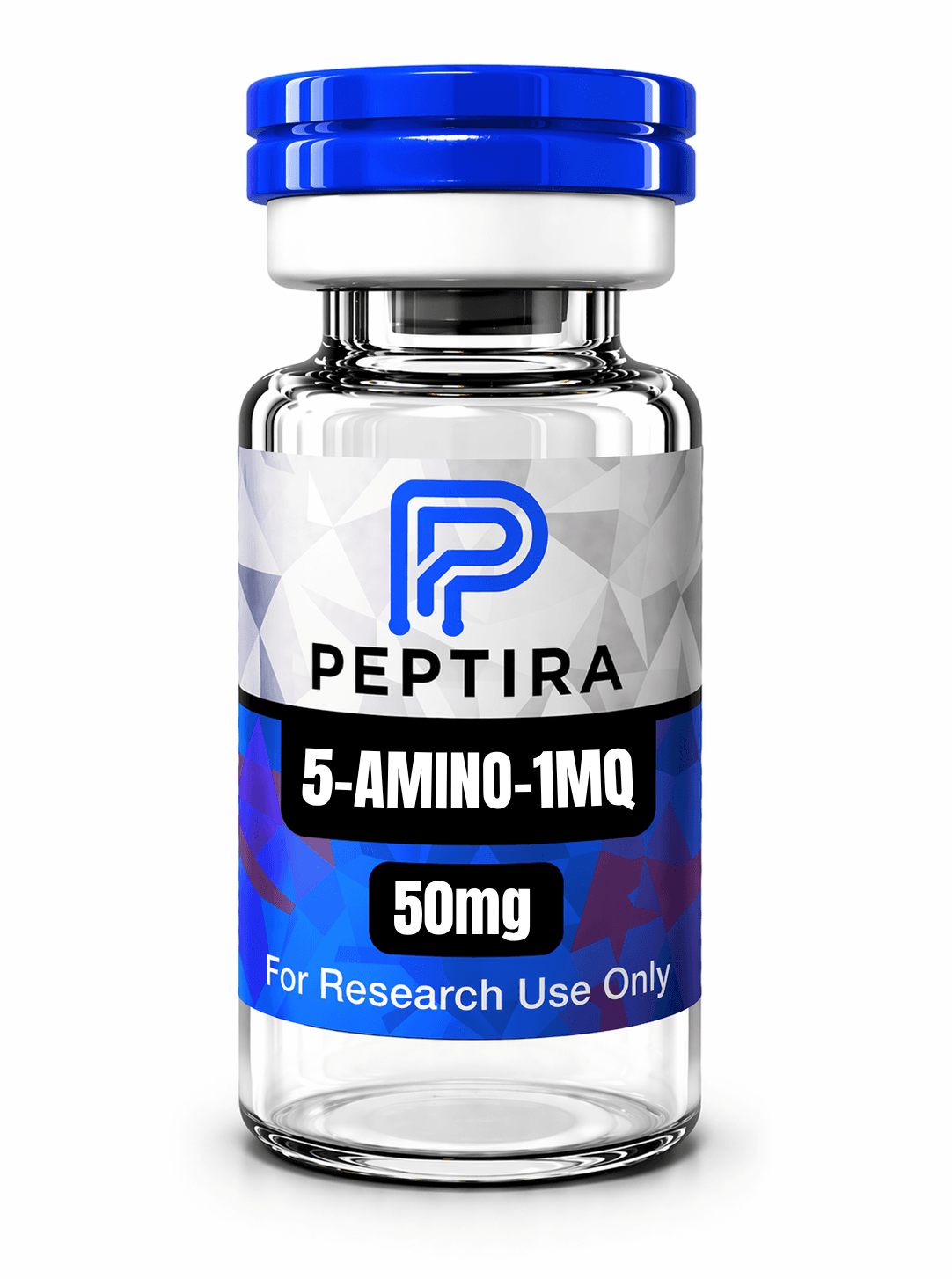
| Peptira | 50MG | $129.00 | $2.58/mg |
Kimera Chems
5-Amino-1MQ
RUO
5-Amino-1MQ
RUO
5-Amino-1MQ
Moglabs
5-Amino-1MQ
Limitless Biochem🌐
5-Amino-1MQ
Peptira
5-Amino 1MQ | 50MG
Exceed Enhancement
5-Amino-1mq
Research
- 2018first citedSelective and membrane-permeable small molecule inhibitors of nicotinamide N-methyltransferase…
- 2025most recentNicotinamide-N-methyltransferase inhibition improves cardiac function and structure in a heart…
- 1.Selective and membrane-permeable small molecule inhibitors of nicotinamide N-methyltransferase reverse high fat diet-induced obesity in mice
- 2.Nicotinamide N-methyltransferase: At the crossroads between cellular metabolism and epigenetic regulation
- 3.Nicotinamide N-methyltransferase (NNMT): a novel therapeutic target for metabolic syndrome
- 4.Nicotinamide-N-methyltransferase inhibition improves cardiac function and structure in a heart failure with preserved ejection fraction mouse model
- 5.Roles of Nicotinamide N-Methyltransferase in Obesity and Type 2 Diabetes
5 listed here; entry last updated August 2026
Reviews
My notesprivate to this device
FAQ
What is 5-Amino-1MQ used for?
It is explored for fat metabolism and metabolic health by inhibiting the NNMT enzyme.
How does 5-Amino-1MQ work?
It blocks NNMT, an enzyme involved in fat cell metabolism, and may help cells retain NAD+.
Is 5-Amino-1MQ well-researched?
It is largely at the preclinical and early research stage, with limited human data available.
What are the main side effects?
Because human data is limited, side effects are not well characterized; mild nausea, fatigue, or headache are plausible.
Limitations of the evidence
- Human safety data are limited; most evidence is preclinical
Adverse effects
- Possible mild digestive upset with oral capsules
Notes and cautions
- Shifting NAD and methylation balance could have broad metabolic effects
- Long-term effects of chronic NNMT inhibition are not established
- Not an approved drug; purity and content vary by source