
spec sheet11 rows
Chromium picolinate is a coordination compound of trivalent chromium and picolinic acid that is sold as a dietary supplement. It is promoted mainly for blood sugar control, body composition, and weight management, on the premise that chromium supports the action of insulin. Systematic reviews of clinical trials have generally found the supporting evidence weak and inconsistent, and no chromium deficiency state is recognized in otherwise healthy people.
- Highly absorbable form of trivalent chromium
- Studied for insulin support; results are modest but the price is tiny
- A common pick for taming carbohydrate cravings
- One of the cheapest additions to any metabolic stack
- Low risk and easy to trial for a month
- Headache
- Insomnia
- Occasional gastrointestinal upset
Overview
Chromium picolinate is a bright-red coordination complex in which a central trivalent chromium ion is bound by three picolinate ligands, giving the formula commonly written as CrPic3 and a distorted octahedral geometry. The trivalent form of chromium is the one relevant to nutrition and is chemically distinct from the toxic hexavalent chromium used in industry. Because dietary chromium is absorbed poorly, the picolinic acid was chosen as a chelator intended to carry more of the metal into the body.
Chromium is a trace element, and the picolinate salt was developed and marketed as a convenient, better-absorbed source. It is sold for glucose metabolism, weight loss, and muscle development, particularly to people with type 2 diabetes and to athletes. Even in this chelated form, only a small percentage of ingested chromium is taken up from the gut, and much of what is absorbed binds to transferrin in the blood for transport.
The most studied question is whether the supplement helps metabolic health. Some randomized trials in people with type 2 diabetes have reported improved insulin sensitivity and glycemic control, along with reduced weight and visceral fat gain [1], although a more detailed physiologic study found that any benefit was concentrated in a subgroup of more insulin-resistant responders rather than across all participants [2]. For weight reduction in overweight or obese adults, a Cochrane review of nine trials found only a small effect of debatable clinical relevance and rated the evidence as low quality [3], and a broader review of slimming supplements likewise concluded there was no convincing evidence for chromium picolinate [4].
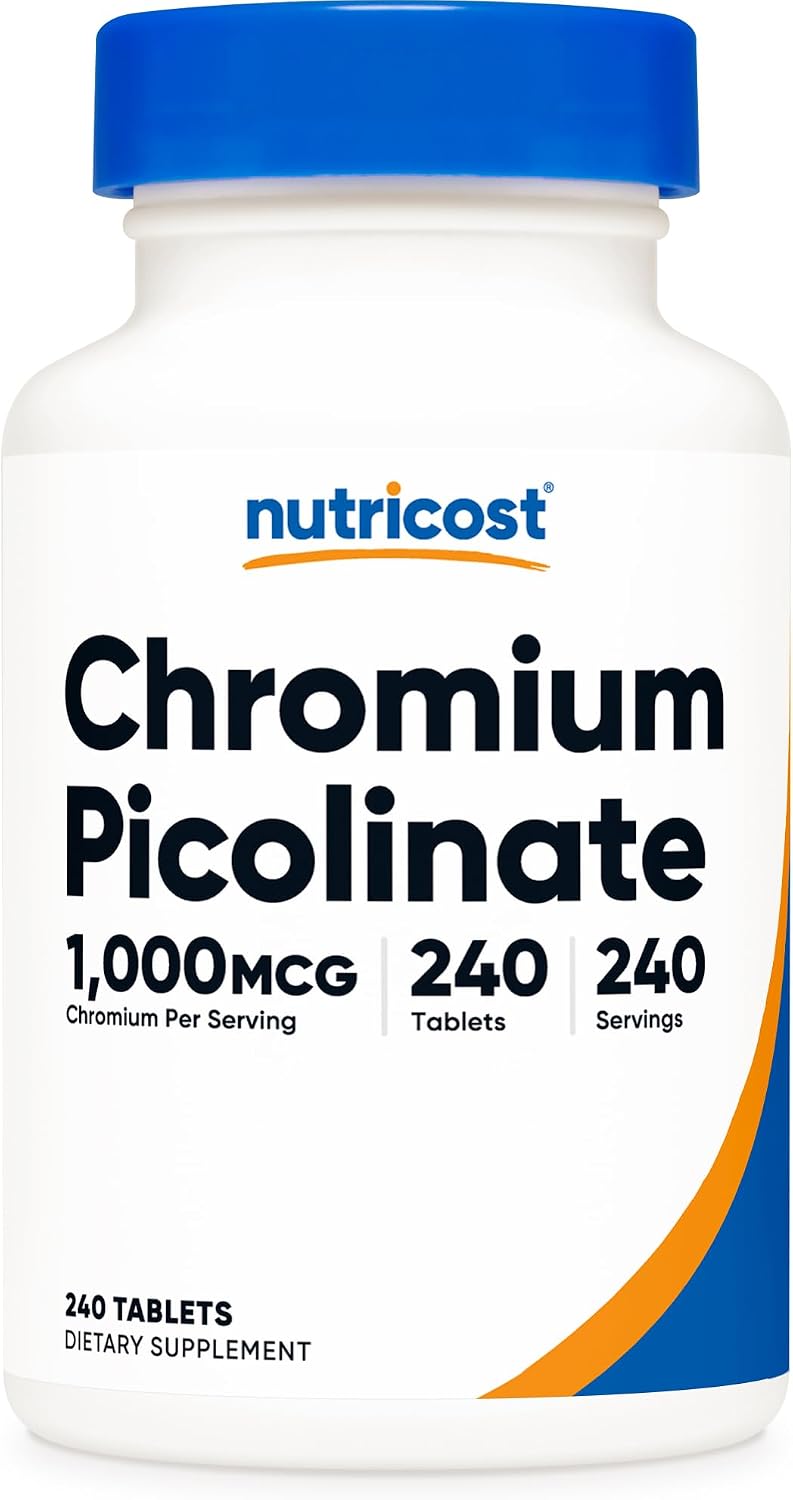
Chromium picolinate is sold over the counter as capsules and tablets and is regulated as a dietary supplement rather than a drug. In the United States the Food and Drug Administration has permitted only a heavily qualified health claim linking it to insulin resistance and type 2 diabetes risk, noting the relationship is highly uncertain. It is generally regarded as safe at typical intakes; earlier concerns that the picolinate form might be genotoxic were examined by regulators and the resulting advisory was later withdrawn.
Mechanism
Trivalent chromium is thought to take part in carbohydrate and lipid metabolism by enhancing the action of . The proposed molecular actor is a low-molecular-weight chromium-binding oligopeptide, sometimes called chromodulin, which may bind the activated insulin receptor and amplify its tyrosine kinase signaling, thereby improving glucose uptake into cells. The picolinic acid portion of the molecule mostly functions as a chelator that ferries the otherwise poorly absorbed metal across the intestinal lining. The biologically active form in humans and the real-world relevance of these effects remain uncertain, which fits with the inconsistent clinical findings [2][3].
receptor fingerprint
receptor signalingenhances
Blood glucoselowers
Carbohydrate cravingsreduces
pathwaysmodulates
Dosingtypical ranges, not medical advice
interested in protocols and clinical dosages? make an account to see them! ^_^
Safetyrisks and cautions, not medical advice
Generally safe at supplemental doses. Occasional side effects include GI upset, headache, and rarely sleep or mood changes. Very high long-term doses have raised isolated concerns about kidney or liver effects, though this is uncommon. Trivalent chromium (the supplement form) is far safer than the toxic hexavalent industrial form.
Subjective profileweighing the evidence above
Low-risk but low-payoff; may modestly help insulin sensitivity and cravings, but the effects are small and inconsistent.
Where to buy

1 other outlet

Suppliers
Vendors carrying Chromium Picolinate, with live product details and codes. Links are affiliate links that support the wiki at no cost to you.
Amazon
Chromium Picolinate
iHerb
Chromium Picolinate
Research
- 2004first citedDietary supplements for body-weight reduction: a systematic review
- 2013most recentChromium picolinate supplementation for overweight or obese adults.
- 1.Chromium picolinate supplementation attenuates body weight gain and increases insulin sensitivity in subjects with type 2 diabetes
- 2.Characterization of the metabolic and physiologic response to chromium supplementation in subjects with type 2 diabetes mellitus
- 3.Chromium picolinate supplementation for overweight or obese adults.
- 4.Dietary supplements for body-weight reduction: a systematic review
4 listed here; entry last updated August 2026
Reviews
My notesprivate to this device
FAQ
Does chromium picolinate help with weight loss?
Effects on weight are small and inconsistent; don't count on it for meaningful fat loss.
Will it lower my blood sugar?
It may modestly help, especially if you're deficient or insulin-resistant, but results are mixed.
Does it stop sugar cravings?
Some studies suggest a small reduction in carb cravings, but the effect isn't reliable.
Is chromium safe?
Trivalent chromium in supplements is safe at normal doses; it's the industrial hexavalent form that's toxic.
Adverse effects
- Headache
- Insomnia
- Occasional gastrointestinal upset
- Caution alongside insulin or glucose-lowering medication
Notes and cautions
- Generally well tolerated at usual intakes