
spec sheet9 rows
Lithium orotate is a salt of lithium and orotic acid sold as a low-dose dietary supplement. It provides much less elemental lithium per tablet than the lithium carbonate used as a prescription mood stabilizer, and it is marketed for mood and general wellbeing. It is not approved as a medicine, and rigorous human evidence for its benefits is lacking.
- Trace dose lithium, a small fraction of any prescription amount
- The neuroprotection and BDNF angle is what makes it interesting
- Many report a steadier, calmer day to day mood
- No blood monitoring needed at these low doses
- An early idea rather than a settled one, and cheap to test
- Nausea
- Mild tremor
- Loss of appetite or apathy
Overview
Lithium orotate is a chemical compound in which the element lithium is paired with orotate, the anion of orotic acid, rather than with the carbonate found in standard lithium medicines. Lithium itself is the active ingredient in a well-established class of psychiatric drugs used to treat bipolar disorder, but those are prescription products, most commonly lithium carbonate. Lithium orotate is instead sold as an over-the-counter dietary supplement and typically delivers only a small fraction of the elemental lithium contained in a pharmaceutical dose [1].
The supplement traces back to work in the 1970s by the German physician Hans Nieper, who proposed that orotate salts could ferry minerals like lithium more efficiently into cells and across the blood-brain barrier, allowing lower doses to be effective. This idea gave rise to claims that lithium orotate offers the benefits of lithium with less toxicity. The concept remains controversial: some early animal experiments suggested higher brain lithium levels with the orotate form, but later work attributed such findings to reduced kidney clearance rather than better delivery, and the underlying premise has never been confirmed in rigorous human studies [1].
The clinical evidence for lithium orotate is thin. Much of what exists comes from decades-old, uncontrolled reports, such as a 1980s case series describing its use alongside other measures in people with alcoholism [2]. No systematic reviews support its effectiveness, and it has not been approved by regulators such as the United States Food and Drug Administration to treat any condition. Interest has persisted partly because of broader research suggesting that trace amounts of naturally occurring lithium in drinking water may correlate with population-level differences in mood and behavior, but this is separate from proof that the supplement works.
Because it is classified as a dietary supplement rather than a drug, lithium orotate is available without a prescription in many countries and is marketed for mood support, stress, and sleep. Supplements are not held to the same testing and manufacturing standards as approved medicines, so the actual lithium content and quality can vary between products. This over-the-counter status, combined with the absence of medical supervision, is itself a source of concern to clinicians [3].
Lithium is a metal with a narrow margin between helpful and harmful levels, and lithium toxicity can affect the nervous system, kidneys, and thyroid. At the low amounts in typical supplement tablets, blood lithium generally stays well below the range used in psychiatry, and a reported overdose case produced only mild symptoms with levels below the toxic threshold [3]. Even so, the lack of safety studies, the potential for gradual accumulation, and interactions with medicines that affect lithium levels mean it is not a harmless product, and it should be approached with caution, especially by people with kidney problems or those taking other medications.

Mechanism
Any effect of lithium orotate is expected to come from the lithium it contains, since orotate is otherwise a normal building block the body uses to make nucleic acids. In its established psychiatric use, lithium is thought to stabilize mood through several actions inside brain cells, including inhibiting enzymes such as inositol monophosphatase and glycogen synthase kinase-3 and dampening overactive signaling, although its precise mechanism is still not fully understood [1].
The distinctive claim for the orotate form is pharmacokinetic rather than pharmacological: proponents argue that binding lithium to orotate helps it enter cells and reach the brain more readily, so that smaller amounts suffice [1]. This proposed advantage has not held up to careful testing, and evidence that lithium from orotate behaves differently in the body from lithium in other salts is weak; a case of supplement overdose showed pharmacokinetics broadly similar to those of conventional lithium salts [3].
receptor fingerprint
GSK-3 betaInhibition
pathwayUpregulation
Inositol monophosphataseInhibition
Dosingtypical ranges, not medical advice
interested in protocols and clinical dosages? make an account to see them! ^_^
Safetyrisks and cautions, not medical advice
At the low amounts in supplements it is generally considered safe and does not need the blood monitoring that prescription lithium does. Still, lithium is lithium; it is cleared by the kidneys, so people with kidney issues, or anyone on medications that affect lithium levels (like NSAIDs or certain blood pressure drugs), should be careful, and pregnancy is a no. Do not confuse supplement lithium orotate with prescription lithium; and if you have a diagnosed mood disorder, this is not a replacement for real treatment.
History
Lithium orotate was promoted in the 1970s by the German physician Hans Nieper, who argued that orotic acid acted as a superior carrier able to ferry lithium across cell membranes and into the brain, a 'Trojan-horse' delivery meant to raise brain lithium while sparing the body the side effects of conventional lithium salts. Nieper filed a patent in 1974 covering applications such as migraine, and a 1978 study reported that lithium orotate produced brain lithium concentrations several-fold higher than equivalent doses of lithium carbonate. Enthusiasm was short-lived; a 1979 finding of increased renal toxicity relative to lithium carbonate effectively halted serious pharmaceutical development. Rather than becoming an approved drug, lithium orotate persisted as a low-dose over-the-counter supplement marketed for mood and general well-being, well outside the prescription lithium framework.
Subjective profileweighing the evidence above
The trace-lithium neuroprotection idea is worth watching, but the human evidence behind these supplements is essentially absent. Lithium is still lithium; the kidneys clear it, and NSAIDs and some blood-pressure drugs push levels up. A reasonable low-dose experiment with healthy kidneys, and off the table in pregnancy.
Where to buy
1 other outlet
Suppliers
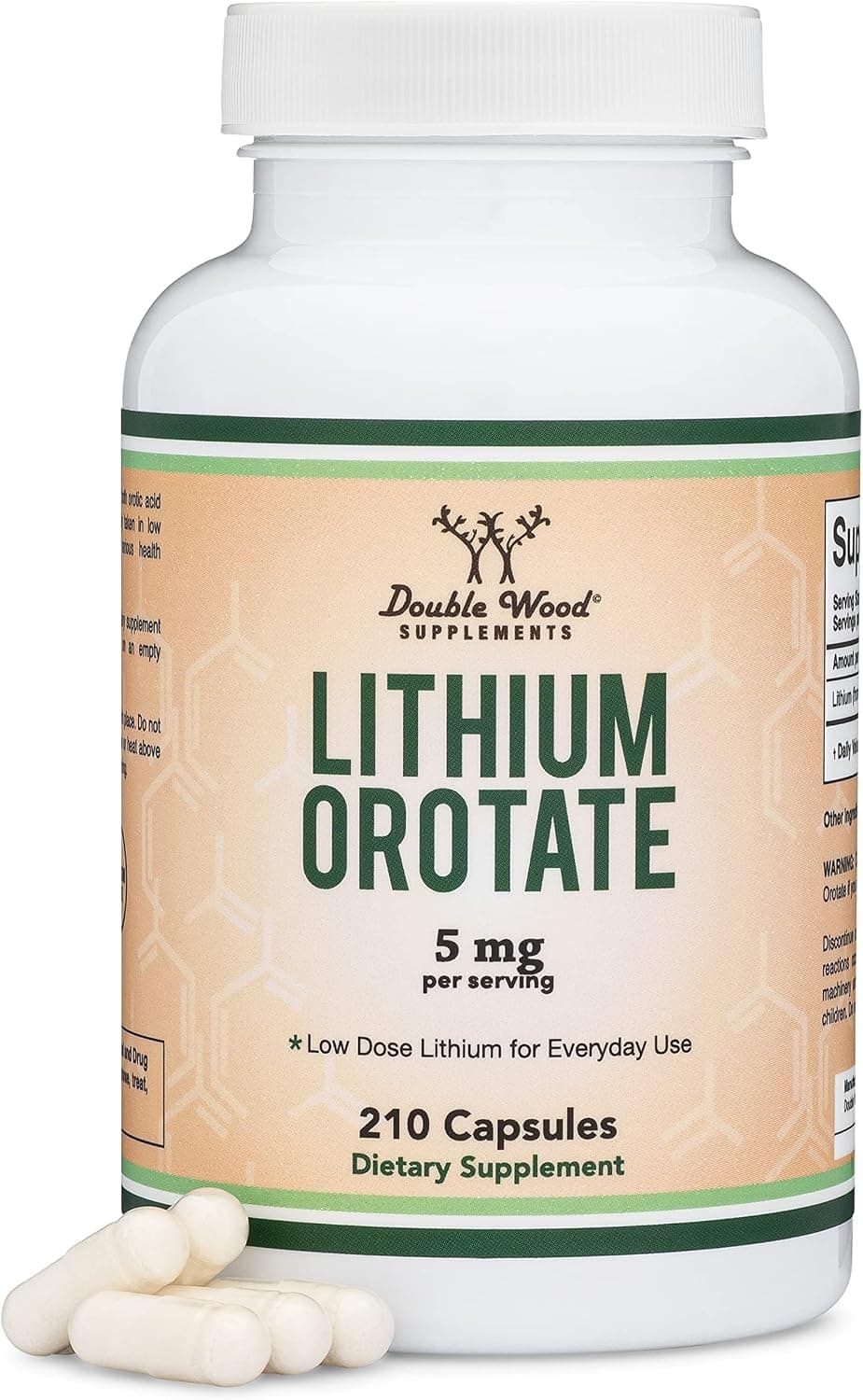
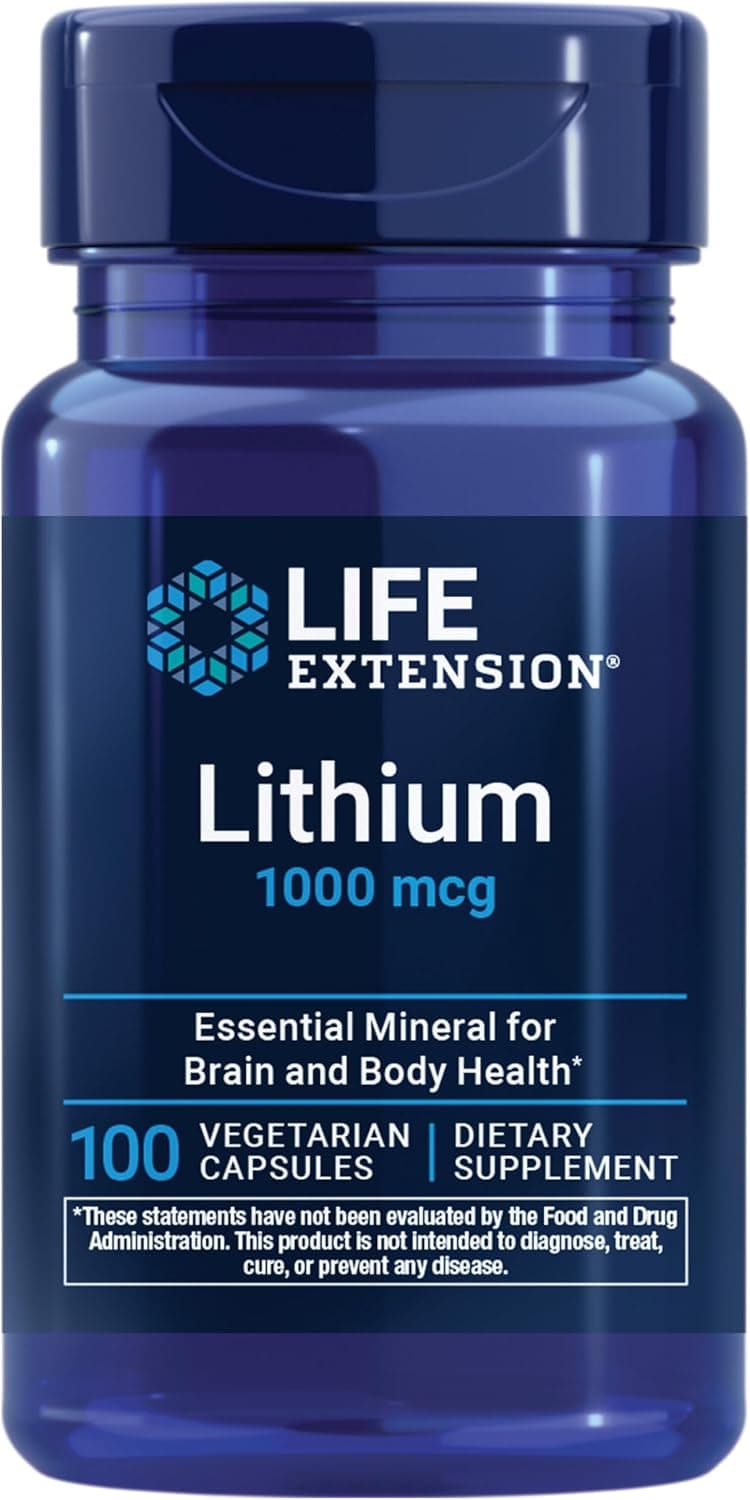
Vendors carrying Lithium Orotate, with live product details and codes. Links are affiliate links that support the wiki at no cost to you.
Amazon
Lithium Orotate
Amazon
Lithium Orotate
Research
- 1973first citedThe clinical applications of lithium orotate. A two years study.
- 2026most recentLithium orotate: distinct compound or simply Liafter administration?
- 1.Lithium orotate: A superior option for lithium therapy?
- 2.Lithium orotate in the treatment of alcoholism and related conditions.
- 3.Lithium toxicity from an Internet dietary supplement.
- 4.Lithium deficiency and the onset of Alzheimer's disease.
- 5.A toxicological evaluation of lithium orotate.
- 6.Different pharmacokinetics of lithium orotate inform why it is more potent, effective, and less toxic than lithium carbonate in a mouse model of mania.
- 7.Is there a role for lithium orotate in psychiatry?
- 8.Possible dangers of a "nutritional supplement" lithium orotate.
- 9.Human brain (7)Li-MRI following low-dose lithium dietary supplementation in healthy participants.
- 10.Lithium orotate: distinct compound or simply Liafter administration?
- 11.[Confusion caused by dietary supplement lithium orotate].
- 12.The clinical applications of lithium orotate. A two years study.
16 listed here; entry last updated August 2026
Reviews
My notesprivate to this device
FAQ
What is Lithium Orotate used for?
A low-dose lithium supplement taken for mood stability, calm, and possible brain protection.
How does it work?
Lithium inhibits GSK-3 beta and supports the BDNF pathway, the same mechanisms behind prescription lithium's mood and neuroprotective effects, just gentler at these low amounts.
Is it well-researched?
Low-dose lithium orotate specifically has limited data; the broader lithium literature and trace-lithium population studies are more suggestive than conclusive.
What are the main side effects?
Usually minimal at low doses; be careful with kidney issues and drugs that affect lithium levels (NSAIDs, some blood pressure meds).
Adverse effects
- Nausea
- Mild tremor
- Loss of appetite or apathy
- Risk of lithium toxicity, especially with overuse or kidney problems
- Possible effects on the kidney and thyroid with long-term use