
spec sheet13 rows
Lithium is the lightest metal, taken not as the pure metal but as a salt such as lithium carbonate, citrate, or orotate. It is the long-standing gold-standard mood stabilizer for bipolar disorder, with unusually strong anti-suicidal and neuroprotective properties that other mood drugs do not match. It works largely by damping down two intracellular enzymes, GSK-3 and inositol monophosphatase, which nudges the brain toward neuroprotective, growth-promoting signaling.
- still the gold standard mood stabilizer in bipolar disorder
- the only mood drug with a clear cut drop in suicide risk
- nudges the brain toward growth and BDNF signaling
- trace and low doses are studied for long term brain health
- decades of psychiatric track record behind it
- Fine hand tremor and increased thirst and urination
- Thyroid suppression over long-term use
- Kidney strain with years of use
Mechanism
Lithium's therapeutic action does not come from a single receptor; it works inside the neuron on second-messenger systems. It inhibits glycogen synthase kinase-3 (GSK-3), a signaling enzyme, and it inhibits inositol monophosphatase, depleting the inositol that the phosphatidylinositol signaling cycle depends on. Damping GSK-3 shifts the balance toward neuroprotective and growth signals, including raised (brain-derived neurotrophic factor, a protein that supports neuron survival and plasticity), which is thought to underlie both its mood-stabilizing and its neuroprotective effects. This same biology is why even trace dietary lithium and low-dose lithium (such as lithium orotate) are studied for brain health, neurodegeneration, and recovery from traumatic brain injury, though those uses are earlier-stage than its established role in bipolar disorder.
receptor fingerprint
Glycogen synthase kinase-3 (GSK-3)Inhibitor
Inositol monophosphatase (inositol depletion)Inhibitor
signalingUpregulation (downstream)
Dosingtypical ranges, not medical advice
interested in protocols and clinical dosages? make an account to see them! ^_^
Safetyrisks and cautions, not medical advice
Prescription lithium has a narrow therapeutic window; the effective dose sits uncomfortably close to the toxic one, so blood levels are monitored regularly. Toxicity causes tremor, nausea, vomiting, confusion, unsteadiness, and in severe cases seizures, kidney injury, and coma. Long-term use requires periodic checks of kidney and thyroid function, since lithium can suppress the thyroid and, over years, stress the kidneys; dehydration and certain drugs (NSAID pain relievers, some blood-pressure medicines) can push levels dangerously high. Low-dose or trace forms are far gentler, but any sustained supplementation is worth discussing with a clinician. Not medical advice.
Interactionsdocumented pairs only, not exhaustive
Lithium has well-documented pharmacokinetic interactions centered on renal clearance; the drug is removed from the body almost exclusively by the kidneys, so any medication that affects glomerular filtration or renal tubular ion transport can alter lithium elimination and potentially cause toxicity [5]. Nonsteroidal anti-inflammatory drugs (NSAIDs) reduce renal lithium clearance and can raise serum lithium concentrations by 20 to 50%; this effect varies among different NSAIDs but represents a genuine pharmacokinetic risk.
Thiazide diuretics are the most notorious interactants, often increasing lithium levels by 25 to 40 percent; this occurs because thiazides reduce sodium excretion in the proximal tubule, and lithium reabsorption increases in parallel. Angiotensin-converting enzyme (ACE) inhibitors also impair lithium elimination and can precipitate toxicity, though the risk appears lower than with thiazides. Loop diuretics and osmotic diuretics have minor or opposite effects (tending to increase lithium clearance). Interactions not well studied include most antibiotics, most antihistamines, and combination use with selective serotonin reuptake inhibitors as a class, despite their common concurrent prescription in clinical practice.
Checking a whole stack? Run it through interactions + stacks.
Subjective profileweighing the evidence above
Still the best mood stabilizer in bipolar disorder, and the only one with a clear reduction in suicide risk, which is not a small thing. It also sits uncomfortably close to its toxic dose, needs regular blood levels, and taxes thyroid and kidney over years. Worth it with proper monitoring, not without.
Where to buy

1 other outlet
Suppliers
Vendors carrying Lithium, with live product details and codes. Links are affiliate links that support the wiki at no cost to you.
RUPharma🌐
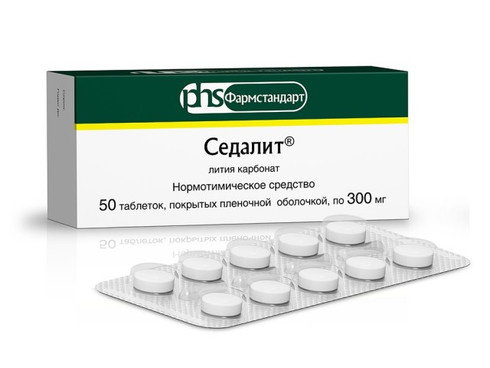
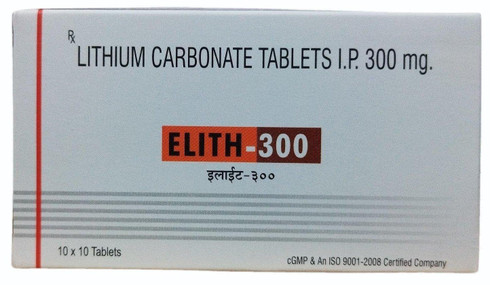
Lithium Carbonate
RUPharma🌐
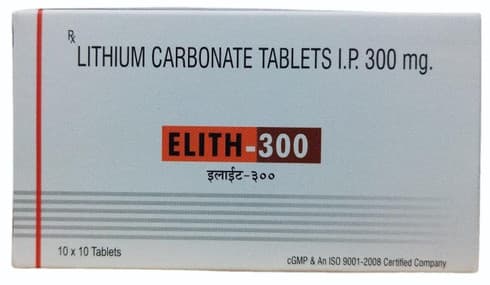
Lithium Carbonate
Research
- 1995first citedClinical relevance of drug interactions with lithium.
- 2025most recentAnti-Suicidal Effects of Lithium, Ketamine, and Clozapine-A 10-Year Systematic Review
- 1.Anti-Suicidal Effects of Lithium, Ketamine, and Clozapine-A 10-Year Systematic Review
- 2.Lithium pharmacodynamics and pharmacogenetics: focus on inositol mono phosphatase (IMPase), inositol poliphosphatase (IPPase) and glycogen sinthase kinase 3 beta (GSK-3 beta).
- 3.Identifying the neuropsychiatric health effects of low-dose lithium interventions: A systematic review
- 4.Neuroprotective effects of lithium: implications for the treatment of Alzheimer's disease and related neurodegenerative disorders.
- 5.Clinical relevance of drug interactions with lithium.
5 listed here; entry last updated August 2026
Reviews
My notesprivate to this device
FAQ
Why is lithium still used when it is so old?
Because nothing has clearly beaten it. It remains the gold-standard mood stabilizer for bipolar disorder and has a uniquely strong anti-suicidal effect, which is why it stays in first-line use decades on.
Is low-dose lithium orotate the same as prescription lithium?
It is the same element in a different salt and at a far lower dose. Prescription lithium carbonate is dosed to a monitored therapeutic blood level for bipolar disorder; low-dose orotate is studied mainly for general brain health and is much gentler, but it is not a substitute for treatment.
What makes lithium neuroprotective?
Its inhibition of GSK-3 (and inositol signaling) shifts neurons toward survival and growth pathways and raises BDNF. That is why trace and low-dose lithium are being studied for neurodegeneration and traumatic brain injury.
Adverse effects
- Fine hand tremor and increased thirst and urination
- Thyroid suppression over long-term use
- Kidney strain with years of use
- Toxicity (confusion, unsteadiness, seizures) if blood levels run too high