
spec sheet12 rows
Emoxypine, best known by its succinate salt Mexidol, is a Russian antioxidant and antihypoxant used widely across the former Soviet states for stroke, cerebrovascular disease, and stress-related conditions [1][2]. It combines free-radical scavenging with membrane-stabilizing and mitochondrial-energy support, and in randomized clinical work it improved recovery after ischemic stroke [1]. For those interested in antioxidant neuroprotection, emoxypine is a long-established and clinically deployed compound with a distinctive dual antioxidant and metabolic profile.
- Antioxidant with a solid neuroprotective record
- Calming, anti-anxiety feel
- Supports mood and stress resilience
- Stabilizes cell membranes
- Mitochondrial energy support under low oxygen
- Clinically deployed across the former Soviet states
- Can cause mild drowsiness, nausea, or dry mouth in some people
Overview
Emoxypine is a synthetic antioxidant, chemically 2-ethyl-6-methyl-3-hydroxypyridine, structurally related to compounds of the vitamin B6 (pyridoxine) family. It is most widely encountered as its succinate salt, ethylmethylhydroxypyridine succinate, marketed under the brand name Mexidol; pairing emoxypine with succinic acid adds a mitochondrial energy substrate to the antioxidant core [3]. The compound was developed in the Soviet Union and remains one of the most prescribed neuroprotective and antioxidant agents in Russia and neighboring countries.
Clinically, emoxypine and Mexidol are used across a broad set of indications centered on the brain and blood vessels, including acute ischemic stroke, chronic cerebrovascular insufficiency, cognitive impairment, and anxiety and stress-related states [1][2]. Their use is supported by a body of largely Russian clinical research, including randomized controlled trials in ischemic stroke such as the EPICA study, which examined prolonged sequential Mexidol therapy in the acute and early recovery periods [1]. Reviews describe consistent effects on neurological recovery, everyday functioning, and quality of life, along with a favorable safety profile [2][3].
Emoxypine is not approved by Western drug regulators such as the United States Food and Drug Administration or the European Medicines Agency, and much of its literature is published in Russian, so it is far less familiar in Western medicine despite decades of use elsewhere. Outside its regulated pharmaceutical form it circulates as a research chemical and nootropic, typically supplied as a powder or in solution, where it is valued as an antioxidant with a strong real-world track record in the countries where it is approved.
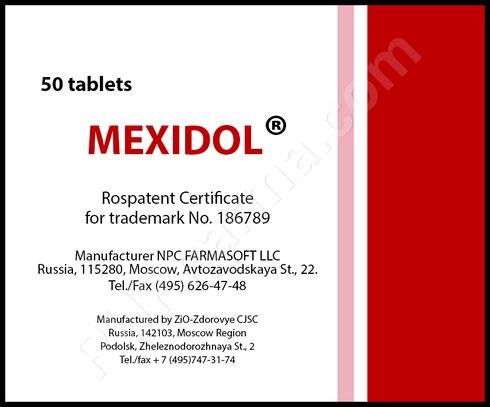
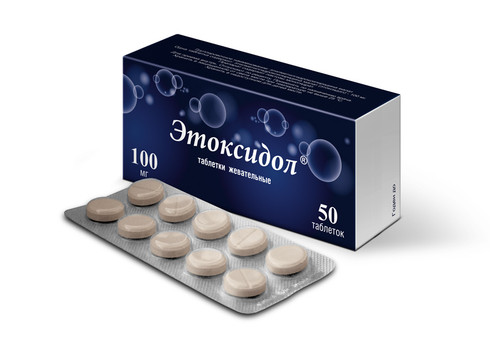
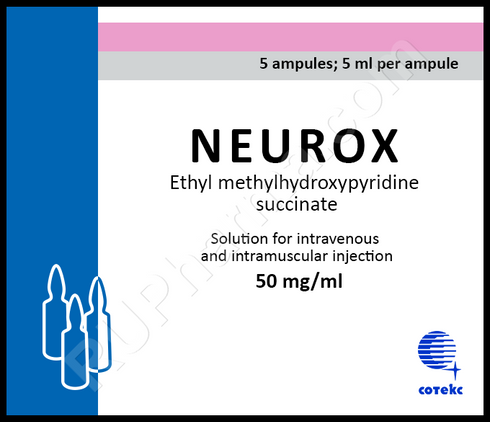
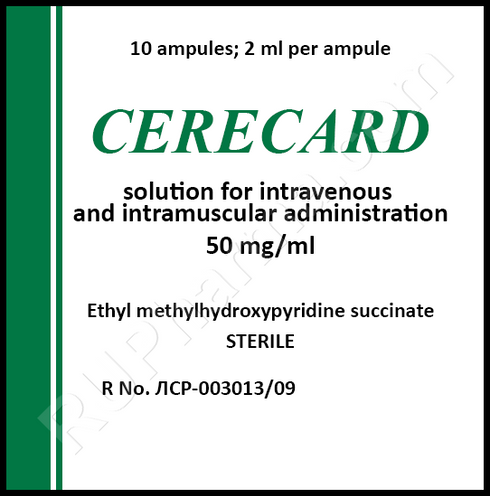
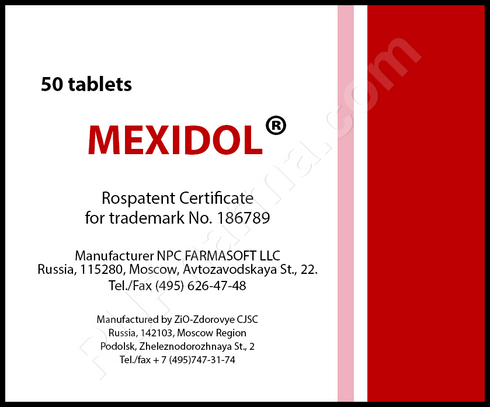
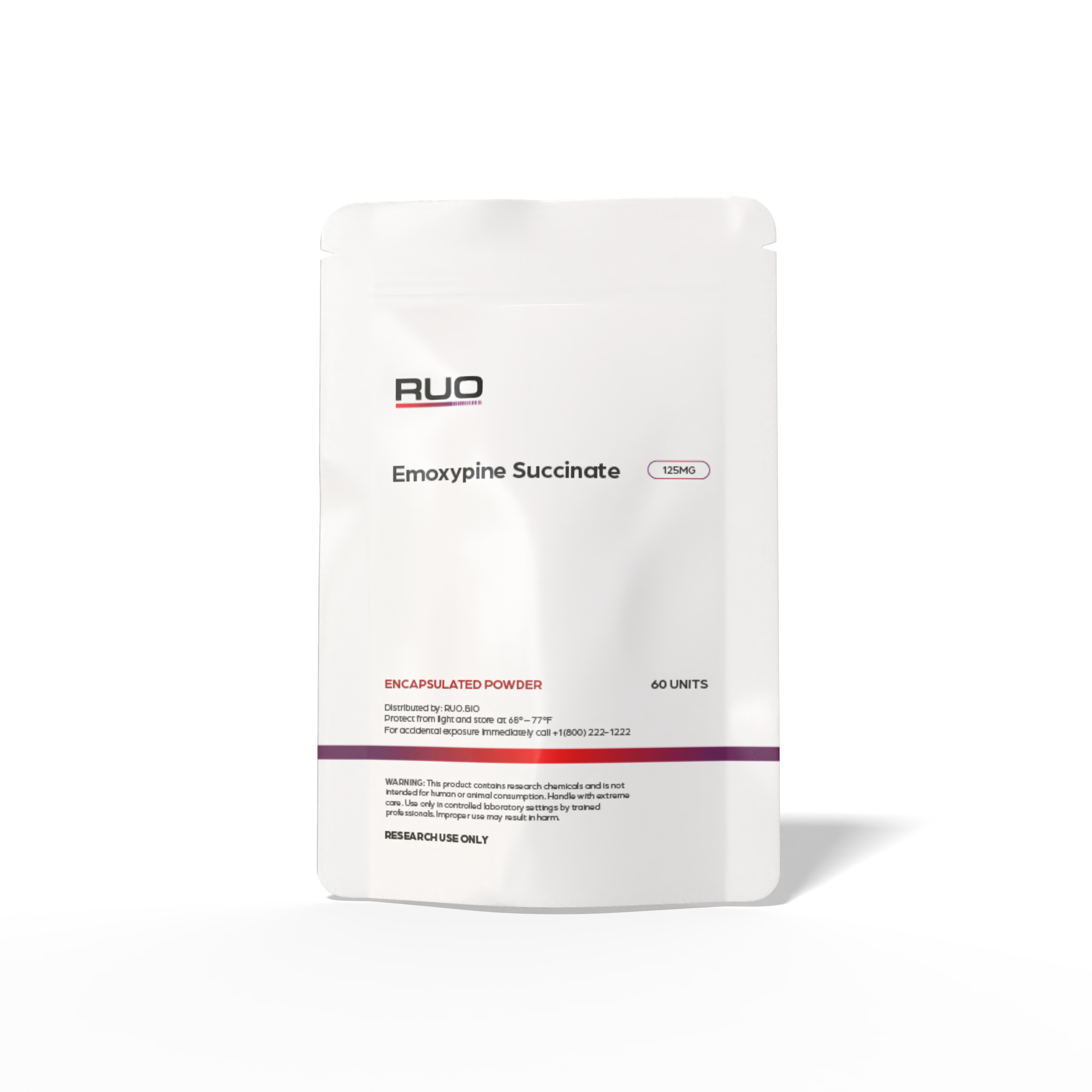
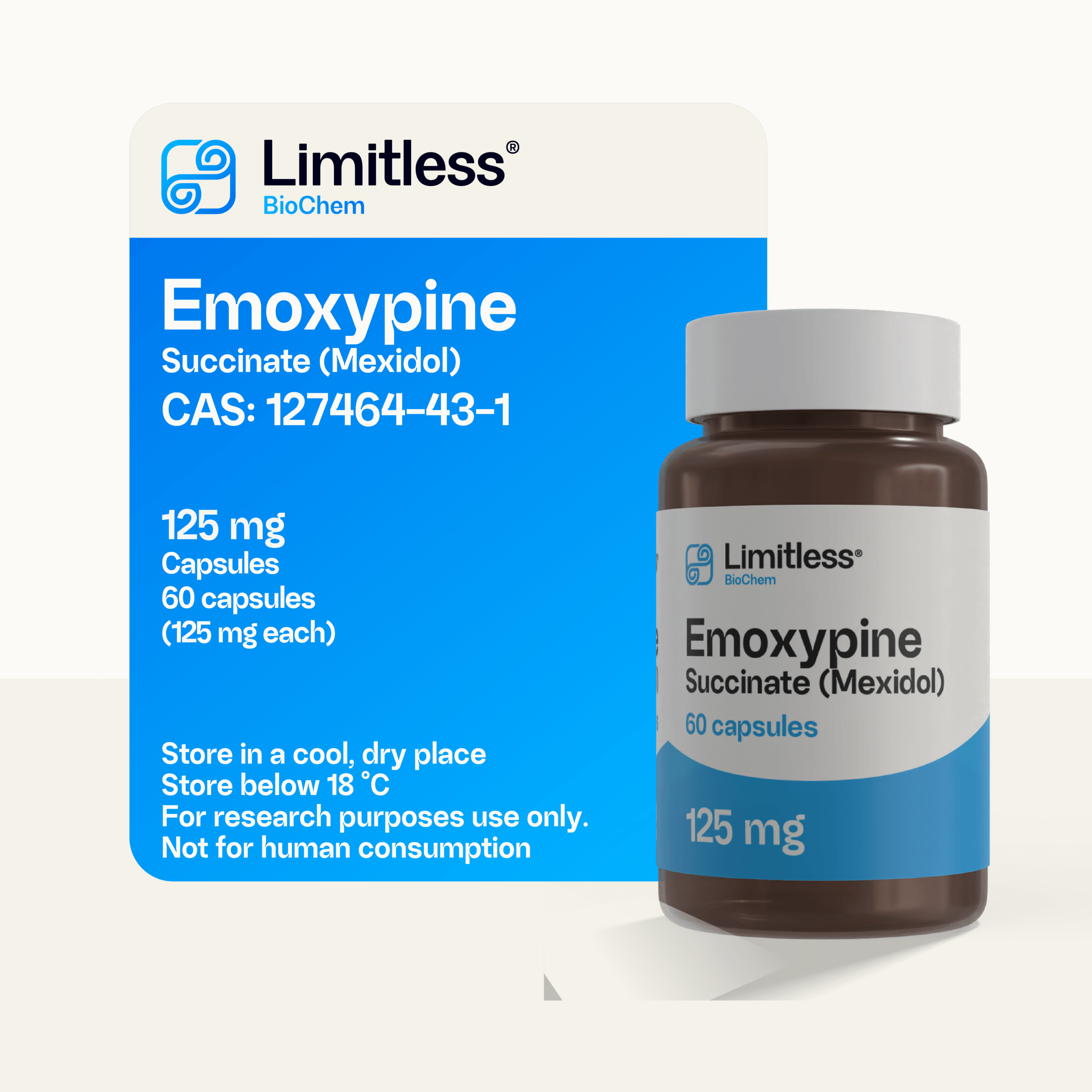
- Mexidol pairs an antioxidant hydroxypyridine core with succinic acid, a Krebs-cycle substrate, so a single molecule both quenches free radicals and supports cellular energy production.
- It ranks among the most commonly prescribed neuroprotective drugs across Russia and the former Soviet states, yet remains largely unknown in Western clinical practice.
Mechanism
Emoxypine is built around a phenolic hydroxypyridine core that acts as a direct antioxidant, donating hydrogen atoms to neutralize free radicals and interrupt the chain reaction of lipid peroxidation that damages cell membranes during oxygen deprivation and inflammation [3]. This is the heart of its neuroprotective rationale: in ischemic stroke, much of the injury after blood flow is restored comes from a burst of , and a molecule that quenches those radicals and stabilizes membranes can limit the resulting cell death [3][4]. Beyond scavenging radicals directly, emoxypine is described as a membrane-modulating agent that influences the activity of membrane-bound enzymes and receptors, including those of the and benzodiazepine systems, which is thought to underlie its calming, anti-anxiety effects.
The succinate component of Mexidol adds a second, metabolic dimension. Succinic acid is a substrate of the Krebs cycle, and supplying it can support ATP production when cells are energy-starved, as they are during ischemia; this pairing of an antioxidant with an energy substrate is the basis for classifying the drug as both an antioxidant and an antihypoxant [3]. Together these actions target the and energy failure that reviews identify as central to the death of brain cells in stroke and chronic cerebrovascular disease [3][4].
In clinical terms these mechanisms translate into the reported benefits of emoxypine and Mexidol. In the randomized EPICA trial in patients with hemispheric ischemic stroke, Mexidol treatment was associated with better outcomes on standard disability and quality-of-life measures across age groups, with no increase in side effects compared with placebo [1]. Broader reviews of its use in stroke describe improved neurological recovery and daily functioning, particularly when treatment is started early, alongside a consistently favorable tolerability profile [2]. For the user, emoxypine is positioned as an antioxidant neuroprotective agent whose appeal rests on a coherent mechanism and a large, if geographically concentrated, base of clinical use [1][2][3].
receptor fingerprint
Free radical oxidationinhibits
SOD / glutathione peroxidaseboosts
-A / benzodiazepine complexmodulates
Cerebral blood flowimproves
Dosingtypical ranges, not medical advice
interested in protocols and clinical dosages? make an account to see them! ^_^
Safetyrisks and cautions, not medical advice
Avoid emoxypine if you're hypersensitive to it, have severe liver or kidney trouble, or are pregnant or breastfeeding. It can amplify benzodiazepines, alcohol, and other CNS depressants. The usual side effects are dry mouth, nausea, and drowsiness. It doesn't seem to cause dependence or withdrawal. In Russia it's sold OTC; elsewhere it usually shows up as a supplement or research chemical, and it's not FDA-approved for medical use in the US.
Interactionsdocumented pairs only, not exhaustive
The Russian regulatory monograph for emoxypine (marketed as Mexidol) states that it potentiates the action of several CNS drug classes, so that when it is combined with benzodiazepine anxiolytics, antidepressants, anticonvulsants, antiparkinsonian levodopa preparations and sedative-hypnotics their effects are enhanced and their doses may need to be reduced. The same monograph notes that emoxypine attenuates the toxic effects of ethanol. These are label-level pharmacodynamic interactions from the originator documentation rather than findings replicated in Western controlled interaction studies, and the precise mechanism of the potentiation is not fully characterized. Clinicians using it alongside sedating agents should anticipate additive CNS depression. This is research information, not medical advice.
Checking a whole stack? Run it through interactions + stacks.
History
Emoxypine, chemically 2-ethyl-6-methyl-3-hydroxypyridine, was developed in the Soviet Union at the Institute of Pharmacology of the USSR Academy of Medical Sciences, where researchers pursued hydroxypyridine antioxidants as membrane-stabilizing and antihypoxic agents. Its most widely used form, the succinate salt marketed as Mexidol, was introduced into Russian clinical practice and became a mainstay antioxidant and antihypoxant across the former Soviet states. The molecule's design deliberately joined a free-radical-scavenging phenolic core with succinic acid, a Krebs-cycle substrate, to address both oxidative stress and cellular energy failure. Its clinical use has since been supported by trials such as the randomized EPICA study in hemispheric ischemic stroke.
Reputation
Emoxypine, best known as Mexidol, carries the reputation of a long-established and heavily used neuroprotective agent, prescribed widely for stroke, cerebrovascular disease, and stress-related conditions throughout Russia and neighboring countries. Its appeal rests on a coherent dual mechanism that pairs antioxidant free-radical scavenging with mitochondrial energy support, and on a consistently favorable tolerability profile reported across its clinical use. Randomized work such as the EPICA trial has associated it with better recovery after ischemic stroke without added side effects. A fair assessment notes that its large evidence base is geographically concentrated and less familiar in Western medicine, which is part of what keeps it an intriguing subject for antioxidant neuroprotection research.
Subjective profileweighing the evidence above
Choosing the malate means choosing the version with even less behind it, since the succinate at least has a large Russian literature, poor as that literature is, while this salt is a line extension riding on the same base molecule. Radical scavenging in a test tube is not in dispute and is also not the claim being sold; the claim is that a stroke or a cerebrovascular condition ends differently, and that rests on domestic trials of low methodological quality that nobody outside has repeated. Anyone drawn to the antioxidant idea should weigh how poorly antioxidant supplementation has done at changing hard outcomes over several decades. Deep cut curiosity, not a therapy.
Where to buy


Suppliers
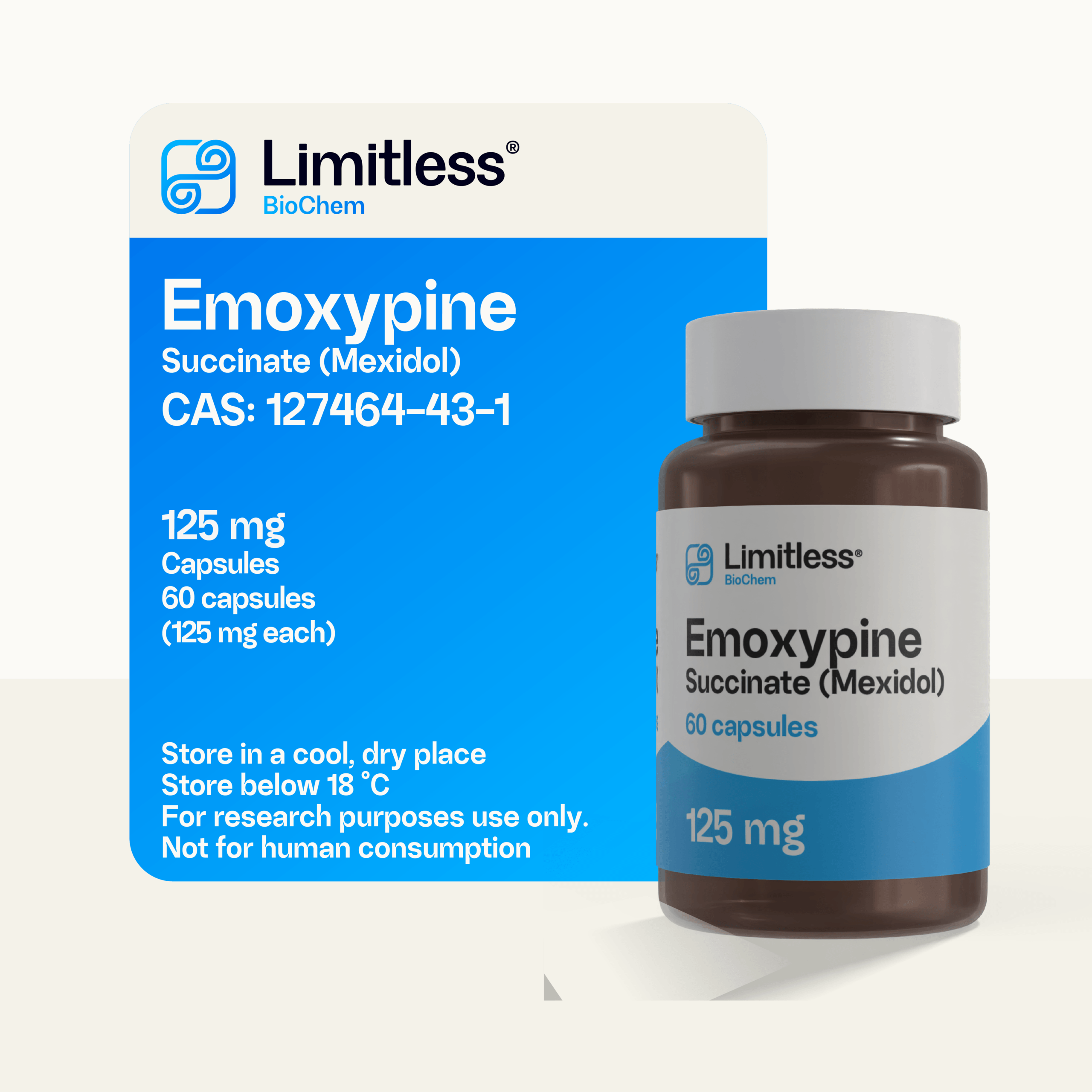
Vendors carrying Emoxypine, with live product details and codes. Links are affiliate links that support the wiki at no cost to you.
| supplier | size | price | $/mg |
|---|---|---|---|
| RUOlowest | 125mg | $28.00 | $0.224/mg |
| Limitless Biochem | 125 mg | $64.20 | $0.514/mg |
RUPharma🌐
Emoxypine
RUPharma🌐
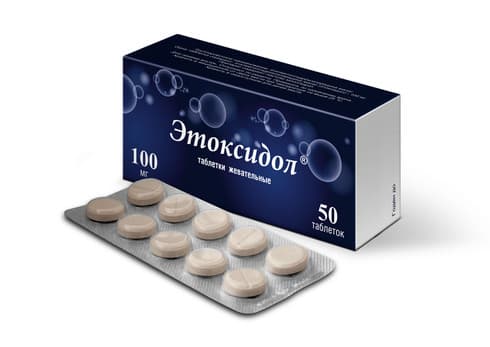
Emoxypine malate
RUPharma🌐
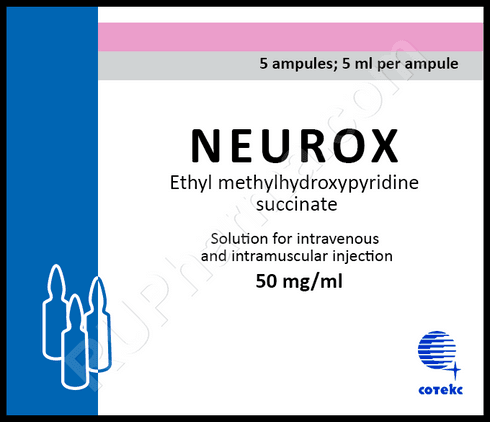
Neurox
RUPharma🌐
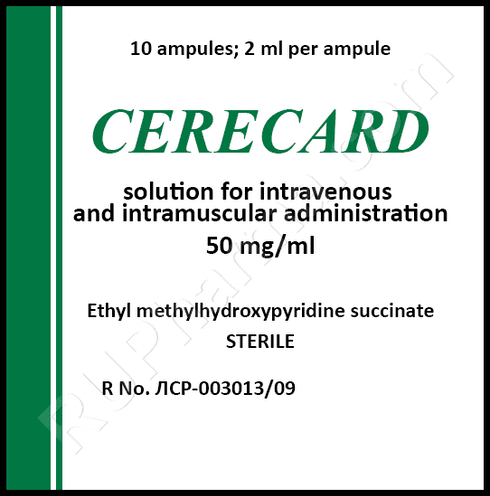
Cerecard

RUPharma🌐
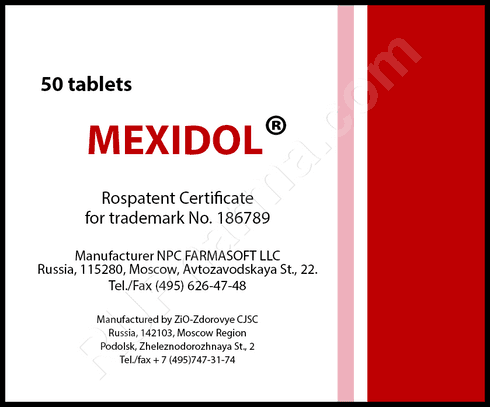
Mexidol
RUO
Emoxypine
Limitless Biochem🌐
Emoxypine
Kimera Chems
Emoxypine
Research
- 2018first cited[A modern concept of antihypoxic and antioxidant effects of mexidol].
- 2020controlled trial[Efficacy and safety of mexidol across age groups in the acute and early recovery stages of hem…
- 2023most active year6 papers
- 2025most recent[Results of the international multicenter randomized, double-blind, placebo-controlled clinical…
- 1.[Efficacy and safety of mexidol across age groups in the acute and early recovery stages of hemispheric ischemic stroke (results of additional sub-analysis of a randomized double blind multicenter placebo-controlled study, in parallel groups trial EPICA)]
- 2.[Efficacy and safety of ethylmethylhydroxypyridine succinate in patients with ischemic stroke]
- 3.[Oxidative stress in the pathogenesis of stroke and its correction]
- 4.[Vascular inflammation underlies the development of atherothrombotic stroke]
- 5.[Results of the international multicenter randomized, double-blind, placebo-controlled clinical trial for the evaluation of the efficacy and safety of the sequential therapy with ethylmethylhydroxypyridine succinate in patients in the acute and early recovery periods of ischemic stroke (MIR)].
- 6.[Efficacy and safety of ethylmethylhydroxypyridine succinate in patients with chronic cerebral ischemia].
- 7.[The efficacy of ethylmethylhydroxypyridine in the rehabilitation treatment of poststroke patients].
- 8.[Efficacy of Mexidol in the correction of postcovid syndrome in patients with chronic cerebrovascular diseases].
- 9.[Optimization of treatment of depression with administration of ethylmethylhydroxypyridine succinate (Mexicor)].
- 10.[Possibilities of using Mexidol in the complex therapy of mental disorders].
- 11.[The possibilities of Mexidol usage in neuropediatrics].
- 12.The Study of the Effectiveness of Ethylmethylhydroxypyridine Succinate in Acute Alcohol Intoxication.
23 listed here; entry last updated August 2026
Reviews
My notesprivate to this device
FAQ
What is emoxypine?
Emoxypine, sold as Mexidol, is an antioxidant compound widely used in Russia for neuroprotective and calming effects.
What is it used for?
It is used for anxiety, stress, and neuroprotection, with a long track record in its region of use.
How is it thought to work?
It acts as an antioxidant and membrane stabilizer, which may underlie its neuroprotective and calming effects.
Is it widely approved elsewhere?
It is mainly approved and used in Russia and some neighboring countries rather than globally.
Adverse effects
- Can cause mild drowsiness, nausea, or dry mouth in some people
Notes and cautions
- Generally well tolerated in the clinical studies to date
- Most safety evidence comes from Russian studies, so broad independent data are limited
- Not approved by the United States Food and Drug Administration or the European Medicines Agency
- Sold as two different salts and this entry covers both: the succinate (Mexidol, Neurox, Cerecard) and the malate (Ethoxidol, Etoxidol). Same parent molecule, so a label naming either one is this compound.