
spec sheet10 rows
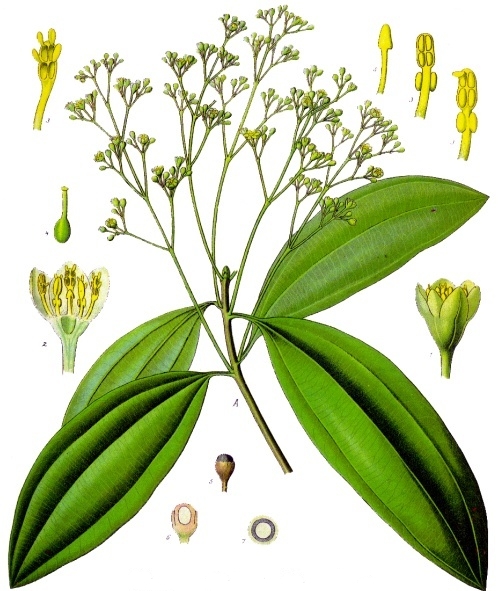
Cinnamon extract is a concentrated, standardized preparation made from the bark of Cinnamomum trees, intended to deliver the spice's active compounds in supplement form. It is used mainly for blood sugar and metabolic support, and depending on the extraction method it may concentrate the water-soluble polyphenols while reducing the fat-soluble compound coumarin. Clinical results for glucose control are modest and inconsistent.
- Modestly lowers fasting glucose
- Improves insulin sensitivity
- Antioxidant
- Blunts post-meal spikes
- Possible additive effect with glucose-lowering drugs
Overview
Cinnamon extract is a supplement made by concentrating the constituents of cinnamon bark rather than using the whole ground spice. Extracts differ by method: aqueous or water-soluble extracts are designed to pull out the polar, metabolically active polyphenols while leaving behind most of the fat-soluble coumarin, whereas whole or alcoholic extracts capture a broader range of compounds. The resulting material is typically standardized and sold in capsules or tablets.
The constituents of interest are cinnamon's polyphenols, particularly doubly linked procyanidin type-A oligomers, together with the aroma compound cinnamaldehyde. Because cassia-type cinnamon can carry substantial coumarin, a compound that can burden the liver at high sustained intake, water-based extraction is commonly used to keep coumarin exposure low while retaining the studied polyphenols.
Most research concerns blood glucose and blood lipids in type 2 diabetes. A triple-blind randomized controlled trial found that cinnamon supplementation improved anthropometric measures, glycemic indices, and lipid profile, with the largest benefits in patients who started with a higher body mass index [1]. A review of randomized trials concluded that cinnamon has genuine antihyperglycemic potential, with some studies showing meaningful reductions in fasting glucose and others showing none [2]. A meta-analysis reported lower fasting plasma glucose and improved cholesterol and triglycerides but no significant change in HbA1c and considerable variability between trials [3], while a Cochrane review judged the overall evidence insufficient to recommend cinnamon for diabetes [4].
Cinnamon extract is regulated as a dietary supplement rather than a medicine and is sold over the counter. It is generally positioned as an adjunct to diet, exercise, and standard care rather than a replacement for prescribed glucose-lowering treatment.
Mechanism
Cinnamon extracts concentrate the spice's polyphenols, most notably doubly linked procyanidin type-A oligomers, along with cinnamaldehyde. These constituents appear to make tissues more responsive to by supporting insulin-receptor signaling and glucose uptake, and to slow carbohydrate digestion and gastric emptying, effects that together can lower fasting and post-meal blood glucose [2][3]. In human trials the size of these effects is modest and varies from study to study, with little consistent change in longer-term control [4]. Water-based extraction is often chosen to concentrate the active polyphenols while minimizing coumarin, the fat-soluble compound that limits how much whole cassia bark can be safely consumed.
receptor fingerprint
receptor signalingenhances
GLUT4 glucose transportincreases
reduces
Digestive enzymes / gastric emptyingslows
Inflammatory markersreduces
Dosingtypical ranges, not medical advice
interested in protocols and clinical dosages? make an account to see them! ^_^
Safetyrisks and cautions, not medical advice
Generally safe as a spice and in moderate extract doses. The key concern is coumarin in cassia cinnamon, which at high regular doses can harm the liver and interact with anticoagulants. GI upset and mouth irritation can occur. Choose Ceylon cinnamon or coumarin-reduced extracts for daily use, and be cautious if on blood thinners or with liver issues.
Subjective profileweighing the evidence above
A pleasant, mildly effective blood sugar helper; use Ceylon for regular dosing to keep coumarin low.
Resources
This entry is here for reference.
Research
- 2009first citedThe potential of cinnamon to reduce blood glucose levels in patients with type 2 diabetes and i…
- 2013meta-analysisCinnamon use in type 2 diabetes: an updated systematic review and meta-analysis
- 2019most recentEfficacy of cinnamon in patients with type II diabetes mellitus: a randomized controlled clinic…
- 1.Efficacy of cinnamon in patients with type II diabetes mellitus: a randomized controlled clinical trial
- 2.The potential of cinnamon to reduce blood glucose levels in patients with type 2 diabetes and insulin resistance
- 3.Cinnamon use in type 2 diabetes: an updated systematic review and meta-analysis
- 4.Cinnamon for diabetes mellitus.
4 listed here; entry last updated August 2026
Reviews
My notesprivate to this device
FAQ
Does cinnamon really lower blood sugar?
Meta-analyses show small reductions in fasting glucose; it's a mild helper, not a treatment.
Ceylon or cassia?
Use Ceylon for regular dosing; cassia has more coumarin, which can stress the liver at high doses.
How much is too much cassia?
Regularly high cassia intake can exceed safe coumarin levels, so keep it moderate or switch to Ceylon.
When should I take it?
With carbohydrate-containing meals to help blunt the post-meal glucose rise.
Adverse effects
- Possible additive effect with glucose-lowering drugs
Notes and cautions
- Generally well tolerated
- Mild digestive upset
- Coumarin content depends on the extract and cinnamon type
- Not a replacement for prescribed treatment