
spec sheet14 rows
Vitamin B3 (Niacin) Vitamin B3 is an essential water-soluble nutrient that exists in two main forms, nicotinic acid (niacin) and nicotinamide (niacinamide), both of which the body converts into the coenzymes NAD+ and NADP+ that drive hundreds of redox reactions in energy metabolism. A prolonged dietary lack causes pellagra, the deficiency disease classically remembered by the "three Ds" of dermatitis, diarrhea, and dementia. In pharmacologic doses nicotinic acid favorably shifts blood lipids (raising HDL while lowering LDL, triglycerides, and lipoprotein(a)) and produces the characteristic warm "niacin flush," whereas nicotinamide has neither the flush nor the lipid effects and is used mainly in dermatology. It is distinct from the dedicated NAD-boosting precursors nicotinamide riboside (NR) and NMN, which are covered in their own entries.
- an essential vitamin; being short on it is not an option
- the raw material your cells turn into NAD+
- powers hundreds of energy and DNA repair reactions
- nicotinic acid shifts cholesterol and triglycerides
- niacinamide is a dermatology staple for skin
- cheap, everywhere, and foundational to NAD+ pathways
- Nicotinic acid commonly causes skin flushing, warmth, and itching
- High doses can affect the liver and raise blood glucose
- The nicotinamide form generally does not cause flushing
Overview
Vitamin B3 is not a single molecule but a small family of interconvertible compounds, chiefly nicotinic acid (the form usually called niacin) and nicotinamide (also spelled niacinamide), along with related species the body handles similarly [1]. What unites them is their fate: cells convert both into the coenzymes NAD+ and NADP+, the electron carriers that hundreds of enzymes rely on to run energy metabolism, build fats and cholesterol, and manage oxidative stress [1]. Nicotinic acid reaches NAD+ through the short Preiss-Handler pathway while nicotinamide feeds the salvage pathway, and this shared destination is why either form cures the deficiency disease even though they behave very differently as drugs [1].
It is worth being clear up front that plain niacin and niacinamide are the classic, cheap, well-characterized vitamin forms; they are chemically and clinically distinct from nicotinamide riboside (NR) and nicotinamide mononucleotide (NMN), the newer NAD precursors marketed for longevity that get their own entries on this wiki [1]. All of them ultimately raise NAD+, but they should not be lumped together; the vitamin forms have a century of nutritional evidence behind them, whereas the longevity precursors are a much younger and more speculative story.
A sustained lack of vitamin B3 produces pellagra, a systemic deficiency disease remembered by its "three Ds": dermatitis (a symmetric, sun-exposed rash), diarrhea, and dementia, with death as a fourth D if it goes untreated [2]. Pellagra tracked poverty and corn-heavy diets, because the niacin in maize is chemically bound and poorly absorbed unless the grain is treated with alkali, and it caused enormous suffering in the early-twentieth-century American South before its dietary cause was understood [2]. The body can also make a little niacin from the amino acid tryptophan, which is why severe protein malnutrition worsens the picture; today outright pellagra is uncommon but still shows up in alcoholism, malabsorption, and certain drug reactions [2].
For decades nicotinic acid was a mainstay lipid drug, and it does move the numbers impressively: at gram doses it raises HDL cholesterol, lowers LDL and triglycerides, and is one of the few agents that lowers lipoprotein(a) [3]. The trouble is that moving lipid numbers is not the same as preventing heart attacks. When niacin was added to modern statin therapy in two large randomized trials, AIM-HIGH and HPS2-THRIVE, it produced no reduction in cardiovascular events despite the favorable lipid shifts, and HPS2-THRIVE actually flagged excess harms including new-onset diabetes, infections, and bleeding [3][4]. That pair of results is a big reason niacin fell out of routine cardiology; the honest read is that if you are already on a statin, high-dose niacin has very little to offer and some real downside [3][4].
Nicotinamide has had a quieter but more encouraging run in dermatology. Oral niacinamide does not flush and does not touch lipids, but in the ONTRAC trial 500 mg twice daily cut the rate of new non-melanoma skin cancers and actinic keratoses in high-risk patients, and topical niacinamide is a well-liked skincare active for barrier support and pigmentation [5]. The signature nuisance of nicotinic acid, by contrast, is the "niacin flush": a warm, prickly reddening of the face and upper body that comes from the vitamin activating the HCA2 receptor on skin immune cells, which then release prostaglandin D2 and dilate blood vessels [6]. It is harmless but startling; taking niacin with food, building the dose up slowly, using an extended-release form, or taking an aspirin beforehand all blunt it, and it tends to fade with regular use [6]. One caution is worth flagging: so-called "no-flush niacin" (inositol hexanicotinate) dodges the flush precisely because it releases almost no free niacin, so it also does little for lipids; if you want the vitamin without the flush, niacinamide is the more honest route [6].

Mechanism
Vitamin B3 works on two levels that are easy to conflate. As a nutrient, both acid and nicotinamide are precursors to and NADP+, the pyridine-nucleotide coenzymes that shuttle electrons in glycolysis, the citric-acid cycle, fatty-acid oxidation, and biosynthesis, and that also serve as substrates for enzymes such as PARPs and sirtuins involved in DNA repair and metabolic signaling [1]. acid is built into by the Preiss-Handler pathway; nicotinamide enters through the salvage pathway via the enzyme NAMPT, and this coenzyme role is what makes B3 essential and what pellagra reflects when it is missing [1].
As a drug, acid does something nicotinamide does not: it activates the HCA2 receptor (also called GPR109A), a G-protein-coupled receptor found on fat cells and on skin immune cells [6]. On fat cells this suppresses lipolysis and the release of free fatty acids, which indirectly lowers the liver's output of triglyceride-rich VLDL and reshuffles cholesterol toward higher HDL; on the skin's Langerhans cells the same receptor triggers prostaglandin release and the cutaneous felt as the flush [6]. Niacinamide's dermatologic benefits are attributed less to any receptor and more to replenishing in stressed skin cells, which supports DNA repair and cellular energy after ultraviolet damage and tempers inflammation [5].
receptor fingerprint
/NADP+ synthesisprecursor
GPR109A receptor ( acid)agonist
/NADP+ coenzymesprecursor
HCA2 receptor (GPR109A)agonist
Sirtuins (via )supports
PARP DNA-repair enzymessupports
Hepatic triglyceride synthesis (DGAT2 / VLDL)inhibits
HDL cholesterol / apolipoprotein A-Iraises
Skin cell / DNA repair (niacinamide)supports
Dosingtypical ranges, not medical advice
interested in protocols and clinical dosages? make an account to see them! ^_^
Safetyrisks and cautions, not medical advice
Safety depends heavily on which form and dose you mean. At nutritional intakes vitamin B3 is very safe, and niacinamide stays well tolerated even at the gram-a-day doses used in dermatology [5]. High-dose nicotinic acid is where the cautions cluster: the flush is benign but common, and beyond it, gram doses can raise liver enzymes (sustained-release formulations carry the most hepatotoxicity risk), worsen blood sugar and insulin resistance, raise uric acid enough to provoke gout, and irritate the stomach [4].
The HPS2-THRIVE trial also linked high-dose niacin to more new-onset diabetes, infections, and bleeding [4]. Because of all this, therapeutic niacin doses belong under medical supervision with liver and glucose monitoring, and are best avoided in people with liver disease, active peptic ulcers, or poorly controlled diabetes; niacinamide is the gentler choice when you just want the vitamin.
Interactionsdocumented pairs only, not exhaustive
Niacin causes prostaglandin D2-mediated flushing as a common side effect. Aspirin pretreatment (325 mg to 650 mg) significantly reduces the incidence and severity of niacin-induced flushing symptoms through a pharmacodynamic mechanism; aspirin doses above 325 mg provide no additional benefit [4] [5]. This is a documented, clinically useful interaction that is standard in clinical practice. When niacin is combined with the selective PGD2 receptor antagonist laropiprant, aspirin does not further reduce residual flushing, indicating laropiprant largely displaces aspirin's protective effect [5].
Niacin has significant drug interactions with medications that inhibit CYP3A4 and other phase I enzymes, particularly when used in lipid-lowering regimens; some formulations are excluded from coadministration with certain statins and fibrates due to myopathy risk. Interactions with most other drug classes have not been systematically studied, and combination with psychostimulants or other cardiovascular-active agents lacks published data.
Checking a whole stack? Run it through interactions + stacks.
History
Vitamin B3's story is bound up with pellagra, which reached epidemic scale in the American South in the early twentieth century and was long, wrongly, assumed to be an infection. The US Public Health Service physician Joseph Goldberger showed through a series of dietary experiments in the 1910s that pellagra came from a deficient diet rather than a germ, though the specific factor eluded him. In 1937 the biochemist Conrad Elvehjem identified nicotinic acid, and its amide, from liver as the pellagra-preventing factor, closing the loop between the deficiency and the molecule.
When the vitamin began to be added to flour, the name "niacin" was coined from nicotinic acid plus vitamin, partly to avoid alarming consumers with a word that sounded like nicotine. The later recognition that traditional alkali treatment of maize, as in the nixtamalization used to make tortillas, unlocks the grain's bound niacin explained why some corn-eating cultures escaped the disease that ravaged others.
Reputation
Vitamin B3 occupies an unusual spot in reputation. As an essential nutrient it is beyond dispute; it cures pellagra and supplies the NAD+ that keeps cellular metabolism running. As a medicine its standing has fallen: nicotinic acid was once a celebrated cholesterol drug, prized for raising HDL and lowering triglycerides and lipoprotein(a), but the statin-era outcome trials found it added no cardiovascular benefit and some harm, and it has largely retreated from guidelines. Niacinamide, meanwhile, enjoys a quiet and growing respect in dermatology for skin-cancer chemoprevention and as a gentle topical active. In the background, the broader NAD story has pulled attention toward the newer precursors NR and NMN, which are marketed for longevity but should not be confused with the humble, well-understood vitamin forms.
Subjective profileweighing the evidence above
As a vitamin it is essential and worth not being deficient in; as a heart drug the statin-era trials deflated it, so the lasting value sits with niacinamide's skin uses, with high-dose niacin best left to a doctor.
Where to buy
2 other outlets
Suppliers
Vendors carrying Vitamin B3 (Niacin), with live product details and codes. Links are affiliate links that support the wiki at no cost to you.
RUPharma🌐
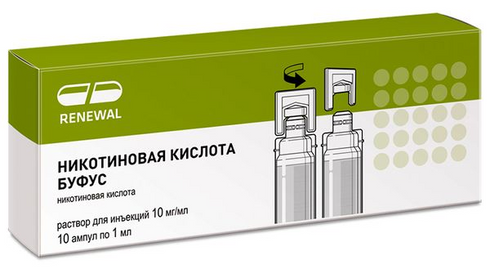
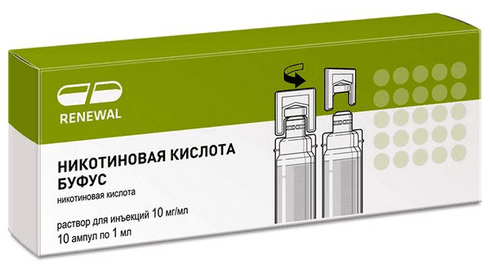
Nicotinic Acid

Amazon
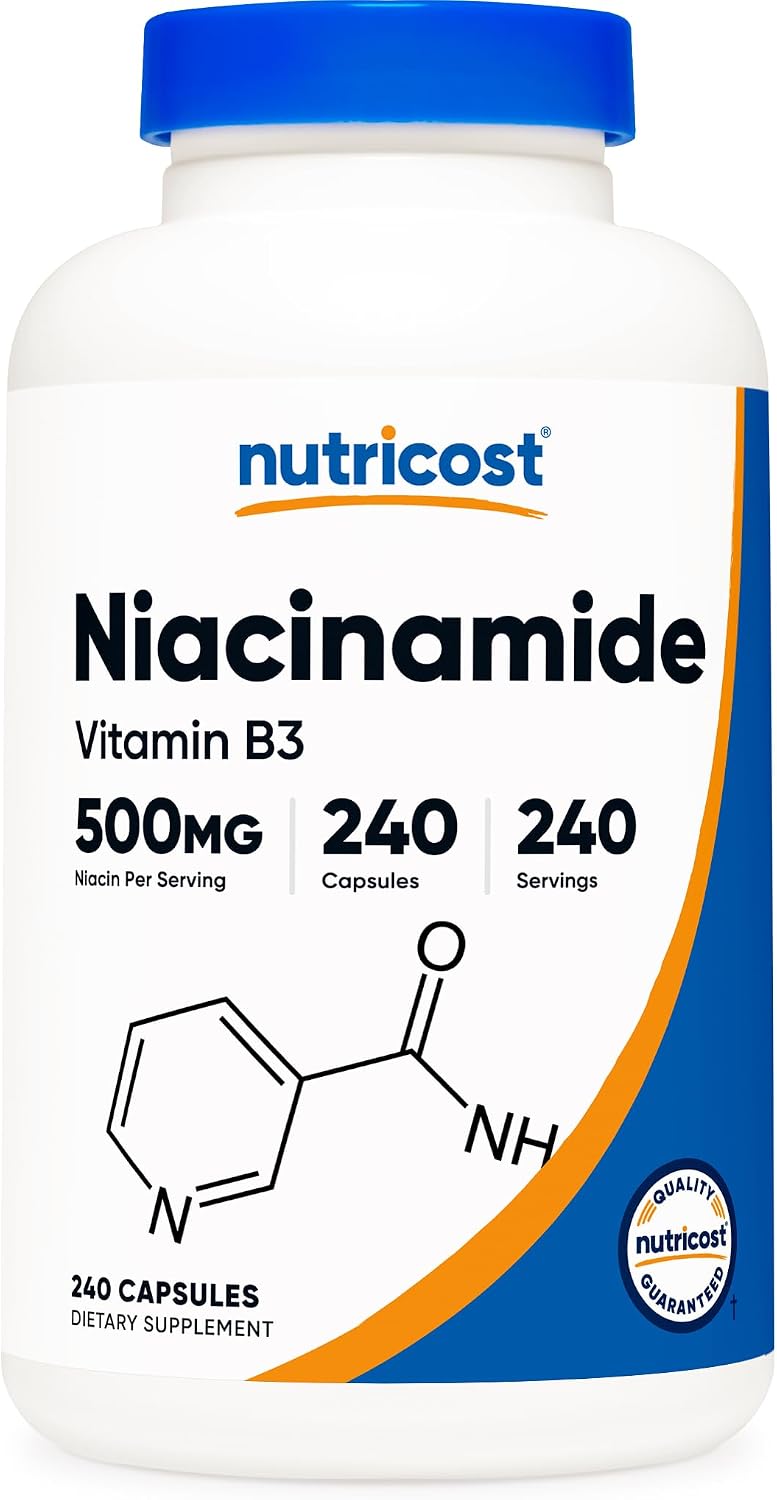
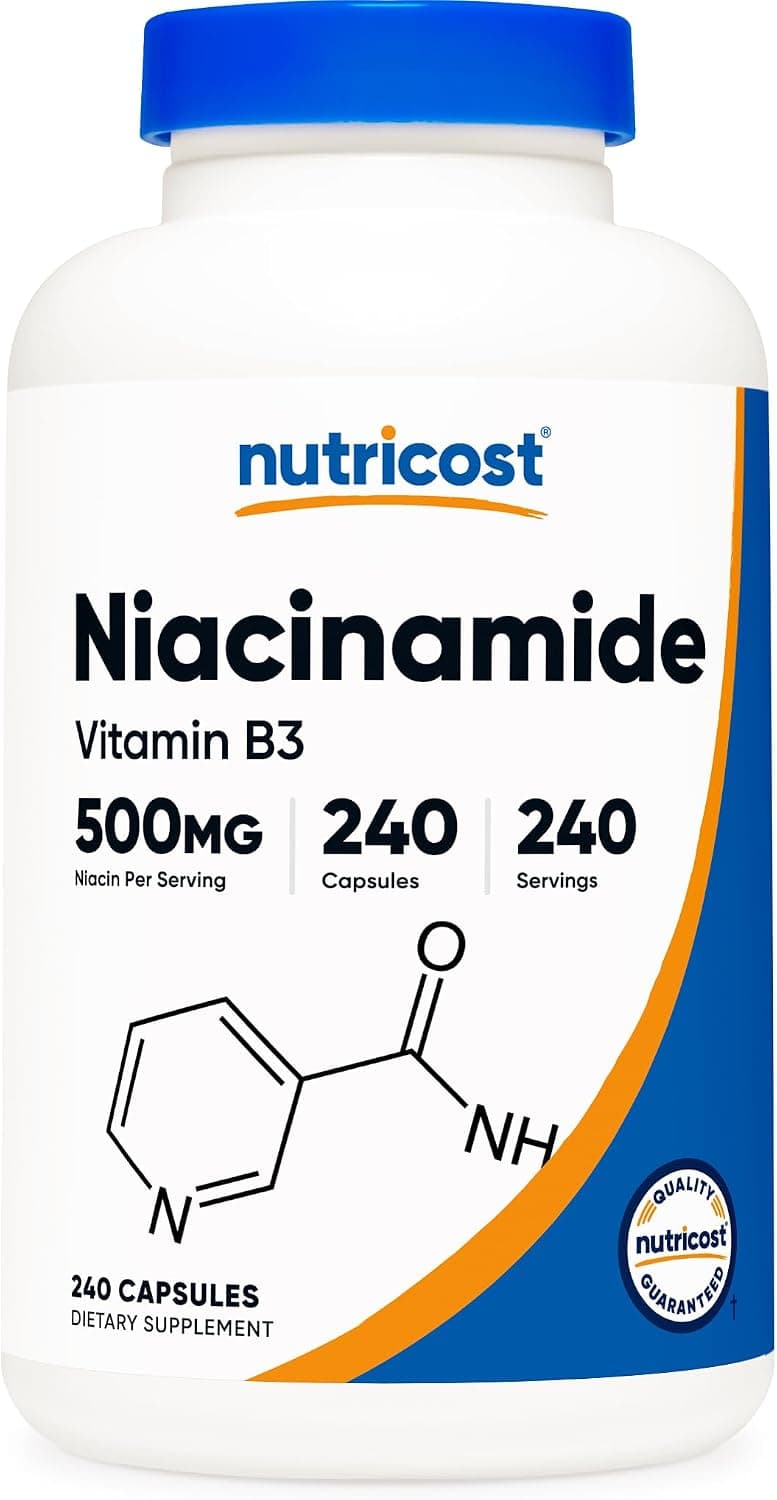
Vitamin B3
Amazon
Vitamin B3 (Niacin)
Research
- 1997first citedEffect of two aspirin pretreatment regimens on niacin-induced cutaneous reactions.
- 2017meta-analysisNiacin for primary and secondary prevention of cardiovascular events
- 2023most recentThe Promise of Niacin in Neurology
- 1.The Promise of Niacin in Neurology
- 2.Mechanistic Basis and Clinical Evidence for the Applications of Nicotinamide (Niacinamide) to Control Skin Aging and Pigmentation
- 3.Niacin for primary and secondary prevention of cardiovascular events
- 4.Effect of two aspirin pretreatment regimens on niacin-induced cutaneous reactions.
- 5.Effects of aspirin when added to the prostaglandin D2 receptor antagonist laropiprant on niacin-induced flushing symptoms.
- 6.Nicotinic acid, nicotinamide, and nicotinamide riboside: a molecular evaluation of NAD+ precursor vitamins in human nutrition
- 7.Pellagra: dermatitis, dementia, and diarrhea
- 8.Niacin in patients with low HDL cholesterol levels receiving intensive statin therapy
- 9.Effects of extended-release niacin with laropiprant in high-risk patients
- 10.A Phase 3 Randomized Trial of Nicotinamide for Skin-Cancer Chemoprevention
- 11.The mechanism and mitigation of niacin-induced flushing
11 listed here; entry last updated August 2026
Reviews
My notesprivate to this device
FAQ
What causes the niacin flush?
Nicotinic acid activates the GPR109A receptor, releasing prostaglandins that dilate skin blood vessels. Nicotinamide does not do this.
Is niacin good for cholesterol?
It lowers lipids, but large trials failed to show clear outcome benefits, so it is used less now.
Which form for NAD+ and longevity?
Nicotinamide, or dedicated precursors like NR and NMN, raise NAD+ without flushing.
Can high-dose niacin hurt the liver?
Yes, gram-level doses can raise liver enzymes, so monitoring is wise.
Adverse effects
- Nicotinic acid commonly causes skin flushing, warmth, and itching
- High doses can affect the liver and raise blood glucose
- The nicotinamide form generally does not cause flushing