
spec sheet13 rows
Biotin, also known as vitamin B7 (and historically as vitamin H), is a water-soluble B vitamin that the body needs as a coenzyme for several key metabolic enzymes. It acts as an essential cofactor for carboxylase enzymes involved in the metabolism of fats, carbohydrates, and amino acids [1]. True deficiency is rare because biotin is widespread in foods and is also made by gut bacteria, but it is a popular dietary supplement, most often marketed for hair, skin, and nail health despite limited supporting evidence in people who are not deficient [2]. High-dose biotin can also interfere with common laboratory blood tests [4].
- Corrects true biotin deficiency quickly and completely
- Essential cofactor for the enzymes that burn fat and carbs
- The classic hair, skin and nail vitamin when levels run low
- Water soluble and remarkably well tolerated at everyday doses
- Cheap, everywhere, and one of the simplest B vitamins to add
Overview
Biotin is one of the B-complex vitamins, a water-soluble micronutrient whose molecule features a sulfur-containing ring fused to a ureido group with a short carboxylic acid side chain [1]. In the body it works as a coenzyme, becoming covalently attached to a small set of carboxylase enzymes that it activates [1]. These biotin-dependent carboxylases catalyze the addition of carbon dioxide to organic molecules and are central to the metabolism of fatty acids, glucose, and certain amino acids; biotin is also attached to histone proteins, where it may influence gene regulation [1].
Biotin is present in a wide range of foods, with liver, egg yolk, nuts, seeds, and some fish and vegetables among the richer sources, and the bacteria of the gut synthesize additional amounts [1]. It was first isolated from egg yolk in the 1930s, and because early work linked it to healthy hair and skin it was called vitamin H, from the German words for hair (Haar) and skin (Haut) [2]. Raw egg white, interestingly, contains a protein called avidin that binds biotin tightly and can cause deficiency if large amounts are eaten over time, a phenomenon that helped establish the vitamin's biological importance.
Because it is so widely available, dietary biotin deficiency is uncommon in healthy people; when deficiency does occur it more often stems from genetic disorders of biotin handling, such as biotinidase deficiency, or from particular circumstances like prolonged consumption of raw egg white [1]. Deficiency produces hair loss, a scaly skin rash, and, in severe inherited forms, neurological problems including seizures and developmental delay, which is why newborns are screened for biotinidase deficiency in many countries [1]. Supplemental biotin reliably corrects these deficiency states, and it is on this basis that the vitamin earned its reputation for supporting hair and nails [2].
Despite widespread marketing of biotin for hair, skin, and nail growth, the evidence in people who are not deficient is thin. A review of the published literature found that reports of benefit almost all involved patients with an underlying deficiency or a specific hair or nail disorder, with little support for supplementation in otherwise healthy individuals [2]. Separately, very high pharmaceutical doses of biotin were tested as a treatment for progressive multiple sclerosis, on the theory that they might aid nerve-cell energy metabolism and repair; a large phase 3 randomized trial found no significant benefit over placebo, and the compound is not recommended for that use [3].
An important practical issue is that biotin, especially at the high amounts found in some supplements, can distort the results of laboratory blood tests that rely on the strong binding between biotin and the protein streptavidin. Such interference can produce falsely high or falsely low readings for hormones and other markers, so laboratories and regulators advise disclosing supplement use and, where possible, pausing biotin before testing [4]. Biotin is regulated as a nutrient and dietary supplement rather than as a drug; official bodies set a recommended adequate intake, and it is sold widely as tablets, capsules, and gummies, often in amounts far above ordinary dietary needs [4].

Mechanism
Biotin functions as the prosthetic group of biotin-dependent carboxylase enzymes. The enzyme holocarboxylase synthetase attaches biotin covalently to these carboxylases, after which the vitamin serves as a mobile carrier of carbon dioxide during their reactions [1]. Through this role biotin enables several core metabolic steps, including the synthesis and breakdown of fatty acids, the production of glucose (gluconeogenesis), and the metabolism of branched-chain amino acids [1].
The enzyme biotinidase recycles biotin from spent carboxylases and from dietary protein so it can be reused; when biotinidase is deficient, biotin is lost and the carboxylase reactions fail, which explains the metabolic and neurological features of the inherited disorder [1]. Its interference with medical tests is unrelated to this biology and instead reflects the exceptionally tight chemical bond biotin forms with streptavidin, which is exploited in many laboratory assays [4].
receptor fingerprint
Carboxylase enzymescofactor
Gluconeogenesis / fatty acid synthesisenables
Keratin infrastructuresupports
Biotin-streptavidin lab assaysinterferes
Dosingtypical ranges, not medical advice
interested in protocols and clinical dosages? make an account to see them! ^_^
Safetyrisks and cautions, not medical advice
Very safe; it's water soluble and excess is excreted, with no established toxicity even at high doses. The main real-world hazard is lab interference: high-dose biotin can distort thyroid panels, troponin, and hormone tests, potentially leading to misdiagnosis, so stopping it before bloodwork is wise. Otherwise side effects are minimal.
Interactionsdocumented pairs only, not exhaustive
Biotin interferes with biotin-streptavidin immunoassays, a detection platform used in many clinical laboratory tests. When patients take high-dose biotin supplements, the excess biotin in blood can compete with or saturate the streptavidin binding sites, causing false elevation or depression of test results depending on the assay architecture [5]. This is a pharmacodynamic interference rather than a drug interaction; biotin itself is not metabolized differently by other drugs, but its presence alters how common diagnostic tests function.
The interference is bidirectional; negative interference (falsely low results) occurs with some assays like interleukin-6 testing [6], while other tests such as high-sensitivity troponin I show no interference at all [7]. Biotin does not undergo significant CYP-mediated metabolism or protein binding with pharmaceuticals. What remains unstudied: biotin interactions with non-immunoassay based diagnostics, interactions with other supplements or nutrients, and whether the interference changes over time with continuous high-dose supplementation.
Checking a whole stack? Run it through interactions + stacks.
Subjective profileweighing the evidence above
Great if you're actually deficient, mostly cosmetic hype if you're not. The real catch is lab test interference at high doses, so tell your doctor if you take it.
Where to buy
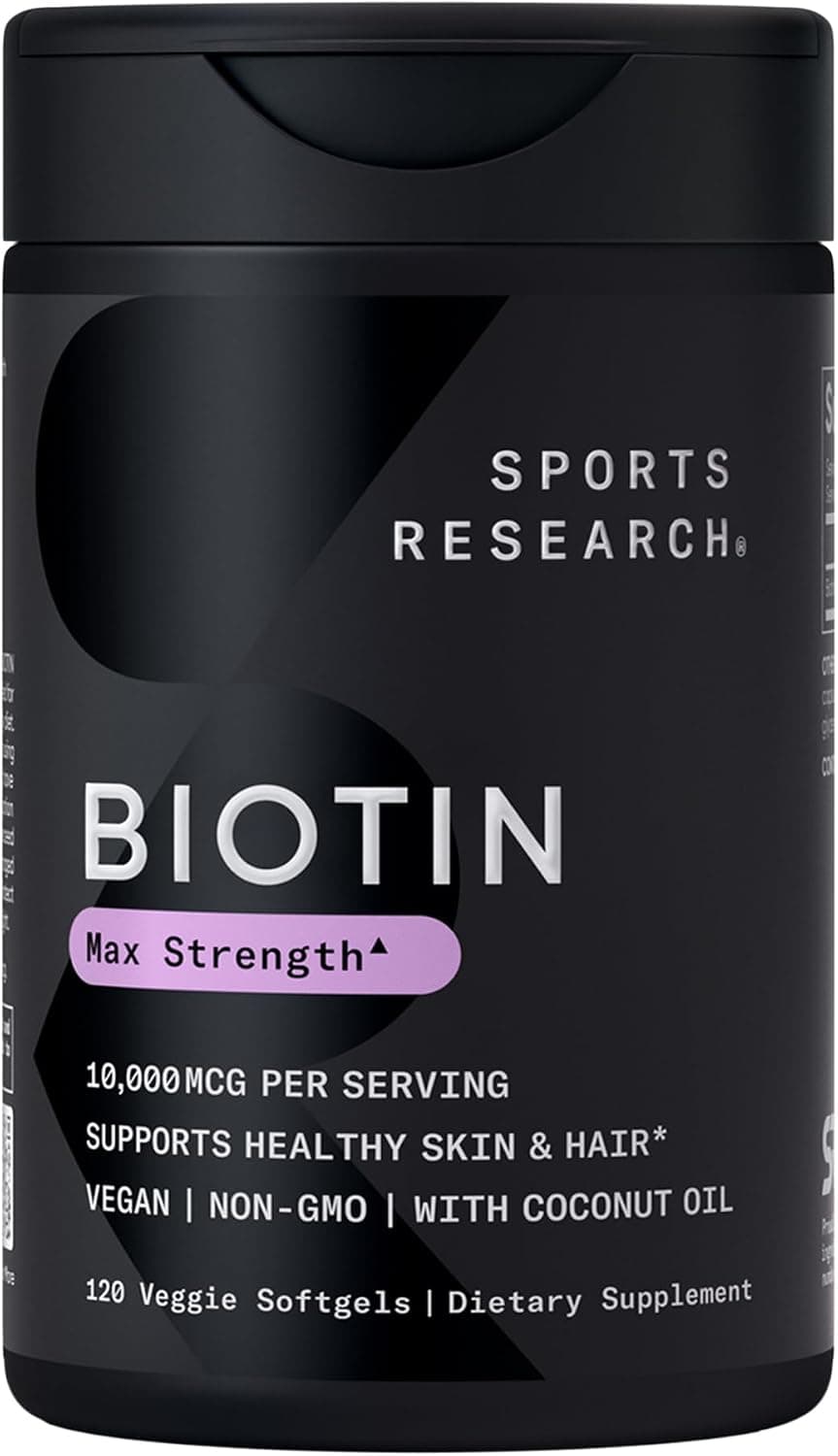
Suppliers
Vendors carrying Biotin, with live product details and codes. Links are affiliate links that support the wiki at no cost to you.
Amazon
Biotin
Research
- 2008first citedBiotin and biotinidase deficiency.
- 2020controlled trialSafety and efficacy of MD1003 (high-dose biotin) in patients with progressive multiple sclerosi…
- 2025most recentBiotin interference in routine clinical immunoassays.
- 1.Biotin and biotinidase deficiency.
- 2.A Review of the Use of Biotin for Hair Loss.
- 3.Safety and efficacy of MD1003 (high-dose biotin) in patients with progressive multiple sclerosis (SPI2): a randomised, double-blind, placebo-controlled, phase 3 trial.
- 4.Biotin interference in routine clinical immunoassays.
- 5.An Analysis of the Biotin-(Strept)avidin System in Immunoassays: Interference and Mitigation Strategies.
- 6.Technical Note: Bimodal Negative Interference of Biotin in Roche IL-6 Immunoassay.
- 7.Performance evaluation of the high sensitive troponin I assay on the Atellica IM analyser.
7 listed here; entry last updated August 2026
Reviews
My notesprivate to this device
FAQ
Will biotin regrow my hair?
If you're deficient, it can help a lot. If you're not, the benefit is usually minimal since deficiency is rare.
Why should I stop it before blood tests?
High-dose biotin can throw off many lab assays, including thyroid and heart-attack markers, so stopping a few days ahead avoids false results.
How much do I actually need?
The adequate intake is only about 30 mcg per day, far below the megadoses in most hair supplements.
Is high-dose biotin dangerous?
It's not toxic since excess is excreted, but the lab interference is a genuine concern worth telling your doctor about.
Notes and cautions
- As a water-soluble vitamin it is generally considered safe, and excess intake is largely excreted in the urine; no clear toxic dose has been established [1].
- The main documented risk is interference with laboratory blood tests, which can lead to misleading results if the supplement is not disclosed [4].
- Reports of benefit for hair and nails come mostly from people with an underlying deficiency rather than healthy users [2].
- Very high doses studied for multiple sclerosis did not show benefit and carried the same test-interference concern [3].