
spec sheet8 rows
Vitamin B5 (Pantothenic Acid) Pantothenic acid, better known as vitamin B5, is a water-soluble vitamin whose central role is to serve as the building block of coenzyme A, the cofactor that carries acyl groups through energy production and the synthesis and breakdown of fats. Its name derives from the Greek pantothen, meaning "from everywhere," reflecting how widely it is distributed across foods, which makes true dietary deficiency very rare. The vitamin is present in meat, eggs, dairy, legumes, whole grains, avocados, and mushrooms, and gut bacteria contribute some as well. Its stable alcohol derivative, panthenol (dexpanthenol), is widely used in topical skincare and wound-care products as a humectant and barrier-repair agent.
- Essential B vitamin and the building block of coenzyme A
- Coenzyme A carries acyl groups through energy production
- Central to building and breaking down fats
- Dietary deficiency is very rare because it is so widespread in food
- Very high oral intake may occasionally cause mild digestive upset
Overview
Pantothenic acid is a water-soluble B vitamin assembled from pantoic acid joined to the amino acid beta-alanine. Its entire reason for mattering is that the body converts it, through a short chain of enzyme steps that also draw on cysteine and ATP, into coenzyme A [1]. Coenzyme A is one of the busiest molecules in metabolism; its reactive thiol group grabs and hands off acyl groups in hundreds of reactions, from feeding acetyl units into the citric acid cycle for energy to building and dismantling fatty acids, cholesterol, and steroid hormones [1]. The same vitamin is also needed to make the acyl carrier protein that holds a growing fatty-acid chain in place [1]. So while B5 has no dramatic effect you can feel, almost nothing in energy metabolism happens without it.
The vitamin's name says it all; pantothen is Greek for "from everywhere," and it turns up in meat, eggs, dairy, legumes, whole grains, avocados, and mushrooms, with gut bacteria chipping in some as well. Because of that, a genuine dietary deficiency is very rare and mostly shows up in severe malnutrition, where it can contribute to fatigue, irritability, cramping, and the classic "burning feet" sensation that reverses once intake is restored [2]. Clinical guidelines treat isolated B5 deficiency as an edge case and fold the vitamin into general micronutrient repletion rather than singling it out [2].
Because coenzyme A is central to turning food into ATP, B5 gets marketed as an energy and anti-fatigue supplement, but that logic only holds if you were short to begin with. In a controlled trial, chronic pantothenic acid supplementation did not raise muscle coenzyme A content or improve cycling performance in trained people, which fits the broader picture that topping up a vitamin you already have enough of does little [3]. The same skepticism applies to the old "anti-stress" and "adrenal support" framing; B5 really is required to make cortisol and other steroids, but that biochemistry does not translate into a supplement that blunts stress in well-nourished people [6].
Where B5 genuinely shines is on the skin, in the form of its stable alcohol derivative panthenol (also called dexpanthenol or pro-vitamin B5). Applied topically it penetrates the skin, converts to pantothenic acid, and acts as a humectant that draws in and holds water while supporting barrier repair and wound healing, which is why it shows up in moisturizers, after-sun lotions, diaper creams, and healing ointments [4]. This is a separate story from swallowing the vitamin, and the topical evidence is much sturdier than the oral-supplement hype.
Two other uses come up often. High-dose oral B5, sometimes grams per day, has a following for acne based on small studies and anecdote, but it is not a proven mainstream treatment and the doses involved are far above any nutritional need. Separately, pantethine, a coenzyme-A-related derivative of B5, has modestly lowered LDL and total cholesterol in controlled trials, though that is a specific derivative rather than plain pantothenic acid [5]. As a nutrient, B5 is regulated as a food and supplement rather than a drug; it appears in multivitamins and B-complex products as calcium pantothenate, has no established tolerable upper intake level because oral toxicity has not been demonstrated, and at worst causes loose stools at very high doses [2].

Mechanism
receptor fingerprint
Coenzyme A synthesis
Citric acid cycle
Steroid hormone synthesis
synthesis
Acyl carrier protein (fatty acid synthase)
Citric acid cycle (acetyl-CoA)
Skin barrier / keratinocytes (as panthenol)
Subjective profileweighing the evidence above
Essential and dirt-cheap, but the standalone energy and "anti-stress" claims outrun the data; let your diet or a B-complex cover it, and save panthenol for your skin, not a pill.
Where to buy
Suppliers
Vendors carrying Vitamin B5 (Pantothenic Acid), with live product details and codes. Links are affiliate links that support the wiki at no cost to you.
Amazon
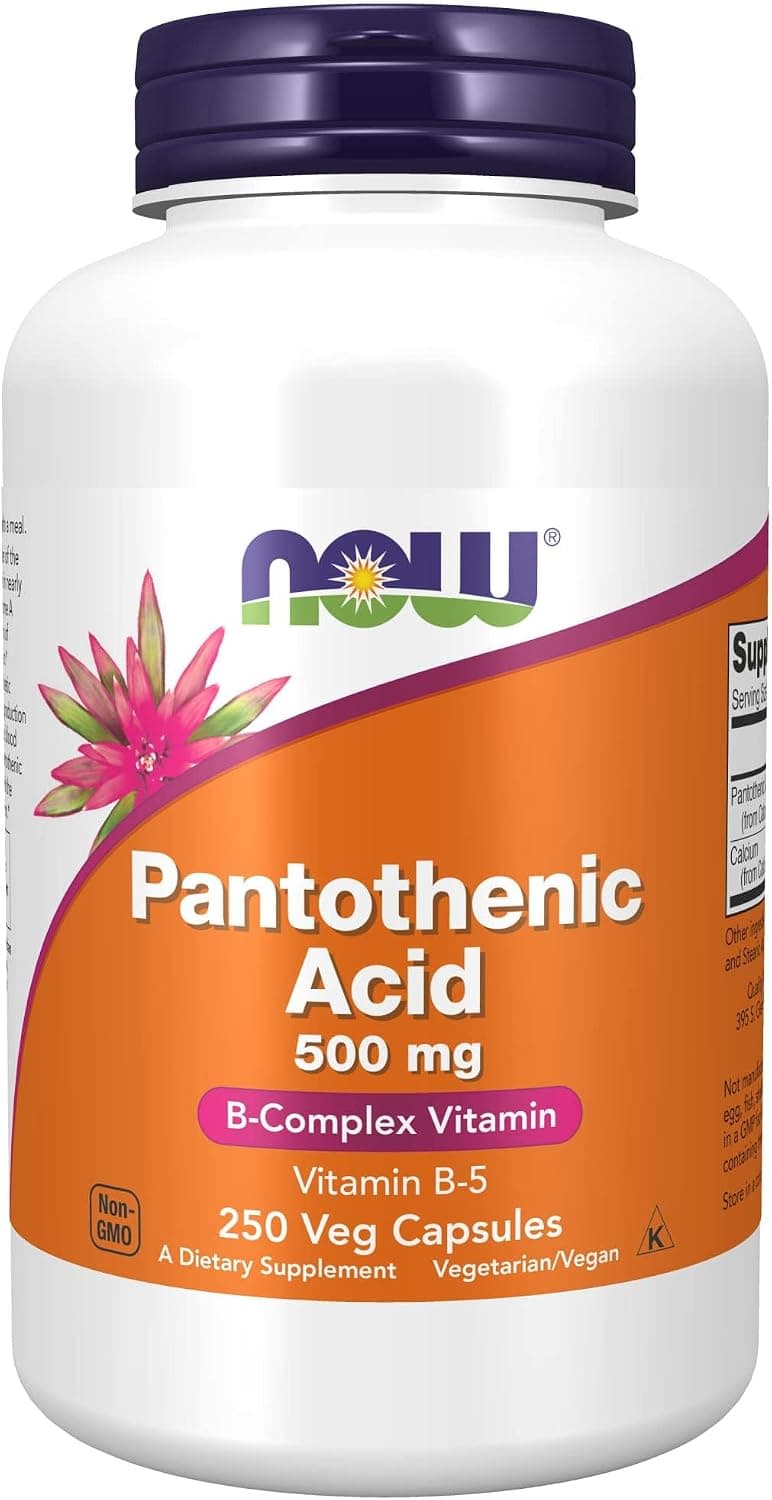
Pantothenic Acid
Reviews
My notesprivate to this device
Adverse effects
- Dietary deficiency is very rare because it is so widespread in food
- Very high oral intake may occasionally cause mild digestive upset