
spec sheet12 rows
Cyanocobalamin is a manufactured form of vitamin B12, an essential cobalt-containing nutrient, and is widely used to treat and prevent B12 deficiency along with the anemia and neurological problems it can cause. Because it is the most stable and easily purified cobalamin, it is the form most often added to supplements, fortified foods, and injectable and oral medicines. In the body it is not directly active; cells must strip off its cyanide group and convert it into the working forms methylcobalamin and adenosylcobalamin.
- Treats and prevents B12 deficiency, the classic fix
- Corrects the anemia, fatigue and nerve symptoms reliably
- The most stable, easily purified form of vitamin B12
- Very hard to overdo, with a wide safety cushion
- Cheap enough that topping up costs almost nothing
- Converts into methylcobalamin and adenosylcobalamin inside cells
- Mild diarrhea, nausea, or upset stomach possible
- Rare allergic reactions, including anaphylaxis
Overview
Cyanocobalamin is a synthetic member of the vitamin B12 family, a group of large cobalt-containing molecules known as cobalamins [1]. Its structure centers on a corrin ring, a nitrogen-rich framework surrounding a single cobalt atom, with a cyanide group occupying one of the cobalt's binding positions; that cyanide ligand is what distinguishes cyanocobalamin from related forms such as hydroxocobalamin, methylcobalamin, and adenosylcobalamin [1]. The cyanide is attached during manufacturing because it makes the molecule unusually stable in air and easy to purify [1].
Vitamin B12 itself is produced in nature only by certain bacteria and archaea, and cyanocobalamin is obtained industrially by bacterial fermentation followed by purification [1]. It was among the first B12 forms to be manufactured, in the mid-twentieth century, and it became the standard pharmaceutical form largely because of its stability [1]. Commercial supply comes from a small number of large producers, and the compound is inexpensive and mass-produced [1].
Cyanocobalamin is used to correct or prevent vitamin B12 deficiency, which can arise from inadequate dietary intake, as in vegan or vegetarian diets, or from impaired absorption, as in pernicious anemia, after stomach or bowel surgery, or with certain intestinal conditions [3]. Deficiency can cause megaloblastic anemia and, if prolonged, nerve damage; in infants of deficient mothers it can lead to serious developmental problems, and early treatment usually corrects the metabolic abnormalities rapidly [3]. It is given by mouth, by intramuscular injection, or as a nasal spray, depending on the cause and severity of the deficiency [1].
While cyanocobalamin is clearly effective for genuine deficiency, its value as a general supplement in people who are not deficient is limited. A systematic review and meta-analysis found that B12 supplementation did not improve cognitive function or depressive symptoms in patients without advanced neurological disease or overt deficiency [4]. Some clinicians prefer hydroxocobalamin, which is retained slightly better, and the choice among the various B12 forms remains a subject of ongoing discussion [1].
Cyanocobalamin is a widely available generic vitamin, sold both over the counter and by prescription and included in many multivitamins and fortified foods [1]. It is regulated as both a nutrient and a medicine and ranks among the more commonly prescribed drugs in some countries [1]. Notably, exposure to nitrous oxide can functionally inactivate the body's B12 and bring on deficiency even when intake appears adequate [2].
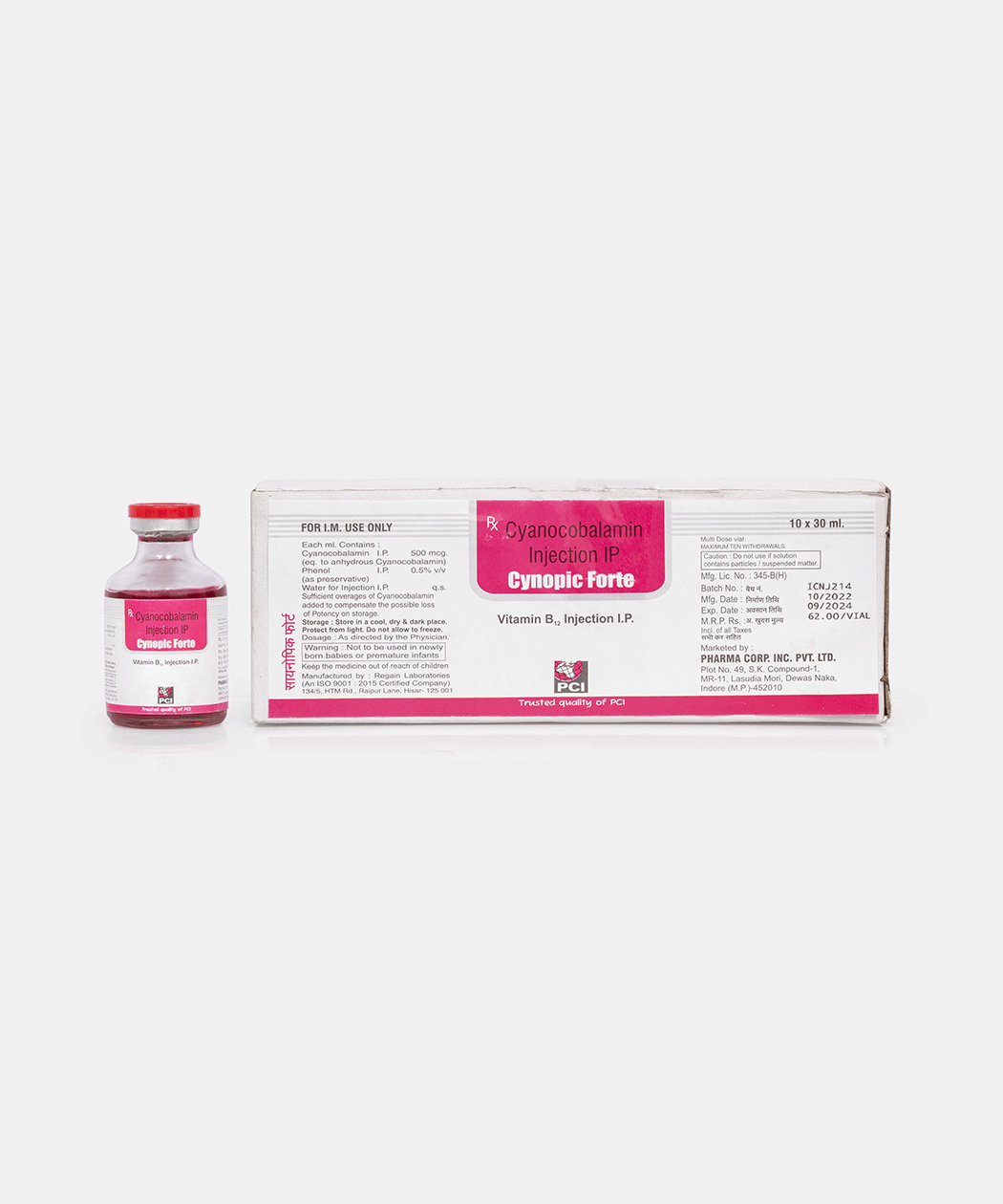
- Working out the structure of vitamin B12 by X-ray crystallography helped earn Dorothy Hodgkin the 1964 Nobel Prize in Chemistry.
- Cyanocobalamin is technically a prodrug with no enzymatic activity of its own; cells must remove its cyanide group and convert it into methylcobalamin and adenosylcobalamin.
- Nitrous oxide, the dental anesthetic, can inactivate B12 by oxidizing its cobalt atom, producing a functional deficiency even when body stores look normal.
Mechanism
Cyanocobalamin acts as a form of vitamin B12: it has no direct enzymatic activity of its own and must first be processed inside cells [1]. After absorption, which normally depends on the stomach protein intrinsic factor along with specific intestinal and cellular receptors, the cyanide group is removed in a step catalyzed by the MMACHC gene product, and the freed cyanide is converted to thiocyanate and excreted [1]. The resulting cobalamin is then converted into the two biologically active coenzymes, methylcobalamin and adenosylcobalamin [1].
Methylcobalamin serves as a cofactor for methionine synthase, the enzyme that regenerates methionine from homocysteine and supports DNA synthesis and methylation, while adenosylcobalamin is required by methylmalonyl-CoA mutase in the mitochondria for the breakdown of certain fatty acids and amino acids [1]. When these reactions fail, homocysteine and methylmalonic acid build up, which is why their blood levels are used as markers of deficiency [3]. Nitrous oxide interferes with this system by oxidizing the cobalt atom and inactivating methionine synthase, producing a functional B12 deficiency despite normal stores [2].
receptor fingerprint
Methionine synthaseactivates
Methylmalonyl-CoA mutaseactivates
Red blood cell maturationactivates
and nerve functionmodulates
Homocysteine levelsreduces
Dosingtypical ranges, not medical advice
interested in protocols and clinical dosages? make an account to see them! ^_^
Safetyrisks and cautions, not medical advice
Cyanocobalamin is very safe and hard to overdose on because the body excretes what it does not need. Injections can sting and occasionally cause mild diarrhea, itching, or a passing rash. Rarely, correcting a severe deficiency quickly can drop potassium levels, so labs are watched in that setting. People with Leber's hereditary optic neuropathy should avoid cyanocobalamin specifically. It is worth confirming true deficiency before long-term use, and remembering that high-dose folic acid can hide a B12 deficiency while nerve damage quietly progresses.
Interactionsdocumented pairs only, not exhaustive
Most B12 interactions are absorption problems rather than metabolic ones. Metformin interferes with the calcium dependent ileal uptake of the intrinsic factor and B12 complex, and long term users show measurably lower levels. Proton pump inhibitors and H2 blockers reduce the gastric acid needed to release B12 from food protein, an effect that grows over years of use. Colchicine and prolonged neomycin damage the ileal absorptive surface in much the same way.
Nitrous oxide is different and far faster. It oxidizes the cobalt atom in cobalamin and inactivates methionine synthase directly, which can precipitate megaloblastic anemia or subacute combined degeneration of the spinal cord in someone whose stores were already marginal. Serum B12 looks normal afterwards because the assay cannot tell active cobalamin from oxidized.
Chloramphenicol blunts the marrow response to B12 replacement. Folic acid given alone is the classic trap: it corrects the anemia while the neurological damage of B12 deficiency continues unnoticed.
Checking a whole stack? Run it through interactions + stacks.
History
The story of cyanocobalamin is inseparable from the conquest of pernicious anemia, once a fatal disease. In the 1920s George Whipple, George Minot, and William Murphy showed that feeding patients large amounts of liver could reverse the anemia, work that earned them the 1934 Nobel Prize in Physiology or Medicine. The active nutrient itself, vitamin B12, was finally isolated in crystalline form in 1948 independently by Karl Folkers at Merck in the United States and Lester Smith at Glaxo in Britain, with cyanocobalamin being the stable, cyanide-containing form that crystallized most readily.
In 1956 the chemist Dorothy Hodgkin used X-ray crystallography to determine its intricate cobalt-centered structure, a feat contributing to her own Nobel Prize, and Robert Woodward's team completed its landmark total synthesis in 1972. Because it is the most stable and easily purified cobalamin, cyanocobalamin became the standard form added to supplements, fortified foods, and injectable and oral medicines worldwide.
Reputation
Cyanocobalamin is a workhorse of modern medicine, trusted for decades to treat and prevent B12 deficiency and the anemia and neurological damage it causes, and it appears on essential-medicine lists for good reason. Clinicians favor it for its exceptional shelf stability, low cost, and reliability, whether given as an inexpensive oral supplement or as an injection that bypasses gut absorption problems.
A frequent point of discussion is that cyanocobalamin is a prodrug: cells must strip off its cyanide group and convert it to the active forms methylcobalamin and adenosylcobalamin, which leads some users to prefer those pre-activated forms. In practice the tiny amount of cyanide released is harmless for nearly everyone, and the body handles the conversion easily; the main real-world nuance is that people with certain rare metabolic or kidney conditions may benefit from alternative forms. For the vast majority, it is a safe, effective, and remarkably well-characterized nutrient.
Subjective profileweighing the evidence above
The cheap, stable B12 that does the job; where deficiency is confirmed it corrects the anemia, fatigue and nerve symptoms reliably and is very hard to overdo. Confirm the deficiency first, though, since topping up B12 you already have plenty of buys nothing.
Where to buy

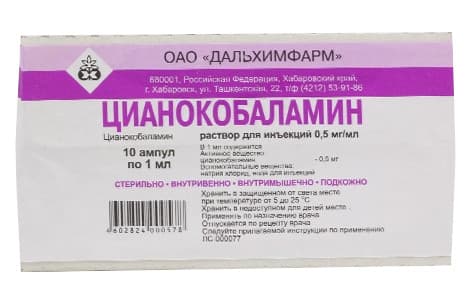

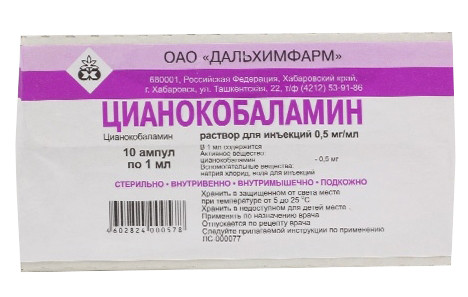
Suppliers
Vendors carrying Cyanocobalamin, with live product details and codes. Links are affiliate links that support the wiki at no cost to you.
PCT.Zone
Cyanocobalamin
RUPharma🌐
Cyanocobalamin
Kimera Chems
Cyanocobalamin
Research
- 2010first citedAdvances in the understanding of cobalamin assimilation and metabolism
- 2021most recentEffects of Vitamin B12 Supplementation on Cognitive Function, Depressive Symptoms, and Fatigue:…
- 1.Advances in the understanding of cobalamin assimilation and metabolism
- 2.Effects of Vitamin B12 Supplementation on Cognitive Function, Depressive Symptoms, and Fatigue: A Systematic Review, Meta-Analysis, and Meta-Regression
- 3.Vitamin B12 deficiency: case report and review of literature
- 4.Whippits, nitrous oxide and the dangers of legal highs
4 listed here; entry last updated August 2026
Reviews
My notesprivate to this device
FAQ
Do I need injections or will pills do?
If the gut absorbs B12 normally, high-dose tablets work well; injections are used when absorption is the problem, as in pernicious anemia or after gut surgery.
Can I take too much?
It is very hard to overdose; the body simply passes extra B12 in the urine, which is why it has such a wide safety margin.
Who is most likely to be low?
Strict vegans, older adults, people on long-term metformin or acid-reducers, and anyone with pernicious anemia or gut absorption problems.
How fast will I feel better?
Blood counts improve over weeks; energy can lift sooner, but nerve symptoms recover slowly and only if treated early.
Does folic acid replace B12?
No; folic acid can fix the anemia but hide an ongoing B12 problem while nerve damage progresses, so the two are not interchangeable.
Adverse effects
- Mild diarrhea, nausea, or upset stomach possible
- Rare allergic reactions, including anaphylaxis
Notes and cautions
- Generally well tolerated
- Injection-site reactions with intramuscular use
- Caution with cobalt allergy or Leber's hereditary optic neuropathy