
spec sheet12 rows
Sulbutiamine is a synthetic derivative of thiamine, or vitamin B1, formed by joining two modified thiamine molecules into a fat-soluble disulfide. This lipophilic structure lets it cross the blood-brain barrier and raise thiamine levels in the brain more readily than thiamine itself, which distinguishes it from benfotiamine, a related derivative that raises thiamine chiefly in peripheral tissues. Developed in Japan and marketed under names such as Arcalion, it is used to treat asthenia, a state of persistent weakness and fatigue, and is also taken off-label as a nootropic; more recent work implicates its disulfide group in cellular thiol-redox regulation.
- a B1 that actually crosses into the brain
- aimed straight at mental fatigue and low drive
- on pharmacy shelves as Arcalion since the 1970s
- lipophilic disulfide design; benfotiamine cannot do this
- reported lift in motivation and mental drive
- cheap, easy to cycle, best kept occasional
- headache
- mild gastrointestinal upset, especially at higher amounts
- a case report describes compulsive, escalating misuse
Overview
Sulbutiamine is a man-made compound built from vitamin B1. Chemically it consists of two thiamine units linked together and modified to make the molecule fat-soluble rather than water-soluble [1]. This lipophilic character is its defining feature: unlike ordinary thiamine, sulbutiamine readily crosses the blood-brain barrier and, once inside the brain, is converted back into thiamine and its phosphate esters, raising their concentrations in nervous tissue [1][3].
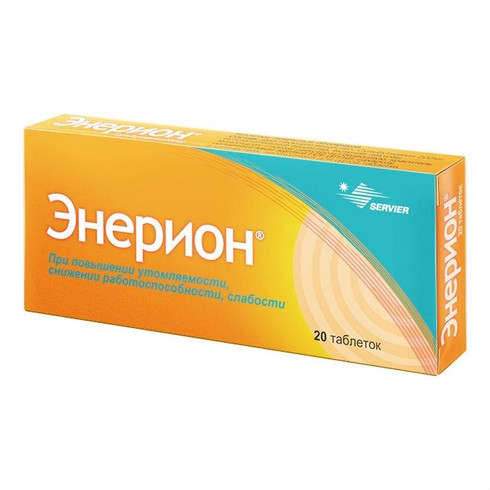
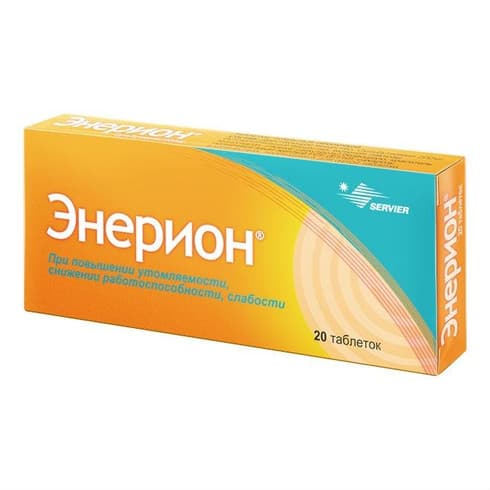
The compound was developed in Japan during efforts to create thiamine derivatives with better absorption, and it was later marketed in France by the drug company Servier under the brand name Arcalion, with other names such as Enerion used elsewhere [1]. Its recognized medical use is the treatment of asthenia, a common complaint of persistent tiredness and lack of energy that often has a functional or psychological basis rather than a clear physical cause [1]. In some countries it is also used in the context of thiamine deficiency and low mood.
Research on sulbutiamine spans animal and human studies. In rodents, chronic treatment has improved performance on memory tasks and countered certain drug-induced memory deficits, hinting at effects on learning and recall [2]. A small clinical study reported that it reduced fatigue in people with multiple sclerosis, particularly those already on disease-modifying therapy, and it was well tolerated [3]. On the strength of such findings and user reports of improved focus, mood, and motivation, sulbutiamine has become a popular nootropic sold as a supplement, although rigorous evidence for cognitive enhancement in healthy people is limited.
Regulatory status varies widely: in some countries sulbutiamine is a prescription or pharmacy medicine for asthenia, while in many others it is sold freely as a dietary supplement or over the internet [4]. It is generally well tolerated, with mild headache and gastrointestinal upset the most common complaints, and some users describe tolerance or paradoxical drowsiness with continued use. A published case report describes a person with bipolar disorder who developed a pattern of escalating, compulsive use, prompting a caution that even an over-the-counter thiamine derivative can be misused [4].
Mechanism
Sulbutiamine's core action is to deliver more thiamine to the brain than the vitamin can reach on its own. Because it is fat-soluble, it passes the efficiently and is then reduced back to thiamine, increasing brain levels of thiamine and its active phosphate esters [1][3]. Beyond simply topping up the vitamin, it appears to modulate several neurotransmitter systems; studies have linked it to effects on cholinergic, dopaminergic, and signaling, and its improvement of memory in animals has been associated with actions at N-methyl-D-aspartate receptors [2]. Laboratory work also suggests it can raise cellular antioxidant defenses and protect nerve cells from stress-induced death, though how much these effects contribute in humans is not established [5].
⚠️ THE HONEST ONE-LINE MECHANISM IS A DELIVERY MECHANISM, NOT A PHARMACODYNAMIC ONE. Thiamine enters cells on a high-affinity saturable carrier with a Michaelis constant of about 40 nanomolar, which caps how much can get in. Sulbutiamine, two thiamine molecules joined by a disulfide with both hydroxyls esterified, is unsaturable: it diffuses in passively, at an initial rate about twenty times faster than thiamine, and is then hydrolysed and reduced back to free thiamine inside the cell [28]. The result is net concentrative thiamine accumulation. That is what the molecule does; almost everything else follows from it.
The disulfide is reduced by the thioredoxin and glutathione systems, and the resulting thiol is probably the active species. Sulbutiamine also raises nuclear Nrf2 and increases the expression and activity of NQO1 and thioredoxin reductase [25].
One modern molecular target has been identified with physical engagement assays rather than docking: pyruvate dehydrogenase kinase 2. Silencing that kinase abolished the compound's protection of oxygen-deprived neurons, which is a proper causal test [27]. No binding constant has been published for it.
The one hard inhibition figure in the whole literature is against a parasite enzyme: about 2.5 micromolar for half-inactivation of a microsporidian triosephosphate isomerase, and importantly it does not significantly affect the human version [29].
⚠️ THE CLAIM IN CIRCULATION IS INVERTED. Quantitative autoradiography after systemic dosing in rats found NO change in or binding sites, a DECREASE in kainate sites, an INCREASE in receptor density in prefrontal and cingulate , no change in , and acutely a DECREASE in prefrontal dopamine and in DOPAC in both regions [19]. A rise in receptor density is what happens downstream of reduced dopaminergic tone, not from more of it. These are also receptor DENSITY changes following systemic dosing, not binding, and none of them means sulbutiamine binds a receptor.
⚠️ AND BENFOTIAMINE'S EVIDENCE DOES NOT TRANSFER IN EITHER DIRECTION. Benfotiamine given orally to mice raised thiamine in blood and liver but produced no significant increase in the brain, even after fourteen days; sulbutiamine does raise brain thiamine derivatives [24]. So benfotiamine's diabetic-complication data cannot be cited for sulbutiamine, and sulbutiamine's brain penetration cannot be cited for benfotiamine. writing routinely does both. The counter-check matters too: in one neuroprotection assay benfotiamine, sulbutiamine and plain thiamine all worked, with protection tracking intracellular thiamine, and sulbutiamine did nothing plain thiamine could not do at a higher concentration [30].
receptor fingerprint
Thiamine transporter bypassBypasses
Pyruvate dehydrogenase kinase 2 (PDK2)Inhibitor
Triosephosphate isomerase (microsporidian)Inhibitor
Thioredoxin and glutathione systemsSubstrate
Prefrontal Reducer
Evidencehow good the literature is
Moderate evidence
⚠️ THE FLAGSHIP INDICATION FAILED ITS LARGEST TRIAL, and that belongs at the top of any honest summary. A 326-person randomised double-blind trial of 400 and 600 milligrams daily against placebo in chronic post-infectious fatigue found overall no significant difference between groups on its validated fatigue inventory; the only signal was in women at 600 milligrams on day 7, with no persistent effect by day 28 [21]. A separate 8-week randomised placebo-controlled trial in major depression concluded plainly that sulbutiamine has no antidepressant effect [14].
⚠️ The figure most often quoted in its favour, 1,772 patients with about half showing complete resolution of fatigue, comes from a study its own authors describe as prospective, uncontrolled, non-randomised, commercial and observational [22]. That design cannot support a causal claim.
The remaining clinical record has the same shape: an open-label uncontrolled study in multiple sclerosis fatigue where the 13 patients improving were all on disease-modifying therapy and the 5 who were not improved in none; an open randomised trial in diabetic neuropathy where nerve conduction improved significantly but symptom and sign scores did not differ between groups; and a large recent paediatric trial with no placebo arm.
⚠️ There is exactly one registered sulbutiamine trial in the entire clinical-trials registry, for a compound marketed since the 1970s across dozens of countries.
⚠️ And there is no human pharmacokinetic study at all. No half-life, peak concentration, bioavailability or clearance has been published. Two papers that appear in searches are about plain thiamine disulfide, a different compound, and must not be cited as sulbutiamine pharmacokinetics.
Dosingtypical ranges, not medical advice
interested in protocols and clinical dosages? make an account to see them! ^_^
Safetyrisks and cautions, not medical advice
It is well tolerated and sold over the counter in several countries. Mild sides can include headache, nausea, or feeling wired and agitated, especially at higher amounts. There are scattered reports of tolerance and, rarely, people using it compulsively, so cycling and moderation are sensible. Nothing serious in healthy people, but as with any B1 derivative, more is not automatically better.
⚠️ Two signals deserve more weight than the usual "well tolerated" summary. There is a published case of addiction to sulbutiamine, in which escalating consumption and missed appointments compromised the treatment of a patient's bipolar disorder; the case is indexed under substance-related disorders [4]. And the compound has an objectively recorded stimulant-like action on the brain: in monkeys given 300 milligrams per kilogram daily for ten days, fast electroencephalographic rhythms increased in both waking and slow sleep, waking increased across the whole day and stage-2 sleep fell sharply, with onset around day 5 and resolution two to five days after stopping [20].
It also appears in sport. Around 100 of roughly 16,000 samples at one anti-doping laboratory in a single year contained sulbutiamine, mostly in competition and at concentrations above 500 nanograms per millilitre, which the authors read as deliberate use for stimulant effect [6]. ⚠️ An analytical hazard worth recording: one of its metabolites shares a retention time and a characteristic ion with the main boldenone metabolite, so it can confound anabolic-steroid screening.
It has also been found as an undeclared ingredient in commercial brain-health supplements.
History
Sulbutiamine is a synthetic derivative of thiamine (vitamin B1), consisting of two modified thiamine molecules joined by a disulfide bond. It was developed in Japan during the mid twentieth century as part of an effort to create lipophilic, more readily absorbed analogues of thiamine, a family of compounds known as allithiamines that were inspired by the naturally occurring fat-soluble thiamine derivatives found in garlic. Because its lipophilic structure allows it to cross the blood-brain barrier more effectively than thiamine itself, sulbutiamine was investigated for the treatment of asthenia, or functional fatigue, and it has been marketed for this indication, notably in France under the trade name Arcalion and elsewhere under names such as Enerion. Over time it also attracted attention as a nootropic used for fatigue, mood, and cognitive support.
Reputation
Sulbutiamine is well regarded within the nootropic community as a gentle, energizing compound valued for reducing fatigue and providing a mild lift in mood, motivation, and mental clarity. Its most consistent clinical support is in the treatment of asthenia, and users frequently describe subtle benefits to drive and well-being rather than dramatic stimulation. Commentators commonly note that its effects can diminish with continuous daily use and that some individuals develop tolerance, leading many to cycle it. While generally considered safe and well tolerated at typical doses, there are anecdotal reports of tolerance and, less commonly, of mood or dependence-like patterns with heavy use. Overall it is seen as a modest but pleasant and relatively low-risk supplement with a plausible mechanism, best suited to intermittent use for fatigue and motivation.
Subjective profileweighing the evidence above
Genuinely good for mental fatigue and worth trying if that is the actual complaint, since it reaches the brain in a way plain thiamine does not. Keep it occasional rather than daily: the anti-fatigue effect fades with continued use, and there is a case report of compulsive, escalating misuse.
Where to buy
Suppliers
Vendors carrying Sulbutiamine, with live product details and codes. Links are affiliate links that support the wiki at no cost to you.
RUPharma🌐
Sulbutiamine
Research
- 1982first cited[Facilitation of a state of wakefulness by semi-chronic treatment with sulbutiamin (Arcalion) i…
- 2002controlled trialEffects of sulbutiamine on diabetic polyneuropathy: an open randomised controlled study in type…
- 2026most recentComparative evaluation of sulbutiamine and imipramine in the treatment of primary nocturnal enu…
- 1.Pharmacologic and therapeutic features of sulbutiamine
- 2.Chronic treatment with sulbutiamine improves memory in an object recognition task and reduces some amnesic effects of dizocilpine in a spatial delayed-non-match-to-sample task.
- 3.Sulbutiamine shows promising results in reducing fatigue in patients with multiple sclerosis
- 4.Sulbutiamine, an 'innocent' over the counter drug, interferes with therapeutic outcome of bipolar disorder
- 5.Sulbutiamine counteracts trophic factor deprivation induced apoptotic cell death in transformed retinal ganglion cells
- 6.Sulbutiamine in sports.
- 7.Role of the Synthetic B1 Vitamin Sulbutiamine on Health.
- 8.Regulation of PKC/TLR-4/NF-kB signaling by sulbutiamine improves diabetic nephropathy in rats.
- 9.[On the specific treatment of asthenic states: focus on sulbutiamine].
- 10.Ameliorating diabetes-induced testicular dysfunction by modulating PKC/Nrf2/Bcl-2 signaling: Protective role of sulbutiamine.
- 11.Effects of sulbutiamine on diabetic polyneuropathy: an open randomised controlled study in type 2 diabetics.
- 12.Sulphur antioxidants inhibit oxidative stress induced retinal ganglion cell death by scavenging reactive oxygen species but influence nuclear factor (erythroid-derived 2)-like 2 signalling pathway differently.
30 listed here; entry last updated August 2026
Reviews
My notesprivate to this device
FAQ
What is Sulbutiamine used for?
Fatigue, low motivation, and memory; in France it is used for that run-down, worn-out feeling (asthenia).
How does Sulbutiamine work?
It is a fat-soluble thiamine that crosses into the brain and raises thiamine levels, fueling cellular energy; it also nudges dopamine and acetylcholine.
Is Sulbutiamine well-researched?
There is moderate clinical work, mostly on fatigue; it is sold over the counter in several countries.
What are the main side effects?
Usually mild (headache, nausea, feeling wired); it can lose its punch with daily use, so people cycle it.
Limitations of the evidence
- The largest properly controlled trial in its flagship indication, chronic fatigue, was negative, and a separate trial concluded it has no antidepressant effect
- The 1,772-patient figure quoted in its favour comes from an uncontrolled commercial observational study
- The claim that it raises dopamine is inverted; acute dosing decreased prefrontal dopamine and DOPAC, and the D1 rise follows reduced tone
- No human pharmacokinetic study exists; no half-life, peak concentration or bioavailability has ever been published
- Benfotiamine's evidence does not transfer to it and its own brain data does not transfer to benfotiamine, though nootropic writing routinely does both
- Exactly one sulbutiamine trial is registered anywhere, for a drug marketed since the 1970s
Adverse effects
- headache
- mild gastrointestinal upset, especially at higher amounts
- a case report describes compulsive, escalating misuse