
spec sheet9 rows
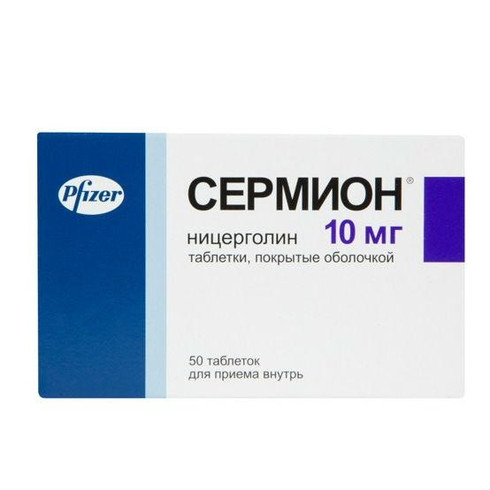
nicergoline (sermion) is a semisynthetic ergoline nootropic-vasodilator; a potent alpha-1 blocker that also boosts cholinergic/neurotrophic tone, with modest but real cochrane-backed benefit in age-related and vascular cognitive decline, tempered by ergot-class fibrosis risk on long timelines.
- one of very few nootropics with Cochrane-level support
- placebo-controlled gains in cognition and behaviour by two months
- raises cerebral blood flow via potent alpha-1 blockade
- preserves cholinergic neurons and lifts NGF and BDNF in animals
- an objective EEG signal, not just subjective rating scales
- sold in over fifty countries since the 1970s
Mechanism
nicergoline is one of the more genuinely multi-target 'brain drugs' in the ergoline family, which is exactly why it resists a tidy one-line mechanism. structurally it's a hydrogenated ergoline core esterified with 5-bromonicotinic acid; that ester is cleaved after absorption to release the active ergoline metabolites (chiefly MMDL and the longer-lived MDL), so a lot of the drug's activity is really its metabolites at work. the best-defined action is potent, relatively selective antagonism at alpha-1 adrenoceptors (alpha-1A/1B). blocking alpha-1 relaxes vascular smooth muscle, dilates cerebral and peripheral vessels and raises blood flow, which is the property it was first marketed on in the early 1970s. but the reason it got a second life as a is the set of non-vascular actions layered on top. it enhances cholinergic and catecholaminergic neurotransmission; in aged rats, months of nicergoline preserved acetyltransferase expression and raised nerve growth factor and in the basal forebrain, protecting cholinergic neurons from experimentally induced degeneration (giardino et al 2002, doi 10.1016/s0306-4522(01)00470-5). that neurotrophic angle, plus antioxidant/anti-lipid-peroxidation effects, is the current best explanation for why a 'circulation drug' shows cognitive benefit. it also inhibits platelet aggregation, improves neuronal glucose and oxygen utilisation, and, being an ergoline, has promiscuous low-to-moderate affinity for (/2A) and () receptors that contributes to mood and vascular effects. the clinical upshot, summarised by winblad et al (doi 10.2165/00044011-200828090-00001) and quantified by the cochrane meta-analysis (fioravanti & flicker, doi 10.1002/14651858.CD003159), is a modest, reproducible improvement in cognition, behaviour and clinical global impression across mixed dementia populations, emerging by about two months at 60 mg/day. the honest framing: the mechanism is rich and plausible, the human effect size is real but small, the trials are old and pre-date modern diagnostic and comparator standards, and the whole thing carries the ergot-class liability of fibrosis with chronic use.
receptor fingerprint
Alpha-1A adrenoceptorantagonist
Alpha-1B adrenoceptorantagonist
/ receptorspartial agonist / antagonist (ergoline scaffold)
+ (neurotrophins)upregulates in basal forebrain (preclinical)
acetyltransferase (cholinergic tone)preserves/enhances
Platelet aggregationinhibits
Alpha-2 adrenoceptorweak antagonist
receptorweak partial agonist (ergoline)
/ lipid peroxidationreduces (antioxidant)
Dosingtypical ranges, not medical advice
interested in protocols and clinical dosages? make an account to see them! ^_^
Safetyrisks and cautions, not medical advice
Nicergoline is an ergot-derived alpha-blocker whose common adverse effects are gastrointestinal upset (nausea, indigestion, diarrhea) plus dizziness, headache and flushing driven by its vasodilatory action; these are usually mild. It is contraindicated in people with recent acute bleeding, recent myocardial infarction, or significant bradycardia, and caution is warranted alongside antihypertensives or alpha/beta agonists because of additive blood-pressure and heart-rate effects.
As an ergot compound it carries the class concern for fibrotic reactions with prolonged high-dose use, and in 2013 the European Medicines Agency restricted ergot derivatives including nicergoline for cognitive and circulatory indications, judging the fibrosis and ergotism risks to outweigh benefits there. Rare hypersensitivity reactions (rash, swelling, breathing difficulty) warrant stopping the drug. Postural hypotension means care on standing, especially in older users.
Subjective profileweighing the evidence above
One of the few nootropics with Cochrane-level support, modest but genuine in age-related and vascular cognitive decline. The ergot lineage is the catch: fibrotic reactions with prolonged high-dose use are a real class risk, and European regulators restricted the family for cognitive uses in 2013.
Where to buy
Suppliers
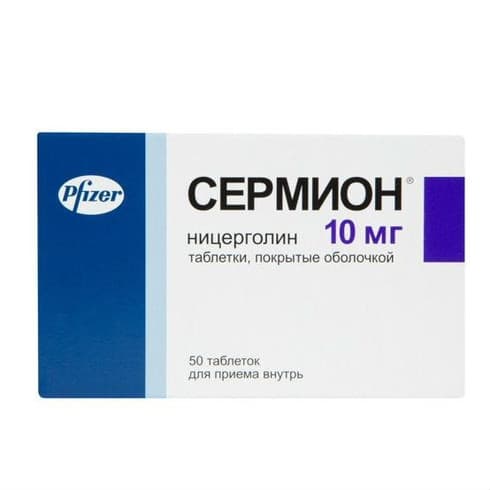
Vendors carrying Nicergoline, with live product details and codes. Links are affiliate links that support the wiki at no cost to you.
RUPharma🌐
Nicergoline
Research
- 1991first cited[Therapy of organic brain syndrome with nicergoline given once a day].
- 1997most active year3 papers
- 2008most recentTherapeutic use of nicergoline.
- 1.Efficacy of nicergoline in dementia and other age associated forms of cognitive impairment.
- 2.Therapeutic use of nicergoline.
- 3.Neuroprotection and aging of the cholinergic system: a role for the ergoline derivative nicergoline (Sermion)
- 4.A multicenter randomized double-blind study on the efficacy and safety of nicergoline in patients with multi-infarct dementia.
- 5.Relations between symptomatology and brain function in dementias: double-blind, placebo-controlled clinical and EEG/ERP mapping studies with nicergoline
- 6.Treatment of impaired cognition with nootropic drugs: nicergoline versus the state of the art
- 7.[Therapy of organic brain syndrome with nicergoline given once a day].
- 8.Pleuropulmonary changes induced by ergoline drugs
8 listed here; entry last updated August 2026
Reviews
My notesprivate to this device
FAQ
what actually is nicergoline?
it's a semisynthetic ergoline (ergot alkaloid) with a nicotinic-acid ester bolted on, sold in europe, japan and much of asia as sermion since the early 1970s. the ergoline part gives it receptor activity; the bromonicotinate ester was originally added for extra vasodilation. it was first marketed as a vasoactive drug for poor cerebral circulation, then repurposed as a general nootropic for age-related cognitive decline once its cholinergic and neurotrophic effects were noticed. according to pubmed, winblad et al 2008 lay this history out in detail (doi 10.2165/00044011-200828090-00001).
how does it work in the brain?
it's a genuine multi-mechanism drug, which is both its charm and the reason nobody can point to one clean pathway. the best-characterised action is potent alpha-1 adrenoceptor blockade, which relaxes vascular smooth muscle and raises cerebral blood flow. on top of that it enhances cholinergic and catecholaminergic transmission, inhibits platelet aggregation, nudges up brain glucose and oxygen use, and in aged rats protects cholinergic neurons by raising NGF and BDNF (giardino et al 2002, doi 10.1016/s0306-4522(01)00470-5). winblad's review folds all five angles together (doi 10.2165/00044011-200828090-00001).
does it improve cognition or is that hype?
there's real placebo-controlled evidence, but it's older and modest. the cochrane review by fioravanti and flicker pooled 14 double-blind trials and found nicergoline beat placebo on cognition, behaviour and clinical global impression (odds of improvement about 3.3x), with benefit showing by 2 months and holding to 12 (doi 10.1002/14651858.CD003159). the catch: most trials predate modern diagnostic criteria, effect sizes are small-to-moderate, and it was never tested head-to-head against modern cholinesterase inhibitors. treat it as a mild, real-but-unspectacular signal, not a miracle.
how is it different from hydergine?
both are hydrogenated/semisynthetic ergolines used for the same 'ageing brain' indication, and they perform similarly in trials (ladurner et al 1991 found 20 mg nicergoline once daily matched 4.5 mg co-dergocrine, pmid 2014712). the main mechanistic difference is that nicergoline's dominant action is potent alpha-1 blockade plus a cholinergic/neurotrophic push, while hydergine (co-dergocrine) is a mix of dihydro-ergot alkaloids leaning more on partial dopamine/serotonin and metabolic effects. in practice they're cousins solving the same problem two slightly different ways.
what dose is used?
the standard adult dose in the dementia and vascular literature is 30 mg twice daily (60 mg/day); some regimens use 30 mg once or twice, and slow-release once-daily forms exist. it's taken with or after food. this is prescription territory in the countries where it's sold, not a casual supplement dose, and self-dosing an ergot derivative long-term is where the safety issues start to matter.
is it safe?
at standard doses it's generally well tolerated; the cochrane data showed only a mildly increased rate of adverse events versus placebo (odds ratio about 1.5). typical complaints are the ergot-ish ones: nausea, hot flushes, dizziness, low blood pressure (from the alpha blockade), stomach upset and sleep changes. the serious concern is the ergot-class one; long-term ergoline use has been linked to fibrosis. pfitzenmeyer et al documented pleural thickening and effusions in patients on chronic nicergoline (doi 10.1183/09031936.96.09051013).
why did europe restrict it?
in 2013 the european medicines agency reviewed ergot-derived medicines (nicergoline, dihydroergocryptine, dihydroergocristine, co-dergocrine, dihydroergotamine and others) and recommended restricting them for indications like memory problems, peripheral circulation and vertigo, because the risk of fibrosis and ergotism outweighed the modest benefit for those uses. it's still available in many countries; it just lost the softer 'cognitive support' labelling in the eu. it was never fda-approved in the united states.
does it interact with anything?
yes, mind the vascular and metabolic overlaps. because it blocks alpha-1 and lowers blood pressure, stacking it with other antihypertensives or alpha-blockers can drop pressure too far. it inhibits platelet aggregation, so combining with anticoagulants or antiplatelet drugs raises bleeding risk. it's metabolized via CYP2D6, so strong CYP2D6 inhibitors can raise levels. and as an ergot derivative it should not be combined with other ergot alkaloids or with potent vasoconstrictors.
would sean stack it?
honestly it's a niche pick. it's a real drug with a real (if dated and modest) evidence base for vascular-flavoured cognitive decline in older people, not a young, healthy-brain enhancer. if you're chasing cholinergic support there are cleaner tools; if you're chasing cerebral blood flow the evidence here is better than most 'circulation' supplements but comes with genuine ergot fibrosis risk on long timelines. it's a 'know exactly why you're taking it, and don't take it forever' compound.
how fast does it work?
the vascular and neurophysiological effects (eeg/erp changes, blood-flow shifts) show up within weeks; saletu's eeg/erp mapping work found measurable brain-function changes early in treatment (doi 10.1159/000106666). the clinical cognitive/behavioural signal in the trials typically becomes visible around 2 months and is maintained out to 6-12 months. it is not an acute, feel-it-today stimulant.