
spec sheet13 rows
Tamsulosin is a medication of the alpha-1 adrenergic receptor antagonist class, commonly called an alpha blocker, sold under brand names such as Flomax. It is used mainly to ease the urinary symptoms of an enlarged prostate and to help small stones pass through the ureter. It works by relaxing smooth muscle in the prostate, bladder neck, and urinary tract rather than by shrinking the prostate.
- Eases a weak, hesitant stream within days
- Better flow and less straining from an enlarged prostate
- Fewer night trips to the bathroom
- Cuts urgency and frequency day to day
- Relaxes smooth muscle in the prostate and bladder neck
- Helps small stones pass through the ureter
- Dizziness or lightheadedness
- Abnormal or reduced ejaculation
- Headache and a runny or stuffy nose
Overview
Tamsulosin is a selective alpha-1 adrenergic receptor antagonist, a drug that relaxes certain smooth muscle by blocking a subtype of adrenaline receptor [2]. It is relatively selective for the alpha-1A receptors that predominate in the prostate and bladder neck, which sets it apart from older, less selective alpha blockers used chiefly for blood pressure [3]. It was introduced in the 1990s and is widely dispensed under the brand name Flomax and as generics [3].
Its leading use is the treatment of benign prostatic hyperplasia, the common age-related enlargement of the prostate, where it relieves obstructive and irritative urinary symptoms without reducing the gland's size; long-term studies have examined it both alone and combined with the prostate-shrinking drug dutasteride [2]. Tamsulosin is also given as medical expulsive therapy to help ureteral stones pass, and a systematic review found it particularly beneficial for larger stones while offering little advantage for the smallest ones, which usually pass on their own [1]. It has additionally been used to improve the chance of successful urination after an episode of acute urinary retention [2].
Because it relaxes vascular as well as urinary smooth muscle, tamsulosin can lower blood pressure, and analyses of large patient populations have linked the start or restart of treatment with a short-term increase in the risk of a significant drop in blood pressure, the so-called first-dose effect [3]. Other recognized effects include abnormal or absent ejaculation and a complication during cataract surgery known as floppy iris syndrome [3]. It is a prescription-only medicine in many countries, though it has been sold without prescription in some, and generic versions are widely used [3].
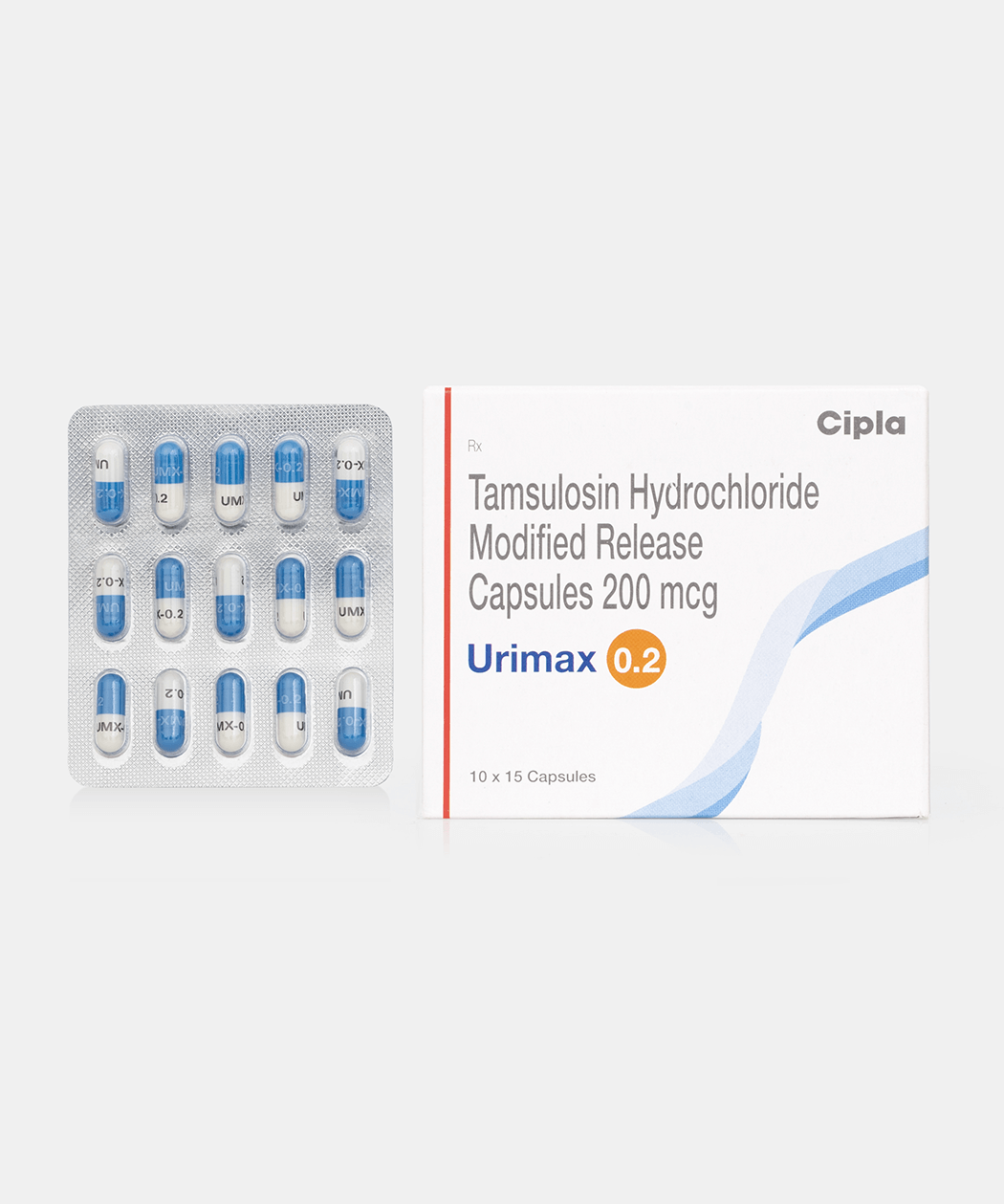
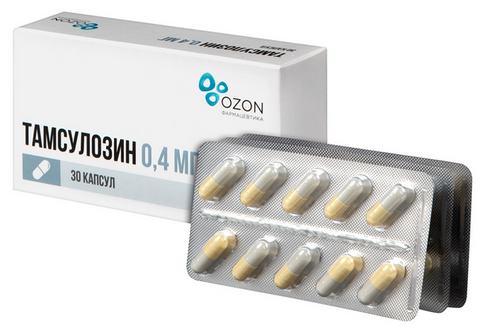
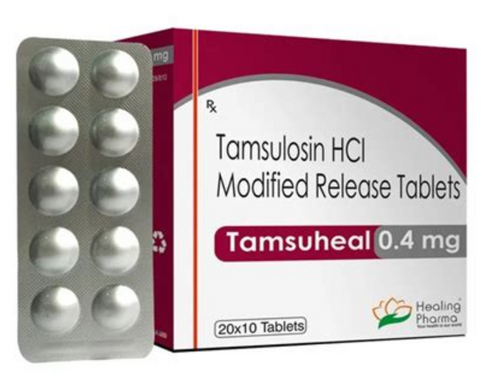
- Tamsulosin was engineered to be uroselective, homing in on the alpha-1A receptors of the prostate so it can relax the outflow channel with less of the blood-pressure drop caused by older alpha blockers.
- Its use in helping kidney stones pass, long a textbook practice, has been sharply re-examined; large modern reviews find the real-world benefit is far more modest than earlier studies suggested.
Mechanism
Tamsulosin blocks alpha-1 receptors, the sites through which the nerve chemical noradrenaline causes smooth muscle to contract [2]. In benign prostatic hyperplasia, much of the difficulty in passing urine comes not only from the enlarged gland but from tension in the smooth muscle of the prostate, the capsule around it, and the neck of the bladder; by blocking the alpha-1A receptors concentrated in these tissues, the drug relaxes that muscle and lowers the resistance to urine flow [2][3].
It does not shrink the prostate or alter its growth, so it relieves symptoms rather than treating the underlying enlargement [2]. The same relaxation of the ureter is thought to help stones move downward and pass more readily [1]. Its relative selectivity for the alpha-1A subtype, as opposed to the alpha-1B receptors that matter more in blood vessels, is intended to focus its action on the urinary tract, although some blood-pressure-lowering effect remains and accounts for side effects such as dizziness [3].
receptor fingerprint
Alpha-1A adrenoceptorantagonist
Prostatic urethra smooth musclemodulates
Alpha-1D adrenoceptorantagonist
CYP3A4 and CYP2D6 enzymesmodulates
Alpha-1B adrenoceptorblocks
Dosingtypical ranges, not medical advice
interested in protocols and clinical dosages? make an account to see them! ^_^
Safetyrisks and cautions, not medical advice
Tamsulosin is prescription only. The most common effects are abnormal ejaculation (reduced volume or retrograde), dizziness, headache, runny or stuffy nose and, less often, a drop in blood pressure on standing. It can trigger intraoperative floppy iris syndrome, so anyone facing cataract or glaucoma surgery must tell their eye surgeon in advance. It is broken down by CYP3A4 and CYP2D6, so strong inhibitors of those enzymes can raise its levels; combining it with PDE5 inhibitors or other blood pressure medicines can add to the hypotensive effect. Rarely it has been linked to priapism.
Interactionsdocumented pairs only, not exhaustive
Tamsulosin is cleared by both CYP3A4 and CYP2D6, so inhibitors of either raise its concentration. In healthy volunteers, ketoconazole increased tamsulosin exposure 2.8 fold and paroxetine, a strong CYP2D6 inhibitor, increased it 1.6 fold. Neither change produced measurable hemodynamic effects on orthostatic testing in that study, but exposure that high is why strong CYP3A4 inhibitors are treated cautiously in poor CYP2D6 metabolizers, where both routes are compromised at once. Cimetidine raises levels more modestly by reducing clearance.
The interaction people actually notice is hemodynamic. Combining tamsulosin with a PDE5 inhibitor such as sildenafil or tadalafil, with another alpha blocker, or with an antihypertensive that is being started or titrated, can produce symptomatic hypotension and syncope. Tamsulosin is relatively uroselective, but the effect is not absent.
A separate concern is procedural rather than pharmacologic: alpha-1A blockade causes intraoperative floppy iris syndrome during cataract surgery, and the effect persists long after the drug is stopped.
Checking a whole stack? Run it through interactions + stacks.
History
Tamsulosin was developed by the Japanese pharmaceutical company Yamanouchi (later part of Astellas) and introduced in Japan in 1993, reaching the United States in 1997 under the brand name Flomax. It was designed as a uroselective alpha blocker, meaning it preferentially targets the alpha-1A receptor subtype concentrated in the prostate and bladder neck rather than the alpha-1B subtype that predominates in blood vessels, an approach intended to relieve urinary symptoms while limiting the blood-pressure effects that had limited older agents such as prazosin and terazosin.
This selectivity made it one of the first alpha blockers marketed primarily for benign prostatic hyperplasia rather than hypertension. Over the following decades it became one of the most widely prescribed drugs for enlarged prostate worldwide and was later adopted off-label as medical expulsive therapy to help small ureteral stones pass. It is now available generically in many formulations.
Reputation
Tamsulosin is regarded as a dependable first-line option for the bothersome urinary symptoms of an enlarged prostate, valued for acting quickly, often within days, without the need to shrink the gland. Its relative selectivity for the urinary tract means it tends to lower blood pressure less than earlier alpha blockers, which broadened its appeal for men who are not hypertensive. It remains a mainstay of urology practice and appears in treatment guidelines around the world, and its role in helping stones pass made it a common tool in emergency and outpatient stone care.
In candor, the evidence for stone expulsion has become more contested; recent high-quality analyses suggest the benefit for medical expulsive therapy is smaller than once believed. Patients should also be aware of side effects such as dizziness, retrograde ejaculation, and a condition called intraoperative floppy iris syndrome that surgeons must plan around before cataract surgery.
Subjective profileweighing the evidence above
Does its one job well; a weak, hesitant stream from an enlarged prostate usually eases within days, and it helps small stones pass. It does not shrink the prostate. Dizziness and changed ejaculation are common, and anyone facing cataract surgery has to tell the eye surgeon they are taking it.
Where to buy

Suppliers
Vendors carrying Tamsulosin, with live product details and codes. Links are affiliate links that support the wiki at no cost to you.
PCT.Zone
Tamsulosin
RUPharma🌐
Tamsulosin
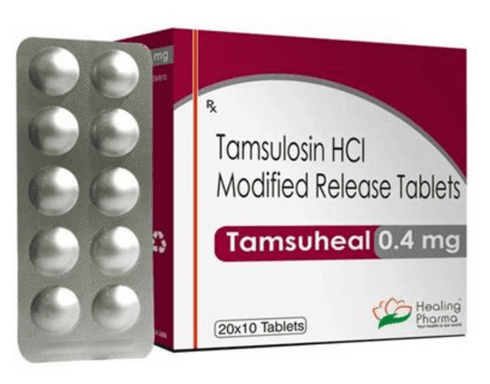
RUPharma🌐
Tamsulosin
Research
- 2008first citedThe effects of dutasteride, tamsulosin and combination therapy on lower urinary tract symptoms…
- 2017meta-analysisEffect of Tamsulosin on Stone Passage for Ureteral Stones: A Systematic Review and Meta-analysi…
- 2024most recentAlpha-blockers: the magic pill for endourology-The great delusion
- 1.Effect of Tamsulosin on Stone Passage for Ureteral Stones: A Systematic Review and Meta-analysis.
- 2.The effects of dutasteride, tamsulosin and combination therapy on lower urinary tract symptoms in men with benign prostatic hyperplasia and prostatic enlargement: 2-year results from the CombAT study.
- 3.Tamsulosin treatment for benign prostatic hyperplasia and risk of severe hypotension in men aged 40-85 years in the United States: risk window analyses using between and within patient methodology.
- 4.Efficacy and Safety of Alfuzosin as Medical Expulsive Therapy for Ureteral Stones: A Systematic Review and Meta-Analysis
- 5.Alpha-blockers: the magic pill for endourology-The great delusion
5 listed here; entry last updated August 2026
Reviews
My notesprivate to this device
FAQ
Does tamsulosin shrink the prostate?
No; it relaxes muscle to ease flow but does not reduce prostate size. A 5-alpha-reductase inhibitor like finasteride is what shrinks the gland.
Why take it after the same meal each day?
Consistent food timing keeps absorption steady and lowers the chance of a blood pressure drop.
Can it affect ejaculation?
Yes; reduced or retrograde ejaculation is common and usually reverses after stopping the drug.
Should I tell my eye surgeon I take it?
Yes; it can cause floppy iris syndrome during cataract surgery, so the surgeon needs to know beforehand.
How quickly does it work?
Many men notice better flow within a few days to about a week.
Adverse effects
- Dizziness or lightheadedness
- Abnormal or reduced ejaculation
- Headache and a runny or stuffy nose
- Drop in blood pressure on standing
- Floppy iris syndrome during cataract surgery