
spec sheet11 rows
Cilnidipine is a dihydropyridine calcium channel blocker used to treat high blood pressure. Unlike most drugs in its class, it blocks both L-type and N-type calcium channels, the latter located on sympathetic nerve endings, which lets it lower blood pressure while limiting the reflex rise in heart rate seen with some other calcium antagonists. It was approved for medical use in the mid-1990s and is marketed mainly in Japan and several other Asian countries.
- Used to treat high blood pressure
- Blocks both L-type and N-type calcium channels
- Less ankle swelling than amlodipine
- No reflex fast heartbeat to put people off
- May cut protein in the urine, easing kidney strain
- Once daily dosing, long established across Japan and Asia
- Headache
- Dizziness
- Ankle swelling, reportedly less than with some other dihydropyridines
Overview
Cilnidipine is a fourth-generation dihydropyridine calcium channel blocker. It shares the vasodilating, blood-pressure-lowering action of the wider dihydropyridine family, but it is distinguished by a dual mechanism: in addition to the L-type calcium channels that all dihydropyridines target, it also blocks N-type calcium channels found on sympathetic nerve terminals.
The compound was patented in the 1980s and approved for medical use around the middle of the 1990s, having been developed in Japan. It is sold under brand names such as Atelec and Cilacar and is licensed across several Asian markets including Japan, China, India, Korea, and Nepal; it is not approved in the United States. More recently the molecule has drawn interest for possible use in conditions such as Raynaud's phenomenon.
Its principal use is essential hypertension. Large real-world post-marketing studies support its effectiveness and tolerability: the ACHIEVE-ONE study in patients with essential hypertension reported clear reductions in both clinic and home blood pressure, with the fall in heart rate greatest in those who started with higher pulse rates [2], and the CA-ATTEND surveillance study found that cilnidipine lowered blood pressure and was well tolerated even in post-stroke hypertensive patients [1]. A smaller randomized crossover study showed that it reduced twenty-four-hour blood pressure without raising heart rate and blunted the pressor response to cold stress, consistent with its effect on the sympathetic nervous system [3]. Its N-type blockade has also prompted research into possible protective effects on the kidney.
Cilnidipine is taken by mouth, usually once daily, and is dispensed as an oral tablet on prescription. Because it dilates both arterioles and venules, it is often described as producing less ankle swelling than some conventional dihydropyridine calcium blockers.
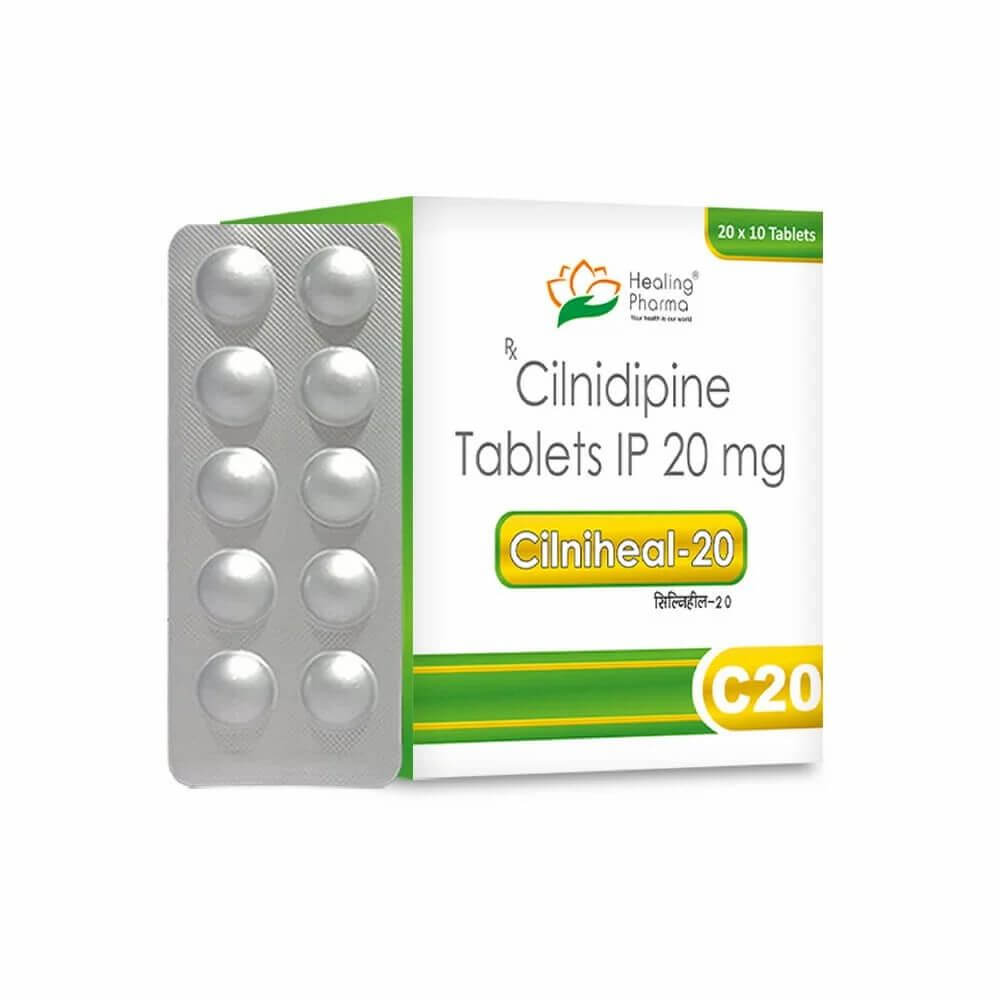
- Cilnidipine blocks two different calcium channels at once; beyond the usual L-type channels in blood vessels, it also blocks N-type channels on sympathetic nerve endings.
- By quieting sympathetic nerve signaling, it tends not to speed up the heart the way many other calcium channel blockers do, and it is associated with less ankle swelling.
Mechanism
Cilnidipine blocks voltage-gated calcium channels of two different types. Like other dihydropyridines, it inhibits L-type channels in vascular smooth muscle, reducing calcium entry, relaxing the arteriolar wall, and lowering peripheral resistance and blood pressure. Its defining feature is the additional blockade of N-type calcium channels on sympathetic nerve terminals; by restraining the calcium-dependent release of , it lowers sympathetic tone, which tends to prevent the reflex speeding of the heart that can accompany other calcium antagonists and may contribute to favorable effects on the kidney [2][3]. This combination of with dampened sympathetic activity is what sets it apart from earlier dihydropyridines [1].
receptor fingerprint
L-type calcium channel (vascular)blocks
N-type calcium channel (sympathetic nerves)blocks
Sympathetic nerve activityinhibits
Renal arteriolesmodulates
Dosingtypical ranges, not medical advice
interested in protocols and clinical dosages? make an account to see them! ^_^
Safetyrisks and cautions, not medical advice
Cilnidipine is prescription only and is generally well tolerated. Possible effects include headache, dizziness, flushing, and palpitations, though palpitations and ankle swelling are less frequent than with amlodipine because of its N-type action. Low blood pressure and lightheadedness can occur, especially when standing quickly. It is used cautiously in advanced liver disease, since the liver clears it, and in severe aortic stenosis. Stopping it suddenly is not typically dangerous the way it is with beta blockers, but blood pressure may rebound. Its levels rise with strong CYP3A4 inhibitors and grapefruit juice. Safety data in pregnancy are limited, so it is generally avoided.
History
Cilnidipine is a dihydropyridine calcium channel blocker developed in Japan and introduced to the market there in the mid-1990s, reaching medical use around 1995 under brand names such as Atelec, with Cilacar among the names used elsewhere in Asia. It was designed as a fourth-generation dihydropyridine distinguished by a dual mechanism, adding blockade of N-type calcium channels on sympathetic nerve terminals to the L-type channel blockade shared by the whole class.
This second action, restraining the calcium-dependent release of norepinephrine, was intended to lower blood pressure while dampening the reflex increase in heart rate that can accompany conventional calcium antagonists. The drug has been marketed principally in Japan, India, and several other Asian countries rather than in Western markets. Interest in its N-type activity subsequently expanded into research on its effects on the kidney and the sympathetic nervous system.
Reputation
Cilnidipine is regarded as a refined member of the dihydropyridine family, valued for combining effective blood-pressure control with a gentler impact on heart rate and a lower tendency to cause the ankle swelling common with older calcium blockers. Its defining N-type channel blockade, which curbs sympathetic nerve activity, has attracted particular attention for possible kidney-protective effects.
Clinical studies have reported that it can reduce urinary protein more effectively than the L-type-selective blocker amlodipine when added to renin-angiotensin system inhibitors in patients with chronic kidney disease, a finding that has bolstered its standing among nephrologists and hypertension specialists in the regions where it is used. Reviewers describe it as an effective and well-tolerated choice for mild to moderate essential hypertension, alone or in combination. Its evidence base, while favorable, is concentrated in Asian populations, reflecting its regional marketing.
Subjective profileweighing the evidence above
A better-designed calcium blocker than most, and the N-type action is not just theory; it is why the reflex fast heartbeat and ankle swelling that put people off amlodipine are less of an issue. It is prescription only and marketed mainly in Asia, so for most readers it is a drug to ask about rather than one to obtain.
Where to buy
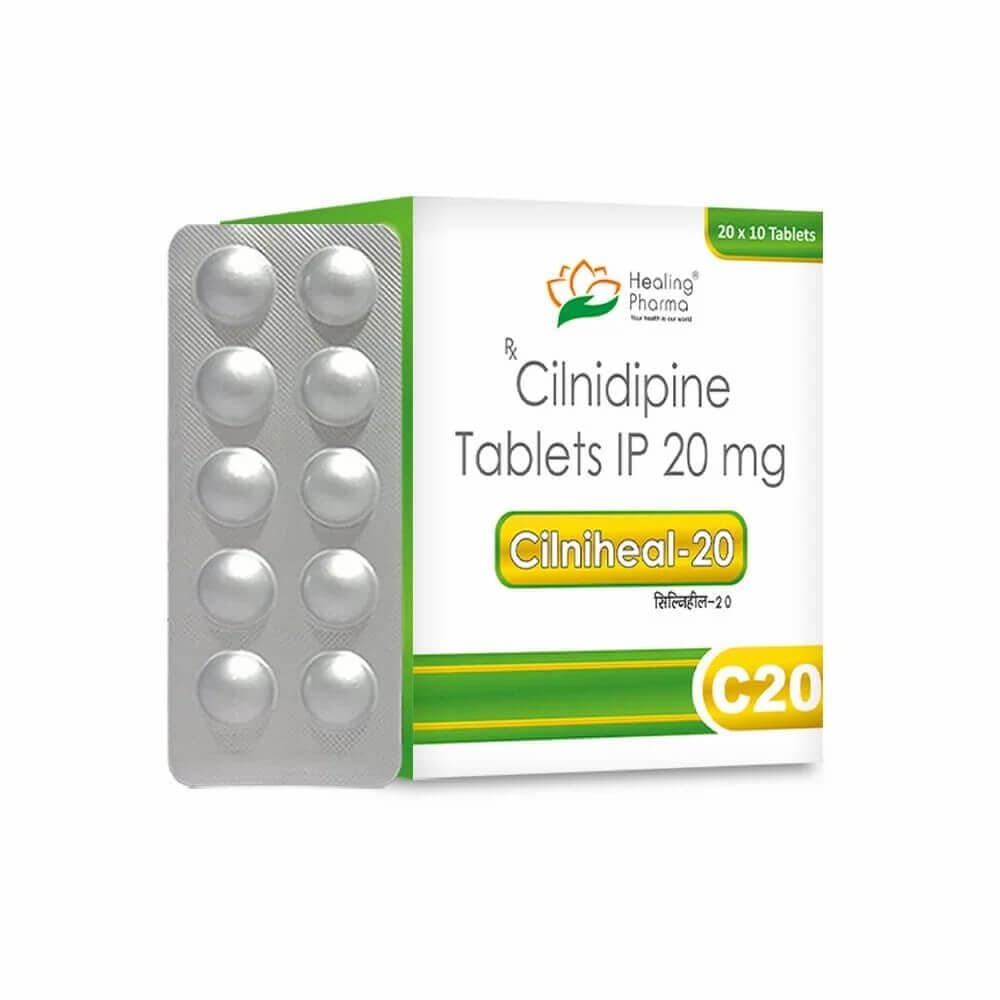
Suppliers
Vendors carrying Cilnidipine, with live product details and codes. Links are affiliate links that support the wiki at no cost to you.
PCT.Zone
Cilnidipine
Research
- 2000first citedEffects of cilnidipine, a novel dihydropyridine calcium antagonist, on autonomic function, ambu…
- 2013controlled trialThe effects of the L/N-type calcium channel blocker (cilnidipine) on sympathetic hyperactive mo…
- 2024most recentCilnidipine, a Dual L/N-type Ca(2+) Channel Blocker in Hypertension Management: A Review.
- 1.Blood pressure control with cilnidipine treatment in Japanese post-stroke hypertensive patients: the CA-ATTEND study
- 2.The effects of the L/N-type calcium channel blocker (cilnidipine) on sympathetic hyperactive morning hypertension: results from ACHIEVE-ONE
- 3.Effects of cilnidipine, a novel dihydropyridine calcium antagonist, on autonomic function, ambulatory blood pressure and heart rate in patients with essential hypertension
- 4.Cilnidipine, a Dual L/N-type Ca(2+) Channel Blocker in Hypertension Management: A Review.
- 5.L-/N-type calcium channel blockers and proteinuria
5 listed here; entry last updated August 2026
Reviews
My notesprivate to this device
FAQ
How is cilnidipine different from amlodipine?
It blocks N-type nerve channels on top of the usual L-type vessel channels, so it tends to cause less ankle swelling and no reflex fast heartbeat.
Why does it cause less leg swelling?
Its N-type action dilates both the incoming arteriole and the outgoing venule around capillaries, which balances pressure and reduces fluid leaking into the ankles.
Is it good for the kidneys?
Studies suggest it lowers urinary protein and may protect the kidneys, especially when added to an ACE inhibitor or ARB.
Can I stop it suddenly?
It does not cause the dangerous rebound seen with beta blockers, but blood pressure can climb again, so change it under medical guidance.
Any foods to avoid?
Skip grapefruit juice, which blocks the enzyme that clears cilnidipine and can raise its levels and side effects.
Adverse effects
- Headache
- Dizziness
- Ankle swelling, reportedly less than with some other dihydropyridines
Notes and cautions
- Flushing
- Palpitations