
spec sheet13 rows
Ramipril is an angiotensin-converting-enzyme (ACE) inhibitor used to treat high blood pressure and heart failure and to lower cardiovascular risk. It is given as a prodrug that the body converts into its active form, ramiprilat. Widely prescribed, it is available as an inexpensive generic medicine.
- Treats high blood pressure and heart failure
- Cuts heart attacks and strokes in high risk people
- About as well proven as blood pressure drugs get
- Lowers cardiovascular risk rather than just moving a number
- Inexpensive generic, widely prescribed worldwide
- One tablet a day, converted to active ramiprilat
- Persistent dry cough
- Dizziness or lightheadedness from lowered blood pressure
- Elevated blood potassium
Overview
Ramipril is a long-acting angiotensin-converting-enzyme inhibitor, one of a group of medicines used for cardiovascular and kidney conditions [1][4]. Chemically it is an ester prodrug that is inactive until the body converts it; the liver enzyme carboxylesterase 1 hydrolyzes it into the active metabolite ramiprilat [4]. It was developed by the German firm Hoechst and reached medical use toward the end of the 1980s, later becoming available generically after its patent was invalidated [1].
The drug is prescribed for hypertension, congestive heart failure, and protection of the heart and kidneys in people at high cardiovascular risk [1][2]. In the large HOPE trial, ramipril significantly reduced the combined rate of heart attack, stroke, and cardiovascular death in high-risk patients who had no known heart failure [1]. Its MICRO-HOPE substudy found comparable benefits in people with diabetes, including a lower rate of overt kidney disease, an effect that appeared to exceed what blood-pressure lowering alone would predict [2]. The earlier AIRE study showed that starting ramipril in survivors of a heart attack who had signs of heart failure reduced deaths from any cause [3].
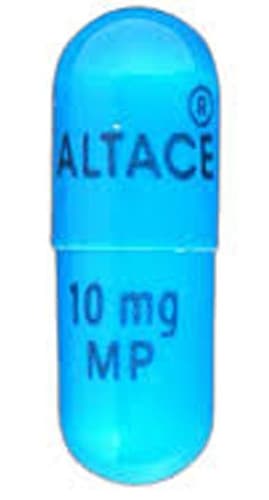
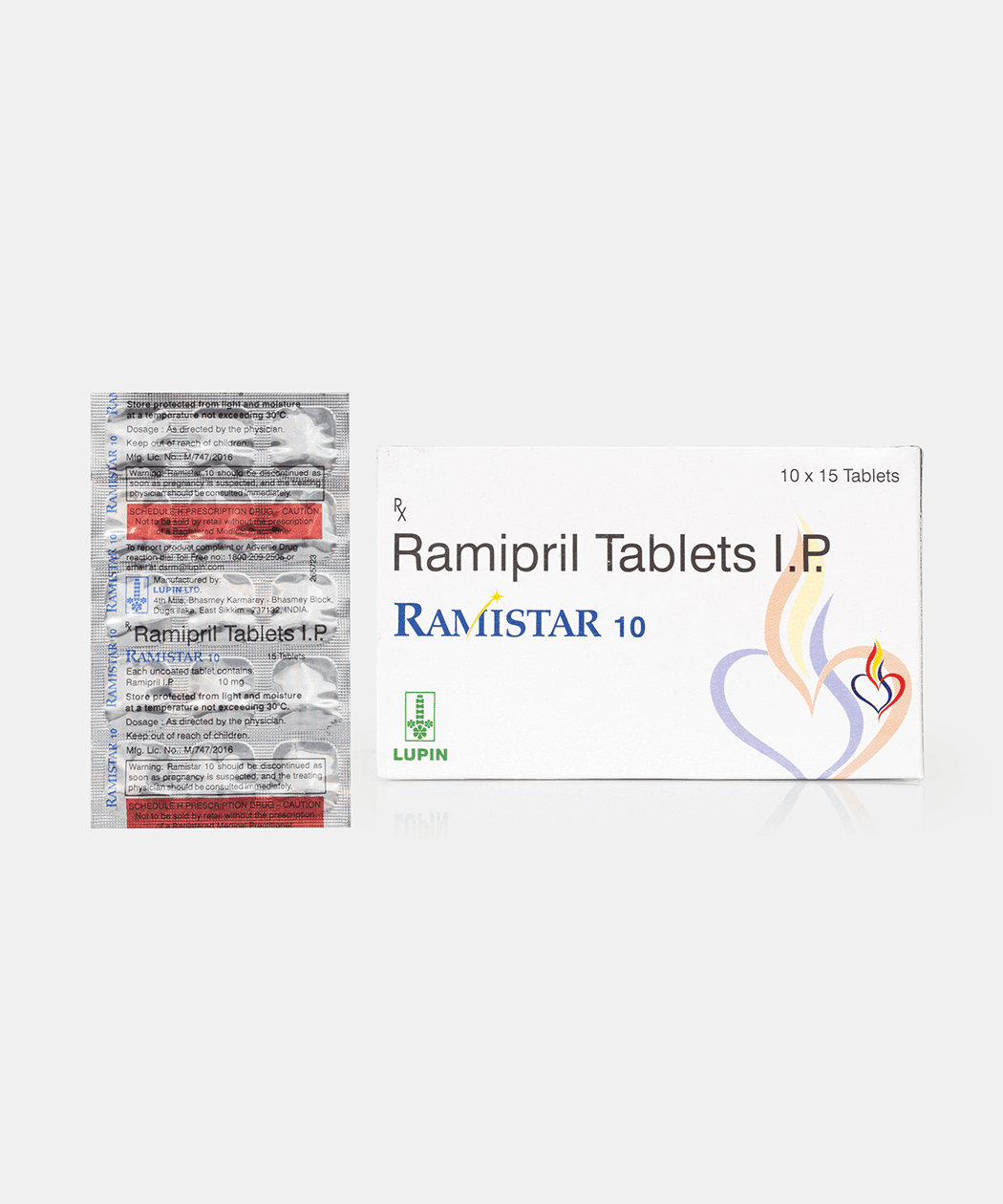
Ramipril is a prescription-only medicine in most countries and is supplied as oral capsules or tablets, sometimes combined with other blood-pressure agents [1][4]. Because its patent was later overturned for obviousness, numerous generic versions are now marketed [1].
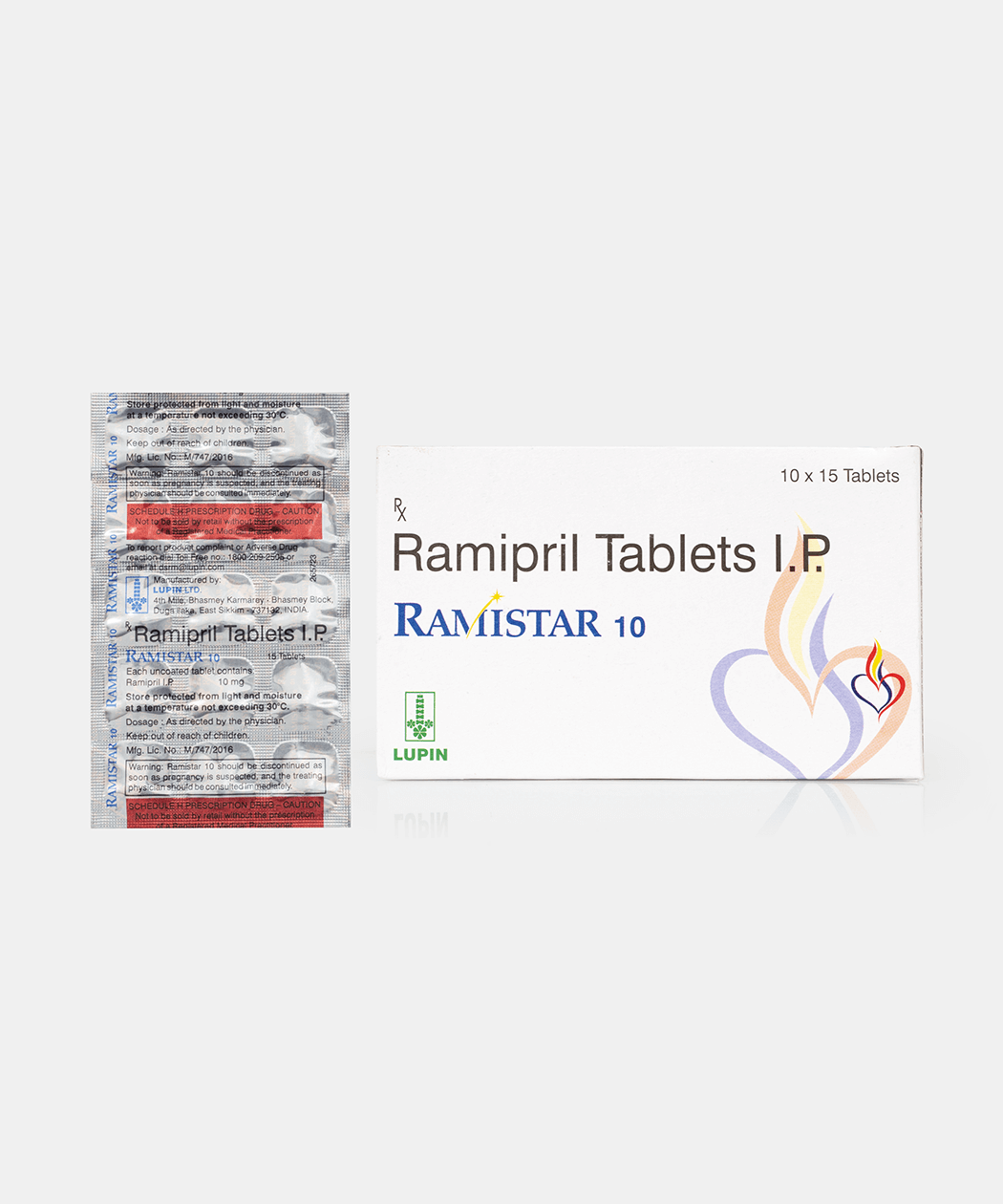
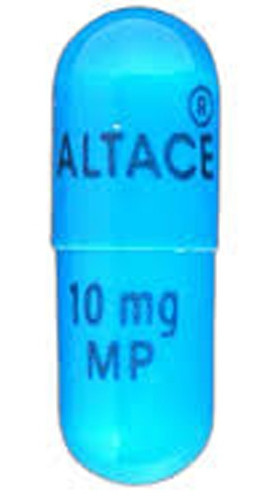
- In the HOPE trial, ramipril cut the combined risk of cardiovascular death, heart attack, and stroke by about 22 percent, a benefit far larger than its modest 3 to 4 mmHg drop in systolic blood pressure could explain.
- Ramipril is itself inactive; the liver converts it into its working form, ramiprilat, which is the molecule that actually blocks angiotensin-converting enzyme.
- Part of its effect comes not from blocking angiotensin II but from slowing the breakdown of bradykinin, a vasodilator, which is also the reason for the characteristic dry cough.
Mechanism
Ramipril, acting through its active ramiprilat, blocks angiotensin-converting enzyme, the enzyme that converts angiotensin I into the potent vasoconstrictor angiotensin II [1][4]. Lower angiotensin II levels relax arterial smooth muscle and reduce peripheral resistance, which lowers blood pressure; the same blockade slows the breakdown of bradykinin, adding a further vasodilating effect [1]. Together these actions reduce the workload on the heart and help protect the kidneys, an effect that is especially valuable in people with diabetes [2].
receptor fingerprint
Angiotensin converting enzyme (kininase II)inhibits
Angiotensin II productionblocks
Vascular tone and afterloadmodulates
Aldosterone secretionblocks
Bradykinin breakdowninhibits
Safetyrisks and cautions, not medical advice
Ramipril is prescription only and carries a boxed warning against use in pregnancy, where it can seriously harm or kill the fetus. A common and harmless but annoying effect is a persistent dry cough from bradykinin. More serious concerns are high potassium, low blood pressure especially after the first dose, worsening kidney function in people with narrowed kidney arteries, and rarely angioedema, a dangerous swelling of the face, lips or airway that needs emergency care. Avoid it with potassium supplements or potassium sparing diuretics, with the direct renin blocker aliskiren in diabetes, and be cautious with NSAIDs and lithium.
Interactionsdocumented pairs only, not exhaustive
Ramipril inhibits angiotensin-converting enzyme, and the interactions that matter either raise potassium, drop pressure too far, or add to angioedema risk.
Potassium-sparing diuretics, potassium supplements, salt substitutes, trimethoprim and NSAIDs all combine with ramipril to produce hyperkalemia, since less aldosterone means less potassium excretion. NSAIDs additionally blunt the antihypertensive effect and, in a dehydrated or elderly patient also taking a diuretic, can precipitate acute kidney injury.
Angioedema is the interaction with the sharpest consequence. ACE inhibition already slows bradykinin breakdown; sacubitril inhibits neprilysin, another bradykinin-degrading enzyme, so the combination is contraindicated and the labelling requires a 36-hour gap when switching between them. mTOR inhibitors such as sirolimus and everolimus, and the DPP-4 inhibitors, also raise angioedema risk alongside ramipril.
Pairing ramipril with an angiotensin receptor blocker or with aliskiren gives hypotension, hyperkalemia and renal failure without outcome benefit. Ramipril also raises serum lithium and has caused lithium toxicity.
Checking a whole stack? Run it through interactions + stacks.
History
Ramipril is an angiotensin-converting-enzyme inhibitor developed by the German company Hoechst and introduced to major markets in the late 1980s under brand names including Altace and Tritace. Like other members of its class, it is administered as a prodrug that the body converts into its active form, ramiprilat, which blocks the enzyme responsible for generating the vasoconstrictor angiotensin II.
Its reputation was transformed by the landmark Heart Outcomes Prevention Evaluation (HOPE) study, reported in 2000, which enrolled thousands of high-risk patients and found that ramipril substantially reduced the combined risk of cardiovascular death, heart attack, and stroke, with especially striking benefits in people with diabetes. Because these gains exceeded what the modest blood-pressure reduction alone could explain, HOPE broadened the drug's use from hypertension and heart failure into cardiovascular risk prevention. Ramipril has long since become an inexpensive, widely prescribed generic medicine and appears among the most commonly dispensed cardiovascular drugs worldwide.
Reputation
Ramipril is one of the most trusted and extensively validated ACE inhibitors, esteemed for evidence that reaches well beyond simple blood-pressure lowering. The HOPE trial gave it a durable reputation as a drug that protects the heart, brain, and kidneys in high-risk patients, and its benefit in people with diabetes is particularly valued. Physicians appreciate its once-daily dosing, low cost as a generic, and a large body of outcome data supporting its use in hypertension, heart failure, and after myocardial infarction.
Patients benefit from a medicine that is both affordable and backed by decades of experience. The class-typical dry cough, caused by its effect on bradykinin, is its most familiar drawback and occasionally leads to a switch, and, like all renin-angiotensin blockers, it requires care in pregnancy and with kidney function; even so, ramipril remains a cornerstone of cardiovascular protection.
Subjective profileweighing the evidence above
About as well-proven as blood-pressure drugs get, and cheap; it cuts heart attacks and strokes in high-risk people rather than just moving a number. The dry cough is the usual reason to switch, potassium and kidney function get checked, and it carries a boxed warning against use in pregnancy.
Where to buy
1 other outlet
Suppliers
Vendors carrying Ramipril, with live product details and codes. Links are affiliate links that support the wiki at no cost to you.
PCT.Zone
Ramipril
RUPharma🌐
Ramipril
Research
- 1993first citedEffect of ramipril on mortality and morbidity of survivors of acute myocardial infarction with…
- 2000most active year3 papers
- 2014most recentIn vitro drug metabolism by human carboxylesterase 1: focus on angiotensin-converting enzyme in…
- 1.Effects of an angiotensin-converting-enzyme inhibitor, ramipril, on cardiovascular events in high-risk patients.
- 2.Effects of ramipril on cardiovascular and microvascular outcomes in people with diabetes mellitus: results of the HOPE study and MICRO-HOPE substudy. Heart Outcomes Prevention Evaluation Study Investigators.
- 3.Effect of ramipril on mortality and morbidity of survivors of acute myocardial infarction with clinical evidence of heart failure. The Acute Infarction Ramipril Efficacy (AIRE) Study Investigators.
- 4.In vitro drug metabolism by human carboxylesterase 1: focus on angiotensin-converting enzyme inhibitors
- 5.The HOPE Study (Heart Outcomes Prevention Evaluation)
5 listed here; entry last updated August 2026
Reviews
My notesprivate to this device
FAQ
Why does ramipril give me a dry cough?
Blocking the enzyme lets bradykinin build up in the airways, which triggers a tickly dry cough in some people; switching to an ARB usually fixes it.
Can I take it while pregnant?
No; it can seriously harm or kill a developing baby, so it is stopped and switched before or as soon as pregnancy is known.
Why check potassium and kidney tests?
The drug can raise potassium and can reduce kidney function in some people, so bloodwork is checked after starting or changing the dose.
What is angioedema and when is it an emergency?
It is sudden swelling of the face, lips, tongue or throat; if it affects breathing it is a medical emergency and the drug must be stopped.
Should I avoid salt substitutes?
Often yes; many salt substitutes are high in potassium, which can add to the drug and push potassium too high.
Adverse effects
- Persistent dry cough
- Dizziness or lightheadedness from lowered blood pressure
- Elevated blood potassium
- Reduced kidney function in susceptible people
- Rarely, swelling of the face or throat (angioedema)