
data + articles · 3 listed
newest 2014spec sheet9 rows
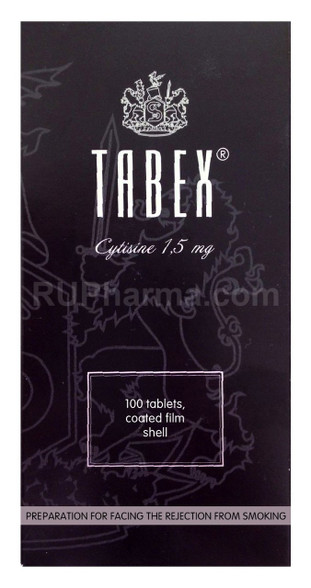
cytisine (tabex, cytisinicline) is a natural plant-alkaloid nicotinic partial agonist and the structural parent of varenicline; a high-affinity alpha4beta2 partial agonist, high-efficacy alpha3beta4 agonist, and only a weak partial agonist at the alpha6beta2* dopamine-terminal receptors that gate nicotine reward; a cheap, trial-validated smoking-cessation drug rather than a nootropic.
- One of the best value drugs on this site
- Plant alkaloid and structural parent of varenicline
- At least as effective as nicotine patches in trials
- Blunts nicotine reward at alpha4beta2 receptors
- Over fifty years of real world use plus modern trials
- A fraction of the cost of prescription cessation drugs
Mechanism
cytisine is a naturally occurring quinolizidine alkaloid from laburnum and related legumes, used for over half a century in central and eastern europe as the smoking-cessation product tabex and now advancing through modern trials as cytisinicline. mechanistically it is the template from which varenicline was engineered, and it works by the same partial- logic: it binds the receptors that nicotine targets and activates them only partway, so cravings and withdrawal ease while the reward from an actual cigarette is blunted by competition. its receptor profile is well established. cytisine is a classic high-affinity at the alpha4beta2 subtype; the tritiated compound, [3h]cytisine, has long been a standard radioligand for those receptors, reflecting sub-nanomolar binding. functionally it behaves as a high-affinity, low-efficacy partial agonist at alpha4beta2, a high-efficacy agonist at the ganglionic alpha3beta4 subtype, an agonist at the homomeric alpha7 receptor, and only a weak, low-efficacy partial agonist at alpha6-containing receptors. the alpha4beta2 partial agonism is regarded as the core cessation mechanism, but cytisine belongs in the alpha6 discussion because alpha6beta2* receptors sit on terminals and gate the reward-relevant fraction of nicotine-evoked dopamine; as a broad beta2* partial agonist, cytisine weakly engages that fraction as part of its overall reward-dampening effect. the reviews that map this landscape (crooks et al, doi 10.1016/b978-0-12-420118-7.00013-5; brunzell et al, doi 10.1111/nyas.12421) make the same point that applies to varenicline: broad beta2* agents like cytisine work, but the cleaner anti-reward target would be a drug selective for the far more restricted alpha6beta2* dopamine-terminal population, which is why alpha6-selective conotoxin probes are pursued as leads. clinically, the modern evidence is genuinely favorable; randomized trials show cytisine beats placebo, and a landmark head-to-head trial found it at least as effective as nicotine replacement, moving it from an old regional remedy to a serious, low-cost, guideline-relevant cessation option. side effects are generally mild and mostly gastrointestinal (nausea, dry mouth, dizziness), plausibly linked in part to its strong alpha3beta4 ganglionic agonism, and it is dosed on a tapering schedule. it is a cessation medicine, not a cognitive enhancer.
receptor fingerprint
Alpha4beta2 (a4b2 nAChR)high-affinity partial agonist (low intrinsic efficacy)
Alpha3beta4 (a3b4)full/high-efficacy agonist
Alpha7 (a7)partial-to-full agonist
Nicotine-evoked striatal releasepartially substitutes / attenuates
Alpha6beta2* (a6-containing)weak/low-efficacy partial agonist
Dosingtypical ranges, not medical advice
interested in protocols and clinical dosages? make an account to see them! ^_^
Safetyrisks and cautions, not medical advice
Cytisine (marketed as Tabex, and the basis for cytisinicline) has a well-characterized and generally favorable safety profile from decades of smoking-cessation use, with adverse effects that are mostly mild-to-moderate, short-lived, and concentrated in the first days of treatment. The most frequent complaints are gastrointestinal; nausea and vomiting, dyspepsia, abdominal pain, dry mouth, and decreased appetite, alongside sleep disturbances such as insomnia and abnormal dreams, plus dizziness and headache.
In trial and post-marketing data roughly 15 percent of users discontinued because of adverse effects, predominantly gastric upset and nausea, though these were not serious. It has minimal drug-drug interactions, which is part of its appeal. As a partial nicotinic agonist structurally related to nicotine it is not recommended in pregnancy or with significant cardiovascular instability without medical oversight, and overdose of the raw alkaloid can be toxic, so it should be dosed as directed rather than freelanced.
Subjective profileweighing the evidence above
One of the best-value drugs on this site. Cheap, plant-derived, and at least as effective as nicotine replacement in a head-to-head trial, with decades of real-world use behind it. If quitting smoking is the goal it belongs near the top of the list; expect nausea and odd dreams early on.
Where to buy

Suppliers
Vendors carrying Cytisine, with live product details and codes. Links are affiliate links that support the wiki at no cost to you.
RUPharma🌐
Cytisine
Research
- 2006first citedStriatal alpha6* nicotinic acetylcholine receptors: potential targets for Parkinson's disease t…
- 2014most recentNicotinic receptor antagonists as treatments for nicotine abuse.
- 1.Nicotinic receptor antagonists as treatments for nicotine abuse.
- 2.Diverse strategies targeting α7 homomeric and α6β2* heteromeric nicotinic acetylcholine receptors for smoking cessation.
- 3.Striatal alpha6* nicotinic acetylcholine receptors: potential targets for Parkinson's disease therapy
3 listed here; entry last updated August 2026
Reviews
My notesprivate to this device
FAQ
what is cytisine?
it's a natural plant alkaloid from laburnum and related legumes (golden chain tree, sophora), used for decades in central and eastern europe as the smoking-cessation drug tabex, and now in modern development as 'cytisinicline'. like varenicline (which was modeled on it), it's a nicotinic-receptor partial agonist: it partly stimulates the receptors nicotine hits, easing craving and withdrawal while blunting the reward from any cigarette you do smoke. it's cheap, old, and increasingly validated by modern trials.
how does it work at receptors?
cytisine is a classic high-affinity ligand at the alpha4beta2 subtype; the radiolabeled version, [3h]cytisine, has been a standard tool for labeling those receptors for years, reflecting sub-nanomolar affinity. functionally it's a partial agonist there (high affinity, low intrinsic efficacy), a high-efficacy agonist at the ganglionic alpha3beta4 subtype, active at alpha7, and only a weak partial agonist at alpha6-containing receptors. that alpha4beta2 partial agonism is the basis of its cessation effect, the same logic later engineered into varenicline.
is it the same as varenicline?
closely related but not identical. varenicline was deliberately designed from cytisine's structure to improve brain penetration and receptor profile, so they share the core partial-agonist mechanism. cytisine is the older, natural, far cheaper parent; varenicline is the optimized synthetic descendant. head-to-head, cytisine holds up surprisingly well, which is a big part of its appeal as a low-cost global cessation tool.
does it actually help people quit?
yes; the modern evidence is genuinely good. randomized trials (including large ones run under the cytisinicline program) show cytisine beats placebo for smoking abstinence, and a landmark trial found it at least as effective as, and in some analyses better tolerated than, nicotine replacement. it's been used in tabex form for over 50 years, but the recent rigorous trials are what moved it from 'old regional remedy' to a serious, guideline-relevant option.
where does alpha6 come in?
it's the honest edge of the story. alpha6beta2* receptors gate the reward-relevant slice of nicotine's dopamine release, so any beta2* partial agonist that occupies dopamine-terminal receptors can help dampen reward; cytisine's alpha6 activity is weak but part of that broader beta2* engagement. the cleaner anti-reward target would be a drug selective for the alpha6b2* fraction, which is exactly why researchers pursue alpha6-selective tools like the conotoxins; cytisine, like varenicline, is a broad beta2* agent, not an alpha6-selective one (see brunzell et al review, doi 10.1111/nyas.12421).
what are the side effects?
generally mild and mostly gastrointestinal; nausea, dry mouth, stomach upset and occasional dizziness, plausibly tied in part to its strong agonism at ganglionic alpha3beta4 receptors. the traditional tabex regimen is a tapering schedule over about 25 days. at normal cessation doses it's well tolerated; like any nicotinic drug it deserves respect and shouldn't be treated as a casual supplement.
is cytisinicline a new drug?
it's the same molecule under modern pharmaceutical development, with recent randomized trials aimed at formal regulatory approval in markets where tabex was never registered, and it's also been studied for vaping cessation. so 'cytisine' the old european drug and 'cytisinicline' the new clinical-stage product are chemically the same alkaloid, just at different points on the regulatory map.
should i use it as a nootropic?
no. cytisine is a cessation medicine, not a cognitive enhancer, and its potent ganglionic (alpha3beta4) agonism makes it a poor candidate for casual off-label use. if you're trying to quit smoking or vaping, it's a legitimate, evidence-backed, low-cost option to discuss with a clinician; outside that, there's no good reason to take it.