
spec sheet10 rows
Dimethylaminoethanol (DMAE), also known as deanol or dimethylethanolamine, is an organic amino alcohol with the formula (CH3)2NCH2CH2OH. Structurally it resembles the nutrient choline, differing by one methyl group on its nitrogen atom, and it is chemically related to the neurotransmitter acetylcholine. Alongside a range of industrial uses, DMAE is sold as a dietary supplement promoted for cognition and mood and is used as an ingredient in skin-firming cosmetics, although the evidence for many of its claimed effects is limited.
- Choline relative that slips into the brain easily
- Sits one methyl group away from choline itself
- Long history in cognition and mood formulas
- A staple active in skin firming cosmetics
- Inexpensive and easy to add to a nootropic shelf
- Skin tingling or mild irritation with topical use
- Headache, drowsiness, or muscle tension reported with oral use
Overview
Dimethylaminoethanol is a colorless, viscous liquid that carries both a tertiary amine and an alcohol group and has a fishy, ammonia-like odor [1]. Because it is an analog of choline bearing one fewer methyl group on nitrogen, it has long been proposed to feed into the body's choline and acetylcholine pathways, though whether it actually raises acetylcholine in the brain is doubtful [2].
Beyond biology, DMAE has substantial industrial use: it serves as a curing agent for polyurethanes and epoxy resins, is used in gas treating to strip hydrogen sulfide from sour gas, and acts as a chemical precursor, while its acrylate derivative functions as a flocculating agent. In supplement form it is most often supplied as the bitartrate salt, which is only partly DMAE by weight.
Under the name deanol, the compound was marketed in the mid-20th century, for example as Deaner, and was studied both for attention-related problems and for tardive dyskinesia, a movement disorder caused by long-term antipsychotic use. Controlled trials found deanol no more effective than placebo for tardive dyskinesia, and one reported a tendency for schizophrenic symptoms to worsen, a pattern the authors linked to its inability to enhance brain acetylcholine synthesis [2][3]. A later pro-cholinergic salt of DMAE, tested over six months in people with early, prodromal Alzheimer's disease, similarly failed to produce a significant cognitive advantage over placebo [4].
DMAE has fared better in cosmetic dermatology. In a placebo-controlled trial, a topical DMAE facial gel applied daily was reported to reduce forehead lines and fine periorbital wrinkles and to improve lip fullness and overall appearance of aging skin, with good tolerability, and instrumental measurements confirmed an acute firming effect on the skin [1]. In vitro work also described the compound as a moderately active anti-inflammatory agent [1].
DMAE is not an approved drug for cognitive uses, and the older deanol drug products have largely fallen out of medical use. Today it circulates mainly as a dietary supplement and as a cosmetic ingredient, in forms that include DMAE bitartrate capsules and tablets as well as DMAE-containing creams and gels.

Mechanism
As a close structural relative of , DMAE has been proposed to influence -related signaling and is sometimes described as a precursor within choline metabolism; however, pharmacological and clinical work indicates that it does not reliably increase acetylcholine synthesis in the brain, which is consistent with the negative results seen when it was tried for cholinergic conditions [2].
In the skin, acts as a local, -like regulator on receptors found on keratinocytes, fibroblasts, and melanocytes, and DMAE is thought to work as a modulator of these acetylcholine-mediated processes; it also shows moderate anti-inflammatory activity in laboratory tests, and its firming action has been measured directly as increased cutaneous tensile strength [1]. The precise mechanisms behind both its cosmetic and its proposed cognitive effects remain incompletely defined [1].
receptor fingerprint
(via )precursor
to betainepartially blocks
receptorsweak partial agonist
Dosingtypical ranges, not medical advice
interested in protocols and clinical dosages? make an account to see them! ^_^
Safetyrisks and cautions, not medical advice
Skip DMAE in pregnancy; animal studies show birth defects (neural tube and limb issues), so it's off the table for anyone who is or might become pregnant. It's also a no-go in bipolar disorder, where it can trigger manic episodes by throwing off the cholinergic-dopaminergic balance. Be careful pairing it with antidepressants, especially MAOIs and TCAs, because of additive cholinergic effects, and don't run it with anticholinergic meds since it can blunt them. It's not recommended if you have epilepsy or schizophrenia. Otherwise it's an OTC supplement in the US, EU, and most places, and generally fine at standard doses, though higher amounts can bring overstimulation, muscle tension, and headaches.
Subjective profileweighing the evidence above
Skip it. The cholinergic story is appealing, but it does not reliably raise brain acetylcholine and the cognitive trials came up short. It is also off the table in pregnancy given animal birth defects, and in bipolar disorder, where it can trigger mania. Alpha-GPC or CDP-choline is the better spend.
Where to buy
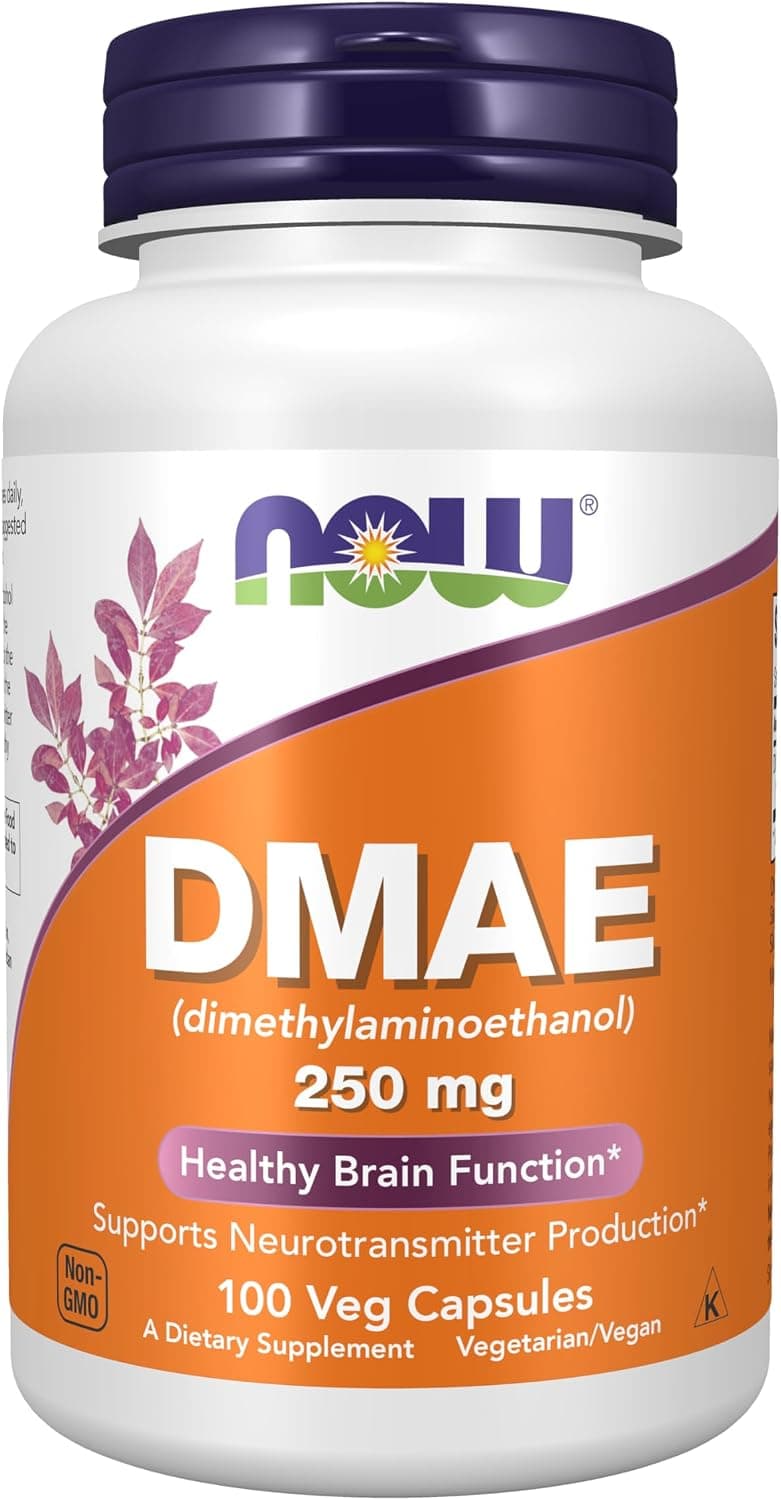
Suppliers
Vendors carrying DMAE, with live product details and codes. Links are affiliate links that support the wiki at no cost to you.
Amazon
DMAE
Research
- 1978first citedDouble-blind evaluation of deanol in tardive dyskinesia
- 1979controlled trialIneffectiveness of deanol in tardive dyskinesia: a placebo controlled study
- 2012most recentEffect of six months of treatment with V0191 in patients with suspected prodromal Alzheimer's d…
- 1.The role of dimethylaminoethanol in cosmetic dermatology
- 2.Ineffectiveness of deanol in tardive dyskinesia: a placebo controlled study
- 3.Double-blind evaluation of deanol in tardive dyskinesia
- 4.Effect of six months of treatment with V0191 in patients with suspected prodromal Alzheimer's disease
4 listed here; entry last updated August 2026
Reviews
My notesprivate to this device
FAQ
What is DMAE?
DMAE (dimethylaminoethanol) is a choline-related compound that crosses into the brain and is linked to acetylcholine activity.
Why is it used as a nootropic?
It is taken for potential focus and mental clarity, though human evidence for cognitive benefits is mixed.
Is it used outside supplements?
Yes; it is also popular in topical skin care products.
Can it cause overstimulation?
Some people report headaches, tension, or restlessness, especially at higher intake.
Limitations of the evidence
- Limited safety data in pregnancy
- Evidence for cognitive benefit is weak
Adverse effects
- Skin tingling or mild irritation with topical use
- Headache, drowsiness, or muscle tension reported with oral use