
spec sheet12 rows
Piritinol, also spelled pyritinol and known as pyrithioxine, is a semisynthetic derivative of vitamin B6 (pyridoxine) that has been used as a nootropic and cerebral-function agent since the 1960s. It is built from two pyridoxine molecules linked by a disulfide bridge, a change that alters how the molecule behaves compared with the parent vitamin. In several European countries it is prescribed for chronic cognitive impairment and as supportive care after head trauma, and it has also been sold as a dietary supplement in some markets.
- A solid classic nootropic with real history
- Prescribed in Europe for chronic cognitive impairment
- Supportive care after head trauma in several countries
- Two vitamin B6 molecules joined by a disulfide bridge
- Supports cholinergic activity and brain glucose use
- Mild antioxidant support, in use since the 1960s
- Nausea
- Headache
- Mild skin reactions
Overview
Piritinol is a water-soluble, semisynthetic analogue of pyridoxine (vitamin B6), formed by joining two pyridoxine units through a disulfide bridge; it is generally classified as a nootropic and is often described as having antioxidant properties [1]. Because of this modification it is handled by the body differently from ordinary vitamin B6, and it is not simply a B6 supplement.
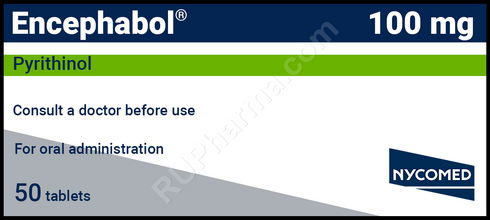
The compound was introduced by Merck in the early 1960s and became established in Europe under brand names such as Encephabol and Encefabol. From the 1970s onward it was available there as both a prescription and over-the-counter medicine, and from the early 1990s it circulated in the United States as a dietary supplement rather than an approved drug [1].
Approved and traditional uses vary by country and have included symptomatic treatment of chronic brain dysfunction and dementia, supportive care following craniocerebral trauma, learning difficulties in children, and, in some markets such as France, rheumatoid arthritis as a slow-acting disease-modifying agent [4]. The clinical record is mixed. A crossover study in healthy male volunteers reported improvements in arousal measures including critical flicker fusion and choice reaction time [1], and a placebo-controlled trial in older patients with organic mental disorders found gains on clinical and performance ratings [2]. In contrast, a double-blind study of children in slow-learner classes showed no significant average benefit on cognitive testing [3], illustrating the inconsistency of the evidence.
In regulatory terms piritinol is a prescription medicine in parts of Europe, typically supplied as coated tablets or an oral suspension, while it has no drug approval in the United States [1][2]. Although it is usually well tolerated, rare but serious adverse reactions have been documented, most notably severe cholestatic hepatitis [5], along with occasional reports of acute pancreatitis and skin eruptions; these have contributed to caution about long-term use.
Mechanism
The way piritinol works is not fully established. As a modified, disulfide-linked form of vitamin B6, it is thought to enter the brain more readily than ordinary pyridoxine and to influence cerebral metabolism [1]. Proposed actions include scavenging of reactive oxygen species as an antioxidant, along with effects on cholinergic signalling and on the uptake and use of glucose by brain tissue, though these mechanisms remain incompletely characterised [1][2]. In healthy volunteers the drug raised measures of central arousal, shortening choice reaction time and increasing critical flicker fusion thresholds [1], and in older adults with organic mental disorders it was associated with improved vigilance and cognitive performance compared with placebo [2]. The effects reported in learning-impaired children were far less consistent [3].
receptor fingerprint
Cholinergic transmissionenhances
Neuronal glucose uptakeincreases
Membrane fluidityimproves
reduces
Dosingtypical ranges, not medical advice
interested in protocols and clinical dosages? make an account to see them! ^_^
Safetyrisks and cautions, not medical advice
Usually tolerated, but there are notable rare reports of hepatotoxicity, cholestasis, skin reactions, and pemphigus-like effects, likely tied to the thiol group. GI upset and taste changes can occur. Because of the liver and immune-related concerns, monitoring and caution are sensible, and it is not something to take lightly long term.
History
Piritinol, also called pyritinol or pyrithioxine and sold under names such as Encephabol, was first synthesized in 1961 by Merck by joining two molecules of pyridoxine (vitamin B6) through a disulfide bridge. From the 1970s onward it was marketed across several European and Asian countries as a prescription and over-the-counter treatment for cognitive and learning disorders, and it was later also trialed as a disease-modifying agent in rheumatoid arthritis.
Reputation
Piritinol is regarded as an older semisynthetic B6 derivative with a mixed reputation. It retains a following as an inexpensive cholinergic nootropic said to aid mental energy and hangover recovery, supported by some older clinical work in dementia. Medical sources temper this with documented safety concerns, including cases of hepatotoxicity, cholestatic hepatitis, acute pancreatitis, and hypersensitivity reactions, which have curtailed its use in several markets and lead cautious observers to treat it as less benign than its vitamin origin might suggest.
Subjective profileweighing the evidence above
A solid classic nootropic with real history, but the occasional liver and skin side effect reports make it one to use thoughtfully rather than daily.
Where to buy

Suppliers
Vendors carrying Piritinol, with live product details and codes. Links are affiliate links that support the wiki at no cost to you.
RUPharma🌐
Piritinol
Research
- 1975first citedPyritinol hydrochloride and cognitive functions: influence on children in slow learner classes
- 1990controlled trialPsychopharmacological effects of pyritinol in normal volunteers
- 2004most recentSevere cholestatic hepatitis induced by pyritinol
- 1.Psychopharmacological effects of pyritinol in normal volunteers
- 2.On the effects of pyritinol on functional deficits of patients with organic mental disorders
- 3.Pyritinol hydrochloride and cognitive functions: influence on children in slow learner classes
- 4.Comparison of pyritinol and auranofin in the treatment of rheumatoid arthritis. The European Multicentre Study Group.
- 5.Severe cholestatic hepatitis induced by pyritinol
5 listed here; entry last updated August 2026
Reviews
My notesprivate to this device
FAQ
Is piritinol just vitamin B6?
It is built from two B6 molecules but behaves as its own compound, not simply as a vitamin.
What makes people cautious about it?
Rare but real reports of liver and skin reactions tied to its sulfur-containing structure.
Does it boost focus?
Users report clarity and focus, likely from cholinergic and metabolic support, though effects are modest.
Should I monitor anything?
For extended use, keeping an eye on liver health is reasonable given the rare hepatotoxicity reports.
Is it still available?
It is still sold in some countries as a cognitive support product, less common elsewhere.
Adverse effects
- Nausea
- Headache
- Mild skin reactions
- Rare cholestatic liver inflammation
- Rare pancreatitis