
spec sheet13 rows
Rosuvastatin is a statin, a cholesterol-lowering drug that blocks the enzyme HMG-CoA reductase. It is the most potent and one of the most hydrophilic statins, prescribed to lower elevated cholesterol and reduce the risk of heart attack, stroke, and other cardiovascular events. Its benefits appear to reach beyond cholesterol lowering: in the JUPITER trial it prevented arterial events in people with normal LDL but elevated C-reactive protein and also reduced venous thromboembolism, evidence of anti-inflammatory pleiotropy. Developed by AstraZeneca, it is sold as Crestor and as a generic.
- The most potent statin made for driving LDL down
- Cuts heart attack and stroke risk on hard trial data
- JUPITER showed benefit even with LDL already normal
- Anti inflammatory reach beyond cholesterol alone
- Helps stabilise the plaque already lining your arteries
- Cheap generic, and one of the best studied drugs available
- Muscle aches
- Headache
- Nausea or abdominal pain
Overview
Rosuvastatin belongs to the statins, formally the HMG-CoA reductase inhibitors, a family of drugs that lower blood cholesterol. It is one of the more potent members of the class, producing large reductions in low-density lipoprotein cholesterol at commonly used doses [1]. Chemically it is distinctive among statins for containing a sulfonyl group bearing sulfur, and the marketed product is the calcium salt, rosuvastatin calcium [2].
The drug was developed by the company that became AstraZeneca, patented in the early 1990s, and approved in the United States in 2003. It is a prescription-only medicine sold under the brand name Crestor and, since its patents lapsed, as a widely available generic; it ranks among the most frequently prescribed medications in the United States [1]. It is supplied as oral tablets in a range of strengths.
Rosuvastatin is used both to treat dyslipidemia, meaning abnormal blood lipids, and to prevent cardiovascular disease in people at increased risk, alongside lifestyle measures such as diet, exercise, and weight control. Comparative trials showed it to be more effective than several other statins at lowering LDL cholesterol at equivalent doses [2]. Imaging studies such as the ASTEROID trial demonstrated that intensive treatment could actually shrink the fatty plaques lining coronary arteries [4], and the large JUPITER trial found that it reduced heart attacks, strokes, and cardiovascular deaths even in apparently healthy people who had normal cholesterol but raised C-reactive protein [3].
Rosuvastatin is taken by mouth, usually once a day, and can be used with or without food. Like other statins it is generally well tolerated, though it carries the class's recognized risks of muscle symptoms and a small increase in the chance of developing diabetes, and it is used cautiously alongside certain interacting drugs [3].

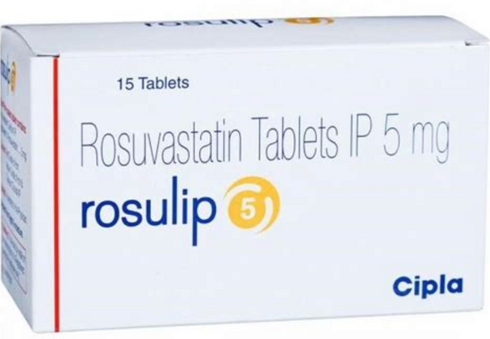
- Rosuvastatin is generally considered the most potent statin, achieving with low doses what some other statins require much higher doses to match.
- In the JUPITER trial it cut cardiovascular events in people whose LDL cholesterol was already normal but whose C-reactive protein was elevated, hinting at benefits beyond lipids.
- The molecule was born in Japan at Shionogi before AstraZeneca developed it into the drug marketed worldwide as Crestor.
Mechanism
Rosuvastatin lowers cholesterol by competitively inhibiting HMG-CoA reductase, the enzyme that catalyzes an early and rate-limiting step in the liver's production of cholesterol [1]. As the liver makes less cholesterol internally, its cells respond by increasing the number of LDL receptors on their surface, which draws more low-density lipoprotein cholesterol out of the bloodstream and lowers circulating levels [2]. The reduction in LDL cholesterol is dose-dependent and is accompanied by modest rises in high-density lipoprotein cholesterol and falls in triglycerides [1]. Beyond their effects on lipids, statins also reduce vascular inflammation, an action reflected in the lowering of C-reactive protein observed with rosuvastatin [3].
receptor fingerprint
HMG-CoA reductaseinhibits
LDL / total cholesterollowers
Inflammation (hsCRP)reduces
Dosingtypical ranges, not medical advice
interested in protocols and clinical dosages? make an account to see them! ^_^
Safetyrisks and cautions, not medical advice
Rosuvastatin is a widely used, extensively studied statin whose main risk is muscle toxicity, ranging from myalgia to rare rhabdomyolysis, and it can also raise liver enzymes and slightly increase the risk of new-onset diabetes. The chance of muscle injury rises with higher doses, certain drug interactions, hypothyroidism, and in East Asian populations, who may have higher drug exposure. It should not be used during pregnancy or breastfeeding.
Interactionsdocumented pairs only, not exhaustive
Rosuvastatin is a substrate of the organic anion transporting polypeptide OATP1B1 and the breast cancer resistance protein BCRP. Cyclosporine, a potent OATP1B1 inhibitor, significantly increases rosuvastatin plasma concentrations through reduced hepatic uptake; this is a pharmacokinetic interaction where cyclosporine reduces rosuvastatin clearance, raising the risk of muscle toxicity [23].
BCRP inhibitors including febuxostat and ticagrelor have been shown in pharmacovigilance analysis to increase the risk of rosuvastatin-induced rhabdomyolysis, with reporting odds ratios of 2.47 and 4.15 respectively [24]. What remains unclear from the literature is the magnitude of interaction with partial OATP1B1 or BCRP inhibitors, and whether genetic polymorphisms in these transporters meaningfully alter interaction risk in individual patients. The interaction of rosuvastatin with the numerous other lipophilic drugs that might compete for OATP1B1 transport has not been systematically evaluated.
Checking a whole stack? Run it through interactions + stacks.
History
Rosuvastatin was first synthesized by chemists at the Japanese company Shionogi in the early 1990s, where it carried the code S-4522 and was recognized as an unusually potent inhibitor of HMG-CoA reductase. Shionogi licensed the compound to AstraZeneca, which advanced it through clinical development under the designation ZD4522 and brought it to market. The United States Food and Drug Administration approved it in 2003 under the brand name Crestor for the treatment of elevated cholesterol.
It stood out among the statins for its high potency and relatively hydrophilic character, allowing strong reductions in LDL cholesterol at comparatively low doses. Its reputation was further shaped by the landmark JUPITER trial, published in 2008, which showed that it prevented cardiovascular events in people with normal LDL but elevated C-reactive protein, evidence of anti-inflammatory effects beyond lipid lowering. It is now available generically and remains one of the most widely prescribed statins.
Reputation
Rosuvastatin is often described as the most potent statin available, capable of achieving large reductions in LDL cholesterol that help many patients reach ambitious treatment targets. Its strong evidence base, anchored by the JUPITER trial, extends its appeal beyond simple cholesterol lowering, since that study demonstrated fewer heart attacks and strokes even in people selected for inflammation rather than high LDL.
Physicians value its efficacy at modest doses and its hydrophilic profile, which some argue contributes to a favorable tolerability. Like all statins it can occasionally cause muscle symptoms and warrants attention to liver and, at high doses, kidney parameters, and it is not a substitute for the lifestyle measures that underpin cardiovascular health. For the prevention of heart attack, stroke, and related events, however, it is regarded as one of the most powerful and well-studied options in modern medicine.
Subjective profileweighing the evidence above
One of the best-evidenced drugs available for cutting cardiovascular risk, and the most potent statin for lowering LDL, with anti-inflammatory benefit shown even in people whose LDL looked fine. Muscle aches are the common complaint, rare myopathy the one to report, and it is not used in pregnancy.
Where to buy
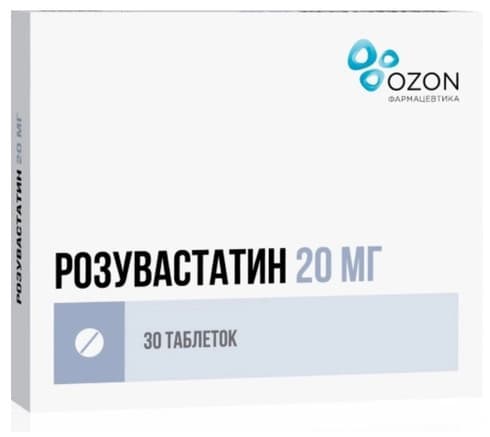

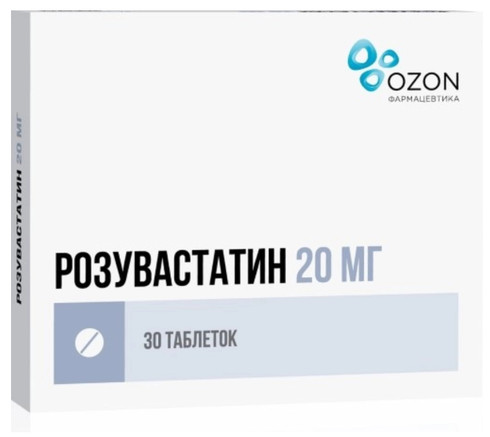
Suppliers
Vendors carrying Rosuvastatin, with live product details and codes. Links are affiliate links that support the wiki at no cost to you.
PCT.Zone
Rosuvastatin

RUPharma🌐
Rosuvastatin
RUPharma🌐
Rosuvastatin
Research
- 2002first citedPharmacology of 3-hydroxy-3-methylglutaryl-coenzyme A reductase inhibitors (statins), including…
- 2006most active year3 papers
- 2014meta-analysisLipid-lowering efficacy of rosuvastatin.
- 2026most recentUsing Pharmacovigilance Data for Signal Detection of Drug Interactions for Rosuvastatin.
- 1.Lipid-lowering efficacy of rosuvastatin.
- 2.Comparison of the efficacy and safety of rosuvastatin versus atorvastatin, simvastatin, and pravastatin across doses (STELLAR Trial).
- 3.Rosuvastatin to prevent vascular events in men and women with elevated C-reactive protein.
- 4.Effect of very high-intensity statin therapy on regression of coronary atherosclerosis: the ASTEROID trial.
- 5.Pharmacology of 3-hydroxy-3-methylglutaryl-coenzyme A reductase inhibitors (statins), including rosuvastatin and pitavastatin
- 6.Effect of two intensive statin regimens on progression of coronary disease
- 7.High-intensity statin therapy alters the natural history of diabetic coronary atherosclerosis: insights from SATURN
- 8.Effect of rosuvastatin on progression of carotid intima-media thickness in low-risk individuals with subclinical atherosclerosis: the METEOR Trial
- 9.Cholesterol Lowering in Intermediate-Risk Persons without Cardiovascular Disease
- 10.Rosuvastatin in older patients with systolic heart failure
- 11.Rosuvastatin versus atorvastatin treatment in adults with coronary artery disease: secondary analysis of the randomised LODESTAR trial
- 12.Statin use and risk of new-onset diabetes: A meta-analysis of observational studies
24 listed here; entry last updated August 2026
Reviews
My notesprivate to this device
FAQ
When is the best time to take a statin?
Rosuvastatin has a long half-life, so it can be taken at any time of day. Consistency day to day matters more than the exact hour.
Why is it considered a strong statin?
It produces large reductions in LDL cholesterol relative to many other statins. This makes it a common choice for higher-risk lipid profiles.
What are the well-known side effects?
Muscle aches and, less often, liver enzyme changes are the effects most people ask about. Persistent or severe muscle symptoms are worth discussing with a clinician.
Does it need to be taken with food?
It can be taken with or without food. Following the same routine each day helps with consistency.
Adverse effects
- Muscle aches
- Headache
- Nausea or abdominal pain
- Constipation
- Rare muscle injury known as myopathy
- Small increase in blood sugar