
spec sheet10 rows
Red yeast rice is a bright reddish-purple product made by fermenting rice with the mold Monascus purpureus. Long used in China as a food coloring and in traditional medicine, it contains monacolin K, a compound chemically identical to the cholesterol-lowering statin lovastatin. It is sold as a dietary supplement to lower cholesterol, though the strength and purity of products vary considerably.
- Contains monacolin K, chemically identical to lovastatin
- Lowers LDL cholesterol effectively and cheaply
- An option some statin intolerant people tolerate well
- Traditional Chinese ferment with centuries of food use
- Supports overall cardiovascular health
- Buy a tested brand and the potency is real
- Muscle aches, as can occur with statin drugs
- Digestive discomfort such as bloating or heartburn
- Possible changes in liver enzymes
Overview
Red yeast rice is produced by culturing rice with the mold Monascus purpureus, which turns the grains a deep red to purple color. It has been part of Chinese cuisine and traditional medicine for many centuries; the sixteenth-century Compendium of Materia Medica described its use to aid digestion and support circulation. Traditionally it has served as a natural food coloring for dishes and as a fermentation agent in cooking and in wine making.
The product's principal active constituent is monacolin K, which is chemically identical to lovastatin, a prescription statin; properly fermented red yeast rice also contains a range of related monacolins [3]. Because of this statin-like content, red yeast rice is widely marketed as a dietary supplement to lower blood cholesterol [1]. Meta-analyses of randomized trials have found that red yeast rice preparations significantly reduce total and LDL cholesterol compared with placebo, with lipid-lowering effects broadly similar to those of low-dose statins [1][2].
The safety and consistency of red yeast rice products are recognized concerns. The amount of monacolin K can vary widely between brands, from negligible to statin-strength levels, and some products have been found to contain citrinin, a mold toxin that can harm the kidneys [2]. As a statin-like agent it can cause muscle and liver effects, and reviews note that the safety data are often inadequate [2]. Regulators have acted repeatedly over the years, and in 2024 health authorities in Japan ordered recalls of certain red yeast rice supplements after reports of serious illness and deaths, drawing renewed attention to contamination risks. Red yeast rice thus occupies an unusual position between a dietary supplement and a drug.

Mechanism
The cholesterol-lowering action of red yeast rice comes mainly from monacolin K, a molecule identical to the statin lovastatin [1][3]. Like other statins, it inhibits HMG-CoA reductase, the enzyme the liver uses to manufacture cholesterol, which lowers the amount of LDL cholesterol in the blood [1]. Because a serving delivers a mixture of monacolins rather than a standardized drug dose, the actual effect depends heavily on how the product was fermented and processed [2][3]. This statin-like mechanism also explains why red yeast rice can produce muscle-related and liver-related effects similar to those of prescription statins [2].
receptor fingerprint
HMG-CoA reductaseinhibits
LDL cholesterolreduces
Coenzyme Q10 synthesisreduces (side effect)
Inflammatory markers (CRP)modestly lowers
Dosingtypical ranges, not medical advice
interested in protocols and clinical dosages? make an account to see them! ^_^
Safetyrisks and cautions, not medical advice
Because it's effectively a statin, it can cause the same sides: muscle pain, liver enzyme elevations, and rarely serious muscle breakdown; it shares statin drug interactions too. Potency is inconsistent and some products may contain the kidney-toxic contaminant citrinin. Don't combine with prescription statins, and avoid it in pregnancy or liver disease. Treat it with statin-level caution.
Subjective profileweighing the evidence above
It works because it's essentially a low-dose statin; effective for LDL but respect the statin-grade risks and buy from a tested source.
Where to buy
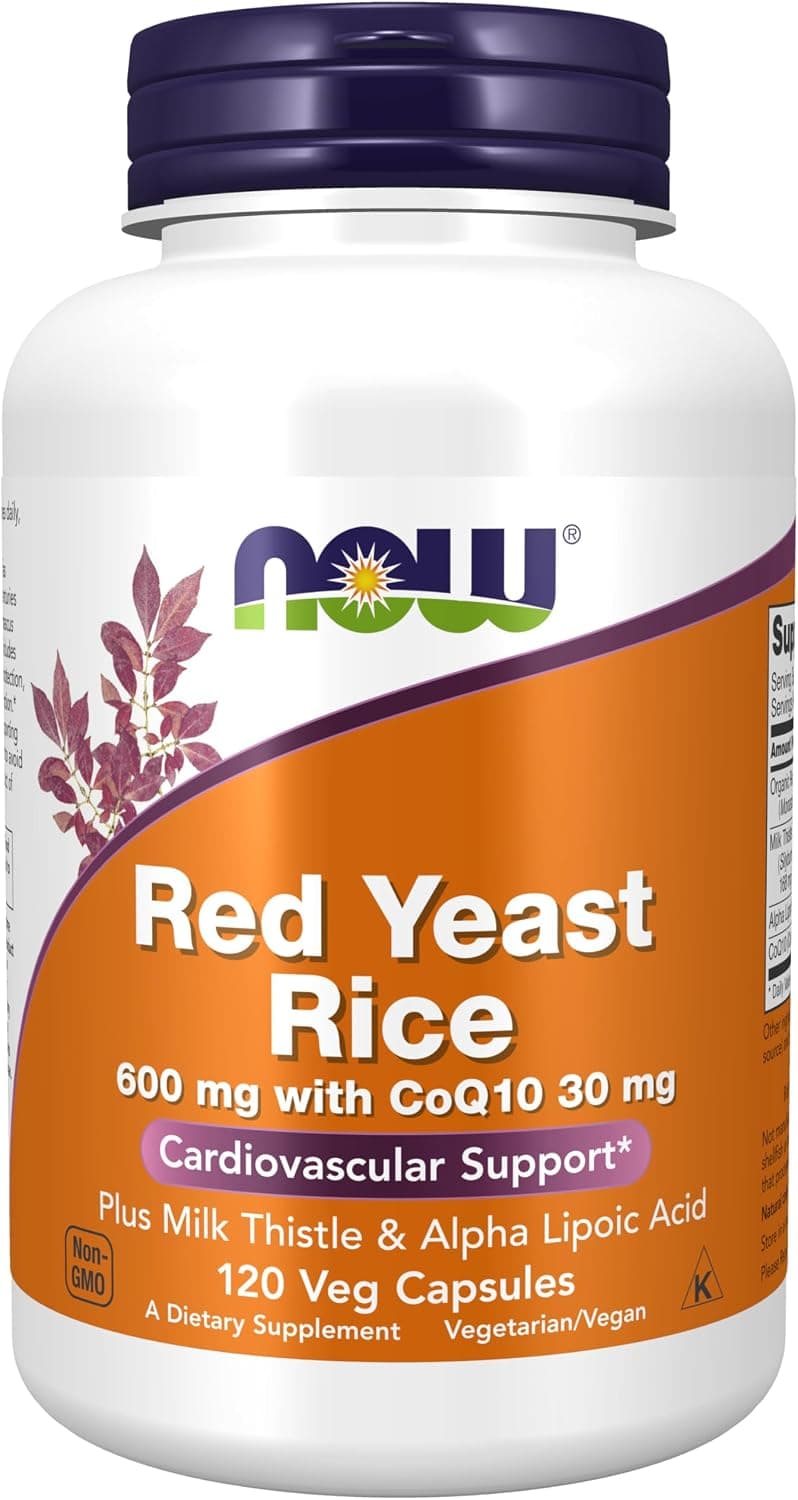
Suppliers
Vendors carrying Red Yeast Rice, with live product details and codes. Links are affiliate links that support the wiki at no cost to you.
Amazon
Red Yeast Rice
Research
- 2006first citedChinese red yeast rice (Monascus purpureus) for primary hyperlipidemia: a meta-analysis of rand…
- 2017most recentOriginal Research: The Effects of Red Yeast Rice Supplementation on Cholesterol Levels in Adult…
- 1.Chinese red yeast rice (Monascus purpureus) for primary hyperlipidemia: a meta-analysis of randomized controlled trials
- 2.Traditional Chinese lipid-lowering agent red yeast rice results in significant LDL reduction but safety is uncertain: a systematic review and meta-analysis
- 3.Original Research: The Effects of Red Yeast Rice Supplementation on Cholesterol Levels in Adults.
3 listed here; entry last updated August 2026
Reviews
My notesprivate to this device
FAQ
Is red yeast rice really a statin?
Effectively yes; its active monacolin K is chemically identical to lovastatin.
Is it safer than a prescription statin?
Not necessarily; it has the same class of side effects plus potency and contamination uncertainty.
Why pair it with CoQ10?
Like statins it can lower CoQ10, so many people add CoQ10 to offset muscle-related sides.
Can I take it with a statin?
No, that stacks statin effects and raises the risk of muscle and liver problems.
What's citrinin?
A kidney-toxic mold byproduct that can contaminate poorly made products, so buy tested brands.
Adverse effects
- Muscle aches, as can occur with statin drugs
- Digestive discomfort such as bloating or heartburn
- Possible changes in liver enzymes
Notes and cautions
- Risk from citrinin contamination in some products
- Wide variability in strength between brands