
data + articles · 5 listed
newest 2024spec sheet11 rows
Amoxicillin + Clavulanate Amoxicillin/clavulanic acid, often called co-amoxiclav and sold under the brand name Augmentin, is a combination antibiotic that pairs the penicillin amoxicillin with clavulanic acid, a beta-lactamase inhibitor. The clavulanic acid shields amoxicillin from enzymes that many bacteria use to destroy it, so the combination works against infections that plain amoxicillin cannot [1]. It is used for conditions such as sinus infections, respiratory infections, and animal or human bites, but carries a higher risk of digestive upset and, uncommonly, liver injury than amoxicillin alone [2][3].
- Works against infections plain amoxicillin cannot
- Clavulanic acid shields amoxicillin from bacterial enzymes
- Used for sinus, respiratory, and bite infections
- A workhorse antibiotic that earns its place
- Broad spectrum coverage in tablets or liquid
- Restores an old favorite against resistant bugs
- Diarrhea and stomach upset, more than with amoxicillin alone
- Nausea and vomiting
- Uncommon liver injury with jaundice, sometimes delayed
Overview
Co-amoxiclav combines two ingredients with complementary roles. The first, amoxicillin, is an aminopenicillin that kills bacteria by blocking the construction of their cell walls. The second, clavulanic acid, has little antibacterial power of its own but acts as a decoy that disables beta-lactamase, the enzyme many resistant bacteria produce to break apart penicillins [1]. By protecting amoxicillin from this enzyme, clavulanic acid restores and broadens the antibiotic's reach [1].
The pairing addresses one of amoxicillin's main weaknesses. On its own, amoxicillin is inactivated by beta-lactamase-producing organisms such as many strains of Staphylococcus aureus, Haemophilus influenzae, and gut bacteria. Adding clavulanic acid, which binds these enzymes irreversibly, allows amoxicillin to reach its target and act on such strains, extending coverage to include many resistant respiratory bacteria and anaerobes [1].
Because of this wider spectrum, co-amoxiclav is chosen when resistant bacteria are likely or when plain amoxicillin has failed. It is recommended as a first-line treatment for acute bacterial sinus infection [2], and it is used for ear and respiratory infections, skin and soft-tissue infections, and urinary infections. It is a standard choice for the bite wounds of animals and humans, whose bacteria are often resistant to simpler penicillins [2].
The addition of clavulanic acid comes at a cost in tolerability. Co-amoxiclav causes more diarrhea and stomach upset than amoxicillin taken alone, an effect largely attributed to the clavulanate component. More importantly, it is one of the more common causes of drug-induced liver injury, typically a cholestatic hepatitis in which bile flow is impaired; the jaundice can appear days to weeks after the course is finished and may be prolonged [3]. This reaction is uncommon and usually resolves, and it is more likely in older people, in men, and with repeated courses [3]. Research has linked susceptibility to particular immune-system genes, pointing to an allergic or immune basis for the liver injury [4].
Co-amoxiclav is made in several fixed ratios of amoxicillin to clavulanic acid and is available as tablets, chewable tablets, oral suspensions, and, in some countries, an intravenous form [1]. It was introduced in the 1980s, is a prescription-only medicine, and is available as a generic; it appears on lists of essential medicines because of its usefulness against resistant everyday infections.
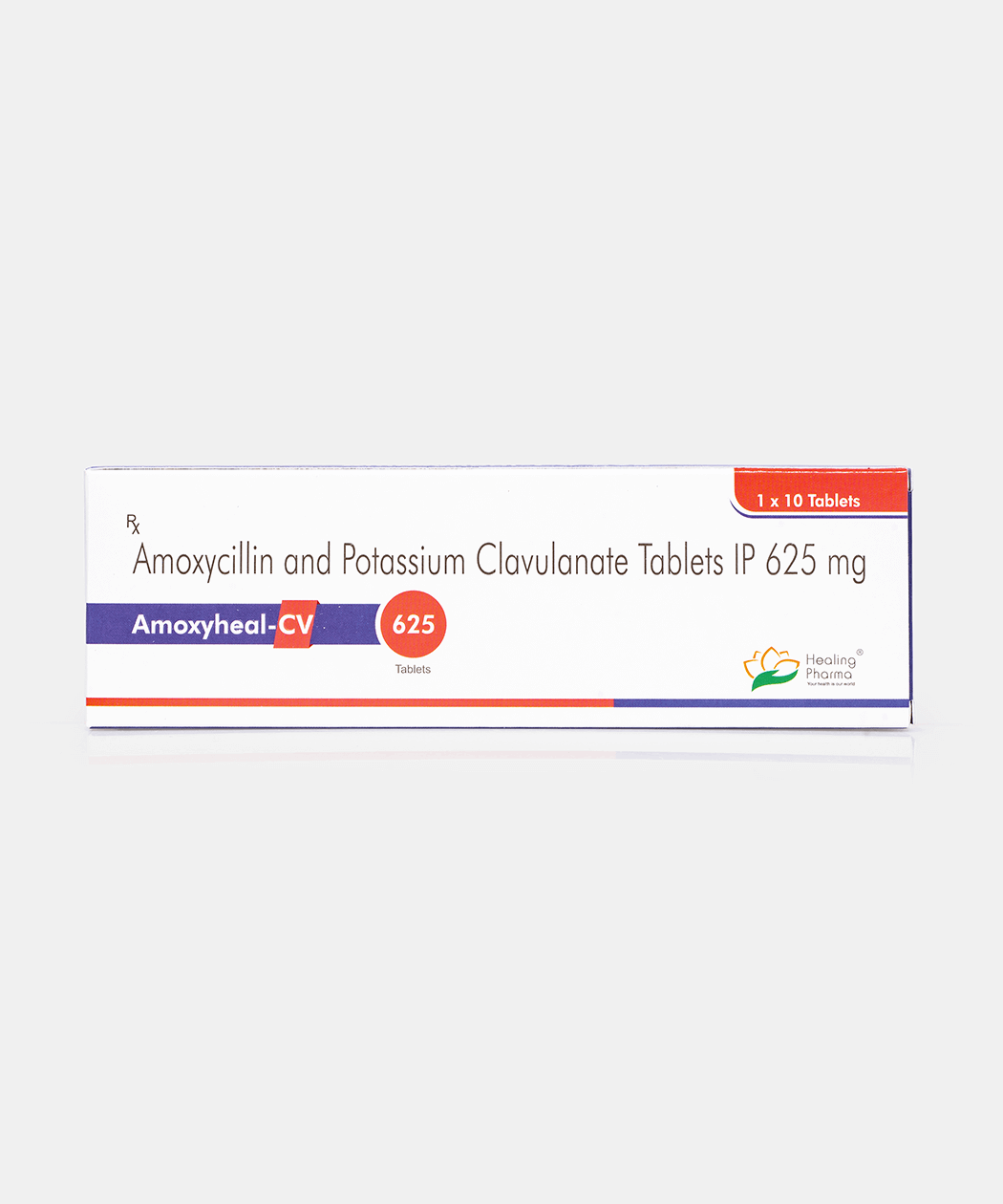
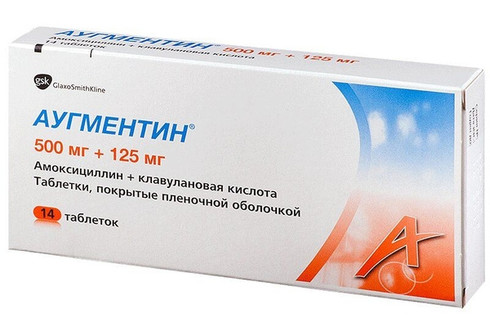
- Clavulanic acid has almost no antibacterial power of its own; its role is to sacrifice itself to the enzymes that would otherwise destroy amoxicillin.
- Co-amoxiclav is one of the most frequently reported causes of drug-induced liver injury, although the reaction is uncommon and usually reversible.
Mechanism
The two components of co-amoxiclav act in tandem. Amoxicillin, like other penicillins, binds the penicillin-binding proteins that build and cross-link the bacterial cell wall; by blocking these enzymes it stops the wall from being maintained, and the bacterium bursts, so amoxicillin is bactericidal [1]. Its weak point is beta-lactamase, an enzyme secreted by many bacteria that splits the beta-lactam ring and neutralizes the drug.
Clavulanic acid resembles the antibiotic closely enough to be recognized by beta-lactamase, but instead of being harmlessly broken down it binds the enzyme irreversibly and destroys its activity, acting as a so-called suicide inhibitor [1]. With the enzyme out of action, amoxicillin survives to attack the cell wall, and the combination becomes effective against organisms that would otherwise resist it [1]. The clavulanate component is also thought to contribute to the combination's gastrointestinal effects and to the uncommon immune-mediated liver injury associated with the drug [3][4].
receptor fingerprint
Penicillin-binding proteins (transpeptidases)inhibits
Beta-lactamase enzymesinhibits
D-alanyl-D-alanine transpeptidaseinhibits
Penicillin-binding protein 3inhibits
Bacterial autolysinsactivates
Dosingtypical ranges, not medical advice
interested in protocols and clinical dosages? make an account to see them! ^_^
Safetyrisks and cautions, not medical advice
This is a prescription antibiotic. The most common effects are diarrhea (more than with amoxicillin alone, because of the clavulanate), nausea, rash and yeast infections, and it can cause C. difficile colitis. Its more distinctive risk is a reversible cholestatic liver injury or jaundice, which is more likely with longer or repeated courses and in older patients. People with a true penicillin allergy should not take it. It can occasionally raise the effect of warfarin, and taking it with food reduces stomach upset. Doses are reduced in significant kidney impairment.
History
The combination arose from Beecham's discovery of clavulanic acid, a compound produced by the soil bacterium Streptomyces clavuligerus that could disable the beta-lactamase enzymes many bacteria use to destroy penicillins. Pairing this beta-lactamase inhibitor with amoxicillin restored the antibiotic's power against otherwise resistant organisms, and the fixed combination was launched as Augmentin in the early 1980s. It rapidly became a widely used broad-spectrum oral antibiotic for sinus, respiratory, dental, and bite infections. Its history also carries a cautionary thread; the clavulanate component is linked to the combination's greater tendency to cause digestive upset and, uncommonly, immune-mediated liver injury.
Reputation
Co-amoxiclav, best known as Augmentin, is respected as a reliable step up from plain amoxicillin, extending coverage to many beta-lactamase-producing bacteria while keeping the familiar convenience of an oral penicillin. Prescribers reach for it in sinusitis, more stubborn respiratory infections, and human or animal bites, where its broader reach is genuinely useful. Its clever suicide-inhibitor design, in which clavulanic acid sacrifices itself to protect the antibiotic, is often cited as an elegant piece of pharmacology. Honesty requires noting its trade-offs; it causes more diarrhea than amoxicillin alone and is one of the more common causes of drug-induced liver injury, so it is best reserved for situations that truly need it.
Subjective profileweighing the evidence above
A workhorse antibiotic that earns its place when plain amoxicillin will not do, particularly for sinus, bite and resistant respiratory infections. The extra coverage costs more diarrhea, and the uncommon delayed cholestatic liver injury is why it should not be a reflex first choice.
Where to buy
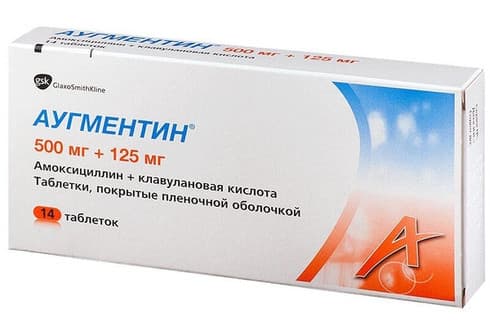
1 other outlet
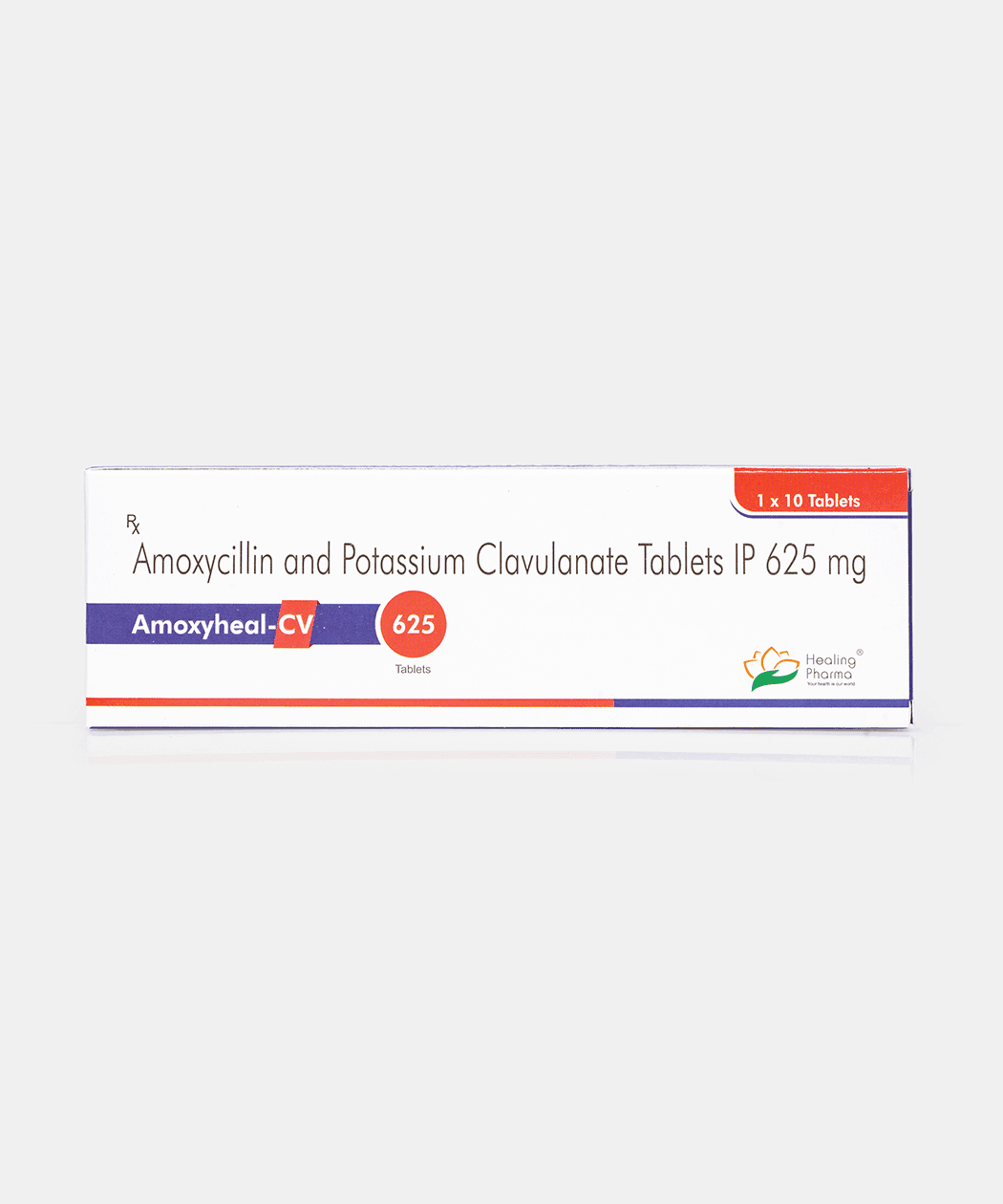
Suppliers
Vendors carrying Amoxicillin + Clavulanate, with live product details and codes. Links are affiliate links that support the wiki at no cost to you.
PCT.Zone
Amoxicillin + Clavulanate
RUPharma🌐
Amoxicillin + Clavulanate
Research
- 1991first citedAugmentin-induced jaundice
- 2024most recentSevere Acute Liver Injury After Hepatotoxic Medication Initiation in Real-World Data
- 1.The penicillins
- 2.IDSA clinical practice guideline for acute bacterial rhinosinusitis in children and adults
- 3.Augmentin-induced jaundice
- 4.Drug-induced liver injury
- 5.Severe Acute Liver Injury After Hepatotoxic Medication Initiation in Real-World Data
5 listed here; entry last updated August 2026
Reviews
My notesprivate to this device
FAQ
How is this different from plain amoxicillin?
The added clavulanate blocks bacterial enzymes that would destroy amoxicillin, so it works against resistant bacteria that amoxicillin alone cannot clear.
Why does it upset my stomach more?
The clavulanate part increases the chance of diarrhea; taking it with the first bite of a meal helps settle things.
Can it affect my liver?
Rarely it can cause a reversible liver upset or jaundice, more likely with longer or repeated courses, so report yellowing skin or dark urine.
Should I take it with food?
Yes; taking it at the start of a meal improves absorption of the clavulanate and reduces stomach upset.
Is it stronger than amoxicillin?
Not more potent against the same bug, but it covers more types of bacteria because it defeats their beta-lactamase defense.
Adverse effects
- Diarrhea and stomach upset, more than with amoxicillin alone
- Nausea and vomiting
- Uncommon liver injury with jaundice, sometimes delayed
- Allergic reactions in penicillin-sensitive people
- Clostridioides difficile colitis (uncommon)